Hear from Our Customers
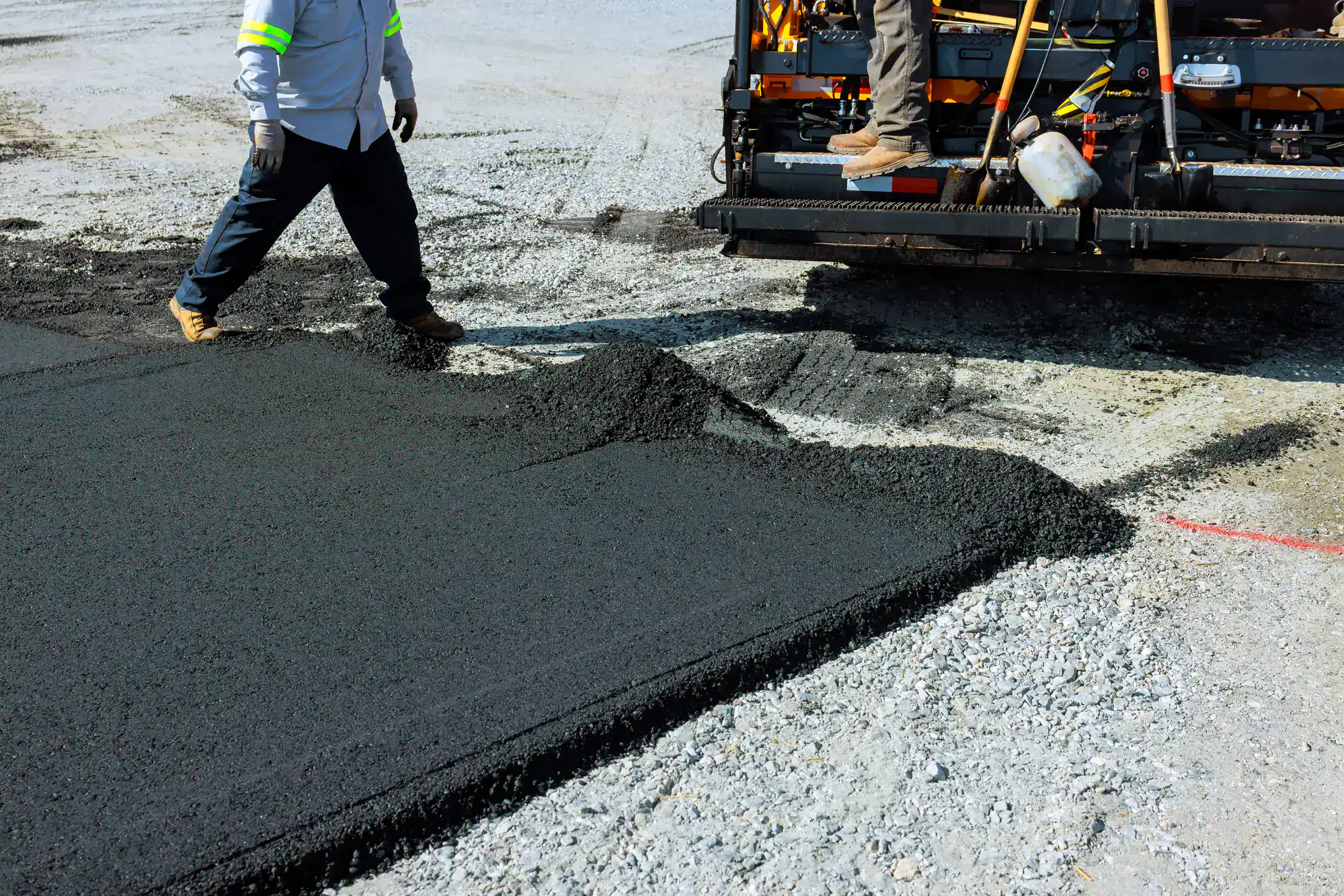
A cracked, faded parking lot in a tourism town isn’t just a maintenance issue it’s a first impression problem. Chesapeake Beach draws visitors from D.C., Annapolis, and across the region for charter fishing, waterfront dining, and the water park. When someone pulls into your lot, they’re already forming an opinion about your business. A clean, well-maintained surface signals that you run a professional operation. A deteriorating one signals the opposite.
The bigger issue is what’s happening underneath. Chesapeake Beach’s bay humidity averages between 72% and 79% year-round. That moisture doesn’t just sit on the surface it works into every unsealed crack, softens the base layer, and accelerates the kind of structural failure that turns a manageable repair into a full reconstruction. Add Maryland’s freeze-thaw winters to the mix, and a small crack left unaddressed through one cold season can become a $15,000 problem by spring.
Getting the surface right means your lot handles boat trailers, delivery trucks, and peak summer tourist traffic without deteriorating ahead of schedule. It means your ADA-accessible spaces are compliant and clearly marked for the families and seniors who visit your property. And it means you’re not re-budgeting for emergency repairs every two years because the base was never properly prepared in the first place.
We’ve been operating in Maryland since 2011, and our team brings over four decades of combined paving experience to every project. That’s not a marketing line it’s the difference between a crew that knows how to prep a subgrade for coastal conditions and one that doesn’t think about it until the lot starts failing.
We’re headquartered in Annapolis about 30 miles from Chesapeake Beach via MD 260 which means site assessments, follow-up visits, and accountability are genuinely accessible, not a phone call to someone three states away. We hold MHIC License #159766, carry full insurance, and have maintained a BBB A+ rating since August 2024. Those credentials are verifiable. In Calvert County, where unlicensed crews regularly solicit commercial paving work, that matters.
Our scope covers everything your pavement needs: new installation, resurfacing, sealcoating, crack filling, line striping, and ADA compliance upgrades. One contractor, one point of contact, no referral runaround.
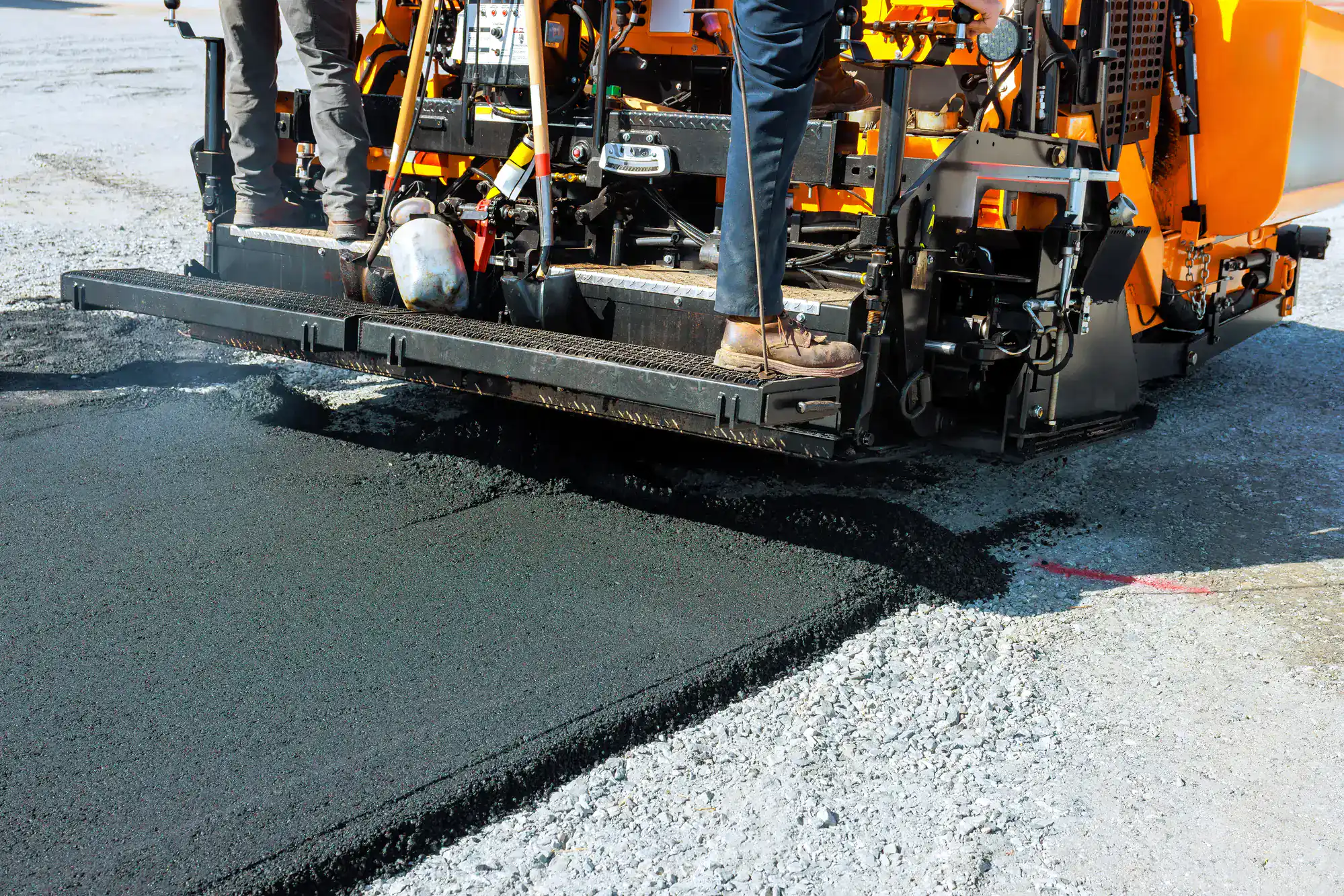
It starts with a free site assessment. Before anything is recommended or quoted, we evaluate your property: drainage patterns, subgrade condition, current surface integrity, traffic load, and ADA compliance status. For a waterfront commercial property in Chesapeake Beach where bay moisture, salt air exposure, and seasonal traffic loads all factor into the right solution this step isn’t a formality. It’s where the actual work begins.
Once the assessment is complete, you get a detailed, honest scope of work and a clear cost estimate. No surprises after the project starts. If your lot needs a full reconstruction, you’ll tell you that. If crack filling and sealcoating will extend the life of your current surface by several years, you’ll hear that instead. The recommendation is based on what your pavement actually needs, not on what generates the largest invoice.
Scheduling is built around your operation. If you’re running a marina or a waterfront restaurant along Bayside Road, closing your lot during peak summer season isn’t realistic. We phase, sequence, and schedule work around your business hours so customers aren’t locked out during your busiest months. Chesapeake Beach’s optimal paving window runs from late April through October and we plan accordingly, with crack filling prioritized before winter to prevent freeze-thaw damage from expanding existing fissures through the cold months.
Ready to get started?
Commercial asphalt paving in Chesapeake Beach isn’t a one-size service. The mix of marina parking, waterfront restaurant lots, water park access roads, and mixed-use developments along Chesapeake Beach Road and Bayside Road means each property has different load requirements, drainage considerations, and maintenance histories. We handle the full scope new lot installation, asphalt resurfacing, sealcoating, crack filling, parking lot line striping, and ADA-compliant accessible space upgrades so you’re not managing three separate vendors for one property.
New commercial installations are built to commercial standards: proper subgrade preparation, correct drainage design, and a minimum of four inches of asphalt thickness for commercial applications. That’s what separates a lot that lasts 25 years from one that starts failing in five. For properties near the bay shoreline, it’s worth noting that Chesapeake Beach falls under Maryland’s Critical Area Program, which establishes a 1,000-foot buffer from the mean high-water line. Paving projects within or near that zone may require additional review through the Town’s Public Works and Zoning Administrator something worth confirming before work begins.
For existing lots, sealcoating is the most cost-effective maintenance investment available. Applied every three to five years, it slows binder oxidation, blocks moisture infiltration, and keeps the surface from becoming brittle under Calvert County’s coastal climate conditions. Line striping and ADA upgrades are handled as part of the same project because a freshly paved lot with faded or non-compliant markings is still a liability.
The coastal environment here is genuinely harder on asphalt than most inland Maryland locations. Humidity in Chesapeake Beach averages between 72% and 79% year-round, and that sustained moisture accelerates the oxidation of the asphalt binder the material that holds the surface together. As the binder oxidizes, it becomes brittle, the surface starts cracking, and moisture infiltrates the base layer. Once water gets into the base, freeze-thaw cycling through Maryland winters does the rest.
Salt air compounds the problem for properties along Bayside Road and the waterfront. It degrades surface bonding over time in ways that aren’t always visible until the damage is already significant. The practical takeaway is that commercial lots in Chesapeake Beach need more consistent sealcoating and crack-filling attention than comparable properties in inland Calvert County towns like Huntingtown or Prince Frederick. Staying ahead of that maintenance cycle is significantly cheaper than reacting to base failure after the fact.
The honest answer is that cost depends on several variables: the size of the lot, the current condition of the subgrade, whether you need a full replacement or a resurfacing overlay, drainage requirements, and what line striping and ADA work is involved. For a straightforward commercial resurfacing project, costs typically range from a few dollars per square foot on the lower end to significantly more for full reconstruction with subgrade work. Getting a specific number requires a site assessment not because contractors are being evasive, but because quoting without seeing the property leads to surprises mid-project.
What’s worth understanding is the cost of doing nothing. In Chesapeake Beach’s coastal climate, deferred maintenance compounds quickly. A crack-filling job that costs a few hundred dollars today can become a section replacement costing several thousand next spring, or a full base reconstruction in the tens of thousands if moisture infiltration is left unchecked through multiple winters. The free site assessment we offer gives you a clear picture of where your lot stands and what it will actually cost before any commitment is made.
For most commercial properties in the Mid-Atlantic, sealcoating every three to five years is the standard recommendation. In Chesapeake Beach, the coastal humidity and salt air exposure push that toward the more frequent end of that range particularly for properties directly on or near the waterfront along Bayside Road or the marina area. The sealcoat acts as a barrier against moisture infiltration and slows the oxidation process that makes asphalt brittle over time.
The timing matters as much as the frequency. Sealcoating requires warm, dry conditions to cure properly which makes summer the ideal window in Chesapeake Beach. That does create a scheduling challenge for tourism-dependent businesses that can’t close their lots during peak season, but phased application and off-hours scheduling can address that. The important thing is not to skip the cycle because scheduling is inconvenient. A sealcoat applied every few years is one of the highest-return maintenance investments available for a commercial lot in this climate.
Yes, and it’s worth understanding before work begins. Chesapeake Beach has its own municipal zoning code and permitting process, separate from Calvert County’s. Significant site improvements including new parking lot construction typically require building permits reviewed through the Town’s Public Works and Zoning Administrator. The town government explicitly encourages property owners and contractors to reach out early in the planning process so applicable requirements can be clarified before leases are signed or major investments are committed.
There’s an additional layer for properties near the bay shoreline. Chesapeake Beach falls under Maryland’s Critical Area Program, which establishes a 1,000-foot buffer zone from the mean high-water line of the Chesapeake Bay and its tributaries. Any paving project within or near that buffer may require additional environmental review. This isn’t a reason to avoid the project it’s a reason to plan ahead and confirm the requirements specific to your property before scheduling work. A contractor familiar with Calvert County and the town’s regulatory environment can help you understand what’s needed upfront.
Resurfacing sometimes called an overlay involves milling off or paving directly over the existing surface and applying a new layer of asphalt on top. It’s a cost-effective option when the base layer is structurally sound and the damage is limited to the surface. If your lot has surface cracking, minor rutting, or general wear but the subgrade hasn’t been compromised by moisture infiltration, resurfacing can add years of life at a fraction of full replacement cost.
Full replacement is necessary when the base has failed. In Chesapeake Beach’s coastal environment, this typically happens when moisture has been infiltrating cracks over multiple freeze-thaw cycles and has softened or destabilized the subgrade beneath. At that point, paving over the existing surface only delays the inevitable the new layer will fail prematurely because the foundation underneath it isn’t solid. A proper site assessment will tell you which situation you’re dealing with. Skipping that step and assuming a resurfacing will hold is one of the most common and costly mistakes commercial property owners make.
This is one of the most common concerns from commercial property owners in Chesapeake Beach, and it’s a legitimate one. If you’re operating a marina, a waterfront restaurant, or a business that depends on summer visitor traffic, telling customers the lot is closed for three days in July isn’t a realistic option. The solution is phased project planning dividing the lot into sections and completing work in stages so at least a portion of your parking remains accessible at all times.
Off-hours scheduling is another tool. Paving work can be sequenced to happen during early morning hours before your business opens, or in the evening after it closes. The key is building that plan before the project starts, not improvising it on-site. When you request a site assessment, that conversation happens upfront the project schedule is designed around your operation, not the other way around. Chesapeake Beach’s paving season runs from late April through October, which gives enough of a window to find a timing approach that works for your business without sacrificing the quality of the installation.
Other Services we provide in Chesapeake Beach