Hear from Our Customers
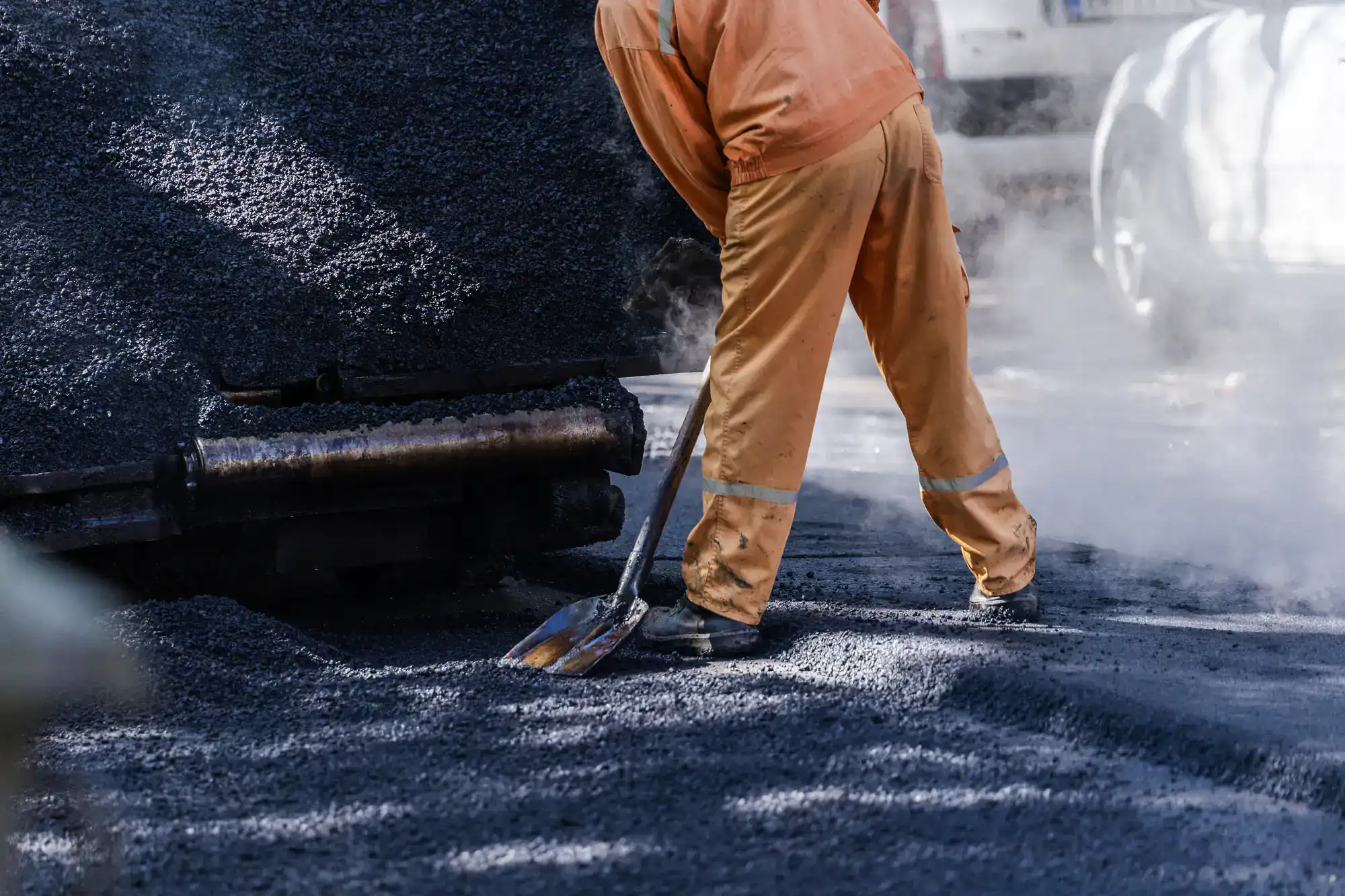
Every winter in Glen Burnie, the freeze-thaw cycle does its damage. Temperatures swing above and below freezing repeatedly sometimes in the same week and any water that’s worked its way into surface cracks expands, widens those cracks, and starts undermining the base underneath. By spring, what looked like a manageable surface issue has become something much more expensive.
When commercial asphalt paving in Glen Burnie is done correctly with proper base preparation, the right asphalt thickness for commercial load, and drainage that actually moves water away from the surface you stop that cycle before it starts. A well-installed commercial lot can last 20 to 30 years. A poorly installed one, or one that’s been neglected through a few Maryland winters, can fail in five.
For property owners along Crain Highway or managing older strip centers near Harundale, the reality is that much of the existing pavement in this market was laid 30 to 40 years ago. It’s not just worn it’s past its designed service life. Getting ahead of that with the right contractor means protecting your tenants, your liability exposure, and your property value at the same time.
We’ve been doing commercial asphalt work in Glen Burnie and Anne Arundel County since 2011. That’s 14-plus years of Maryland winters, Anne Arundel County permit processes, and commercial properties that range from small service plazas on Ritchie Highway to industrial facilities near the BWI Airport corridor. Our team brings over four decades of combined field experience to every project not just business experience, but hands-on, boots-on-the-ground knowledge of how asphalt actually performs in this climate.
We hold MHIC License #159766 a Maryland state credential that requires passing a real exam and proving field experience before it’s issued. It’s publicly searchable. Our BBB A+ accreditation (active since August 2024) adds a third-party layer of accountability that most contractors in this market can’t match. We’re also licensed in both Maryland and Virginia, which matters for commercial property portfolios that span both states.
It starts with a site assessment, not a sales pitch. Before any recommendation is made, we evaluate the condition of your existing pavement base integrity, drainage patterns, subgrade stability, surface deterioration, and ADA compliance status. For older commercial properties in Glen Burnie, particularly those built during the mid-century development boom along Ritchie Highway, that assessment often reveals base issues that a surface overlay alone won’t fix. Knowing that upfront is what keeps your budget honest.
From there, we build a detailed proposal around what your specific property actually needs whether that’s a full-depth replacement, a structural overlay, targeted repairs, or a phased approach that keeps your operation running while work progresses. Because Glen Burnie’s commercial properties are high-traffic and high-revenue, phased scheduling is a standard part of how we plan projects here. You don’t shut down a loading dock or close a retail lot for a week without a plan.
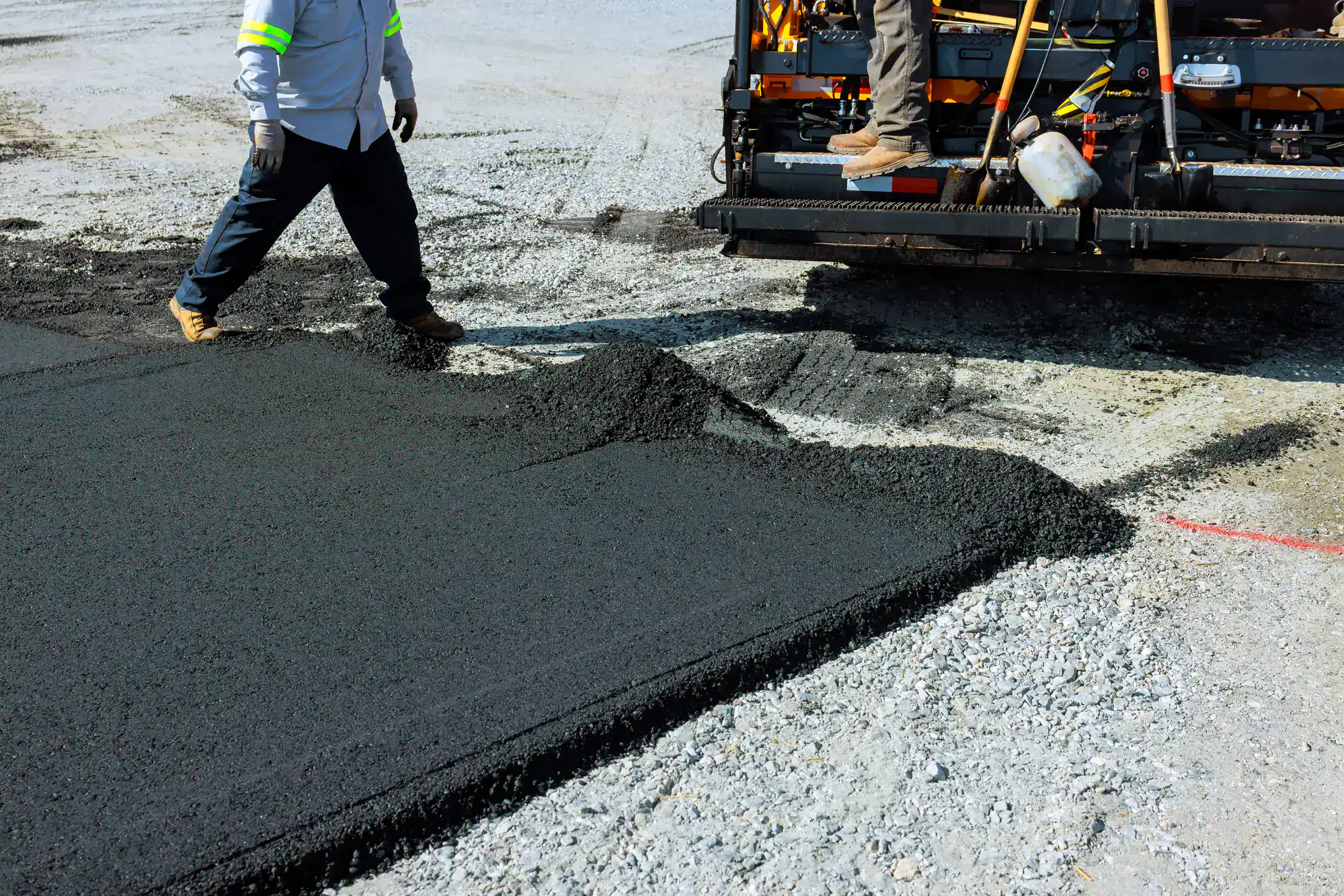
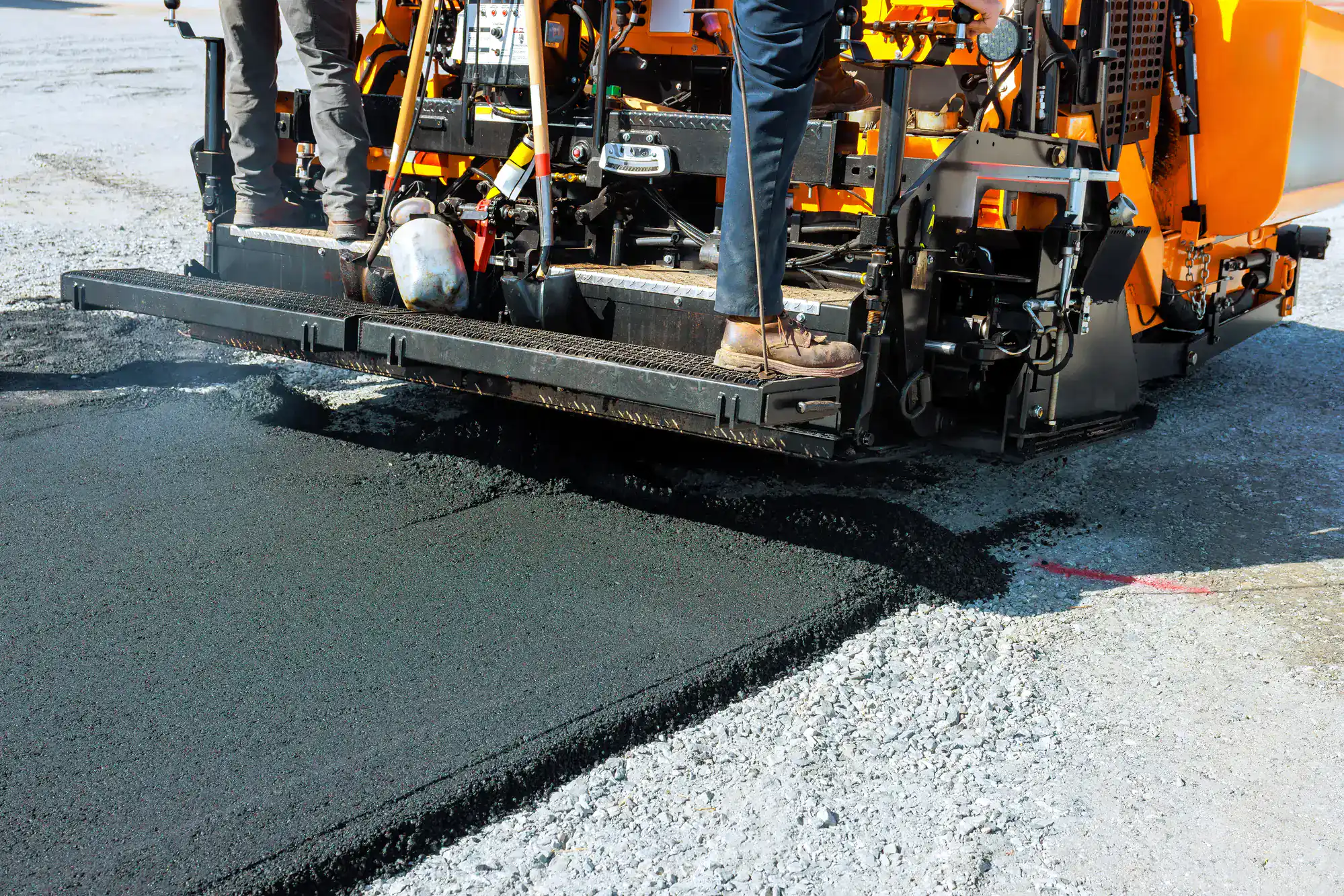
Once work begins, we install commercial asphalt to the correct specifications for your traffic load a minimum of four inches of compacted asphalt over a properly engineered base, not the two-to-three inch standard used for residential work. Anne Arundel County permitting is handled as part of the process for projects that require it. After installation, line striping, ADA-compliant accessible space markings, and sealcoating can all be completed under the same scope so you’re not coordinating three separate vendors to finish one parking lot.

Ready to get started?
Commercial asphalt paving in Glen Burnie covers a wide range of project types new lot installation, full-depth reclamation on aging pavement, structural overlays, pothole and base repair, and complete resurfacing on lots that have reached the end of their service life. Each project starts with an honest assessment of what the pavement actually needs, not what’s easiest to sell.
Beyond the paving itself, we handle sealcoating, crack filling, parking lot line striping, pavement markings, and ADA-compliant accessible parking upgrades all under one contract. For Glen Burnie property managers dealing with older commercial lots that predate current ADA standards, that compliance piece isn’t optional. Federal requirements specify minimum accessible space counts, van-accessible designation, proper signage, and maximum cross-slopes on accessible routes. Non-compliance is a liability exposure, not an aesthetic issue.
For properties near the BWI Airport corridor warehouses, distribution centers, freight facilities, and logistics operations the paving scope also accounts for heavy vehicle loading. Delivery trucks and freight vehicles require a fundamentally different pavement design than standard passenger car traffic, and that design difference starts with the base. Getting that right on the front end is what separates a commercial lot that holds up for 25 years from one that’s cracking under load in three.
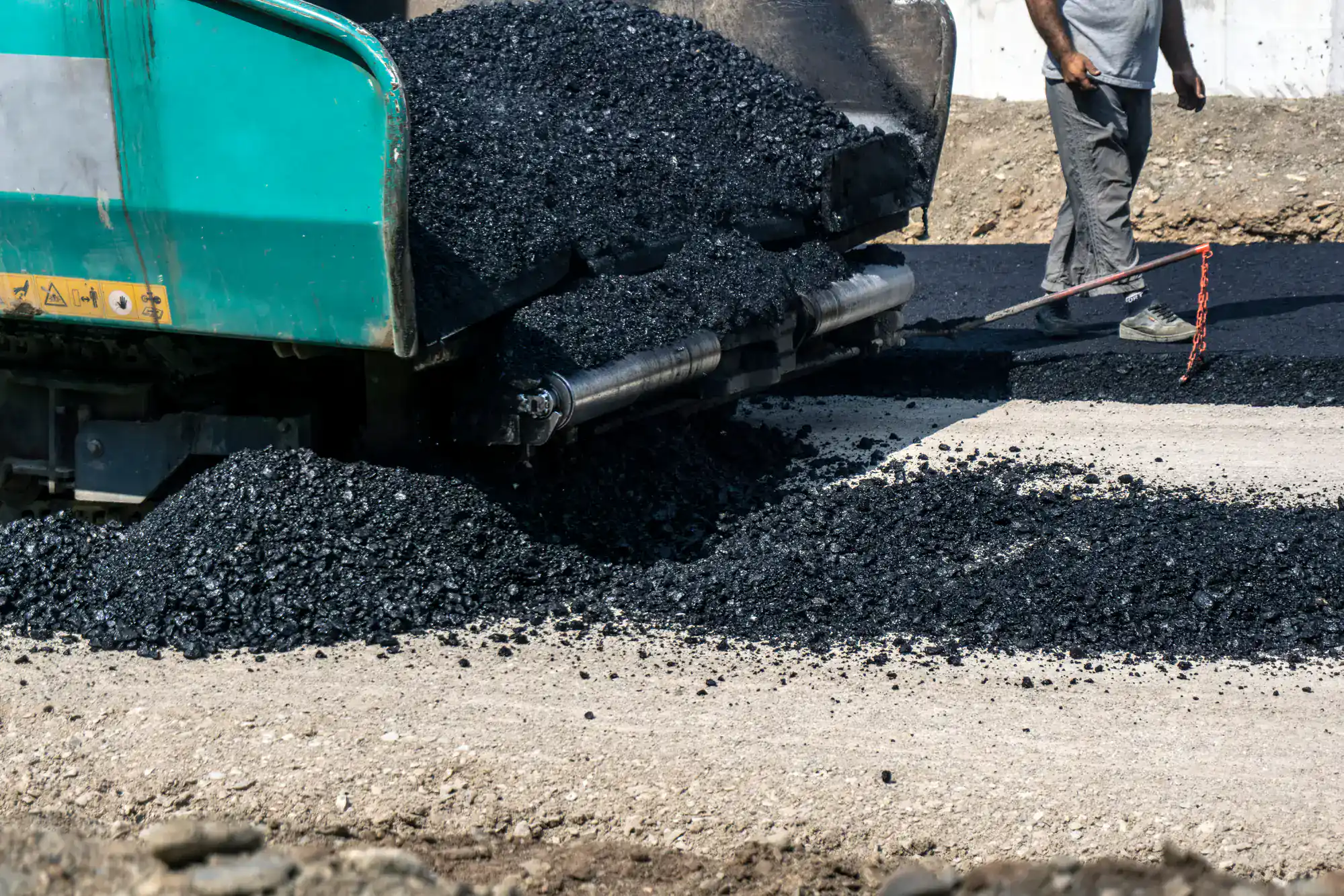
Commercial paving costs in Glen Burnie vary based on lot size, existing base condition, and the scope of work required. A straightforward overlay on a structurally sound base runs significantly less than a full-depth replacement where the subgrade has been compromised by years of freeze-thaw cycling. For reference, commercial paving projects in this market typically range from a few thousand dollars for targeted repairs to $50,000 or more for large-scale full-depth replacements on aging lots.
The most important thing to understand is that deferred maintenance almost always costs more. A repair that runs $10,000 today can escalate to $30,000 to $50,000 if water infiltration and winter freeze cycles are allowed to continue undermining the base over the next two or three years. The estimate we provide is based on a real site assessment not a number pulled from a price sheet so you know exactly what you’re getting and why before any work begins.
The core difference is load design. Residential driveways are typically installed at two to three inches of asphalt over a basic gravel base enough for passenger vehicles with predictable, low-volume traffic. Commercial lots, especially those in high-traffic corridors like Ritchie Highway or near the BWI Airport industrial cluster, require a minimum of four inches of compacted asphalt over a properly engineered base that accounts for the actual weight and volume of vehicles using the surface.
Beyond thickness, commercial paving involves drainage engineering, ADA compliance planning, heavy vehicle load calculations, and often a phased installation approach that keeps the property operational during construction. A contractor whose primary work is residential driveways isn’t necessarily equipped to manage those variables on a commercial job. The specifications matter, and cutting corners on them whether intentionally or out of inexperience is what leads to premature failure on commercial lots.
The Baltimore-Annapolis corridor sees real freeze-thaw cycling every winter not just one or two cold snaps, but repeated oscillations above and below freezing that can happen multiple times in a single week. Every time water gets into an existing crack and freezes, it expands by roughly nine percent in volume. That expansion widens the crack, forces the edges apart, and over time works its way down into the base. Once the base is compromised, you’re no longer dealing with surface maintenance you’re dealing with structural failure.
The most effective defense is a disciplined maintenance schedule: crack filling in the fall before temperatures drop, sealcoating every three to five years to keep water from penetrating the surface, and prompt repair of any damage that appears after winter. For Glen Burnie commercial properties that have already been through several winters without that maintenance, a spring assessment is the right starting point. Knowing what you’re actually dealing with surface wear versus base compromise determines whether you need maintenance, an overlay, or a full replacement.
Because Glen Burnie is an unincorporated community, there’s no municipal permitting office all commercial construction permits and site development approvals go through Anne Arundel County. Whether a permit is required depends on the scope of the work. Routine maintenance like crack filling and sealcoating typically doesn’t trigger a permit requirement. Larger projects involving new impervious surface, significant grading, or stormwater management changes generally do require county review and approval through the Anne Arundel County Department of Inspections and Permits.
For properties near Marley Creek or its tributaries, there’s an additional layer to consider: Anne Arundel County’s Critical Area regulations apply to properties within 1,000 feet of tidal waters, and some portions of Glen Burnie fall within that zone. Projects in those areas may require disclosure of existing and proposed impervious surfaces and additional review. We’re familiar with the county’s permitting process and handle that coordination as part of the project scope when it applies so you’re not navigating the county’s Land Use Navigator on your own.
The short answer is that you need someone to look at the base, not just the surface. A lot that looks rough on top might still have a structurally sound base that can support an overlay which is significantly less expensive than a full replacement. On the other hand, a lot with moderate surface wear but a compromised base from years of water infiltration and freeze-thaw damage will fail again quickly if you just lay new asphalt on top of a bad foundation.
The signs that point toward full replacement rather than overlay include widespread alligator cracking (the interconnected pattern that looks like a cracked mosaic), significant rutting or deformation under load, visible drainage failures, and soft spots that flex when driven over. For Glen Burnie’s older commercial properties particularly those along the mid-century commercial strips that were developed in the 1950s through 1980s these are common findings. A proper site assessment before any proposal is written is the only way to give you an honest answer about which path makes sense for your specific property.
Yes, and for many commercial properties in Glen Burnie, this is a more urgent issue than it might appear. A significant portion of the commercial building stock along Ritchie Highway and Crain Highway was developed before current ADA accessible parking standards were in place. That means faded or missing accessible space markings, non-compliant van-accessible designations, improper cross-slopes on accessible routes, and signage that doesn’t meet current federal requirements all of which represent real liability exposure for property owners and managers.
ADA compliance isn’t triggered only by new construction. If you’re resurfacing or making changes to a parking lot, it’s an opportunity and in many cases a requirement to bring the accessible parking configuration up to current standards. We handle the full scope of ADA parking upgrades as part of commercial paving projects in Glen Burnie: correct space counts, van-accessible stall designation, International Symbol of Accessibility signage, and surface cross-slopes within the allowable range. Getting this right during a resurfacing project costs a fraction of what it costs to address after a complaint or citation.
Other Services we provide in Glen Burnie