Hear from Our Customers
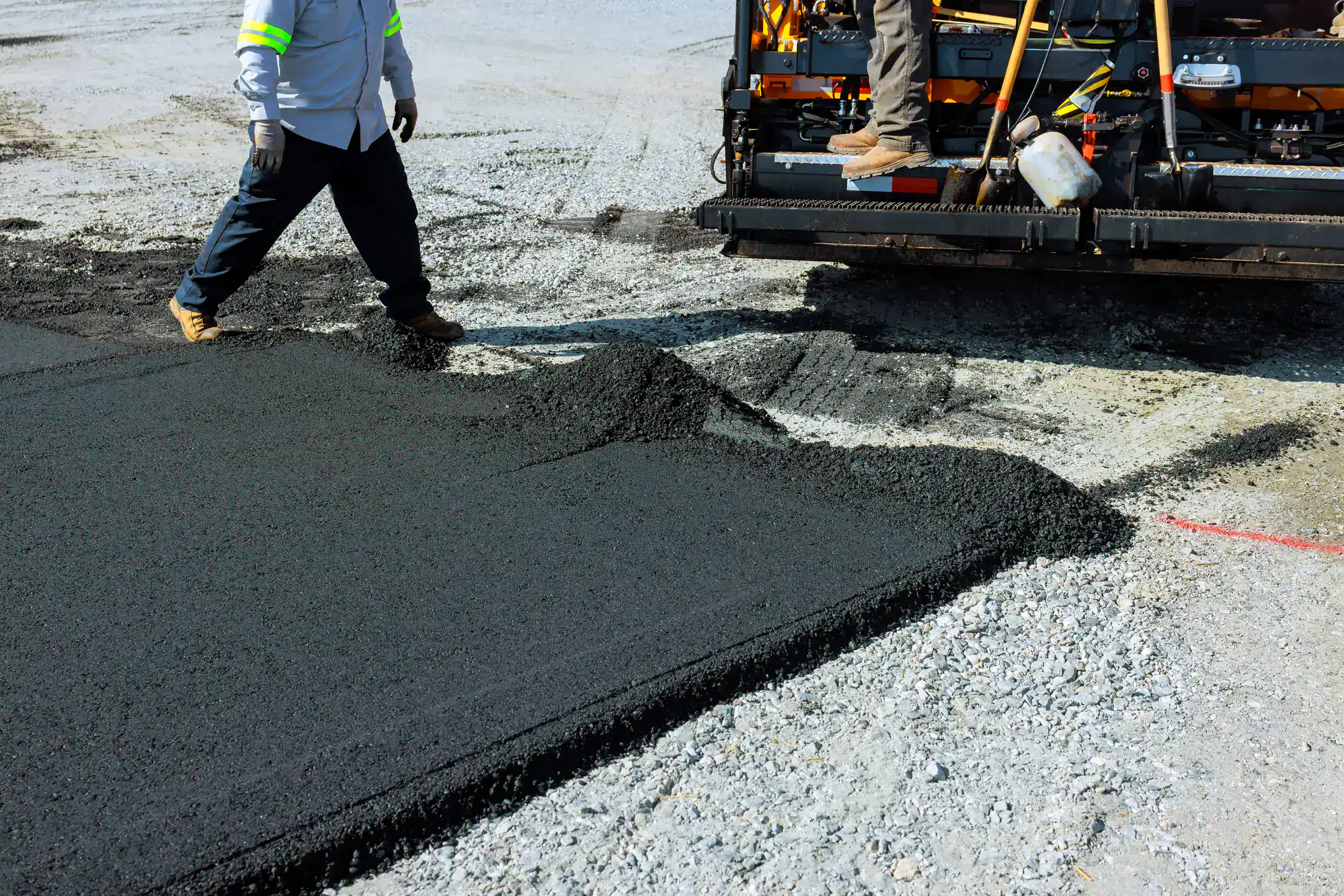
A cracked, faded parking lot on Route 235 or Great Mills Road isn’t just an eyesore. In Lexington Park, where thousands of defense contractors, military personnel, and STEM professionals pull in and out of commercial properties every single day, the condition of your lot sends a message before anyone walks through your door.
The real issue most commercial property owners in Lexington Park face isn’t damage it’s timing. A surface that looks manageable today is quietly absorbing moisture through every hairline crack. When Southern Maryland’s freeze-thaw cycles hit and they cycle repeatedly through winter and early spring, especially this close to the Patuxent River that moisture expands, widens those cracks, and starts pushing apart the base underneath. What costs $10,000 to fix today can easily become a $40,000 full reconstruction in two to three years.
Properly installed commercial asphalt, with adequate thickness, drainage, and a basic maintenance schedule, should last 20 to 30 years. That’s what the material does when it’s installed right. The goal of a site assessment isn’t to sell you the most expensive option. It’s to tell you exactly where your lot stands and what the right move actually is.
We hold Maryland MHIC License #159766 a state-issued credential that requires passing a formal exam and proving real-world experience before it’s granted. It’s publicly verifiable. That matters in Lexington Park, where the professional bar is set by an industry that doesn’t accept unverified claims.
We’ve been operating since 2011 and carry a BBB Accreditation with an A+ rating. That’s not a badge for the website it’s a track record of showing up, doing the work correctly, and being accountable when something needs to be addressed. With over four decades of combined experience across our team, the work reflects it.
St. Mary’s County has its own permitting environment the Department of Land Use and Growth Management, DPW&T right-of-way requirements, and Maryland’s stormwater regulations all apply to commercial paving in Lexington Park. We understand that landscape and work within it, so your project doesn’t stall because of a permit issue that an experienced contractor should have anticipated.
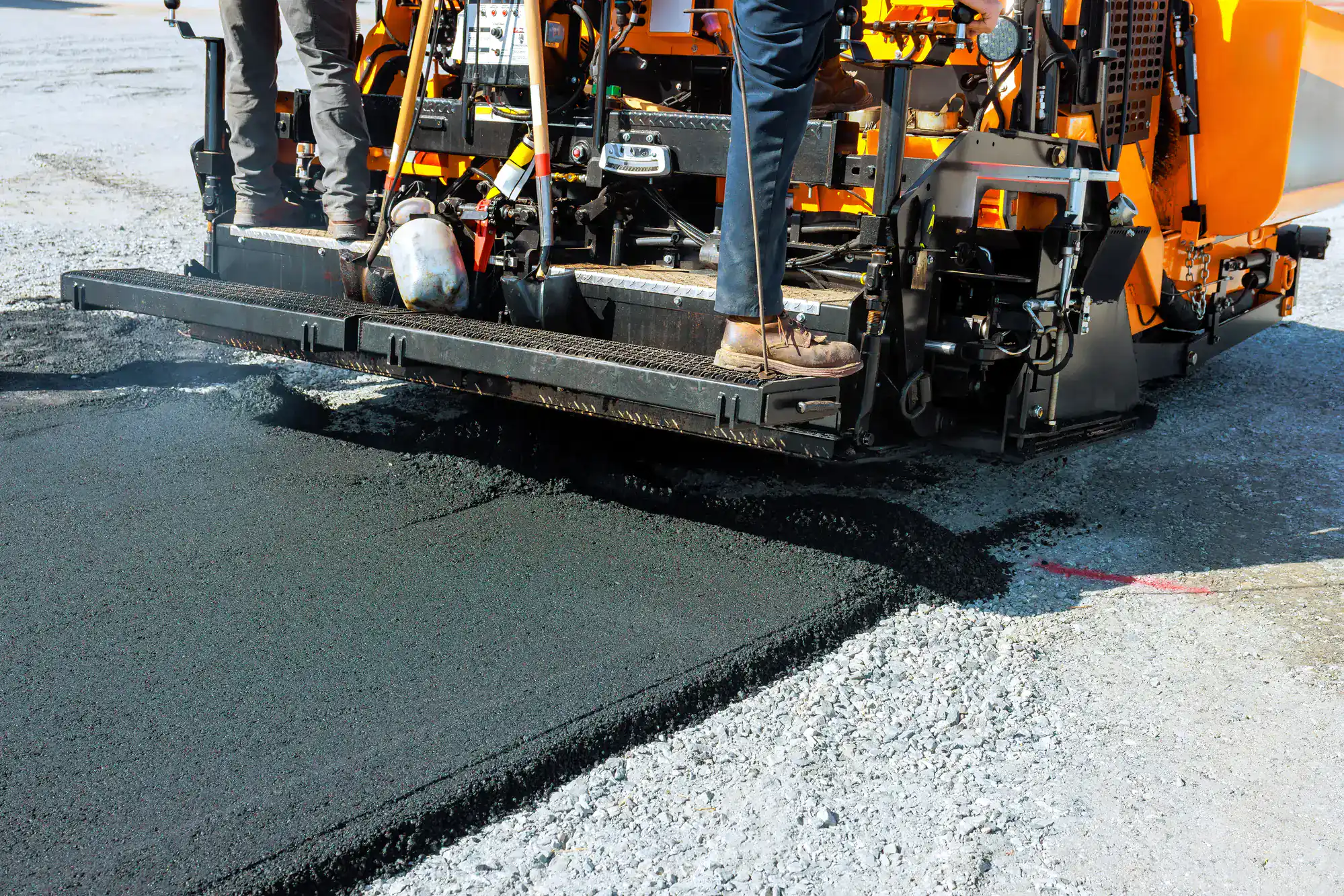
It starts with a free site assessment not a ballpark number over the phone. We evaluate the lot for drainage, subgrade condition, current surface wear, and traffic load. For commercial properties along the Route 235 corridor or near the NAS Patuxent River gates, that traffic load matters. These aren’t light-use suburban lots. They’re serving hundreds of vehicles daily, and the spec needs to reflect that.
From there, you get a detailed proposal materials, thickness, timeline, drainage provisions, and scope. If St. Mary’s County permits are required for the work, we address that before the project starts, not after. Grading permits, right-of-way approvals, and MDE stormwater considerations are part of the process for commercial projects in Lexington Park, and they affect the timeline. You’ll know what to expect upfront.
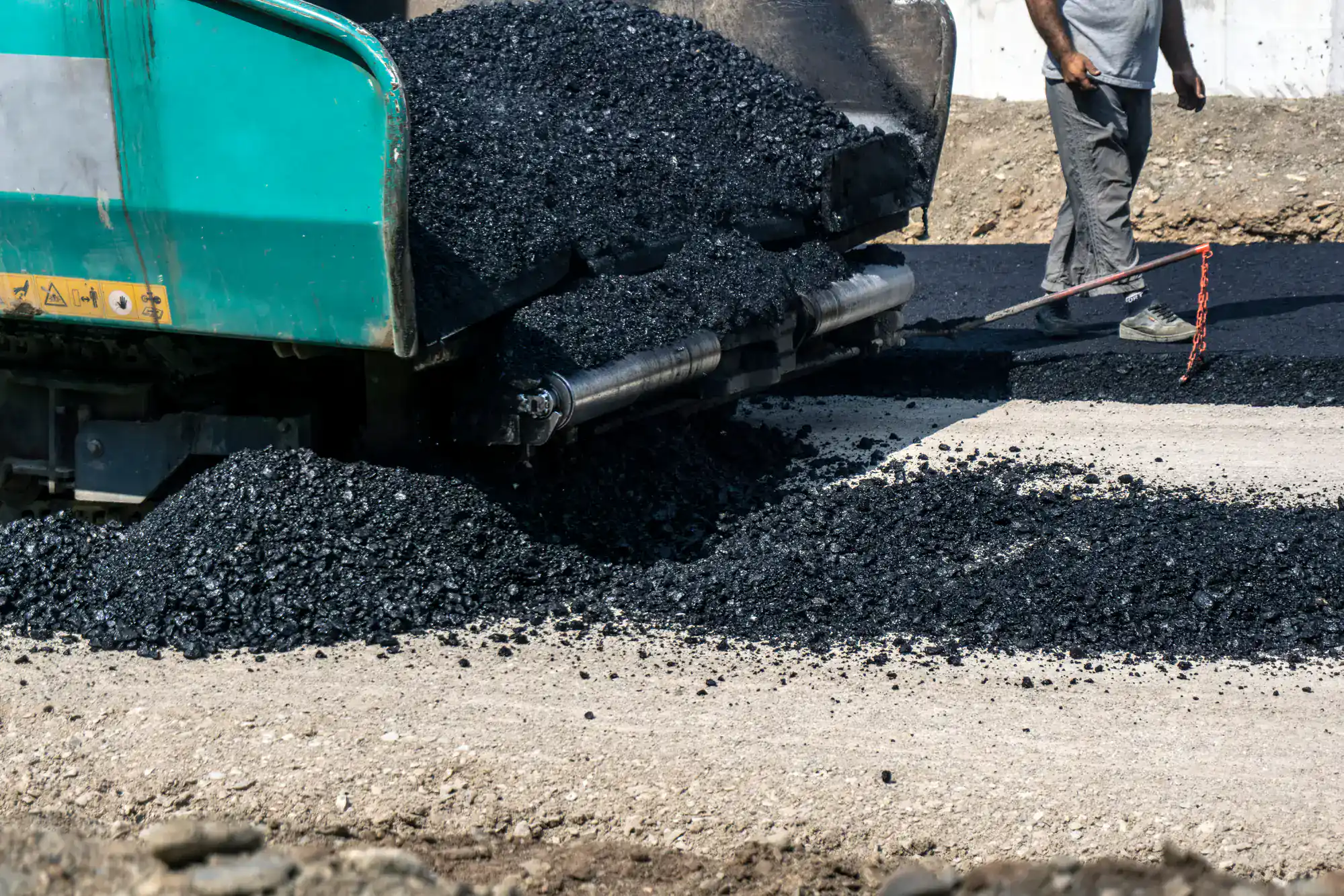
The work itself follows a sequence that determines the final result long before the asphalt is poured. Subgrade preparation and base compaction are where most cheap jobs fail not the surface. We use a minimum 4-inch commercial asphalt thickness on every commercial project, with drainage engineered into the design. Once the surface is complete, line striping and ADA compliance are handled as part of the same job, so you’re not coordinating a second contractor to finish what we started.

Ready to get started?
We handle the complete scope of commercial asphalt work in Lexington Park and across St. Mary’s County new installation, resurfacing, crack repair, sealcoating, line striping, and ADA compliance. That means one assessment, one proposal, one point of contact, and one contractor accountable for the finished result.
For commercial properties in Lexington Park specifically, sealcoating isn’t optional maintenance it’s climate defense. The combination of coastal humidity from the Chesapeake Bay and Patuxent River, road salt and de-icing chemicals used during winter weather events, and the area’s repeated freeze-thaw cycles accelerates asphalt oxidation faster than in drier, inland markets. A sealcoating schedule every three to five years, paired with annual crack filling, is what keeps a properly installed lot in service for its full lifespan rather than failing at year ten.
For properties involved in Lexington Park’s active commercial development cycle including new construction near the Pax River Village Center at Route 235 and FDR Boulevard, or the ongoing St. Mary’s Square Shopping Center renovation we scope new installation work from the ground up with drainage, load-bearing design, and ADA-compliant striping built in from day one. We also hold contractor licensing in Virginia, which matters for defense contractor facility managers with properties on both sides of the Potomac.
Yes, and the process is worth understanding before you start. Lexington Park is unincorporated, which means permitting runs through St. Mary’s County not a city hall. The Department of Land Use and Growth Management handles site plan reviews, and the Department of Public Works and Transportation administers grading permits and right-of-way approvals for any work that touches a county road. Commercial paving projects that change drainage patterns, impervious surface coverage, or site configuration typically require permit review before construction begins.
Maryland’s Environmental Site Design regulations also apply to commercial redevelopment projects, which affects how stormwater management gets addressed in the design. This isn’t a bureaucratic obstacle it’s a framework that we already know how to navigate. If your contractor isn’t factoring permits into the project timeline from the start, that’s a sign they haven’t done much commercial work in St. Mary’s County.
For commercial use, the standard minimum is 4 inches of compacted asphalt over a properly prepared base and that base preparation is where the real work happens. The thickness of the asphalt matters, but so does what’s underneath it. A well-compacted subgrade with adequate drainage support is what determines whether a lot holds up over time or starts showing stress cracks within a few years.
In Lexington Park’s climate, where freeze-thaw cycles put repeated mechanical pressure on the pavement from below and coastal moisture accelerates surface degradation from above, cutting corners on base depth or compaction isn’t a cost savings it’s a delayed expense. High-traffic commercial lots serving the Route 235 corridor, defense contractor campuses, or medical facilities may warrant additional thickness depending on the axle loads they’re designed to carry. That’s determined during the site assessment, not assumed from a standard template.
Every three to five years is the general guideline for commercial sealcoating in Maryland, but in Southern Maryland’s climate the lower end of that range is the smarter target. Lexington Park sits between the Patuxent River and the Chesapeake Bay, which means year-round humidity levels that accelerate asphalt oxidation the process that turns a flexible, dark surface into a brittle, gray one that cracks under traffic and temperature stress.
Add in the road salt and chemical de-icers that get applied to commercial lots during winter weather events, and you have a surface that’s under more consistent chemical and moisture stress than parking lots in drier, more inland markets. Sealcoating applied on schedule fills surface voids, slows oxidation, and blocks moisture infiltration before it reaches the base. The cost of a sealcoating cycle is a fraction of what resurfacing or full replacement costs and it’s the single most effective maintenance step you can take to extend the life of a properly installed commercial lot.
Resurfacing also called an overlay involves milling down or paving over the existing surface with a new layer of asphalt. It works when the base beneath the lot is still structurally sound and the damage is limited to the top layer. It’s significantly less expensive than full replacement and can add years to a lot’s service life when the underlying conditions support it.
Full replacement is necessary when the base has been compromised usually from years of moisture infiltration through unaddressed cracks, freeze-thaw heaving that has disrupted the subgrade, or a lot that was never properly installed in the first place. The honest answer is that you can’t tell which option is right without evaluating the lot in person. A contractor who quotes you a resurfacing without assessing the base, or pushes full replacement without checking whether the base is still viable, is guessing. A proper site assessment looks at drainage, base condition, and surface wear before recommending anything.
A properly installed commercial asphalt surface adequate thickness, sound base, good drainage should last 20 to 30 years with consistent maintenance. That means sealcoating on schedule, annual crack filling, and periodic re-striping as the markings fade. Without that maintenance, especially in Southern Maryland’s climate, the realistic lifespan drops significantly.
The freeze-thaw cycles that run through December, January, February, and March in Lexington Park are the primary accelerant of pavement failure. Every unaddressed crack is an entry point for moisture. Every winter that moisture freezes and expands inside that crack, it widens it and pushes apart the base below. Commercial properties along Route 235 and Great Mills Road that have been deferring maintenance for several seasons are often closer to the replacement threshold than the repair threshold and a site assessment is the only way to know which side of that line you’re actually on.
Start with the license. Maryland’s MHIC license requires passing a state exam and demonstrating real experience it’s not a registration form. You can verify any contractor’s license number directly through the state. In a market like Lexington Park, where the professional culture runs through one of the most credential-conscious workforces in the country, this is a baseline check worth doing.
Beyond licensing, look for a contractor who gives you a detailed, site-specific proposal rather than a ballpark number. A proposal that specifies asphalt thickness, base preparation method, drainage provisions, and project timeline tells you the contractor has actually evaluated your property. One that doesn’t include those details tells you they haven’t. St. Mary’s County’s permitting requirements, MDE stormwater regulations, and the county’s right-of-way approval process add layers of complexity that an experienced commercial paving contractor should already know how to navigate and should be able to explain to you clearly before the project starts.
Other Services we provide in Lexington Park