Hear from Our Customers
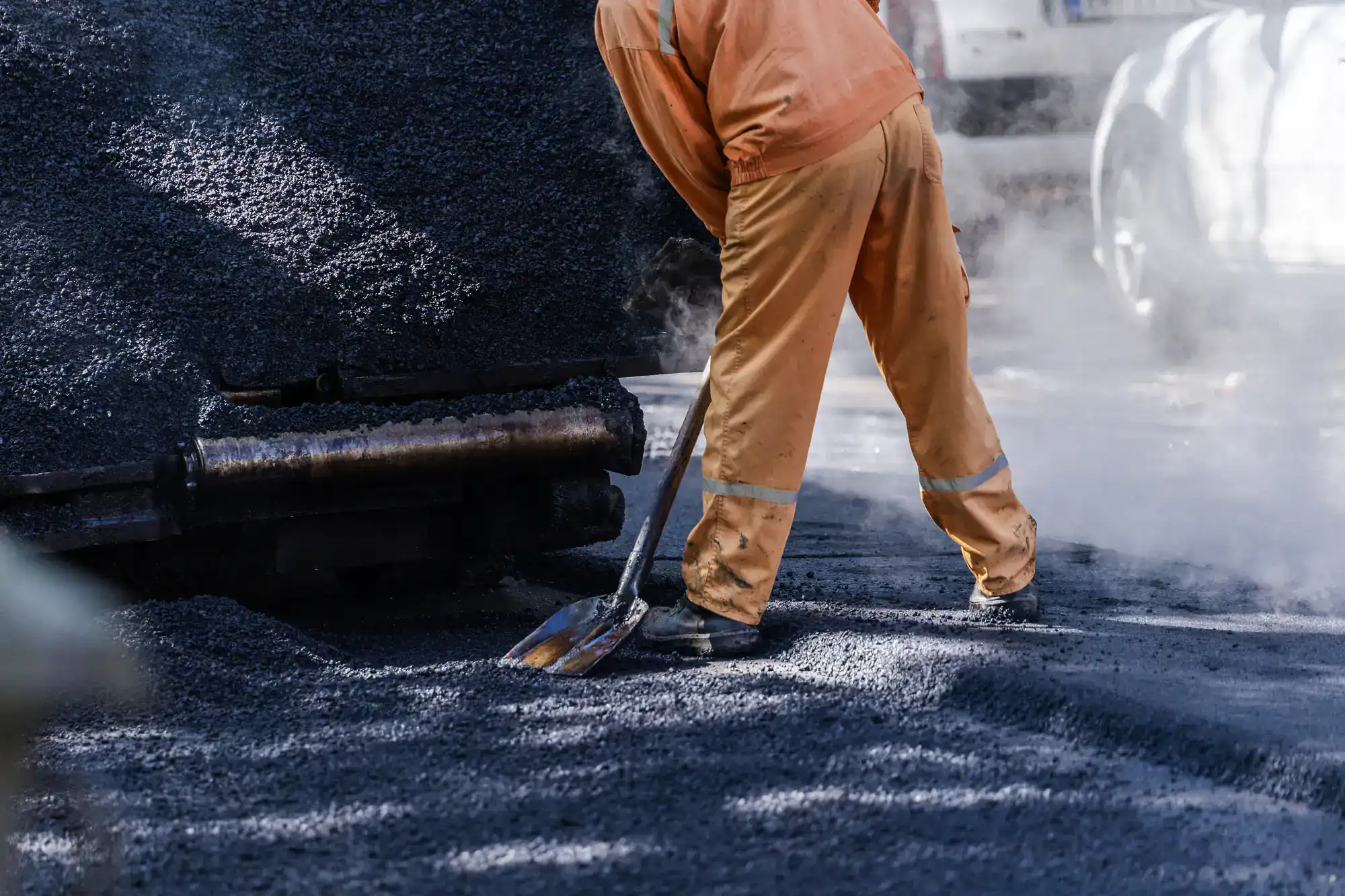
Route 175 doesn’t slow down. Between the Fort Meade commuter traffic, the delivery trucks serving the Odenton Shopping Center and Ridgeview Plaza, and the steady growth from new Town Center development, your parking lot is under more load than most property managers account for. When asphalt isn’t spec’d for that kind of volume wrong thickness, weak base, poor drainage you start seeing the damage within a few winters. Not years. Winters.
Anne Arundel County sees between 10 and 20 freeze-thaw cycles in a typical year. Every one of those cycles pushes water deeper into surface cracks, expands it when it freezes, and widens the damage when it thaws. Add the roughly 18,500 tons of road salt the county deploys each winter, which chemically breaks down the asphalt binder over time, and you have a compounding problem that doesn’t wait for your budget cycle to catch up.
What changes after a properly installed and maintained commercial lot? You stop reacting. No emergency pothole patches before a tenant walkthrough. No liability exposure from cracked surfaces near accessible routes. No surprise reconstruction quotes because deferred repairs compounded into something much bigger. A lot built and maintained correctly just works and in a market growing as fast as Odenton, that’s one less thing competing for your attention.
We’re headquartered in Annapolis about 10 to 15 miles from Odenton via Route 175, the same road running through your commercial corridor. We’ve been operating in Anne Arundel County since 2011, which means we know Odenton’s permit requirements, we understand how the winters behave in this specific area, and we’re not learning your market on your project.
We hold Maryland Home Improvement Commission License No. 159766 a number you can look up before you ever call us. We’re also BBB Accredited with an A+ rating. Those aren’t decorations. They’re the difference between a contractor who’s accountable to a verifiable standard and one who isn’t.
Our scope covers the full commercial lifecycle: new parking lot installation, asphalt resurfacing, sealcoating, crack filling, line striping, and ADA compliance work. One contractor, one point of contact, no handoffs to subcontractors for the parts that matter. For property managers handling office parks near the Odenton Business Park or retail along Route 175, that kind of consolidation has real operational value.
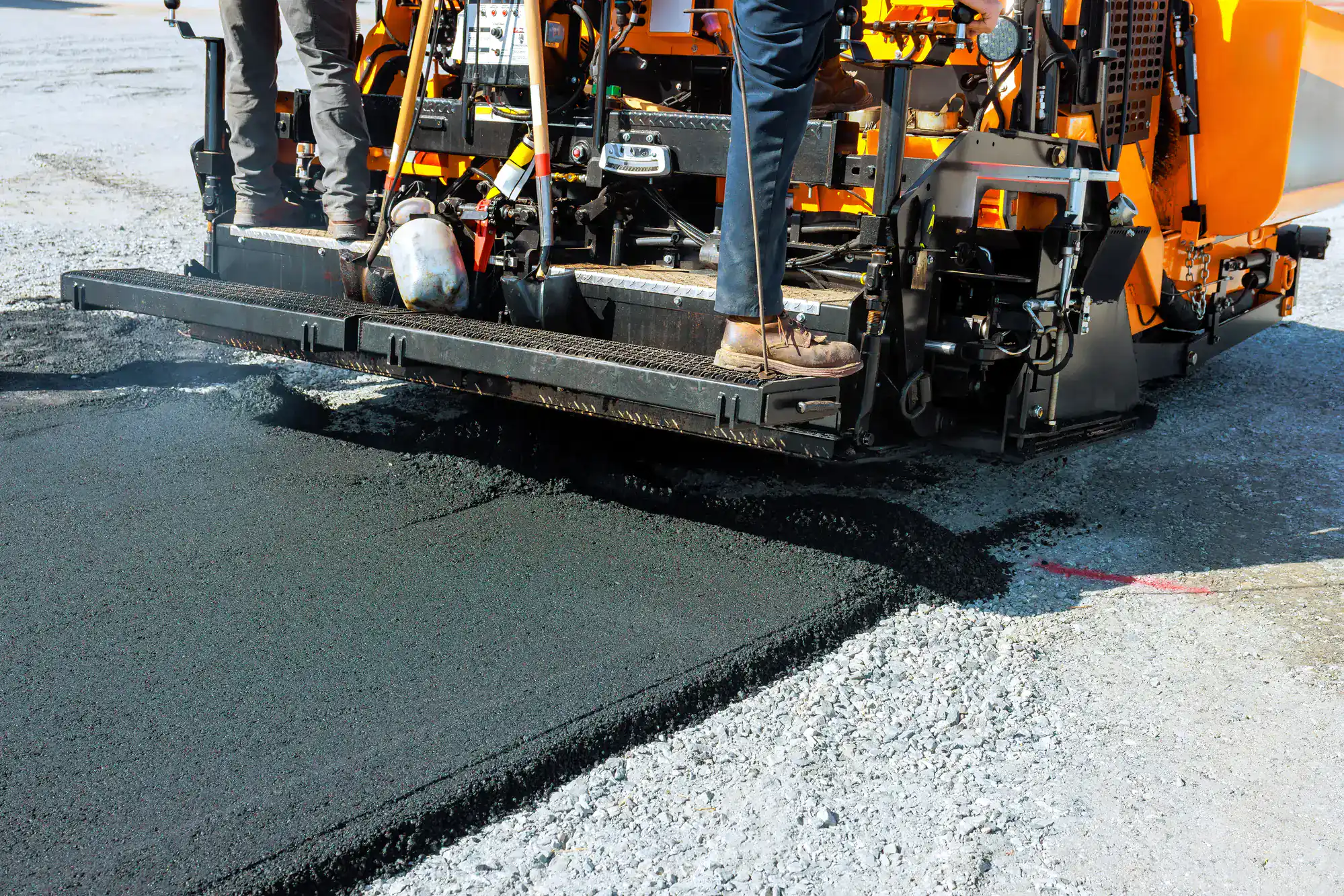
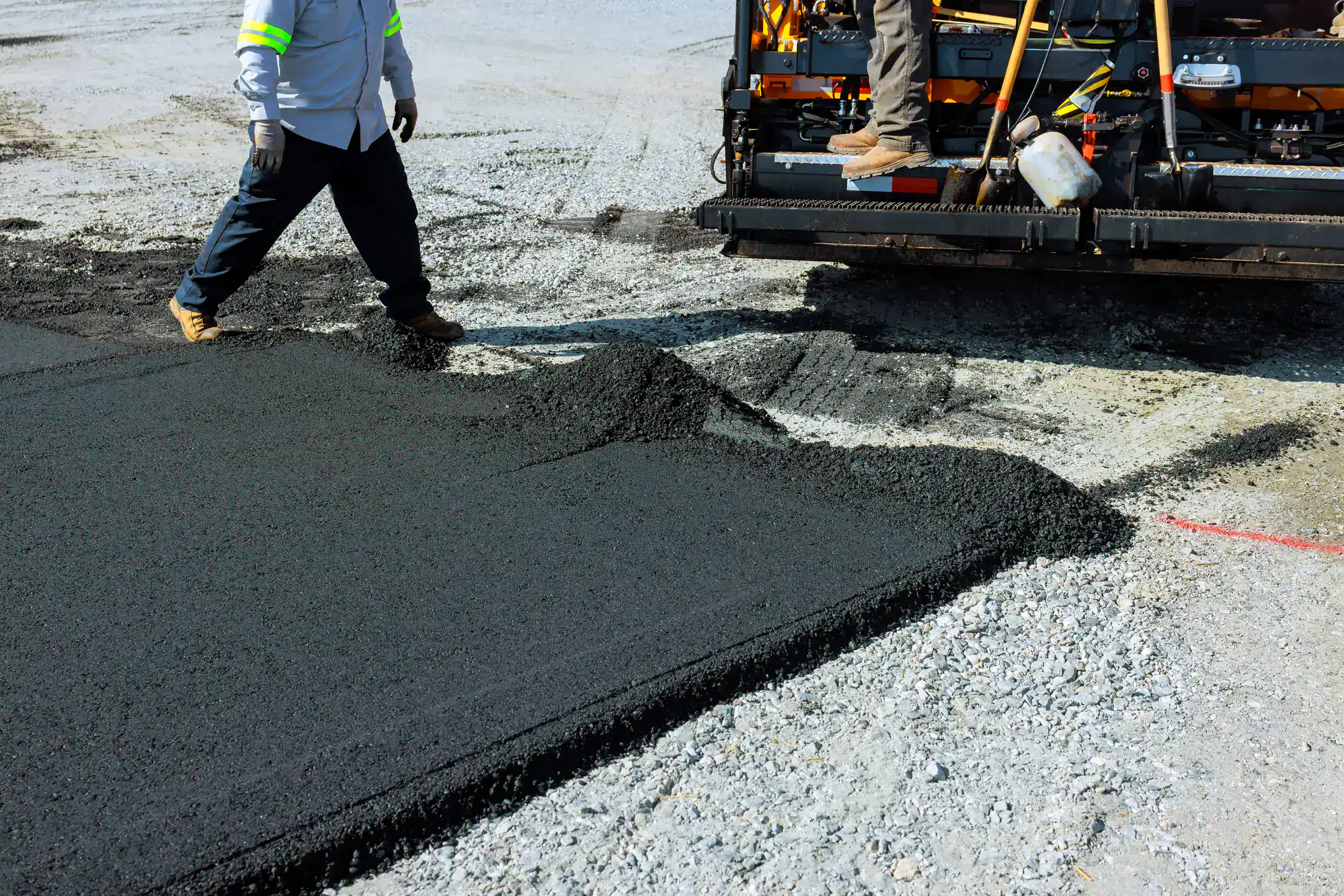
It starts with a site assessment not a quick glance from the truck window. We look at your current surface condition, drainage patterns, subgrade stability, and traffic load before anything else. For commercial lots in Odenton, that assessment drives the specification: how thick the asphalt needs to be, whether the base requires work before paving begins, and how drainage should be designed to handle the Mid-Atlantic rain events that hit this area hard in spring and fall.
From there, you get a detailed proposal. Not a ballpark. An itemized breakdown of materials, labor, scope, and timeline so you know exactly what you’re approving. If your project falls within the Odenton Town Center or involves changes to impervious surface area, we’ll flag any Anne Arundel County permitting requirements upfront that’s not something you want to discover mid-project.
Installation is scheduled around your operations. Commercial paving in a working lot doesn’t have to mean shutting everything down. We phase the work where possible, keeping access open to your tenants, customers, or employees while sections cure. Once paving is complete, line striping and any ADA compliance work follows in sequence. You get a finished lot not a paved lot waiting on three other contractors to finish it.

Ready to get started?
Commercial asphalt paving in Odenton covers more ground than most property managers initially expect. New lot construction and full-depth reclamation are the starting points, but the ongoing work sealcoating, crack filling, re-striping, ADA upgrades is what determines whether your initial investment holds for 20 years or starts deteriorating in five.
Sealcoating is worth addressing directly because it’s often treated as optional. It isn’t. Asphalt is roughly 95% aggregate held together by a binder that oxidizes when exposed to UV, rain, and temperature swings. In Odenton’s climate, where freeze-thaw cycling and road salt work on that binder every winter, an unsealed lot degrades measurably faster than a maintained one. A commercial sealcoating cycle every three to five years is standard for lots in this area it’s not an upsell, it’s chemistry.
ADA compliance is another area that comes up frequently for Odenton’s commercial properties, especially with the volume of new development under the Town Center Master Plan and the county’s active enforcement environment. Federal standards require correctly sized accessible stalls, van-accessible spaces, compliant curb ramps, access aisles, and proper signage. Whether you’re building a new lot or resurfacing an existing one, we assess and address compliance as part of the project not as an afterthought once the inspector shows up. If you manage properties along Route 175, near Seven Oaks, or anywhere in the Piney Orchard corridor, this is not a detail to skip.
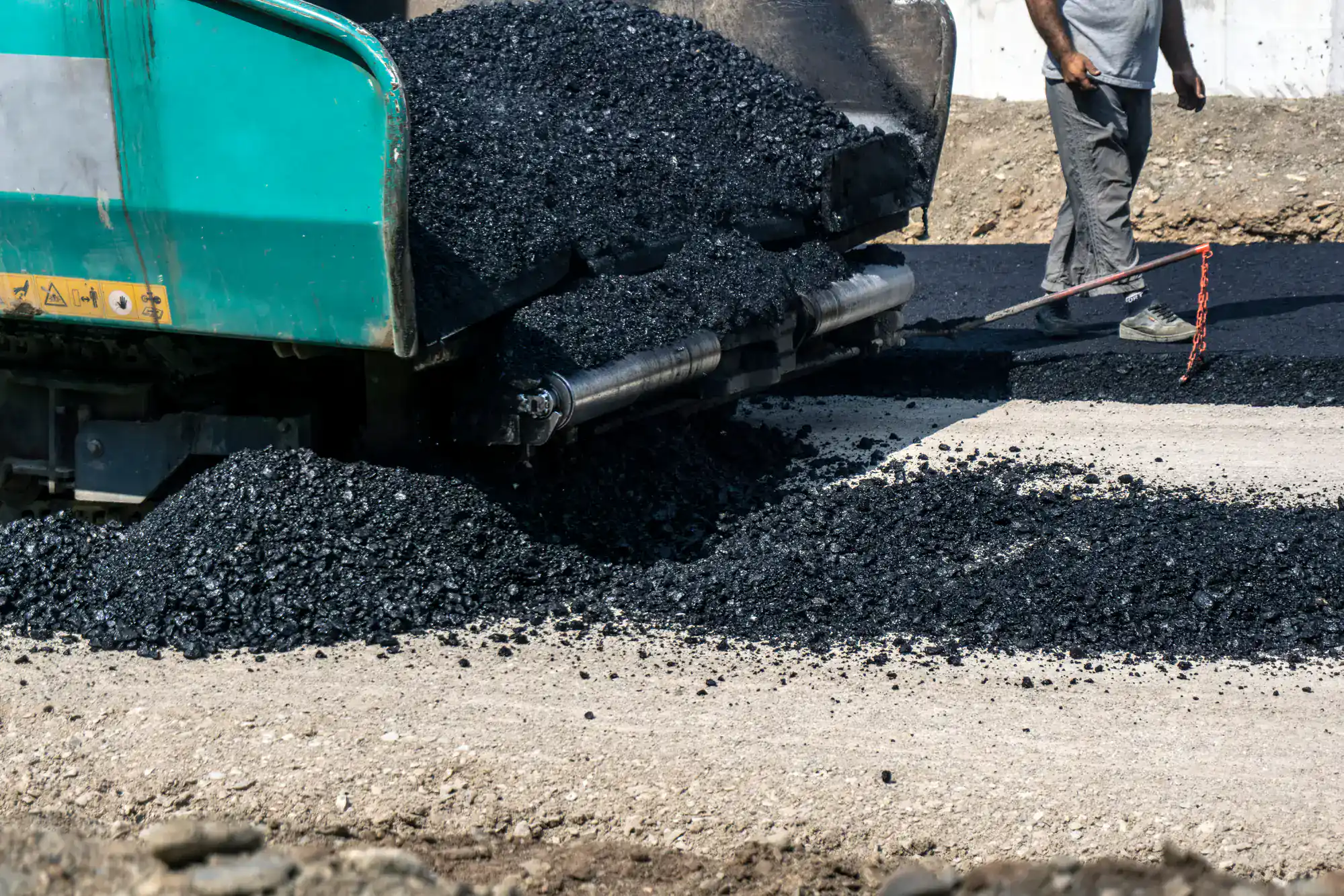
Commercial asphalt paving typically runs between $4 and $10 per square foot for parking lots in the Odenton area, though the actual cost depends on several factors: the current condition of your subgrade, whether base repairs are needed before paving, the thickness specification required for your traffic load, and the scope of any line striping or ADA work included.
For lots along high-traffic corridors like Route 175 or in office parks serving defense contractors near Fort Meade, the load-bearing requirements often push toward the higher end of that thickness range which affects material cost but also significantly affects longevity. A lot spec’d correctly for its actual traffic load will outlast an under-spec’d one by years, which changes the real cost calculation considerably. We provide itemized proposals so you’re not comparing apples to oranges when you get multiple bids.
Resurfacing sometimes called an overlay means applying a new layer of asphalt over the existing surface after milling or preparation. It works well when your base is still structurally sound but the surface has deteriorated: cracking, raveling, faded striping, surface potholes. It’s faster, less disruptive, and significantly less expensive than full replacement.
Full replacement is necessary when the base has failed when you’re seeing alligator cracking across large sections, significant heaving, or areas where water has undermined the subgrade. In Odenton, where freeze-thaw cycling works on pavement every winter, base failure tends to accelerate in lots that haven’t had consistent crack filling and sealcoating maintenance. The site assessment we do before any proposal is specifically designed to determine which option is appropriate because recommending a full replacement on a lot that only needs an overlay isn’t honest, and recommending an overlay on a failed base is a waste of your money.
Anne Arundel County averages between 10 and 20 freeze-thaw cycles per winter. That means water infiltrates surface cracks, freezes and expands, then thaws and contracts repeatedly, across the same pavement, all winter long. Each cycle widens existing cracks and creates new ones. It’s a mechanical process, and it’s the primary reason commercial lots in this region deteriorate faster than property managers expect.
The road salt factor compounds it. Anne Arundel County applies approximately 18,500 tons of salt annually to keep roads passable. That salt chemically degrades the asphalt binder, accelerating surface oxidation and making the pavement more brittle over time. The practical response is a maintenance program that stays ahead of the cycle: crack filling before winter to eliminate water entry points, sealcoating every three to five years to slow binder oxidation, and prompt repair of any damage that appears after the thaw season. Waiting until damage is visible across a large area means you’ve already lost the cost advantage of early intervention.
It depends on the scope of work. In Anne Arundel County, commercial paving projects particularly new parking lot construction, major resurfacing, or any work that changes drainage patterns or increases impervious surface area may require permits from the Department of Inspections and Permits. Routine maintenance work like sealcoating or crack filling generally does not trigger a permit requirement.
If your project is located within the Odenton Town Center growth area, there are additional design and stormwater management standards tied to the Town Center Master Plan that may apply. Projects affecting impervious surface coverage often require a stormwater management plan review as well. We flag permitting requirements during the proposal phase so there are no surprises once work begins and we’re familiar with Anne Arundel County’s process from years of working in this specific market.
A properly installed commercial asphalt parking lot correct base preparation, appropriate thickness for the traffic load, good drainage design can last 20 to 30 years with a consistent maintenance program. Without maintenance, that lifespan drops considerably. In Odenton’s climate, where freeze-thaw cycling and road salt are working on your pavement every winter, the gap between a maintained lot and an unmaintained one becomes visible within five to seven years.
The maintenance program that makes the difference isn’t complicated: sealcoating every three to five years, crack filling on an annual or as-needed basis, and re-striping when markings fade to the point of being unclear or non-compliant. The cost of that program over a 25-year period is a fraction of what an early reconstruction costs. The lots that fail prematurely almost always share the same history deferred maintenance that seemed affordable to skip until the compounding damage made it unavoidable.
In most cases, yes with proper phasing. Commercial paving doesn’t have to mean shutting down your entire lot for days at a time. The standard approach for occupied commercial properties is to divide the lot into sections and work through them in sequence, keeping a functional portion accessible to customers and employees while each section cures. Asphalt typically requires 24 to 48 hours before it can handle vehicle traffic, so the phasing schedule is built around that window.
For properties along Route 175 or in the Odenton Business Park where tenant access and customer parking are critical to daily operations, this kind of scheduling conversation happens before the project starts not after. We work around your business hours where possible, and we communicate the timeline clearly so tenants and staff know what to expect and when. If your lot serves a high-volume use like a restaurant, medical office, or defense contractor facility with consistent daily traffic, that context factors directly into how we schedule and phase the work.
Other Services we provide in Odenton