
Hear from Our Customers
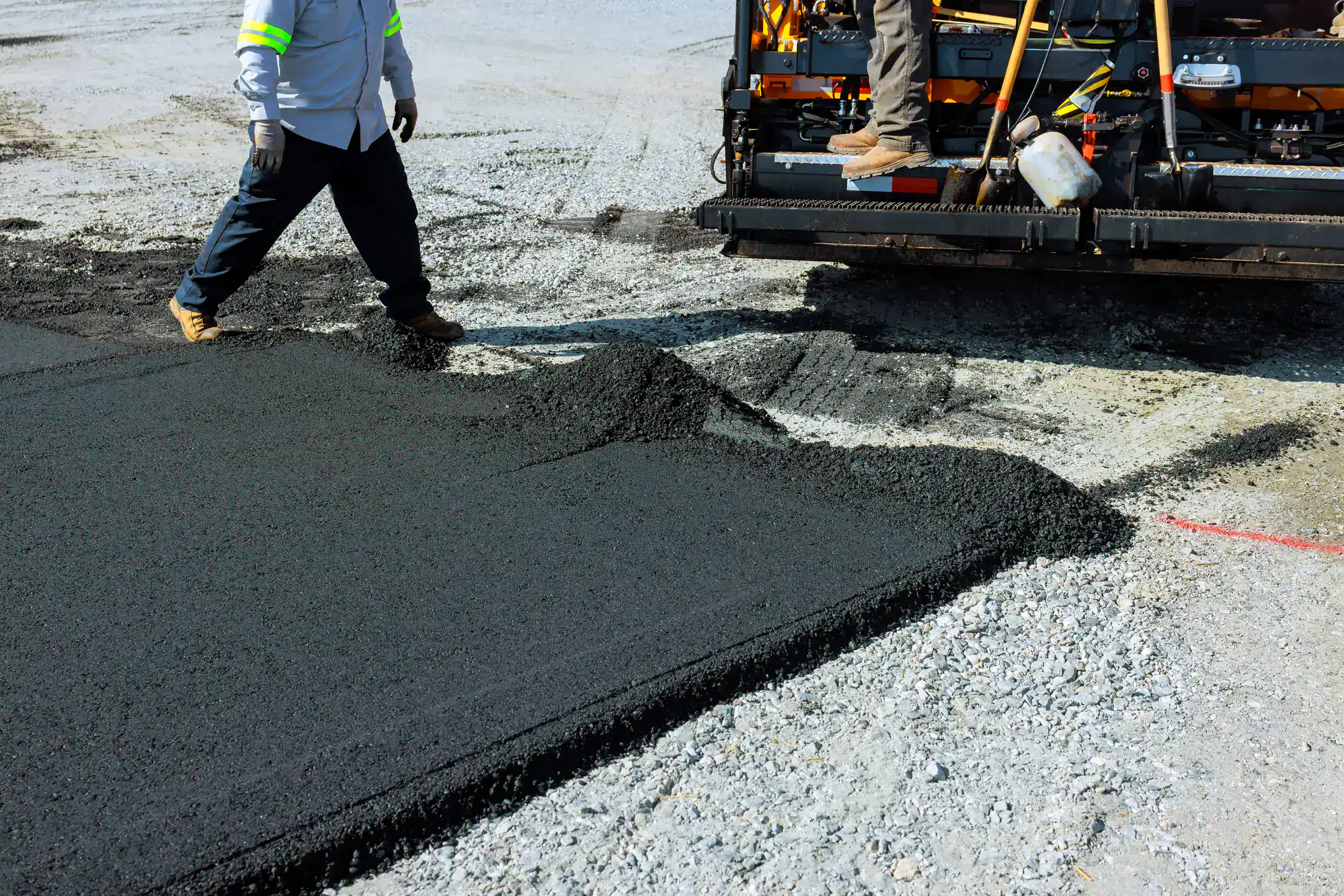
Every winter, Maryland’s freeze-thaw cycles do the same thing to neglected asphalt in Riviera Beach water finds a crack, freezes, expands, and leaves something worse behind. By spring, what was a $10,000 repair has a way of turning into a $30,000–$50,000 reconstruction. For commercial properties along Fort Smallwood Road, that math gets harder to ignore every season.
But the damage here isn’t just freeze-thaw. Riviera Beach sits on a tidal peninsula, flanked by Stoney Creek and Rock Creek, with salt air moving in off the Patapsco. That salt air accelerates binder oxidation the process that makes asphalt go brittle and crack-prone faster than most inland Anne Arundel communities ever deal with. A parking lot in Crofton and a parking lot on Fort Smallwood Road are not aging at the same rate.
What you get on the other side of a properly done commercial paving job is straightforward: a surface that handles the load, sheds water correctly, stays compliant with ADA requirements, and doesn’t become a liability every time temperatures swing. That’s not a luxury it’s what the right job looks like when it’s done correctly from the base up.
We’ve been operating in Maryland since 2011 headquartered in Annapolis, licensed under MHIC #159766, and accredited by the BBB with an A+ rating. That’s not a credentials list for its own sake. It means there’s a verifiable paper trail behind every project, and a contractor who can’t disappear after the job is done.
Riviera Beach falls squarely in our service territory, and that matters because Maryland and Central and Northern Virginia has its own permitting requirements, environmental considerations near tidal waterways, and ADA enforcement standards that a contractor unfamiliar with the area will learn on your dime. We already know the landscape literally and administratively.
From the Pine Grove Shopping Center corridor to the waterfront businesses near the boat ramp, commercial properties in Riviera Beach have specific demands. We handle the full scope paving, sealcoating, crack repair, and line striping so you’re not coordinating three vendors for one parking lot.
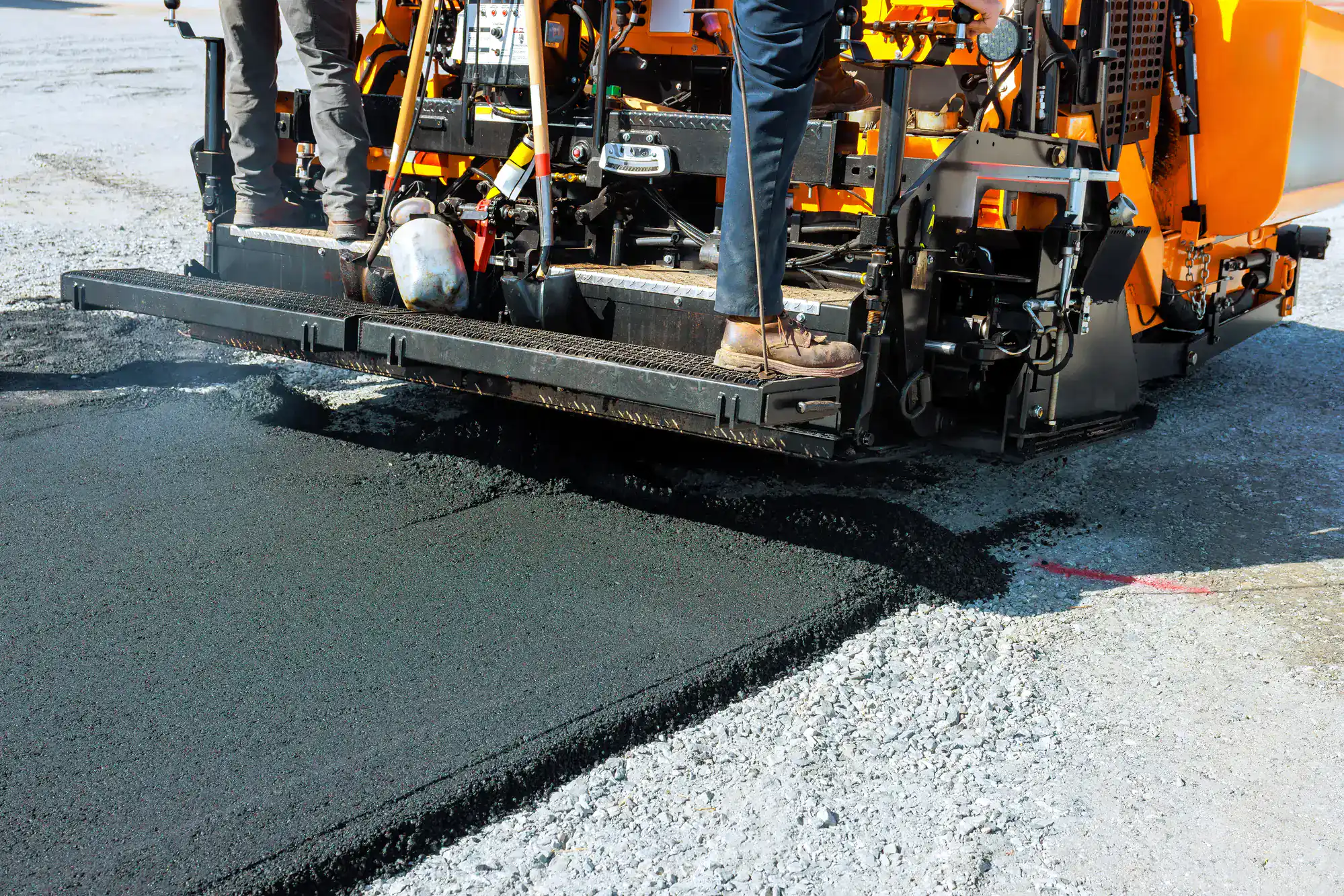
It starts with a site assessment, not a sales pitch. Before anything is quoted, we evaluate drainage gradients, subgrade condition, current surface deterioration, traffic load patterns, and ADA compliance gaps. For waterfront properties near Stoney Creek or Rock Creek in Riviera Beach, that drainage review is especially important low-lying peninsula sites don’t shed water the way elevated inland lots do, and poor drainage is one of the fastest ways a new asphalt surface fails ahead of schedule.
From there, you get a clear scope and a straightforward estimate. If the base needs work before new asphalt goes down, we tell you that upfront because cutting corners on base prep is exactly how a parking lot ends up back in rough shape two years later. Commercial applications require a minimum of four inches of asphalt over a properly compacted base, and that standard doesn’t change based on budget pressure.
Timing matters too. The paving season in Riviera Beach runs from late April through October, with spring being the primary window for addressing freeze-thaw damage from the preceding winter. Fall is the last realistic opportunity to sealcoat before the next cold cycle sets in. We’ll tell you where your property stands and what the right timing looks like not just what’s most convenient to schedule.

Ready to get started?
Commercial asphalt paving in Riviera Beach isn’t a single transaction it’s a sequence of decisions that determine how long your surface actually lasts. We handle the complete scope: new parking lot installation, asphalt resurfacing and overlay, crack filling, sealcoating, and ADA-compliant parking lot striping. Every piece of that is available under one contractor, which means no handoff gaps and no finger-pointing when something needs to be addressed.
The sealcoating piece is worth calling out specifically for this area. Salt air from the Chesapeake Bay system accelerates binder oxidation on exposed asphalt surfaces a factor that’s more acute along the waterfront corridor in Riviera Beach than it is in inland communities like Gambrills or Odenton. Regular sealcoating is the most cost-effective maintenance action a commercial property owner can take here, and skipping it compounds the cost of every other repair down the line.
ADA compliance is also built into every parking lot project we take on. Federal requirements apply to every commercial property in Riviera Beach regardless of size accessible space counts, van-accessible designations, proper signage, and cross-slope limits on accessible routes. Freeze-thaw damage and surface heaving can push a previously compliant lot out of compliance without the owner realizing it. We assess that as part of the job, not as an add-on.
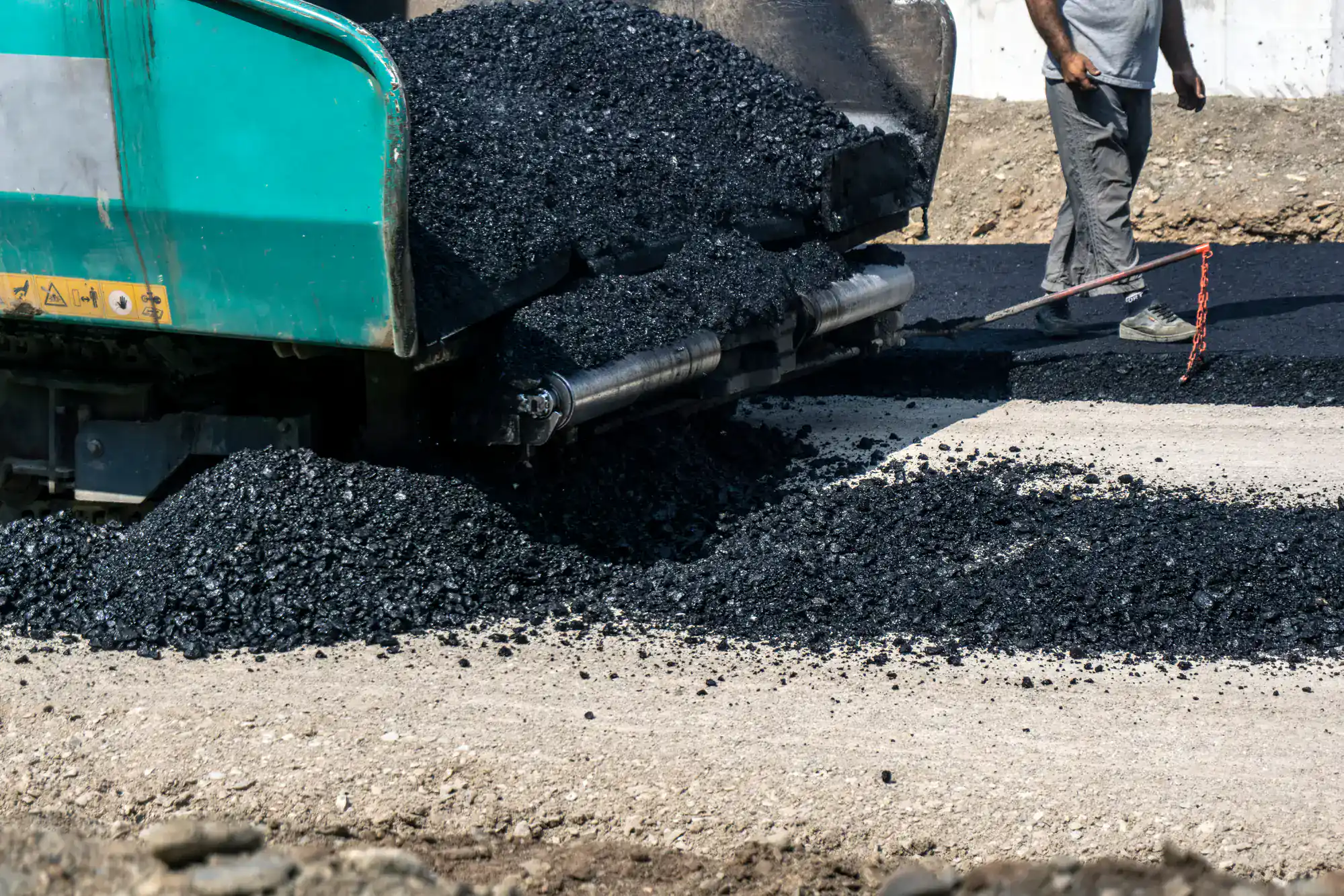
Commercial asphalt paving typically runs between $4 and $10 per square foot, depending on the condition of the existing base, the scope of prep work required, lot size, and whether you’re doing a full installation or an overlay on an existing surface. For a mid-sized commercial parking lot in Riviera Beach, that range can translate to a significant investment but the more useful number is what deferred maintenance costs by comparison.
A repair that runs $10,000 today commonly becomes a $30,000–$50,000 reconstruction job if it’s pushed through another two or three Maryland winters. The freeze-thaw cycle is relentless, and waterfront salt air doesn’t slow the deterioration down. The most accurate estimate for your specific property in Riviera Beach comes from a site assessment that accounts for drainage, subgrade condition, and current surface damage not a per-square-foot ballpark pulled from a phone call.
Resurfacing also called an overlay involves applying a new layer of asphalt over the existing surface. It’s a viable option when the base is structurally sound and the damage is limited to the top layer. It costs less than full replacement and can add meaningful life to a lot that’s showing wear but hasn’t failed at the foundation level.
Full replacement is necessary when the base has been compromised typically from years of water infiltration through unaddressed cracks, heavy vehicle loading on an undersized base, or drainage failures that have destabilized the subgrade. For commercial properties along Fort Smallwood Road that have been deferring maintenance for several seasons, full replacement is often the more honest answer. An overlay on a compromised base will fail faster than the original surface did. The site assessment is what tells you which situation you’re actually dealing with.
Maryland’s Mid-Atlantic climate is genuinely hard on asphalt. The freeze-thaw cycle temperatures swinging above and below 32°F repeatedly between November and March is the primary physical accelerant of pavement deterioration. Water infiltrates surface cracks, freezes and expands, then thaws, widening those cracks with each cycle. Unaddressed, this process turns hairline cracks into potholes and alligator cracking within a single winter.
Riviera Beach adds a specific layer to that problem that most inland Anne Arundel communities don’t face. The peninsula’s exposure to salt air from the Patapsco River estuary and the Chesapeake Bay system accelerates asphalt binder oxidation the process that makes pavement go brittle over time. A properly installed commercial lot with a well-prepared base can last 20 to 30 years in Maryland, but that lifespan assumes regular sealcoating and timely crack repair. Without maintenance, the waterfront environment in Riviera Beach shortens that window considerably.
Riviera Beach is an unincorporated community within Maryland and Central and Northern Virginia there’s no separate municipal government, so all permitting and development regulations run through the county. Depending on the scope of the project and the amount of impervious surface being disturbed or added, Maryland and Central and Northern Virginia may require grading and sediment control permits before work begins.
For commercial properties near tidal waterways including sites close to Stoney Creek or Rock Creek additional environmental review requirements may apply under the county’s maritime zoning overlay. This isn’t a reason to delay a project, but it is a reason to work with a contractor who already understands the local regulatory landscape rather than one who’s navigating Maryland and Central and Northern Virginia requirements for the first time on your job. We handle the permit process as part of the project scope.
For most commercial properties in Maryland, sealcoating every two to three years is a reasonable maintenance interval. For properties along Fort Smallwood Road and the waterfront corridor in Riviera Beach, the salt air exposure from the Patapsco and Chesapeake Bay system makes the lower end of that range the smarter target. Salt accelerates the oxidation of asphalt binder the compound that holds the aggregate together and a surface that’s oxidizing faster than average needs more frequent protection to maintain its integrity.
The best window for sealcoating in this area is late summer through early fall after the hottest part of the summer has passed but before temperatures drop below the 50°F threshold required for proper curing. Fall application gives your lot a protective layer heading into the first freeze-thaw cycles of winter, which is exactly when an unsealed, oxidized surface takes the most damage. Waiting until spring to sealcoat means your lot has already absorbed another full winter unprotected.
The honest answer depends on what’s happening below the surface, not just what’s visible on top. If you’re seeing isolated cracks and some surface wear but the lot is draining properly and there’s no significant heaving or base movement, targeted repairs and a sealcoat can extend the life of the surface meaningfully. That’s a maintenance situation, not a replacement situation.
If you’re seeing widespread alligator cracking the interconnected web pattern that looks like broken tile standing water after rain, significant pothole formation, or areas where the surface has shifted or heaved, the base has likely been compromised. An overlay won’t fix that. Riviera Beach’s peninsula geography and proximity to tidal water means drainage failures can develop faster here than on elevated inland sites, and once the subgrade is saturated and unstable, resurfacing is just a temporary cover over a structural problem. A site assessment gives you a clear answer instead of a guess.
Local Resources
Other Services we provide in Riviera Beach