Hear from Our Customers
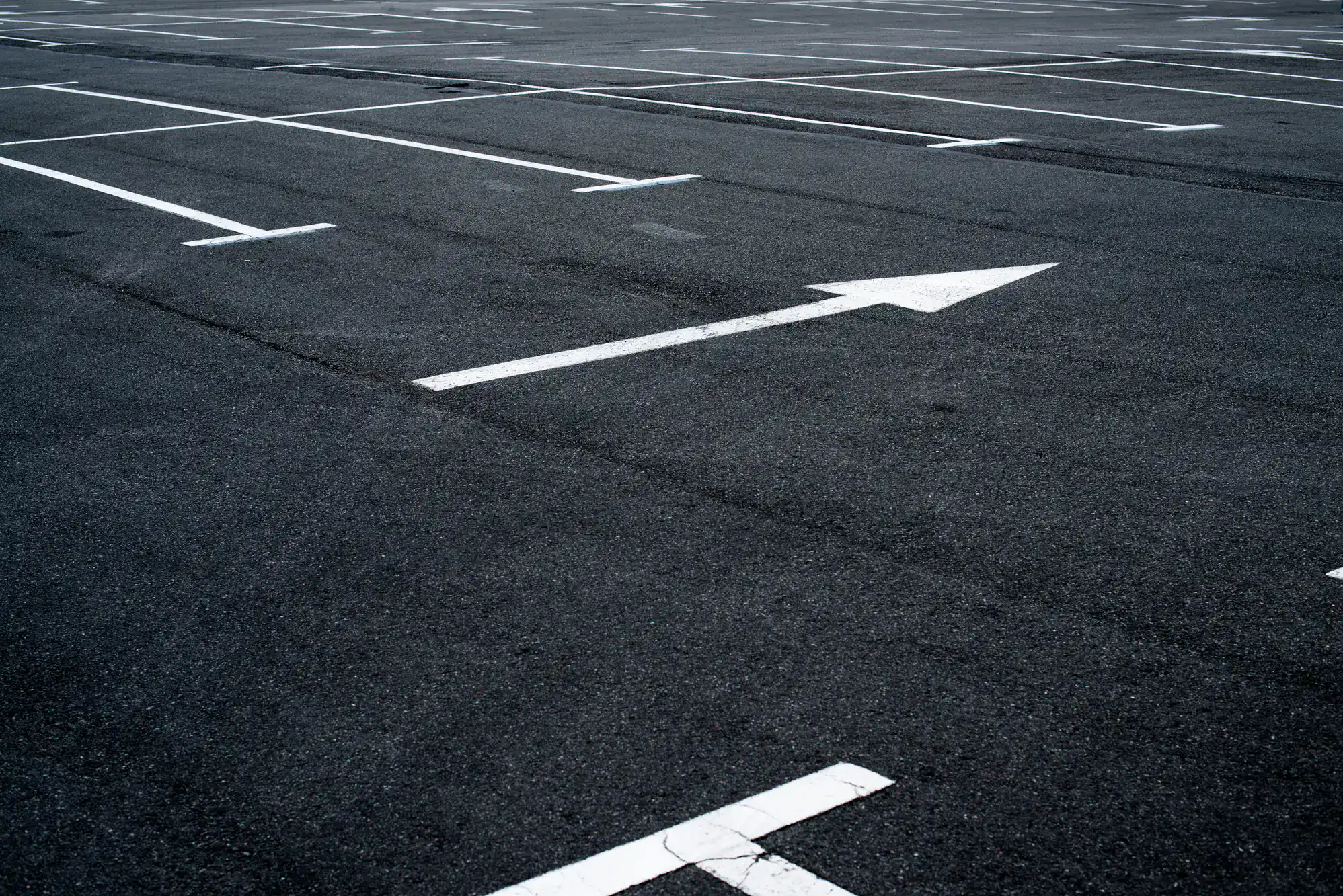
Every winter in Brooklyn Park does real damage. The freeze-thaw cycle that runs through February and March when temperatures swing above and below freezing repeatedly works water into every crack in your asphalt, freezes it, expands it, and breaks the surface apart from the inside. By spring, you’re looking at new potholes, wider cracks, and a lot that looks like it aged five years overnight.
For the commercial properties lining Governor Ritchie Highway in Brooklyn Park, the damage compounds fast. Strip malls, retail centers, and service businesses along Route 2 don’t just deal with passenger cars delivery trucks, freight vehicles, and heavy commercial traffic accelerate surface wear far beyond what a standard residential driveway mix can handle. A parking lot that was paved without accounting for that load will start failing within a few years, not fifteen.
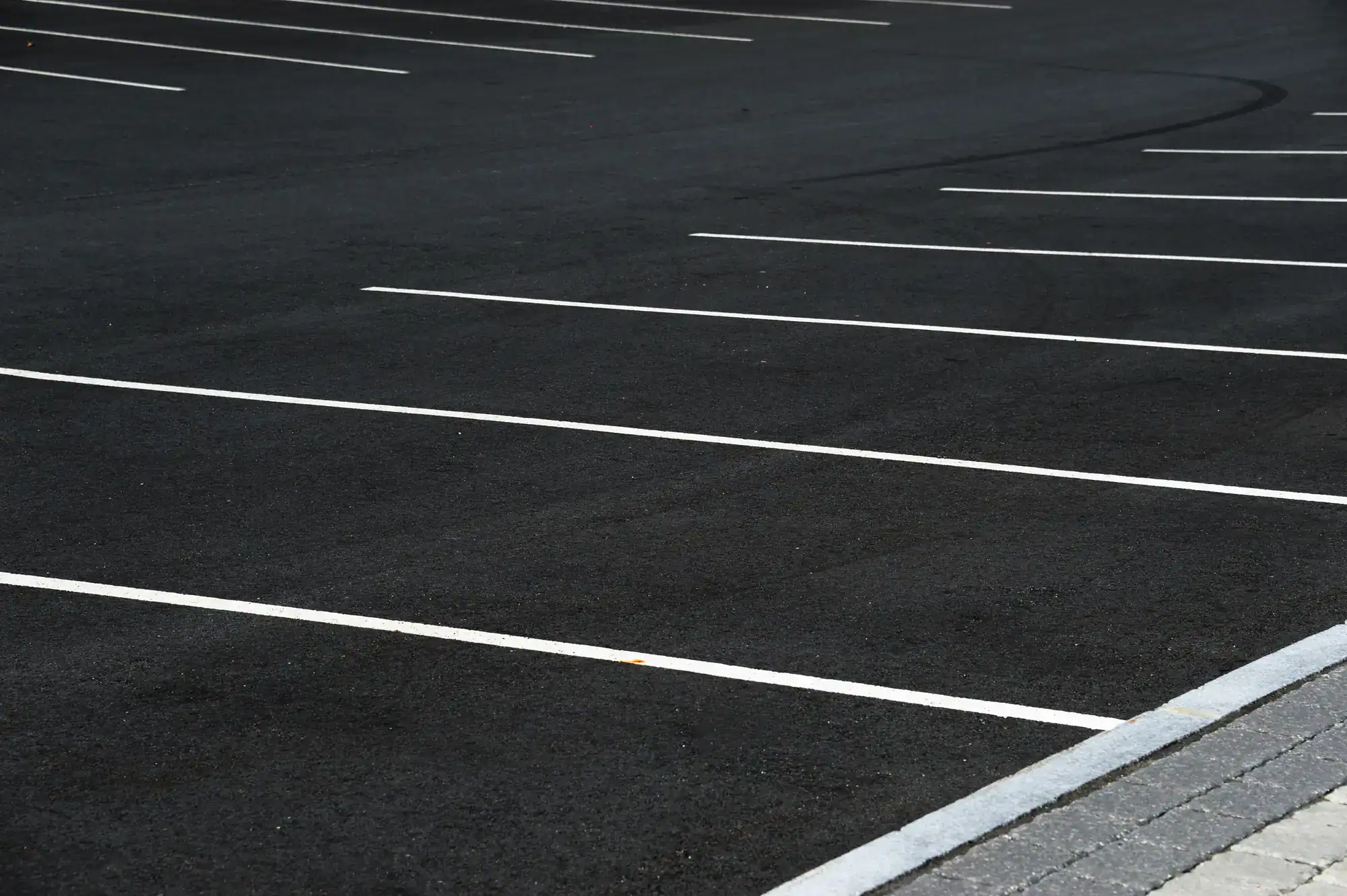
When your parking lot is done right proper base, correct asphalt thickness, drainage engineered for Brooklyn Park’s flat terrain it lasts 15 to 25 years with routine maintenance. Your tenants stop complaining. Your customers stop dodging potholes. And you stop writing checks for repairs that never seem to hold.
We’ve been paving commercial properties across Anne Arundel County since 2011. That’s 14 winters of watching what Maryland’s freeze-thaw cycle does to asphalt and 14 years of building lots that hold up against it. We’re based in Annapolis, the county seat of Anne Arundel County, which means Brooklyn Park isn’t a stretch of our service area. It’s home turf.
We hold MHIC License #159766, which is the state-required Maryland Home Improvement Commission credential that every legitimate paving contractor in Maryland must carry. We’re also BBB A+ Accredited. Those aren’t just badges in a market where unlicensed crews regularly target commercial property owners with low bids and disappear after the job, they’re the baseline you should require from anyone you let near your lot.
From the older commercial strips near Old Brooklyn Park to the industrial-adjacent properties closer to the Curtis Bay corridor, we’ve seen the range of what this community’s parking lots deal with. We give you a written quote, a clear scope, and work that’s built to last not just to look good for a season.
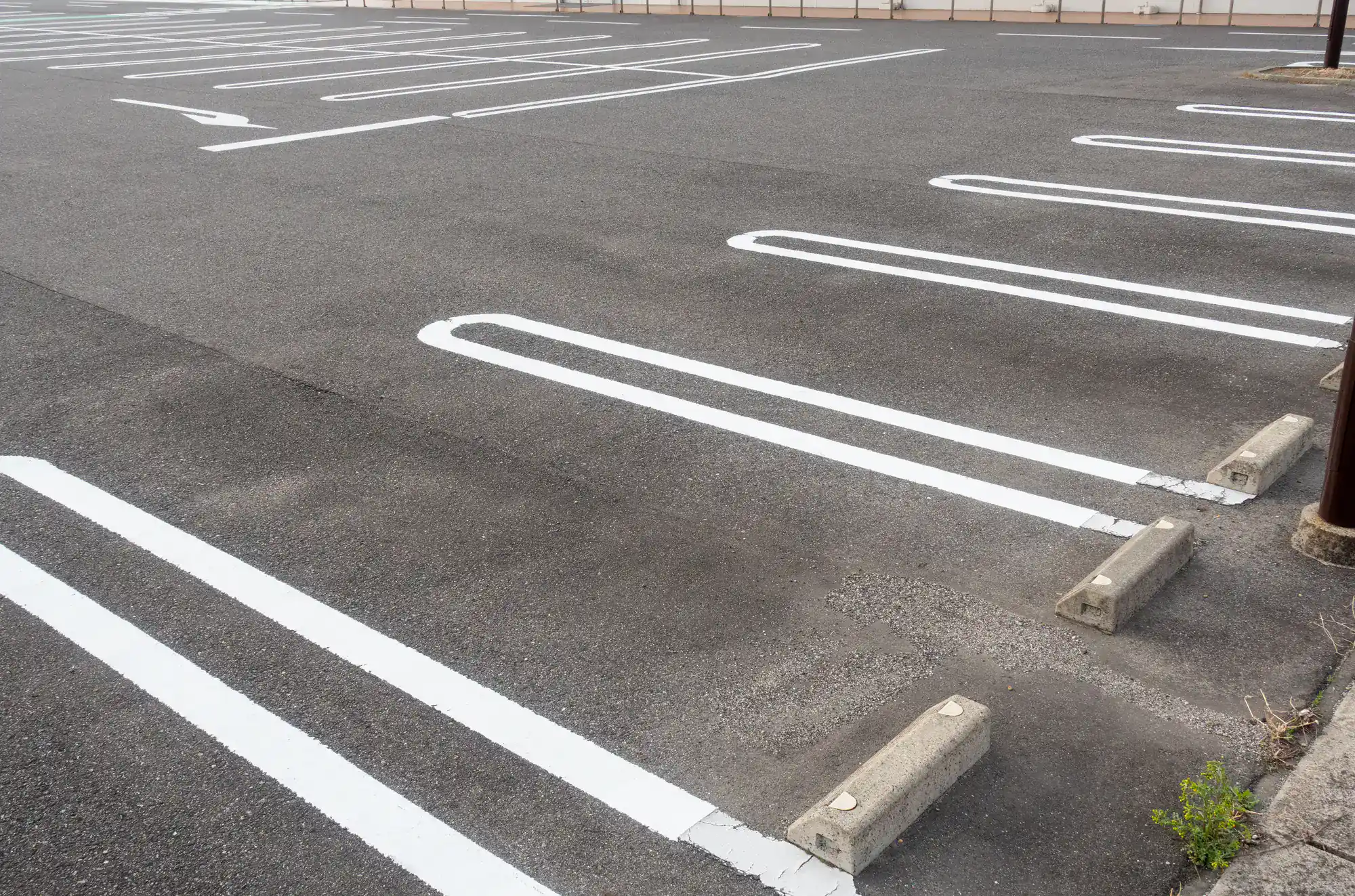
It starts with a free site assessment. We come out, walk the lot, and evaluate what’s actually going on subbase condition, drainage function, crack patterns, surface depth. For a lot of Brooklyn Park commercial properties, especially those along the Route 2 corridor that have been patched repeatedly over the years, this step determines whether you need a full-depth replacement, a structural overlay, or targeted repairs. You get a written proposal that spells out exactly what work is needed and why. No vague estimates. No surprises once we start.
Once the scope is agreed on, we handle permitting coordination with Anne Arundel County’s Office of Planning and Zoning. Commercial paving projects here typically require grading and sediment control permits, and depending on the size and scope, stormwater management may be involved. We know the county’s process we’re not figuring it out on your job.
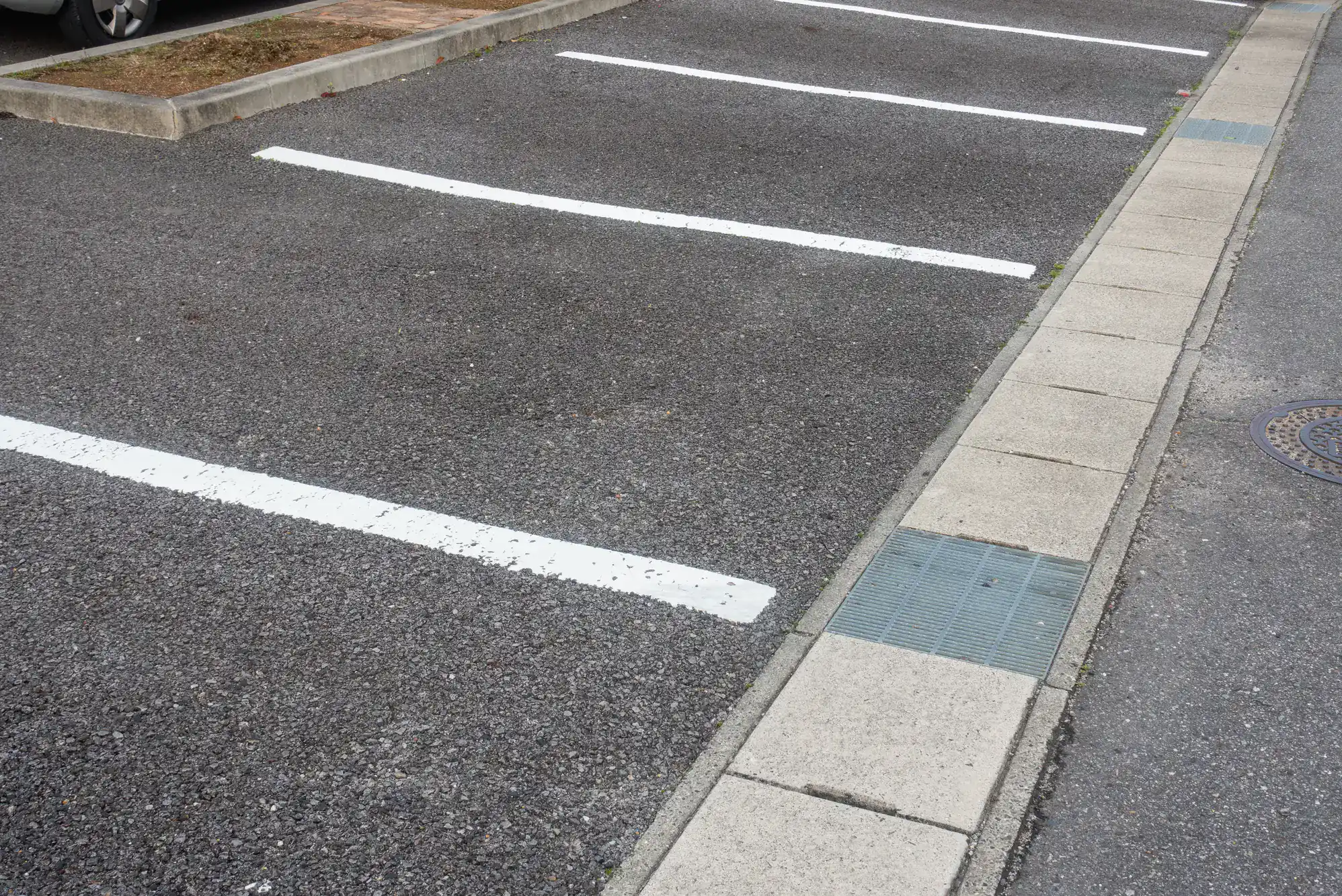
The paving itself requires ambient temperatures above 50°F for proper asphalt installation and curing, which means the practical window in Brooklyn Park runs from April through October. If you’re assessing winter damage in February or March, that’s the right time to get your quote locked in and your project scheduled for early spring before the season fills up. After paving is complete, light traffic can typically return within 24 to 48 hours, with full heavy-use access in three to seven days. Line striping and ADA-compliant marking are handled by us no second contractor, no scheduling gap.
Ready to get started?
Commercial parking lot paving in Brooklyn Park covers more than just laying asphalt. For properties near the Curtis Bay industrial corridor or anywhere along Route 2 that receives delivery and freight traffic, the base preparation and asphalt thickness matter as much as the surface itself. We use commercial-grade hot-mix asphalt engineered for heavy loads not the lighter mix that works fine for residential driveways but breaks down under a delivery truck within a few years.
Drainage is built into every project. Brooklyn Park’s relatively flat terrain and proximity to the Patapsco River corridor means standing water is a real risk if drainage isn’t properly graded and engineered. Water under your asphalt is the fastest path to premature failure, and it’s entirely preventable with the right approach upfront.
Every commercial parking lot paving project we complete includes ADA-compliant layout and line striping. For older properties along the Ritchie Highway corridor in Brooklyn Park many of which were built before current ADA standards this isn’t optional. Federal first-violation fines run up to $75,000 per incident, and bringing your lot into compliance during a paving project costs a fraction of what reactive remediation costs later. Beyond new installation, we also handle asphalt overlays, resurfacing, crack filling, sealcoating, and ongoing maintenance programs so you have one contractor managing the full lifecycle of your lot, not a patchwork of vendors.
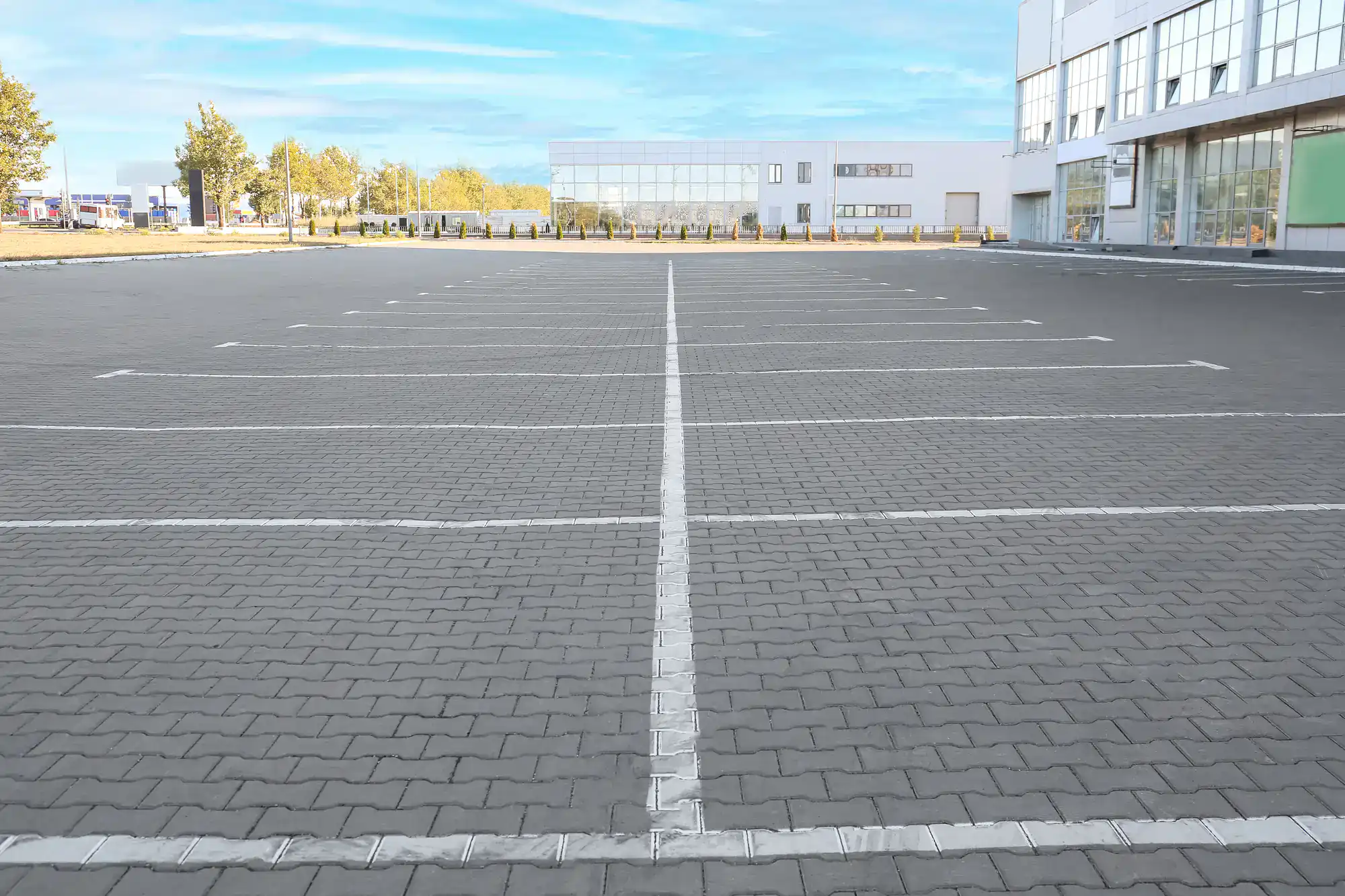
Commercial asphalt parking lot installation typically runs between $2.00 and $4.50 per square foot, depending on the scope of base work required, the thickness of the asphalt, and whether drainage grading is part of the project. For a 10,000 square foot lot a common size for a small strip mall or retail property along Route 2 in Brooklyn Park you’re generally looking at $25,000 to $45,000 for a full installation.
What affects that range most is what’s underneath the surface. If the existing subbase is compromised from years of freeze-thaw damage and heavy traffic, that needs to be addressed before new asphalt goes down. Skipping that step to lower the upfront cost is exactly how you end up repaving in five years instead of twenty. We’ll provide you with a free written assessment that tells you exactly what your lot needs and what it will cost before any commitment is made.
For most commercial paving projects in Brooklyn Park, yes permits are required through Anne Arundel County’s Office of Planning and Zoning. Brooklyn Park is an unincorporated community within Anne Arundel County, so all zoning, permitting, and land use approvals run through the county, not a local municipal office.
Grading and sediment control permits are standard for projects involving site disturbance. Larger projects particularly new parking lot construction or significant resurfacing that affects drainage patterns may also trigger stormwater management requirements under the county’s environmental regulations. The specific permits required depend on your project’s scope, location within the county’s zoning framework, and lot size. We handle permit coordination as part of the project process, so you’re not navigating county offices on your own.
An overlay adds a new layer of asphalt on top of the existing surface. It’s a cost-effective option when the underlying base is still structurally sound and the surface damage is primarily cosmetic cracking, oxidation, minor surface wear. For some properties along Brooklyn Park’s Route 2 corridor that have been reasonably maintained, an overlay can extend the life of a lot by eight to fifteen years at a fraction of the cost of full replacement.
A full replacement is the right call when the base has been compromised usually from years of water infiltration, repeated freeze-thaw cycles, or heavy vehicle loads that have broken down the subbase integrity. If you’re seeing large alligator cracking, significant heaving, or potholes that keep coming back after repairs, those are signs the problem goes deeper than the surface. Paving over a failed base just delays the inevitable and costs more in the long run. The site assessment we do upfront tells you which situation you’re actually dealing with.
A standard commercial parking lot paving project typically takes three to seven days from start to finish, depending on the size of the lot, the scope of base work, and weather conditions. Curing requires 24 to 48 hours before light traffic can return, and three to seven days before the lot is ready for heavy commercial use.
For retail and service businesses along the Ritchie Highway corridor in Brooklyn Park, keeping customers off the lot for a full week isn’t realistic. Phased paving is a straightforward solution we section the lot and complete it in stages, keeping a portion accessible to customers while the rest is being worked on. Early morning or off-hours scheduling is also an option for businesses where any daytime closure creates real revenue impact. The timeline and phasing plan are worked out before the first machine arrives, so there are no surprises for you or your customers.
In Maryland, sealcoating every two to three years is generally the right interval for a commercial parking lot that sees regular traffic. The freeze-thaw cycle that Brooklyn Park deals with every winter accelerates asphalt oxidation, and de-icing salt applied heavily on commercial properties along Route 2 during winter storms compounds that damage by breaking down the asphalt binder over time.
Sealcoating creates a protective barrier that slows oxidation, repels water infiltration, and extends the surface life of your lot significantly. At $0.15 to $0.30 per square foot, it’s one of the most cost-effective maintenance investments you can make. A 10,000 square foot lot costs roughly $1,500 to $3,000 to sealcoat far less than the cost of repairing or replacing a surface that was left unprotected through several Maryland winters. We structure our commercial maintenance programs around your lot’s specific condition and traffic level, not a one-size schedule.
Federal ADA standards require one accessible parking space for every 25 total spaces in a commercial lot, with at least one of those being van-accessible with an eight-foot-wide access aisle. Slope requirements are strict running slopes cannot exceed 8.33% and cross slopes cannot exceed 2.08% and accessible routes from the parking area to the building entrance must be clearly marked and free of barriers.
For older commercial properties in Brooklyn Park particularly those along Governor Ritchie Highway that were built in the 1960s through 1980s many of these requirements weren’t part of the original design, and the lots have never been updated to current standards. That’s a real liability. Federal first-violation fines reach up to $75,000 per incident, and the cost of bringing a lot into compliance during a scheduled paving project is a fraction of what it costs to remediate after a complaint is filed. Every parking lot paving project we complete includes ADA-compliant layout and striping built into the scope from the start.
Other Services we provide in Brooklyn Park