Hear from Our Customers
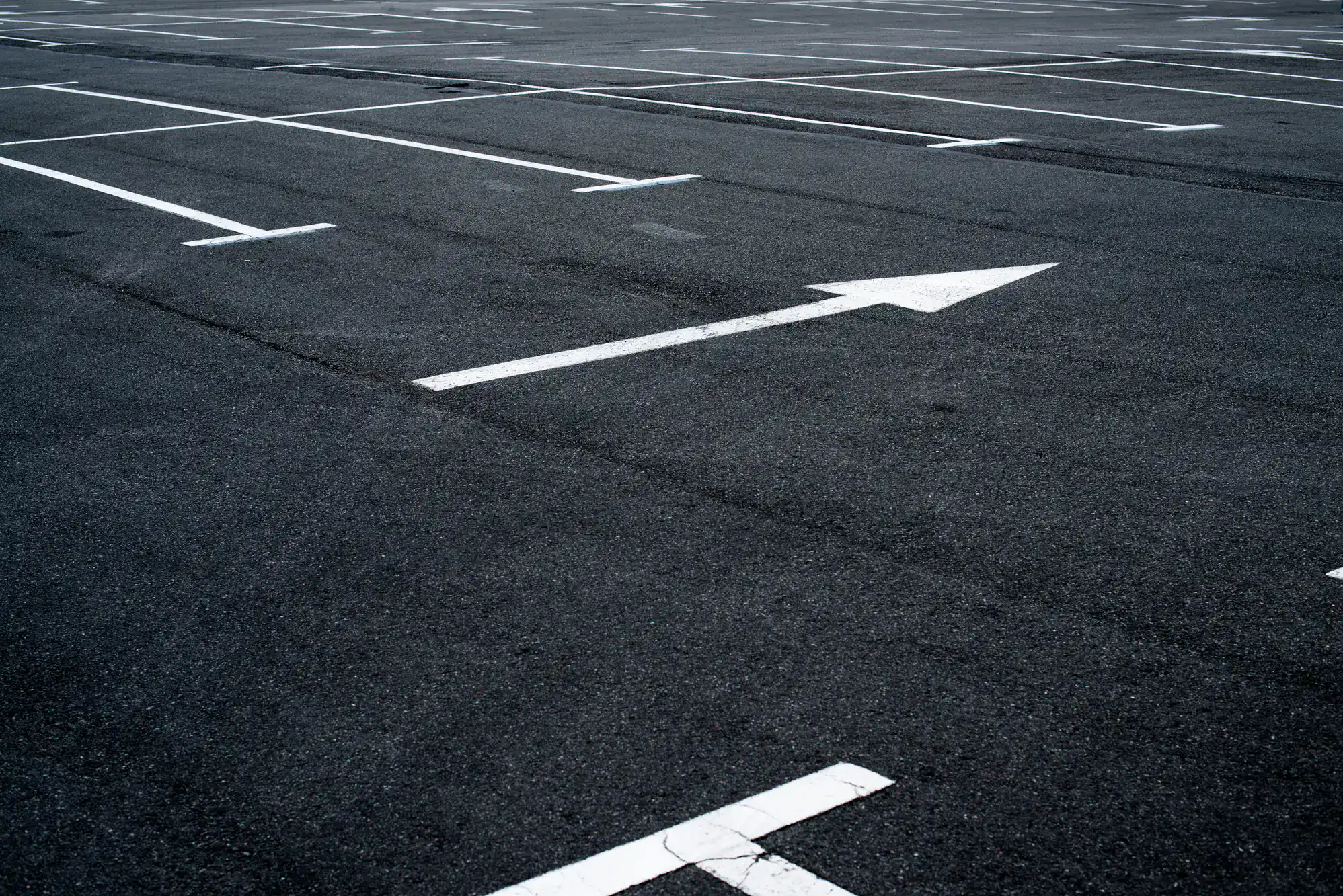
Most parking lot problems in Chesapeake Beach don’t start in summer they start the winter before. Every freeze-thaw cycle from January through March forces water into small surface cracks, expands them, and by the time April rolls around, you’re looking at potholes and structural damage that could have been avoided. A properly installed commercial lot with the right asphalt mix, adequate thickness, and engineered drainage stops that cycle before it starts.
The Bay environment adds another layer. Salt air off the water accelerates oxidation in asphalt binders faster than it would inland. Lots near Fishing Creek or the waterfront that go without sealcoating long enough don’t just fade they start to ravel and lose surface integrity. That’s a coastal reality that a standard residential-grade paving job won’t hold up against.
Then there’s the traffic itself. Boat trailers, charter fishing vehicles, RVs pulling into marina lots that’s a different load profile than a typical office parking lot. When your lot is built to handle it, you stop patching the same spots every spring and start thinking about other things.
We’ve been doing commercial paving work across the Maryland and Virginia coastal corridor since 2011. That’s 14 years of navigating the same Chesapeake Bay climate, the same freeze-thaw winters, and the same Maryland permitting requirements that you’re dealing with right now. MHIC License #159766. BBB A+ accredited since August 2024. Those aren’t just credentials they’re the baseline you should expect from anyone touching your property.
Based out of Annapolis, about 25 miles up the MD 260 corridor from Chesapeake Beach, we’re not a distant regional chain routing your call through a corporate office. We’re a Western Shore contractor who knows Calvert County, understands the Critical Area rules that apply to waterfront commercial properties in Chesapeake Beach, and has seen what Bay-adjacent paving conditions actually look like over time.
You get a free written quote before anything starts, a clear scope, and a single point of contact from assessment through completion.
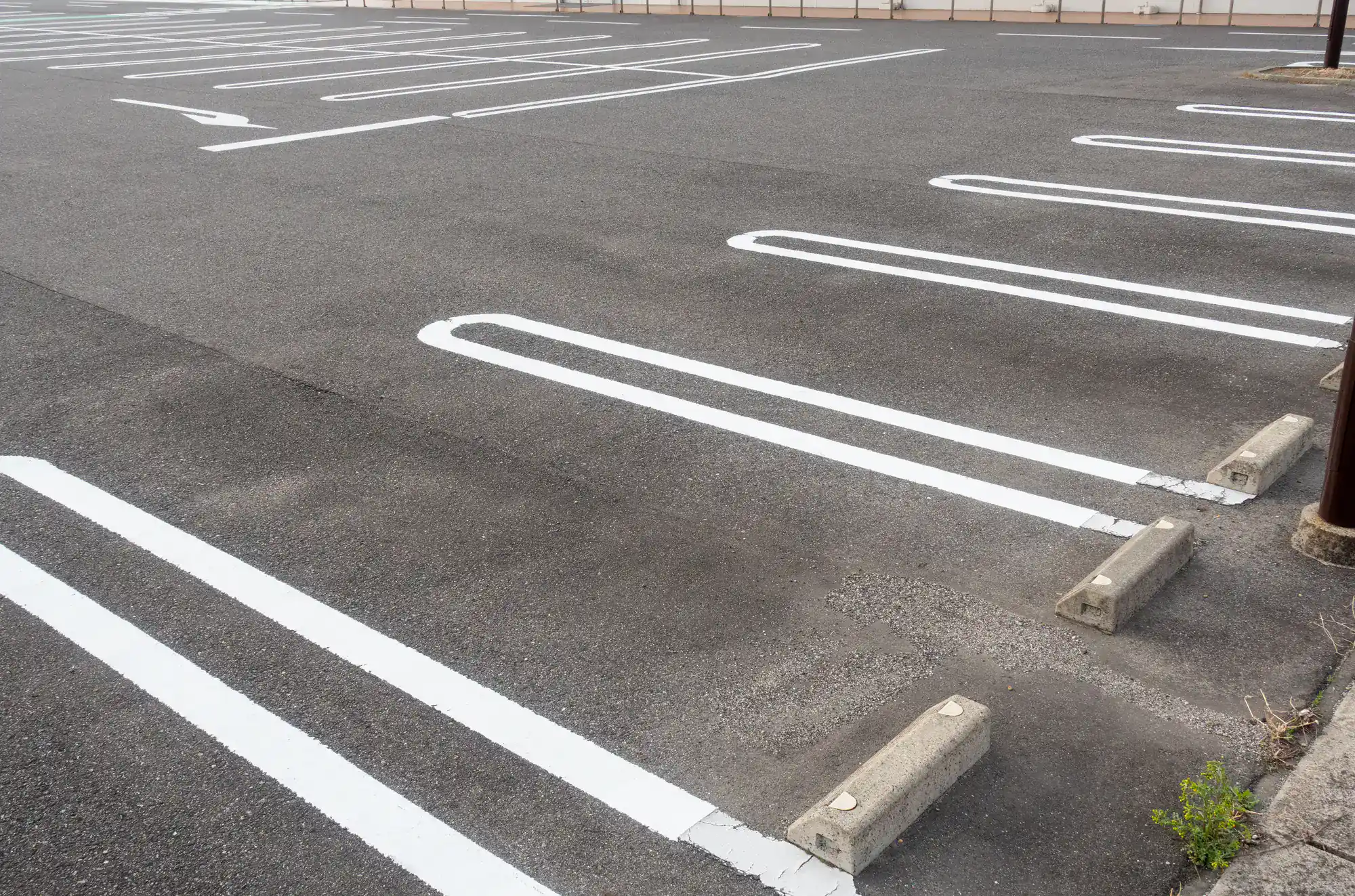
It starts with a site assessment. Before any pricing or planning, the lot gets evaluated for drainage grade, subbase condition, existing damage, and traffic load patterns. For properties near Fishing Creek or the Bay shoreline, that drainage review isn’t optional it’s what determines whether the lot lasts 20 years or starts failing in five. If your property falls within Chesapeake Beach’s Critical Area zone, that gets factored into the scope from the start, including any coordination needed with the Town’s Permits and Inspections process or Calvert County’s permitting requirements.
From there, you get a written proposal that spells out exactly what we’re doing subbase prep, asphalt mix spec, thickness, drainage work, sealcoating timeline, and line striping. No verbal estimates, no vague scope, no surprises when the invoice shows up.
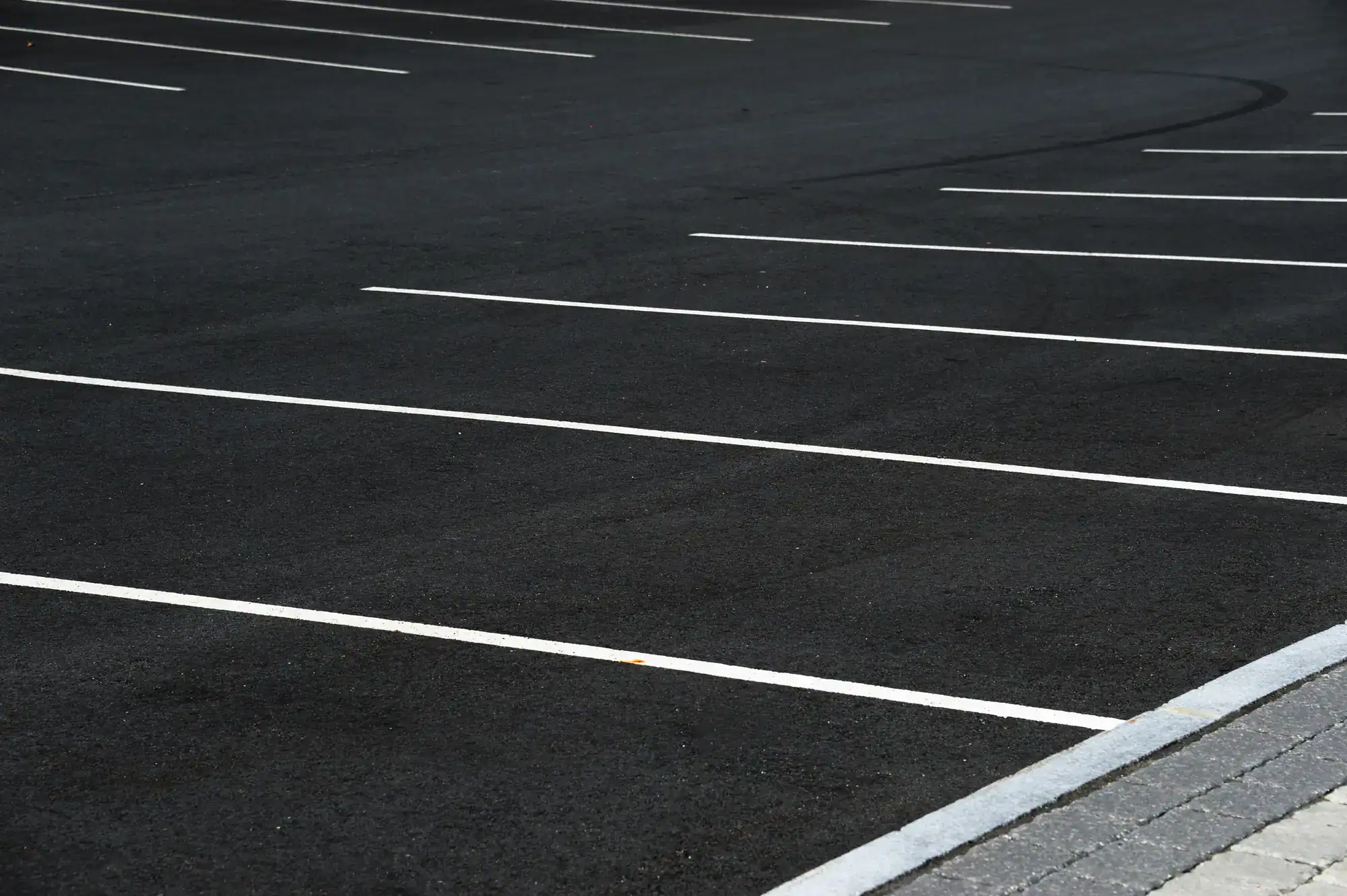
Scheduling is built around your business calendar, not ours. For waterfront restaurants, marina operators, and hospitality businesses in Chesapeake Beach, that typically means completing work before Memorial Day weekend or after Labor Day keeping your peak season fully operational. Once the asphalt is down and cured, line striping is completed to ADA standards, and you’re left with a lot that’s ready for whatever the summer brings.
Ready to get started?
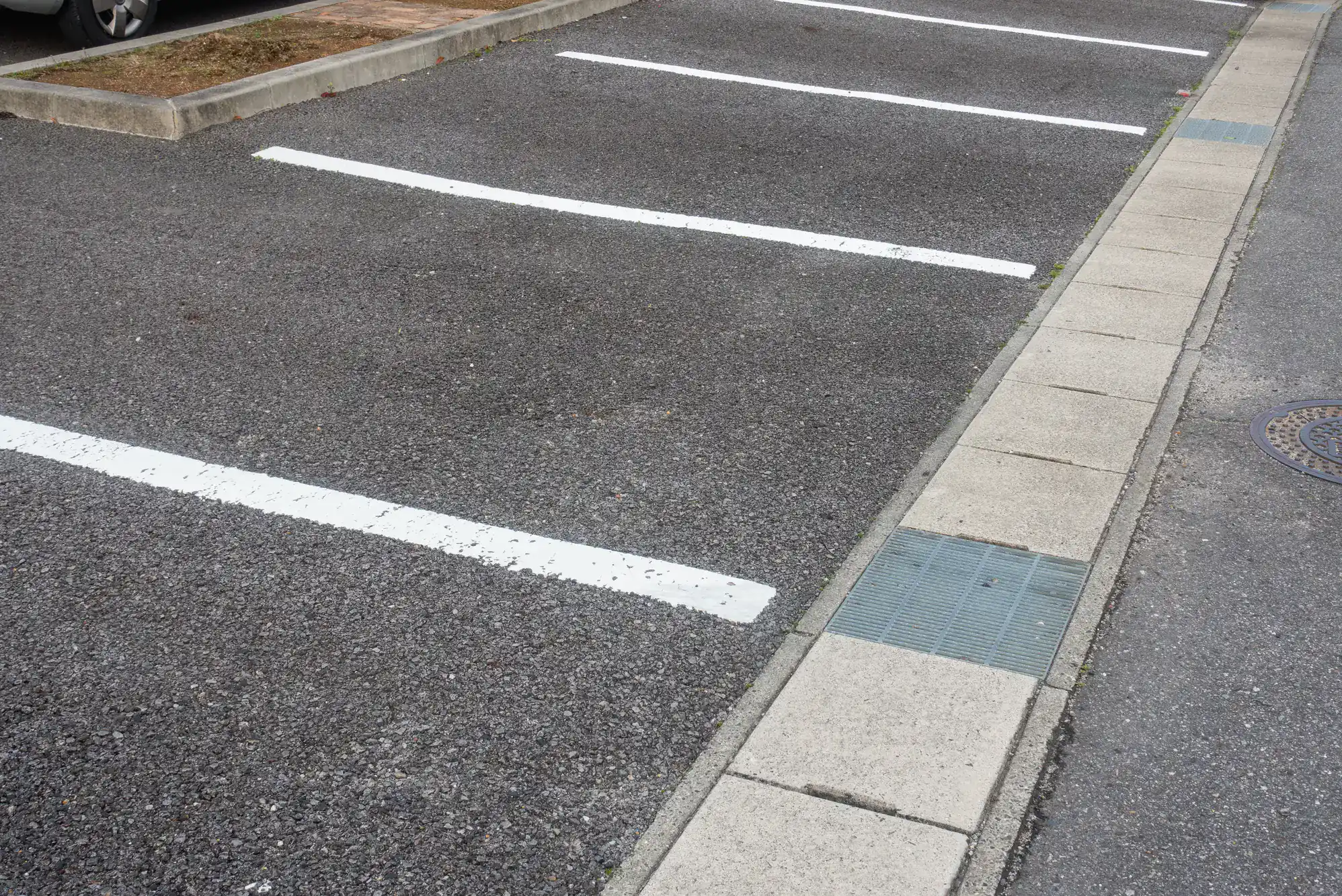
Commercial parking lot paving in Chesapeake Beach covers more ground than just laying asphalt. Depending on what your lot needs, the scope can include full new parking lot construction, asphalt overlay and resurfacing for lots that still have a sound subbase, targeted patching for localized damage, sealcoating to protect against salt air oxidation and UV breakdown, crack filling before winter sets in, and line striping to ADA federal standards. All of it under one MHIC-licensed, BBB-accredited contractor so you’re not managing three different vendors for three different phases.
For Chesapeake Beach’s commercial mix marina lots, restaurant parking areas, the waterfront hotel, small retail strips along the MD 261 corridor the work is sized and scoped appropriately. These aren’t sprawling big-box lots. They’re high-visibility, high-use surfaces that serve a tourism-driven economy, and they need to look and perform the part from May through September.
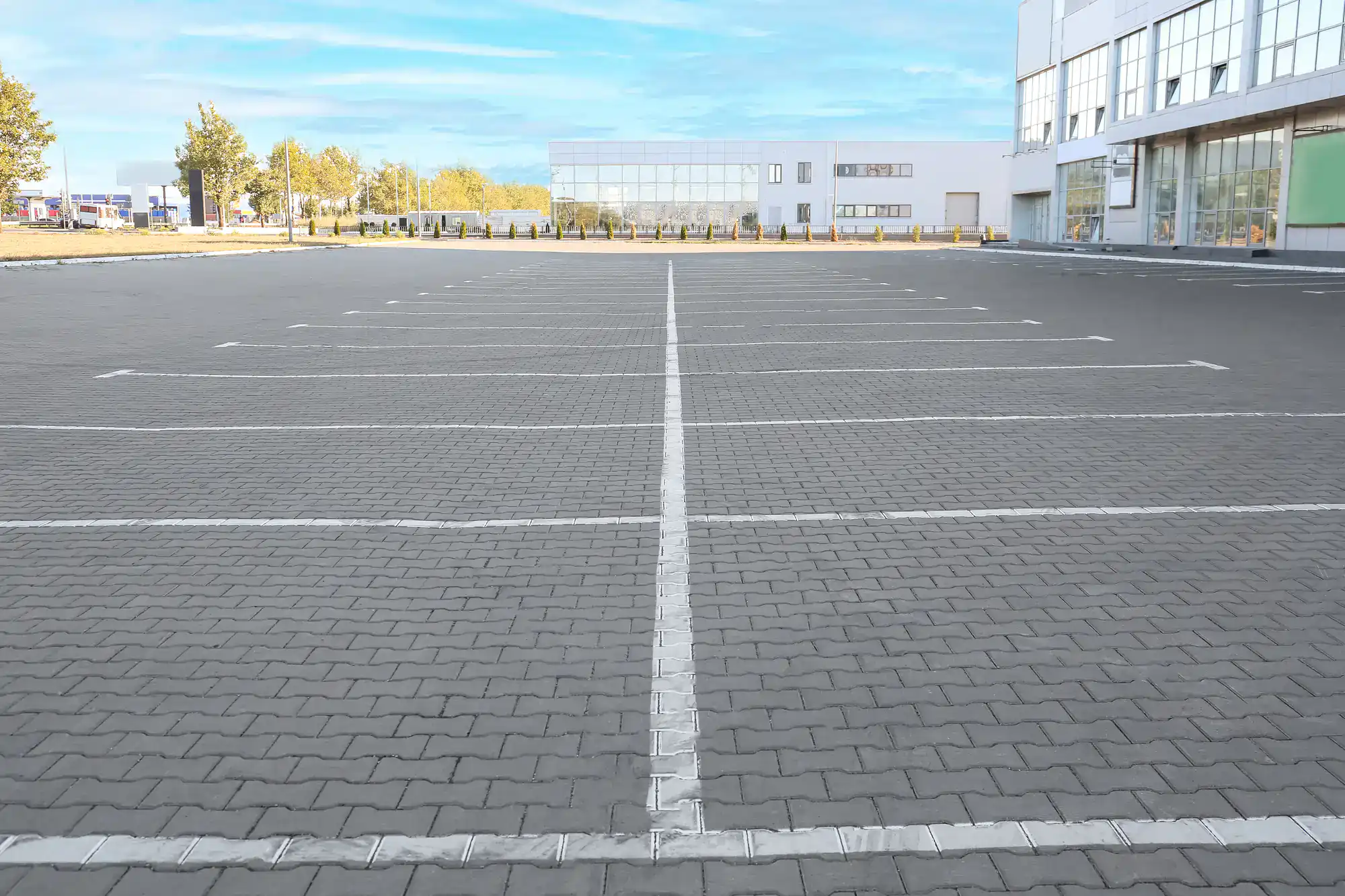
ADA compliance is built into every project from the design stage. That means proper accessible space ratios, van-accessible aisle widths, correct running and cross slopes, and clearly marked accessible routes not retrofitted after a complaint. For any business drawing significant foot traffic off the Bay, that’s not a detail to leave for later.
Yes, and in Chesapeake Beach the permitting layer is more involved than in most Maryland towns. You’re dealing with two jurisdictions: the Town of Chesapeake Beach’s own Permits and Inspections department, which requires zoning and site plan approval for commercial improvements, and Calvert County’s permitting process, which may also apply depending on your property. The Town’s Planning and Zoning Commission reviews applications submitted by the second Monday of each month, with decisions typically at the fourth Wednesday meeting.
If your property sits within 1,000 feet of tidal waters which includes a significant portion of Chesapeake Beach’s commercial waterfront you’re also in Maryland’s Chesapeake Bay Critical Area. That means stricter rules around impervious surface coverage and stormwater runoff that go beyond standard permitting. Any paving contractor working in this town needs to understand that layer before breaking ground. We factor all of it into the project scope from the start so there are no permit delays or compliance issues after the work is done.
For most commercial parking lots in Chesapeake Beach marina facilities, restaurant lots, small retail or hospitality properties the actual paving work runs three to seven days once the subbase prep is complete. The full timeline from initial assessment to finished striping depends on the scope: a straightforward overlay on an existing lot with a sound base moves faster than a full reconstruction that requires excavation, grading, and drainage work.
What matters more for most businesses in Chesapeake Beach is the scheduling window, not just the duration. Because the town runs a compressed tourism season, the goal is always to get work completed before Memorial Day or after Labor Day. We build the project timeline around that reality. If the lot needs to stay partially accessible during construction for a marina or restaurant that can’t fully shut down phased paving is an option that keeps part of your lot operational while work progresses on the rest.
It accelerates the breakdown of the asphalt binder the material that holds the aggregate together and gives the surface its flexibility and durability. In a coastal environment like Chesapeake Beach, that oxidation process happens faster than it would ten or fifteen miles inland. The surface starts to dry out, lose its dark color, and eventually begins to ravel meaning the top layer of aggregate loosens and the pavement becomes brittle and prone to cracking.
The practical fix is sealcoating on a regular cycle, typically every two to four years in a Bay-adjacent environment rather than the standard three to five years you’d see recommended for inland lots. Sealcoating replenishes the surface, slows oxidation, and significantly extends the overall life of the pavement. It also restores the visual appearance of the lot, which matters in a town where commercial properties depend on making a strong first impression for seasonal visitors. Pairing sealcoating with annual crack filling before winter keeps moisture out of the subbase and prevents the freeze-thaw damage that compounds every year it goes unaddressed.
Resurfacing also called an overlay means laying a new layer of asphalt over the existing surface. It works well when the subbase underneath is still structurally sound and the existing pavement has surface-level cracking, oxidation, or roughness but hasn’t failed at the foundation. It’s faster, less disruptive, and costs significantly less than full replacement. For a lot that’s been maintained reasonably well but is showing its age, an overlay can add another ten to fifteen years of service life.
Full replacement makes more sense when the subbase has been compromised usually from years of water infiltration, drainage problems, or heavy load stress that has caused the foundation to shift or erode. In Chesapeake Beach, lots near low-lying coastal terrain or properties with poor drainage history are more likely to need subbase work before any new asphalt goes down. The site assessment we do before quoting any project is specifically designed to determine which approach is actually warranted so you’re not paying for a full replacement when an overlay would do the job, and you’re not getting an overlay on a subbase that’s going to fail underneath it in two years.
Asphalt installation requires ambient temperatures of at least 50°F, which in Chesapeake Beach gives you a reliable working window from roughly April through October. But the practical answer for most commercial property owners here is more specific than that. The pre-season window late March through early May is the most in-demand period because businesses want their lots finished and looking sharp before the summer tourism rush begins. If your lot is showing winter damage from the freeze-thaw cycles that run through January and February, getting it assessed and scheduled early in the year puts you ahead of that demand.
The post-season window September and October works well for businesses that simply can’t afford any lot disruption during peak summer months. Temperatures are still cooperative for paving, and the work can be completed before the first hard freeze arrives. What you want to avoid is deferring until late fall or winter, when cold temperatures affect how asphalt compacts and cures, and when any remaining cracks in your lot are about to take on another season of freeze-thaw damage.
The federal ADA standards for parking lots set minimums that apply regardless of state: at least one accessible space for every 25 total spaces, van-accessible aisles at least eight feet wide, running slopes no greater than 8.33 percent, cross slopes no greater than 2.08 percent, and clearly marked accessible routes connecting spaces to building entrances. Those numbers don’t change based on location, but the risk profile does. For Chesapeake Beach businesses that draw high volumes of seasonal visitors waterfront restaurants, the hotel, marina facilities, charter fishing operations the combination of high foot traffic and aging lot surfaces creates real exposure to accessibility complaints and federal enforcement.
A lot that was striped to code five or ten years ago may no longer meet current standards if the pavement has settled, slopes have shifted, or the markings have faded to the point of being unclear. The only reliable way to know where you stand is a physical assessment of the lot’s current geometry and marking condition. We evaluate ADA compliance as part of every commercial project assessment, and when we stripe a lot, it’s done to current federal standards not whatever was there before.
Other Services we provide in Chesapeake Beach