Hear from Our Customers
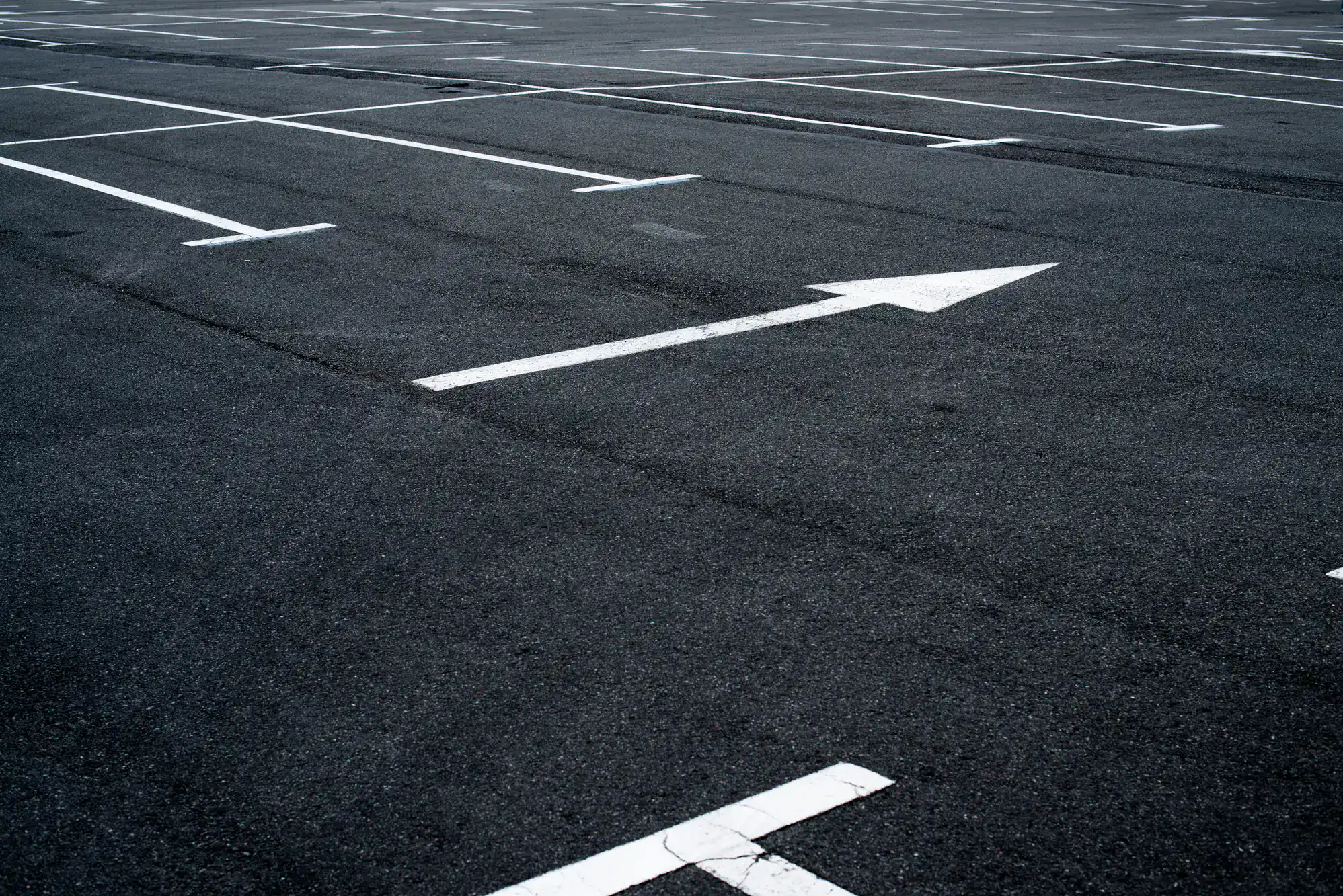
When Memorial Day weekend rolls around and Pirates Cove fills up, the last thing you want is a crumbling lot turning away customers before they even walk through the door. A properly installed commercial parking lot does more than look clean it handles real traffic loads, drains correctly, and doesn’t start failing after the first hard winter.
Galesville’s location along the West River creates conditions that inland paving jobs simply don’t deal with. The combination of tidal moisture, elevated soil saturation, and the salt air off the Chesapeake Bay accelerates asphalt oxidation and degrades surfaces faster than a typical Anne Arundel County property sitting ten miles inland. That means base preparation, drainage grading, and material selection matter more here not less.
Get those things right and you’re looking at a lot that can realistically last 20 years with proper maintenance. Skip them and you’re patching cracks in year four and replacing the whole surface by year eight. The difference isn’t dramatic on paper, but it’s significant in cost and in how your property reads to every customer, boat owner, or visitor who pulls in off MD Route 255.
We’ve been operating out of Annapolis since 2011 about 14 miles up MD Route 2 from Galesville. That’s not a coincidence worth ignoring. The same county permitting process, the same freeze-thaw winters, and the same southern Anne Arundel County soil conditions that affect your property are what we’ve been working in for over a decade.
Our MHIC License #159766 is publicly verifiable through the Maryland Department of Labor. We’re BBB A+ accredited and fully insured. These aren’t just boxes checked they’re the baseline that separates contractors who will be around after the job from ones who won’t. In a community as close-knit as Galesville, that accountability isn’t optional.
From marina operators at Hartge Yacht Harbor to small business owners on Galesville Road, commercial property owners in this area have specific needs. A paving contractor who treats a waterfront lot the same as a Crofton office park isn’t bringing the right experience to the table. We understand what makes Galesville different.
It starts with a site assessment not a quick walkthrough, but a real evaluation of drainage patterns, subgrade conditions, and how the lot is currently performing. For properties near the West River, this step includes identifying whether your site falls within Anne Arundel County’s Chesapeake Bay Critical Area buffer zone. If it does, any expansion of impervious surface requires review before work begins. Skipping that step doesn’t make the requirement go away it just creates a compliance problem after the fact.
Once the site assessment is complete, you’ll receive a detailed written proposal that outlines materials, base depth, drainage approach, and scope. We install commercial-grade hot-mix asphalt at the right thickness over a properly compacted gravel base not driveway-grade material applied to a lot that needs to handle boat trailers and delivery vehicles.
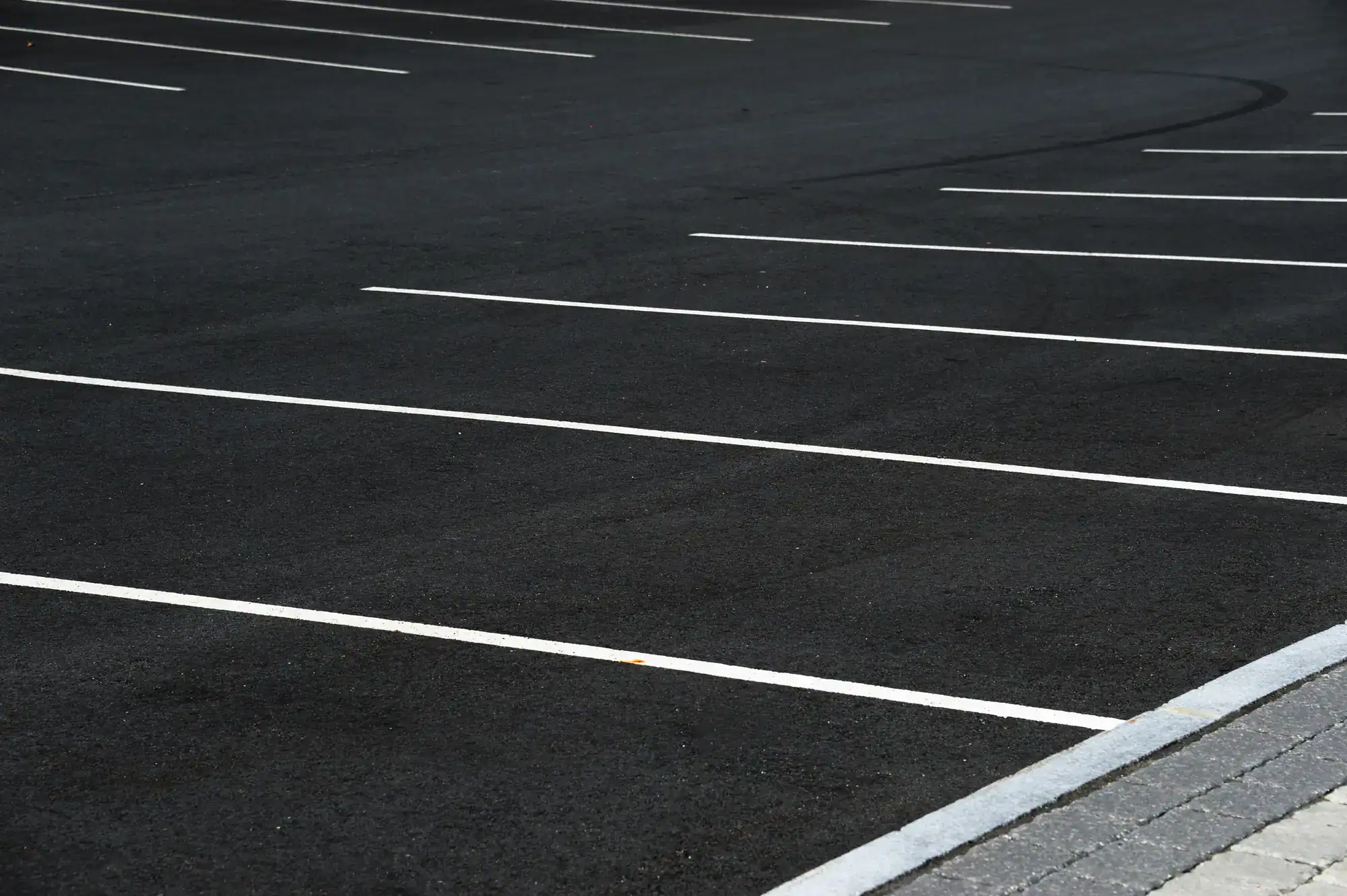
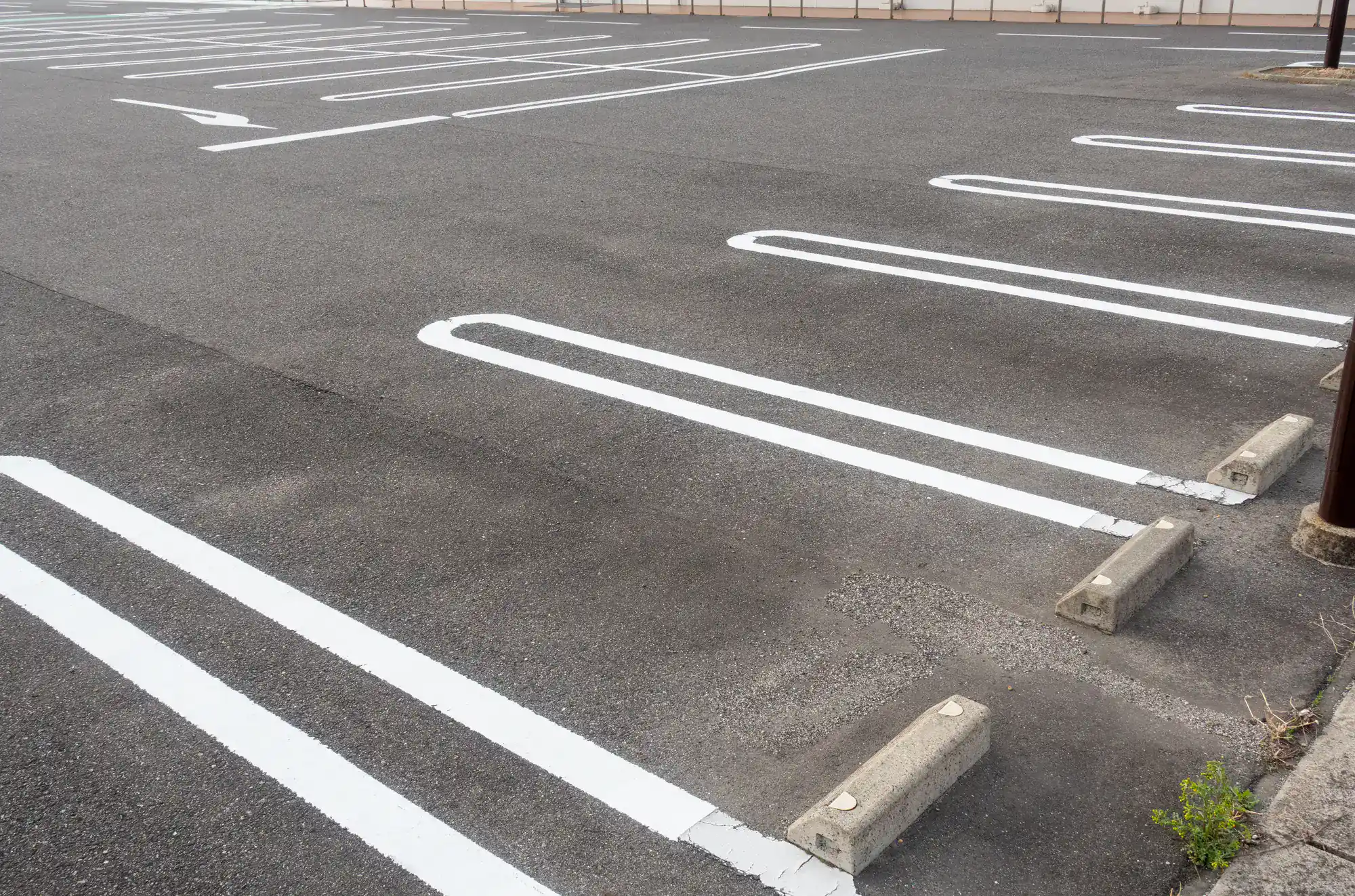
Installation typically runs three to seven days depending on lot size, with full curing complete within a week. For seasonal businesses in Galesville, the October-through-April window is the practical time to schedule major paving work so the lot is ready before boating season opens. After paving, we complete line striping and ADA-compliant marking as part of the same project, so you’re not coordinating a second contractor to finish the job.
Ready to get started?
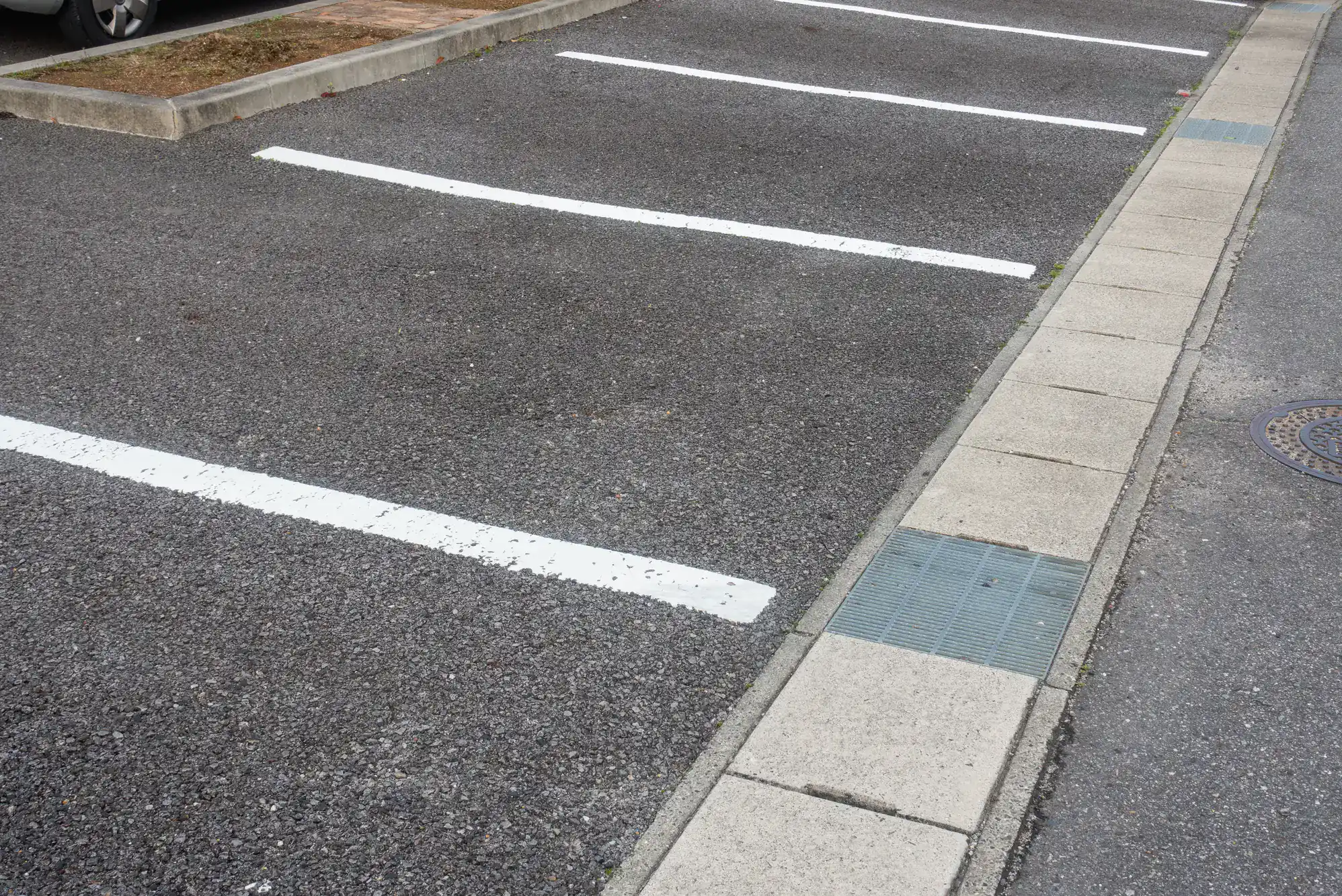
We handle the full scope of commercial parking lot paving in Galesville: site prep and subbase work, asphalt installation, sealcoating, crack repair, and ADA-compliant line striping all under one licensed contract. You’re not managing a paving crew for the surface and a separate striping company for the markings. We handle it together, which means the layout is planned correctly from the start, not retrofitted after the fact.
ADA compliance is built into every commercial project we complete. For public-facing properties restaurants, marinas, retail, and visitor destinations like the Galesville Heritage Museum federal accessibility requirements apply regardless of lot size or how long the property has operated. That means correct accessible space ratios, proper van-accessible aisle widths, running slopes within the 1:12 limit, and clearly marked accessible routes from the lot to the entrance. First-violation fines reach $75,000. Getting it right during installation costs far less than reactive corrections after a complaint.
For Galesville properties with existing lots, sealcoating and crack repair extend surface life significantly. Given the salt-air environment along the West River, a shorter sealcoating cycle closer to every two to three years rather than the standard four to five is the practical approach to protecting the asphalt binder from accelerated oxidation. It’s a maintenance investment that consistently outperforms the cost of early full replacement.
It depends on the scope of the project and where your property sits. Anne Arundel County handles all permitting for Galesville since it’s an unincorporated community there’s no separate municipal government. For commercial paving projects that involve grading changes, drainage modifications, or any expansion of impervious surface area, you’ll typically need permits through the Anne Arundel County Department of Inspections and Permits.
The bigger regulatory factor for Galesville specifically is the Chesapeake Bay Critical Area. Properties within 1,000 feet of tidal waters which includes a significant portion of the commercial properties along the West River fall under state and county Critical Area regulations that restrict increases in impervious coverage. If your lot is in that buffer zone, any surface expansion requires Critical Area review before work begins. This isn’t a technicality that gets waived it’s an enforceable requirement. A site assessment that identifies Critical Area applicability before the project starts is the step that prevents compliance problems after the fact.
A properly installed commercial lot in Galesville can last 15 to 25 years. The wide range comes down to how well the base was prepared, how the drainage was engineered, and whether the surface gets regular maintenance. In a coastal environment like the West River peninsula, those variables matter more than they do for an inland property.
The salt air off the Chesapeake Bay accelerates oxidation of the asphalt binder the material that holds the surface together and gives it flexibility. Once oxidation sets in, the surface becomes brittle, cracks form faster, and water infiltrates the base. For Galesville commercial properties, sealcoating every two to three years (rather than the standard four to five) is the practical way to slow that process and protect the original installation. Combined with crack filling as needed, that maintenance cycle is what gets a lot to the 20-year mark instead of requiring full replacement at year ten.
The main differences are material specification, base depth, and load requirements. Residential driveways typically use a lighter asphalt mix over a thinner gravel base it’s designed for passenger vehicles and light traffic. Commercial lots need to handle heavier loads: delivery trucks, boat trailers, service vehicles, and sustained high-traffic periods like summer weekends at a waterfront marina.
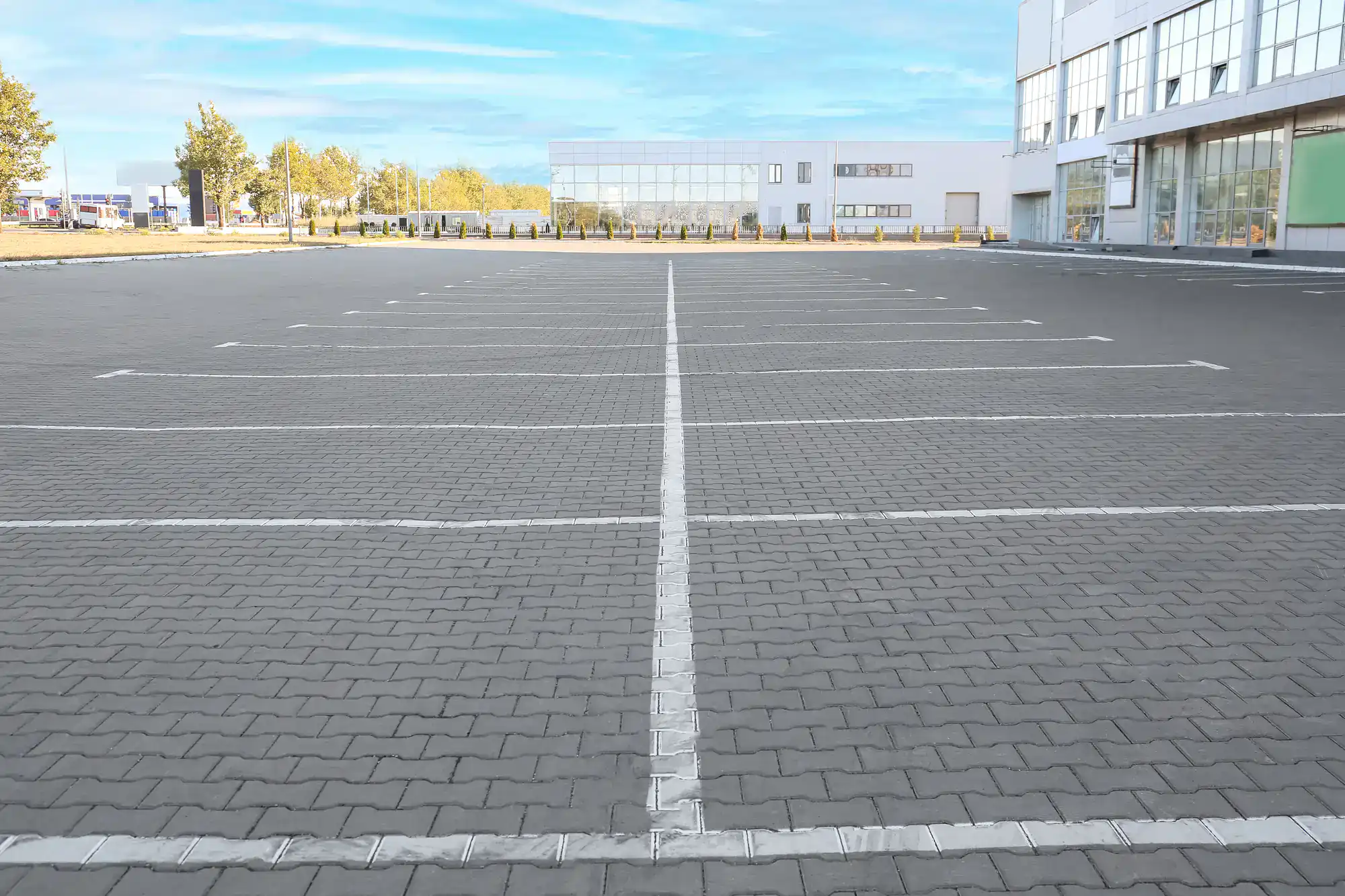
For commercial parking lot paving in Galesville, that means commercial-grade hot-mix asphalt at the right thickness typically three to five inches or more depending on the application over a properly compacted base that’s deep enough to distribute load and resist subgrade movement. The low-lying terrain of the West River peninsula, with its higher clay content and lower natural load-bearing capacity, makes base preparation especially important here. A contractor who applies residential-grade material to a commercial lot is cutting a corner that shows up as rutting and cracking within a few years, not a few decades.
The honest answer is that it depends on what’s failing and why. Surface cracking that hasn’t reached the base, minor edge deterioration, and isolated low spots are typically repair candidates crack filling, patching, and sealcoating can extend a lot’s life by several years at a fraction of replacement cost. If the base has failed, though, patching the surface is a temporary fix that won’t hold.
Signs that point toward full replacement include alligator cracking across large areas (which indicates base failure, not just surface wear), significant drainage problems that cause standing water after rain, and lots that have been patched repeatedly without lasting results. Maryland’s freeze-thaw cycle accelerates both types of failure water enters cracks in fall, freezes in winter, and expands the damage with every cycle. After a hard winter, spring is the right time to get a proper assessment done before another season of traffic compounds the problem. A site visit will give you a clear answer on which direction makes sense for your specific lot.
For a typical commercial parking lot in Galesville, you’re generally looking at a range of $25,000 to $45,000 or more depending on lot size, current surface condition, base preparation requirements, and whether the project includes drainage work, ADA improvements, or line striping. Smaller lots or resurfacing projects over a sound existing base will come in lower. Lots that need full base reconstruction or drainage regrading will come in higher.
The waterfront environment adds a consideration that doesn’t apply to inland properties: base preparation in low-lying terrain near the West River often requires more gravel depth and compaction work than a comparable lot on higher ground. That affects material and labor cost, but it’s also what determines whether the installation holds up for 20 years or starts failing in five. Galesville is a high-value waterfront community the commercial properties here represent significant capital investment, and the cost of doing it right the first time consistently beats the lifecycle cost of a cheaper job that needs early replacement.
Yes, and for most Galesville marina and restaurant operators, phased scheduling is the practical approach. The October-through-April off-season window is the ideal time to schedule major paving work traffic is lighter, the lot can be taken out of service in sections without the same impact as a summer closure, and the project can be completed and fully cured before Memorial Day weekend brings peak traffic back to properties like Hartge Yacht Harbor or the waterfront dining spots on Riverside Drive.
For lots that can’t be fully closed, we can phase work in sections one portion at a time so part of the lot stays accessible throughout the project. This takes more coordination and sometimes adds a day or two to the overall timeline, but it’s a workable approach for businesses that can’t afford a full closure even in the shoulder season. The key is planning the project in fall or early winter so there’s enough lead time to schedule properly and complete the work before the season opens. Last-minute spring paving requests are harder to accommodate and leave less buffer before peak traffic returns.
Other Services we provide in Galesville