
Hear from Our Customers
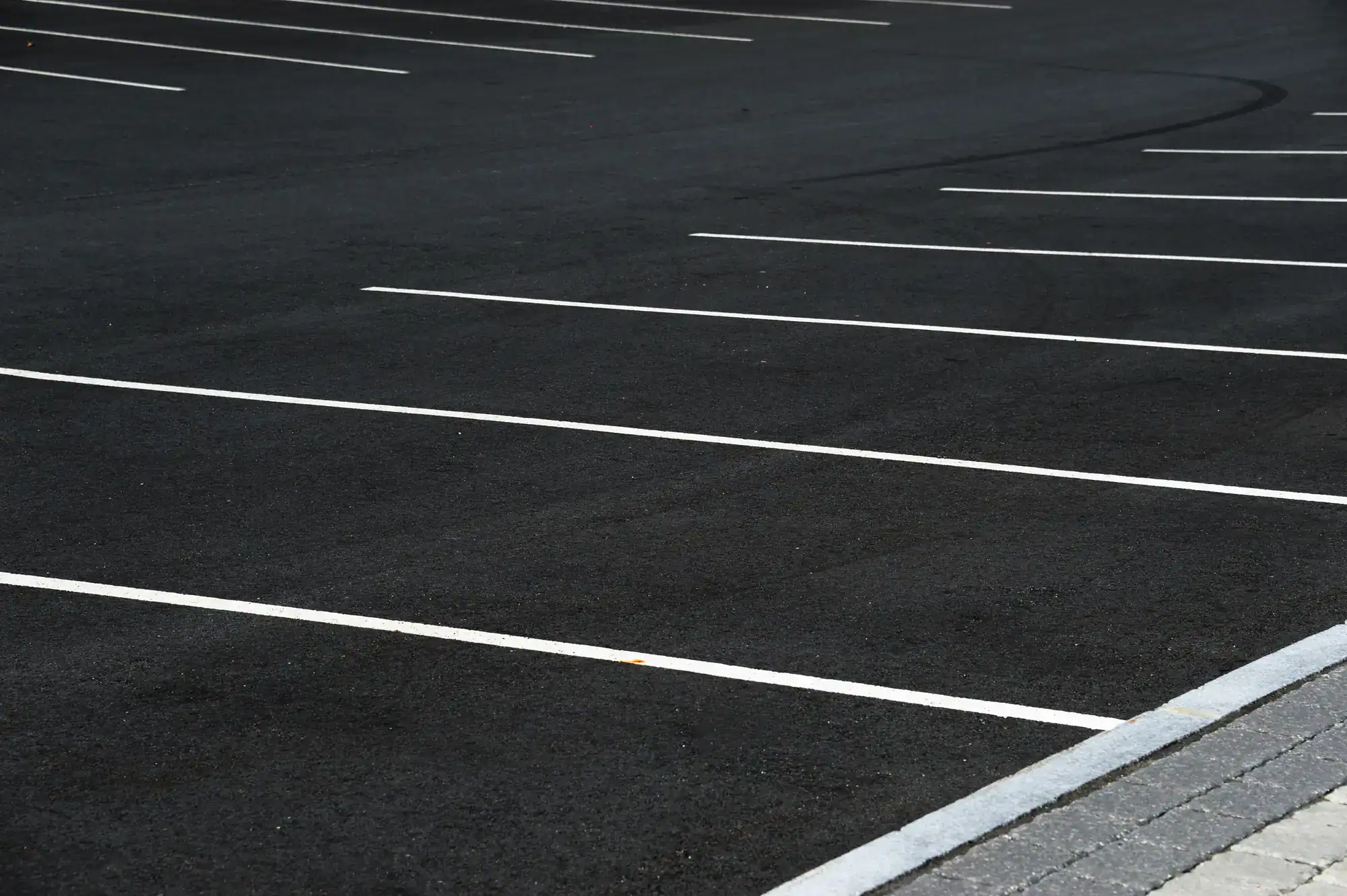
Glen Burnie isn’t a quiet suburb. It’s one of the most commercially dense communities in Anne Arundel County, with heavy delivery trucks, logistics vehicles, and thousands of daily customers moving through its parking lots. That kind of load breaks down undersized asphalt fast and most of the commercial stock along Ritchie Highway and Crain Highway was originally built decades ago, long before today’s traffic volumes.
When parking lot paving in Glen Burnie is done right, you’re not just filling cracks or freshening up the surface. You’re getting a lot that drains properly, holds up under truck traffic, and doesn’t start failing in year seven because someone cut corners on the subbase. The difference between a 10-year lot and a 25-year lot usually comes down to what’s underneath the base prep, the thickness, and the drainage engineering that most low-bid contractors skip entirely.
Anne Arundel County’s freeze-thaw winters accelerate damage. With 20 to 30 freeze-thaw cycles every season, water works its way into every small crack, freezes, expands, and widens the damage. A properly installed lot with the right drainage and material specs survives that cycle year after year. A cheap one compounds the damage until you’re looking at full replacement instead of a manageable repair.
We’ve been operating in Maryland since 2011 long enough to know what Anne Arundel County winters do to asphalt, how the county’s permitting and stormwater requirements work, and what commercial property owners in Glen Burnie actually need from a paving contractor. We’re headquartered in Annapolis and hold MHIC License #159766, which is Maryland’s legal requirement for contractors doing this kind of work.
Via I-97, Glen Burnie is about 20 minutes from our Annapolis office. That proximity matters when you need a site visit, have a question mid-project, or want someone who knows the local soil conditions and drainage patterns around areas like Marley Creek not a regional chain routing your call through a scheduling center two states away.
BBB A+ accreditation, 14 years of active Maryland operation, and full-service capability that covers everything from new lot construction to line striping that’s our baseline. What actually sets us apart is that there’s a licensed, accountable team behind every project in Glen Burnie, not a subcontracted crew assembled for the lowest possible margin.
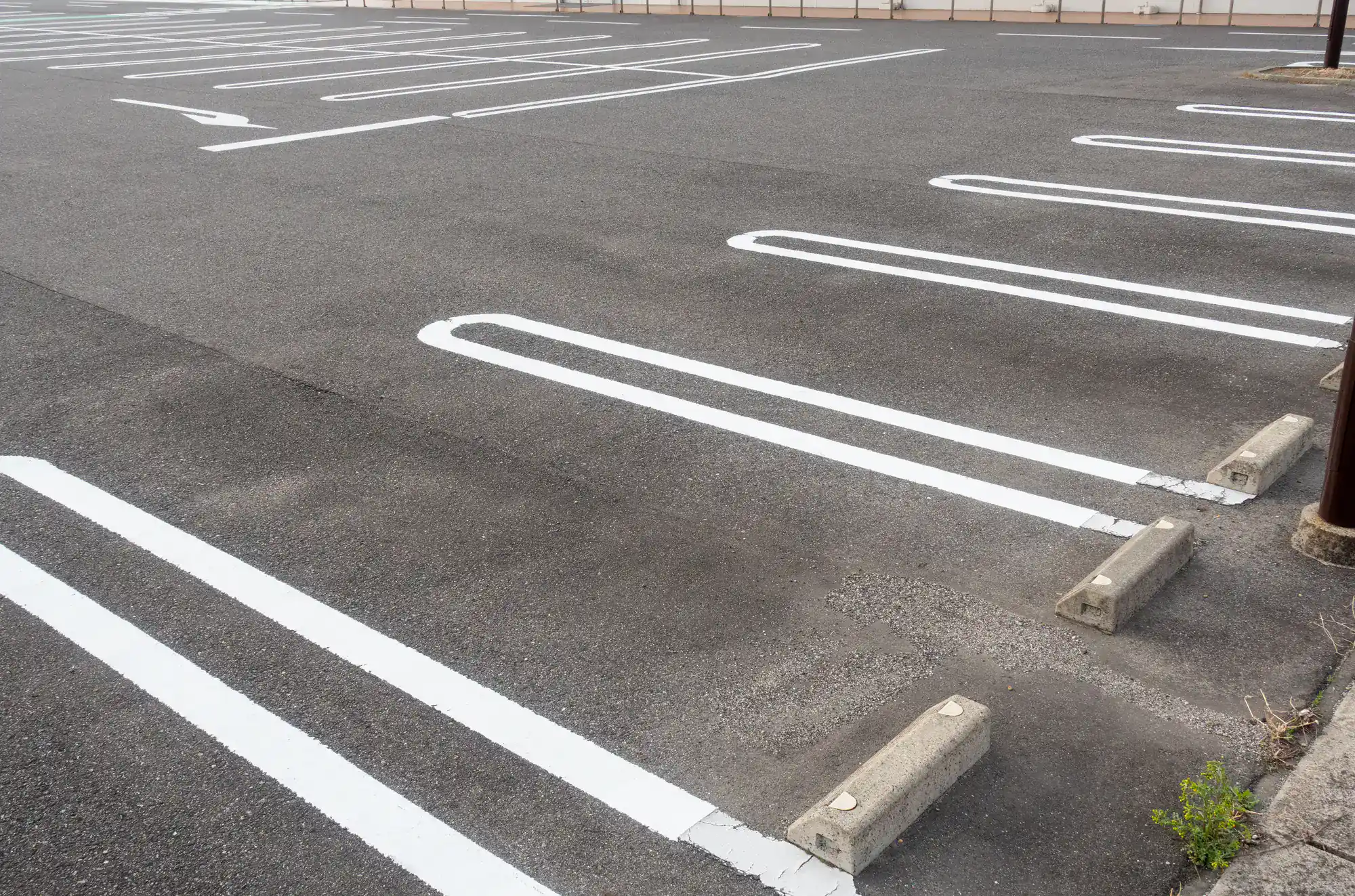
It starts with a site assessment not a quick walk-around, but a real evaluation of your existing surface, subbase condition, drainage patterns, and load requirements. For Glen Burnie properties near lower-elevation areas around Marley Creek or Furnace Creek, drainage engineering isn’t optional. Standing water is one of the fastest ways to shorten a parking lot’s lifespan, and we address it at the design stage, not after the fact.
From there, you get a written proposal that specifies materials, asphalt thickness, base prep approach, timeline, and total cost. No verbal estimates, no surprise line items after the job starts. If your project scope triggers Anne Arundel County grading or stormwater management permits which applies to most new lot construction disturbing more than 5,000 square feet we handle that process as part of the project, not hand it back to you to figure out.
During installation, we build scheduling around your operation. A closed lot on Ritchie Highway during business hours isn’t just inconvenient it directly affects your tenants and customers. Phased paving, early-morning start times, and weekend work are all options depending on your property’s layout and traffic patterns. When the job is done, you have a finished lot that meets current ADA standards, drains correctly, and is ready for the traffic it will actually see.
Ready to get started?
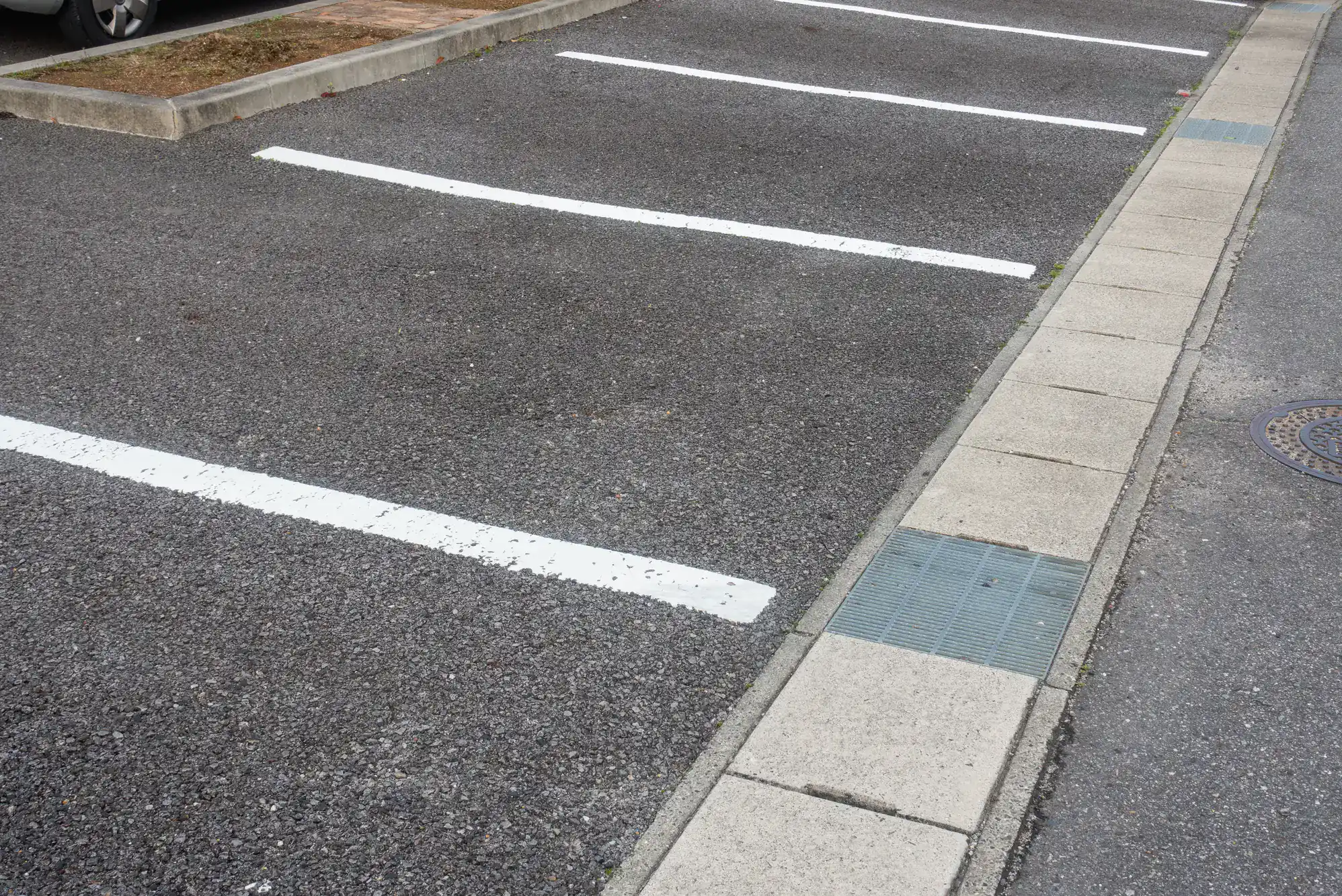
We handle the full scope of commercial parking lot paving in Glen Burnie new lot construction, full-depth replacement, asphalt overlays, crack repair, sealcoating, and ADA-compliant line striping. Every phase under one contractor, one contract, and one warranty. If you’re managing a strip center off Ritchie Highway, a warehouse near the BWI corridor, an auto dealership on Crain Highway, or a medical office building, the work is scoped to the specific demands of your property not a one-size template applied to every job.
ADA compliance is built into every project from the start. A lot of Glen Burnie’s commercial stock was built before current ADA standards were in place, which means many existing lots are non-compliant on accessible space ratios, van-accessible aisle widths, cross slopes, or marked accessible routes. Federal first-violation fines reach $75,000 per incident, and that exposure is real in a high-traffic commercial environment. Bringing a lot into compliance during a resurfacing or reconstruction project is far less expensive than addressing it after a complaint.
For property owners thinking about long-term cost, commercial parking lot paving depreciates on a 15-year IRS schedule which means a $50,000 to $100,000 lot installation isn’t just a capital expense, it’s a depreciable business asset. We also offer ongoing maintenance programs scheduled sealcoating, proactive crack filling, periodic re-striping for Glen Burnie properties that want to extend the life of their investment rather than defer maintenance until full replacement is the only option left.
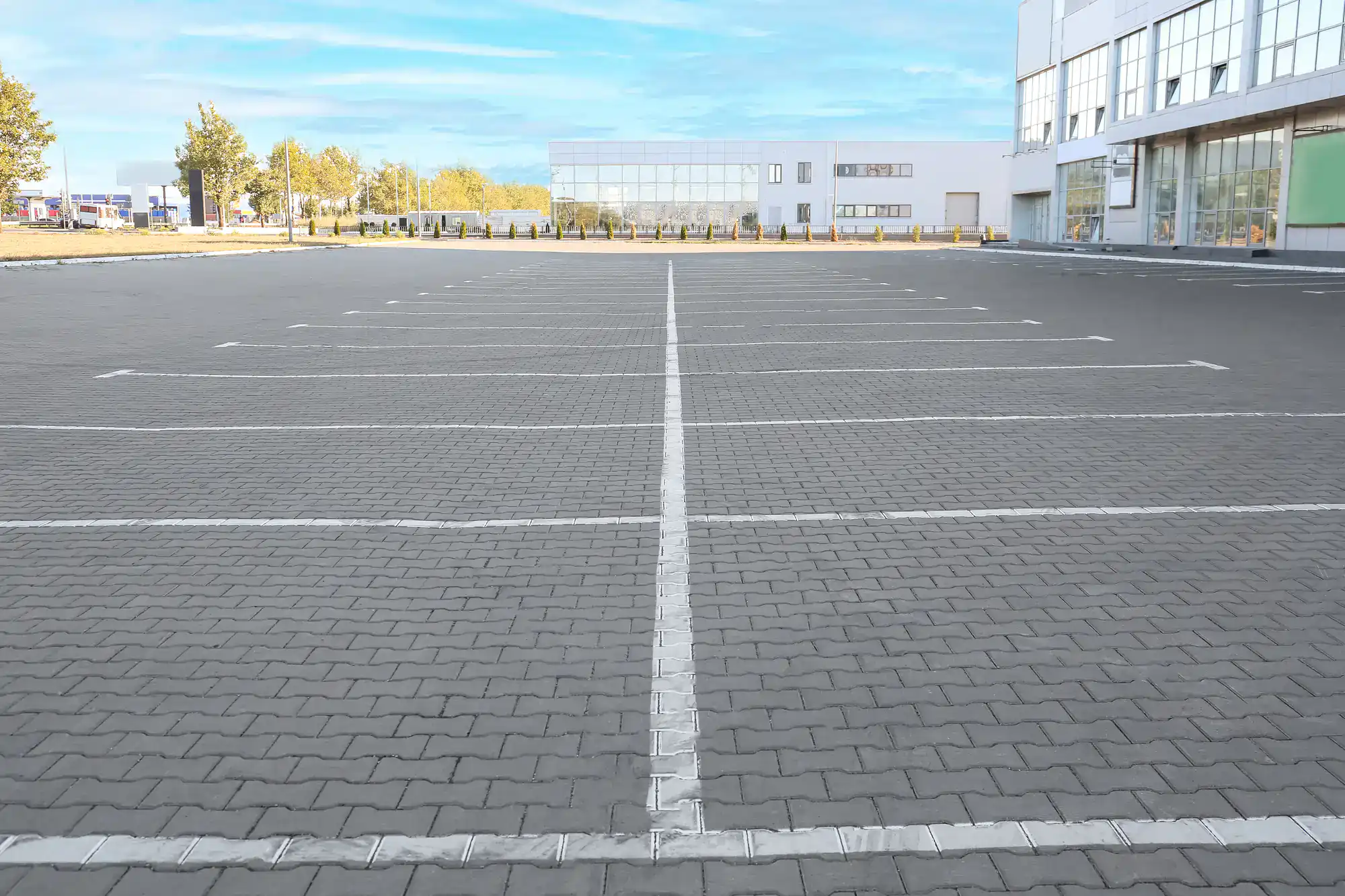
Commercial parking lot paving in Glen Burnie typically runs anywhere from $3 to $7 per square foot for asphalt resurfacing, and $6 to $12 or more per square foot for full-depth new construction depending on the size of the lot, subbase condition, drainage requirements, and material specifications. A small strip mall lot might come in around $30,000 to $60,000. A larger commercial or industrial lot near the BWI corridor, where heavy truck traffic demands thicker asphalt and a more engineered subbase, can run significantly higher.
The most important thing to understand is that the lowest bid rarely reflects the actual cost of doing the job correctly. Contractors who cut costs on base preparation or apply insufficient asphalt thickness will produce a lot that looks fine in year one and starts failing by year five or six. A properly installed commercial lot in Glen Burnie, built to handle the traffic loads it will actually see, should last 15 to 25 years with routine maintenance. That’s the number that matters when you’re comparing proposals.
In most cases, yes particularly for new lot construction or any project that disturbs more than 5,000 square feet of land. Anne Arundel County requires grading and sediment control permits through the Department of Public Works for projects that meet that threshold, and larger or more complex projects may also trigger stormwater management review. This is especially relevant for Glen Burnie properties in lower-lying areas near Marley Creek or Furnace Creek, where impervious surface changes can affect local drainage and fall under the county’s Chesapeake Bay watershed obligations.
Because Glen Burnie is an unincorporated community, there’s no separate municipal permitting layer everything flows through Anne Arundel County. An experienced, licensed contractor will know when permits are required, how to obtain them, and how to design the project so it satisfies county drainage requirements from the start. Contractors who skip this step don’t just put themselves at risk they put the property owner at risk of stop-work orders, retroactive compliance costs, and fines that can far exceed the cost of doing it right the first time.
The honest answer is that it depends on what’s happening below the surface, not just what you can see on top. Surface cracks, minor rutting, and faded striping are usually signs that an overlay or resurfacing can extend the lot’s life for another 10 to 15 years if the subbase is still structurally sound. When you’re seeing widespread alligator cracking, large potholes that keep coming back, or areas where the pavement is sinking or shifting, that’s typically a sign of subbase failure, and resurfacing over a failed base is a short-term patch that won’t hold.
Glen Burnie has a large inventory of commercial lots that were originally installed in the 1970s through 1990s. Many of those lots are now 30 to 50 years old well past the 15 to 25 year service life of properly maintained asphalt. If your lot is in that age range and hasn’t had consistent maintenance, a thorough assessment is worth doing before committing to either option. Putting a $25,000 overlay on a lot that needs full reconstruction is a costly mistake that a proper site evaluation can help you avoid.
A properly installed commercial parking lot in Glen Burnie should last 15 to 25 years with routine maintenance sealcoating every two to five years, proactive crack filling, and periodic re-striping. Anne Arundel County’s climate is harder on asphalt than most property owners realize. The combination of 20 to 30 freeze-thaw cycles per winter, summer surface temperatures that can reach 140 to 160 degrees Fahrenheit in Glen Burnie’s commercially dense, high-impervious-surface environment, and the heavy vehicle traffic from delivery trucks and logistics operations near the BWI corridor creates compounding stress on pavement year-round.
What shortens a lot’s lifespan most is water infiltration cracks that don’t get filled allow water to reach the subbase, where it softens the foundation and accelerates structural failure. A lot that gets its first sealcoat within a year of installation and stays on a regular maintenance schedule will consistently outlast a lot that gets ignored until the damage becomes unavoidable. The maintenance investment is a fraction of what full replacement costs, and it’s the single most effective way to get the full lifespan out of a Glen Burnie parking lot.
Yes, and for most commercial properties on Ritchie Highway or Crain Highway, phased paving is the standard approach rather than the exception. The idea is straightforward the lot gets divided into sections, and work is completed one section at a time while the rest of the lot stays accessible to your customers, tenants, and employees. Depending on your property’s layout, this can be combined with early-morning start times or weekend scheduling to minimize any overlap with your peak business hours.
The planning conversation happens before the project starts, not after. We work to understand your traffic patterns, your tenant obligations, and any lease terms that affect access requirements then build a paving schedule around those constraints. A lot that fronts a high-visibility commercial corridor in Glen Burnie is an economic asset for everyone operating on that property. Protecting that access during construction isn’t just a courtesy it’s part of doing the job professionally.
A few things are specific to Glen Burnie that don’t apply the same way in other parts of Maryland. The concentration of heavy commercial and logistics traffic especially in the areas near BWI Airport means parking lots and staging areas here see vehicle loads that most residential-focused contractors aren’t speccing for. Semi-trailers and heavy delivery vehicles exert forces on pavement that require greater asphalt thickness and a more robust subbase than a standard commercial lot in a lighter-traffic community.
The drainage situation is also worth understanding. Parts of Glen Burnie sit in relatively flat, low-lying terrain near Marley Creek and Furnace Creek. Poor drainage in those areas accelerates asphalt failure significantly, and it’s something that has to be engineered into the project from the start not addressed after water problems show up post-installation. Add in Anne Arundel County’s stormwater management requirements for impervious surface projects near Chesapeake Bay watershed tributaries, and you have a local regulatory and environmental context that genuinely affects how a parking lot paving project in Glen Burnie needs to be planned and executed.
Other Services we provide in Glen Burnie