Hear from Our Customers
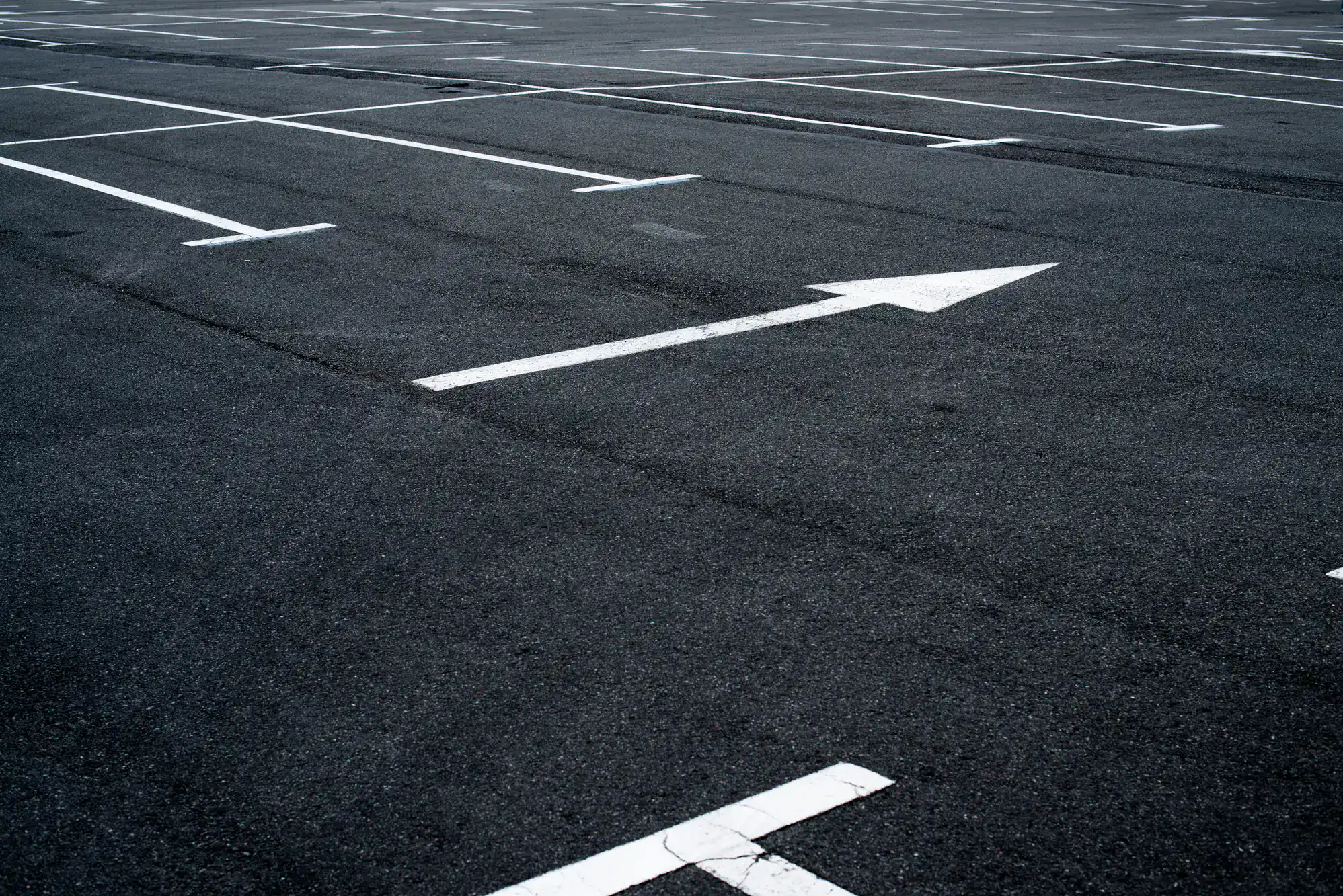
Calvert County winters are not gentle on asphalt. Temperatures hover right around freezing through January and February, and that freeze-thaw cycle water getting into small cracks, freezing, expanding, thawing, and doing it again is the single biggest reason parking lots in Huntingtown age faster than they should. When the base wasn’t prepared correctly or the drainage wasn’t engineered for this climate, you’re not looking at a 20-year lot. You’re looking at one that starts failing in five.
What you get with properly installed asphalt parking lot paving in Huntingtown is a surface that was built for this environment from day one. That means a compacted subbase that accounts for the clay-heavy soils common in Southern Maryland soils that shift when they get wet and contract when they dry out. It means grading and drainage designed to move water off the surface and away from the structure, not pool beneath it.
Beyond the structural side, a well-paved lot in Huntingtown just carries more weight. Property values here are high, expectations match them, and a cracked, faded lot with faded striping doesn’t go unnoticed. Whether you’re managing a small professional office off Old Town Road or an institutional facility near the MD 2/4 corridor, the condition of your parking lot is part of how people judge the property and the business inside it.
We’ve been doing commercial paving work in Maryland since 2011. That’s 14 years operating in the same Mid-Atlantic climate, navigating the same freeze-thaw winters that Huntingtown residents deal with every January and February, and building a reputation that holds up because the pavement does too. We’re based in Annapolis about 30 miles north of Huntingtown on the MD 2/4 corridor that most Huntingtown residents drive every single day. This isn’t a contractor learning your roads for the first time.
Our MHIC License #159766 is active and verifiable through the Maryland Department of Labor. Our BBB accreditation is A+. And because we’re owner-operated, there’s no franchise layer, no regional manager absorbing accountability just a contractor whose name is on every job and who has every reason to make sure it’s done right.
For Calvert County commercial property owners in Huntingtown, that combination matters. Unlicensed crews actively solicit paving work in rural communities like yours. Knowing your contractor is licensed, insured, and has 14 years of verifiable history in this market is not a small thing it’s the baseline for any serious paving project.
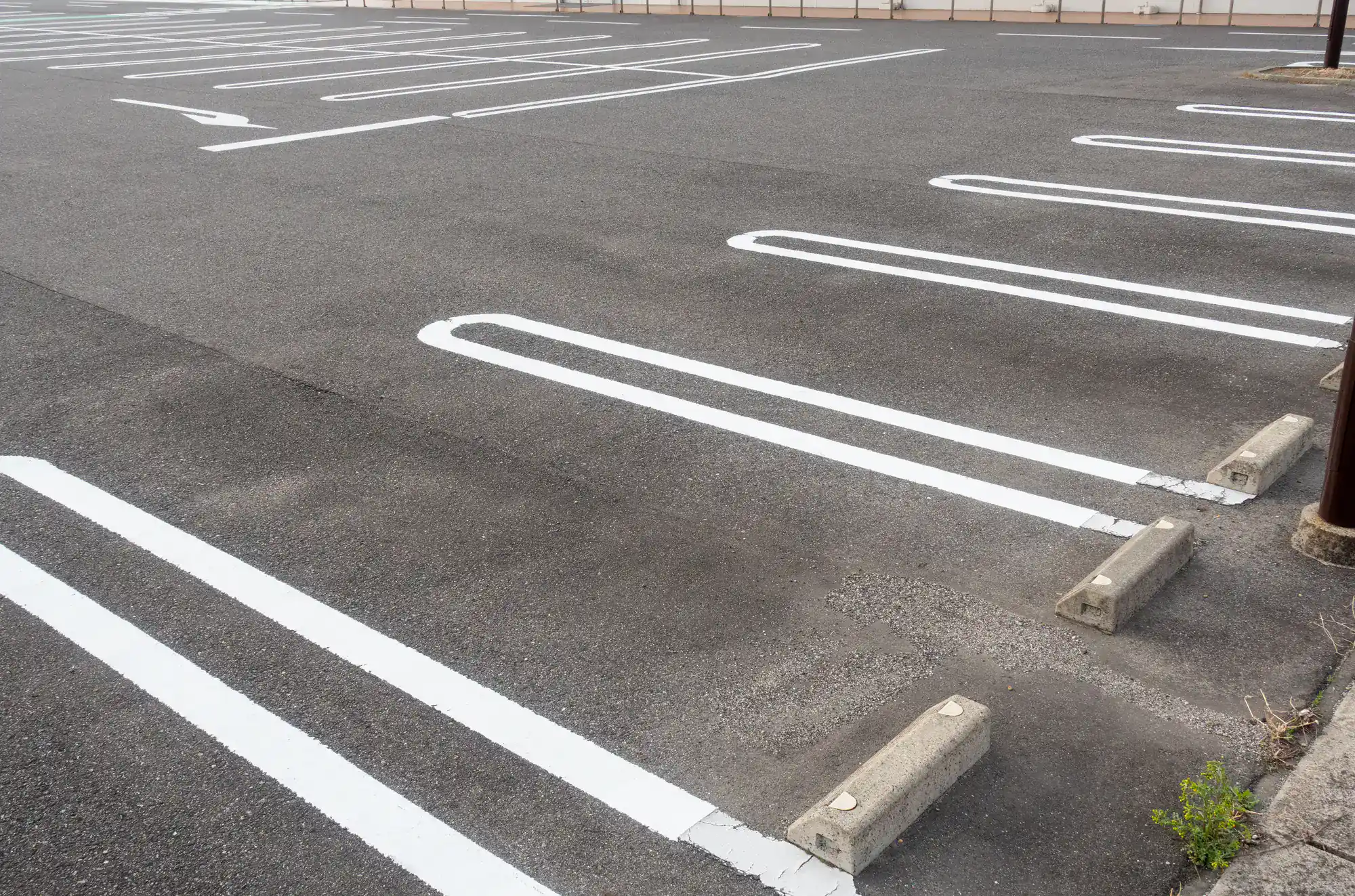
It starts with a site assessment. Before any pricing is discussed, the condition of your existing surface gets evaluated subbase stability, drainage patterns, current cracking or heaving, and whether you’re looking at a repair, a resurfacing overlay, or a full replacement. In Huntingtown, where a significant portion of commercial properties were built in the late 1990s and early 2000s, a lot of original asphalt installations are now 20-plus years old and approaching or past their designed service life. That assessment tells you exactly where you stand.
From there, the scope gets defined and documented. If your project falls within the Huntingtown Town Center boundary or involves a change to your lot’s footprint or drainage, Calvert County’s development review process may apply and that gets addressed before work begins, not after. Permits, stormwater compliance, ADA requirements all of it gets factored into the plan upfront so there are no delays once the crew mobilizes.
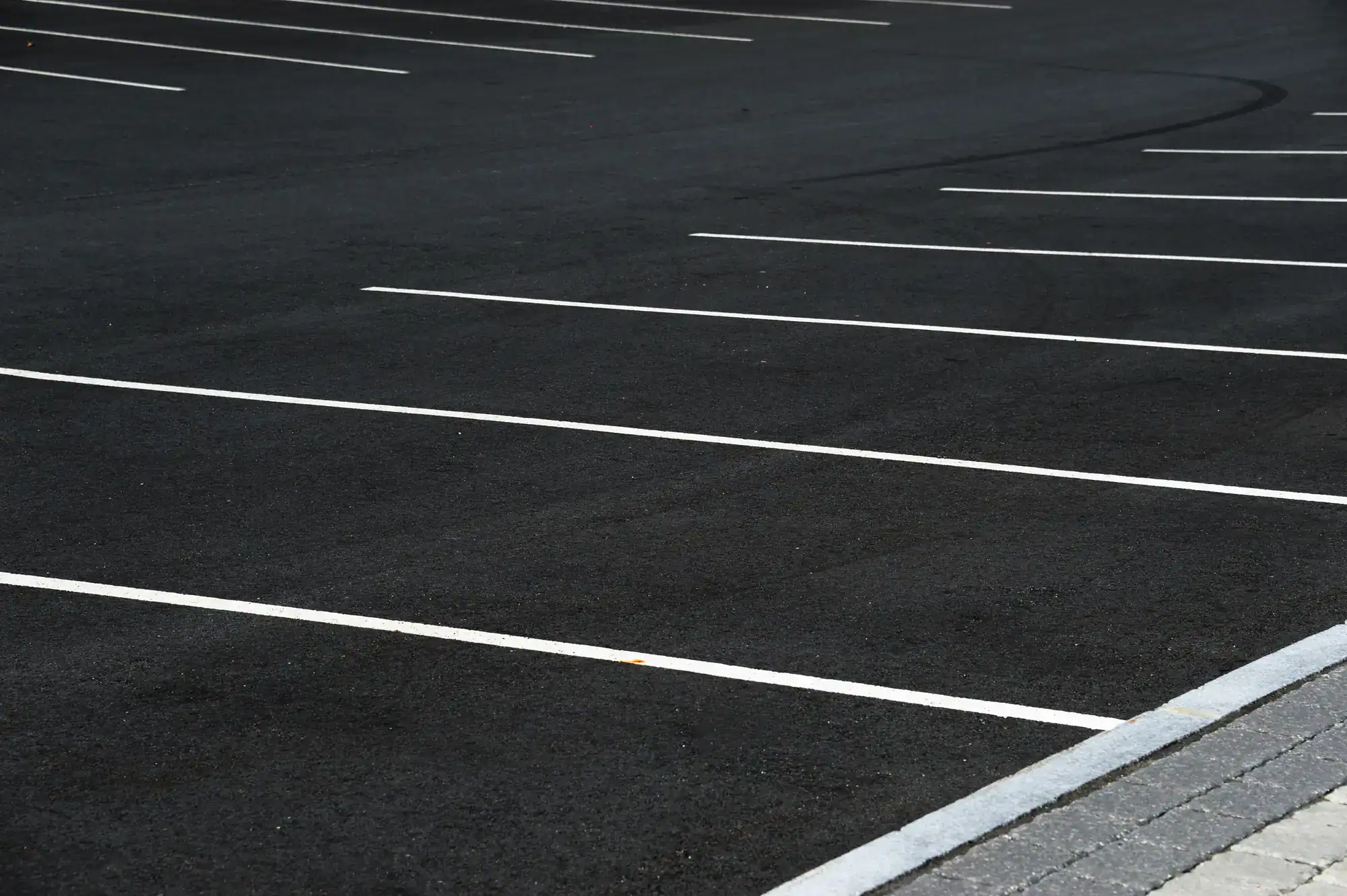
Installation follows the assessment and planning phase. Subgrade is prepared and compacted, the base course goes down, and commercial-grade hot-mix asphalt is laid and compacted to the specified depth for your vehicle load requirements. Line striping and ADA-compliant accessible space marking are included as part of a complete parking lot installation not treated as an add-on. Because Huntingtown is almost entirely car-dependent, minimizing the time your lot is out of service matters, and phased scheduling or off-hours work can be arranged where the site allows.
Ready to get started?
We cover the full range of commercial parking lot paving services in Huntingtown, MD new lot construction, asphalt resurfacing and overlays, crack filling, pothole repair, sealcoating, and parking lot line striping. That matters because most parking lot problems aren’t solved by just one of those things. A lot that needs resurfacing also needs its drainage re-evaluated. A lot that gets crack-filled this year needs a sealcoating schedule to extend that repair. Handling everything under one contractor means the work is coordinated, not patched together.
For office building parking lot paving and institutional facilities in Calvert County, ADA compliance is built into every project not treated as a checkbox at the end. That means accessible space ratios, van-accessible aisle widths, slope compliance, and clearly marked accessible routes are all engineered into the layout before installation begins. Federal first-violation fines for non-compliant commercial lots can reach $75,000. Getting it right the first time is significantly less expensive.
Sealcoating is recommended every two to five years depending on traffic load and sun exposure. In Huntingtown’s wooded setting, shaded lots that stay damp longer after rain tend to degrade faster at the surface which makes a consistent sealcoating schedule more important, not less. Whether you need a new parking lot constructed from scratch or an existing surface brought back to a functional, professional standard, the scope gets defined clearly before any work begins.
The honest answer depends on what’s happening beneath the surface, not just on top of it. Cracking and surface wear can often be addressed with a resurfacing overlay a new layer of asphalt applied over a structurally sound base. But if the subbase has been compromised by water infiltration, root intrusion, or years of freeze-thaw movement, resurfacing over a failing base just delays the inevitable and costs more in the long run.
In Huntingtown specifically, where many commercial properties date back to the late 1990s and early 2000s, a lot of original installations are now well past their designed lifespan. The tell-tale signs that full replacement is the right call include alligator cracking across large sections of the surface, areas that hold standing water after rain, or visible heaving and depression that indicates subbase failure. A site assessment before any pricing conversation will give you a clear answer and we’ll tell you honestly which option actually makes sense for your specific lot.
Pricing for commercial parking lot paving in Calvert County varies based on the size of the lot, the condition of the existing surface, the depth of asphalt required for your vehicle load, and whether drainage corrections or subbase work are needed. As a general range, new commercial asphalt parking lot installation typically runs between $3 and $7 per square foot for the asphalt itself meaning a mid-sized commercial lot of 10,000 square feet could run anywhere from $30,000 to $70,000 or more depending on site conditions.
What drives cost up in this area is often the subbase work. Calvert County’s clay-heavy soils require proper subgrade preparation to prevent the kind of freeze-thaw heaving that shortens lot life significantly. Skipping that step to hit a lower price point is a trade-off that shows up within a few winters. It’s also worth knowing that commercial parking lot paving qualifies as a 15-year depreciable business asset under IRS Publication 946 so the investment has a defined tax recovery structure that a straight maintenance expense doesn’t. Talk to your accountant about how that applies to your specific situation.
It depends on the scope of the work and where your property is located. Routine maintenance crack filling, sealcoating, or restriping an existing lot generally doesn’t require a permit in Calvert County. But if you’re constructing a new parking lot, expanding an existing one, or making changes that affect drainage or impervious surface coverage, Calvert County’s development review process will likely apply.
Properties within the Huntingtown Town Center boundary are also subject to architectural review, which is now integrated into the standard building permit and site plan review process rather than handled as a separate application. If your project changes the footprint, grade, or drainage of a commercial property in that area, it will go through that review. Maryland’s stormwater management regulations add another layer any new impervious surface needs to meet runoff reduction standards that Calvert County enforces through site plan review. The clearest path forward is to have us involved before you start, not after a stop-work order.
Federal ADA standards apply to every commercial parking facility in Maryland regardless of size or property type. The basic requirements include a minimum of one accessible parking space for every 25 total spaces in the lot, with at least one of those being van-accessible with an 8-foot-wide access aisle. Running slopes within accessible spaces and along accessible routes cannot exceed 8.33%, and cross slopes must stay at or below 2.08% which is a relatively tight tolerance that requires precise grading during installation.
Accessible spaces need to be located on the shortest accessible route to the building entrance, and they must be clearly marked with the International Symbol of Accessibility. Signage requirements also apply. The reason this matters so much is that the penalties for non-compliance aren’t theoretical first-violation federal fines can reach $75,000 per incident, and enforcement has increased nationally in recent years. Getting the dimensions, slopes, and markings right during the initial paving project is dramatically less expensive than retrofitting a non-compliant lot after a complaint is filed.
A commercial asphalt parking lot that’s properly installed meaning adequate subbase depth, correct asphalt thickness for the vehicle load, and proper drainage should last 20 to 25 years in Southern Maryland with regular maintenance. The key phrase there is “with regular maintenance.” Sealcoating every two to five years protects the surface from UV oxidation and moisture infiltration. Crack filling as soon as cracks appear prevents water from reaching the subbase. Neglecting both of those steps can cut the effective lifespan in half.
In Huntingtown’s climate, the freeze-thaw cycle is the biggest accelerant of deterioration. January average lows hover right around freezing, and the area gets consistent precipitation through winter months meaning water is regularly finding its way into any existing surface cracks and doing structural damage from within. Lots that were installed with a thin base or poor drainage are particularly vulnerable. A well-maintained lot on a proper base can realistically reach 20-plus years. One that was installed on the cheap and never sealcoated might need full replacement in eight to ten.
For most commercial parking lot paving projects in Huntingtown, the actual installation work takes one to three days depending on lot size and scope. The bigger planning question is how to handle access during that window and in a community where virtually every customer arrives by car, that’s not a small consideration.
Phased paving is one option for larger lots where half the surface can remain open while the other half is being worked. Off-hours scheduling evening or weekend installation is another approach that works well for businesses that can’t afford to close customer access during operating hours. New asphalt needs 24 to 48 hours to cure before it can handle regular vehicle traffic, so that window needs to be factored into the schedule regardless of when work takes place. The planning conversation before the project starts is where all of this gets mapped out lot access, traffic flow during construction, cure time, and reopening. That’s not an afterthought; it’s part of the project scope from the beginning.
Other Services we provide in Huntingtown