Hear from Our Customers
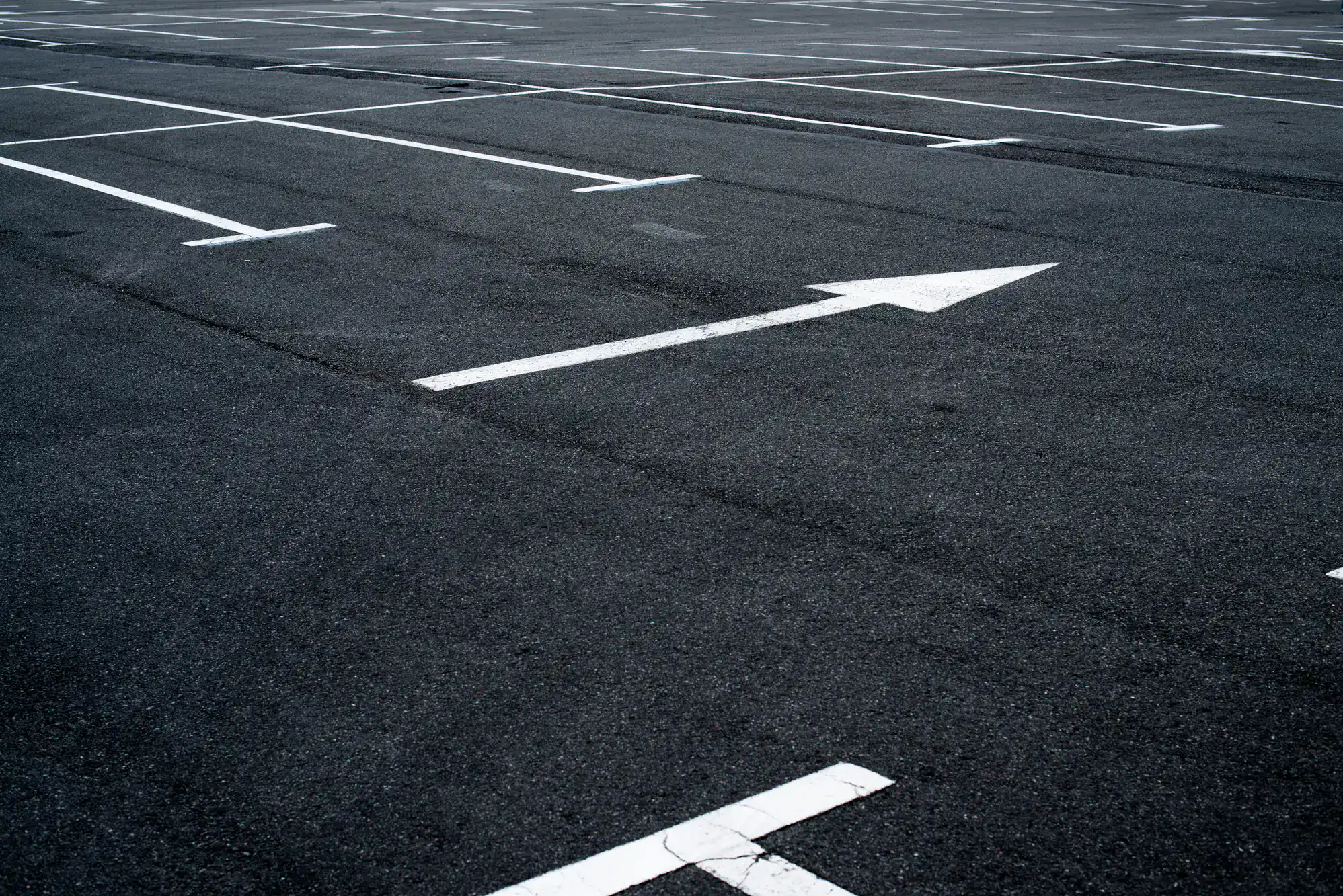
Most parking lot failures in Lake Shore aren’t random. They’re predictable and preventable. Water gets into micro-cracks, freezes, expands, and opens those cracks wider every single winter. By the time you’re looking at a potholed, heaved-up surface, the damage has been building for years underneath. The right installation stops that cycle before it starts.
Living on the Hog Neck peninsula means your pavement is dealing with more than just traffic. The Magothy River, Main Creek, and Bodkin Creek surround this community, and that coastal humidity works on asphalt year-round not just in winter. If the subbase isn’t properly graded and compacted, moisture finds its way in from below as much as above. That’s a detail a lot of contractors skip. It’s also why a lot of parking lots in Lake Shore fail ahead of schedule.
For commercial properties along Mountain Road or HOA-managed communities like Bodkin Pointe and Sunset Beach, the stakes are real. A deteriorating lot affects customer perception, creates liability exposure, and signals to everyone who pulls in that maintenance isn’t a priority. A well-built lot does the opposite it tells people something about how you run your operation before they even walk through the door.
We’ve been doing commercial paving work in Maryland and Central and Northern Virginia since 2011 that’s 14 years of Maryland winters, county permit processes, and real commercial projects in communities like Lake Shore, not a company that showed up last season and is figuring things out on your property.
We hold MHIC License #159766, which is Maryland’s legal requirement for contractors doing this type of work. It’s publicly searchable. Our BBB A+ accreditation, earned in August 2024, adds another layer of accountability that HOA boards and commercial property managers in Lake Shore specifically look for before approving a vendor. These aren’t marketing claims they’re verifiable credentials you can check in about two minutes.
Headquartered in Annapolis, we’re minutes from Lake Shore via MD Route 2 and MD Route 177. When a project is underway at a commercial property near Lakeshore Plaza or a waterfront community off Magothy Beach Road, we’re not dispatching from three counties away. We know this area, we know the county’s requirements, and we’re close enough to be accountable when it counts.
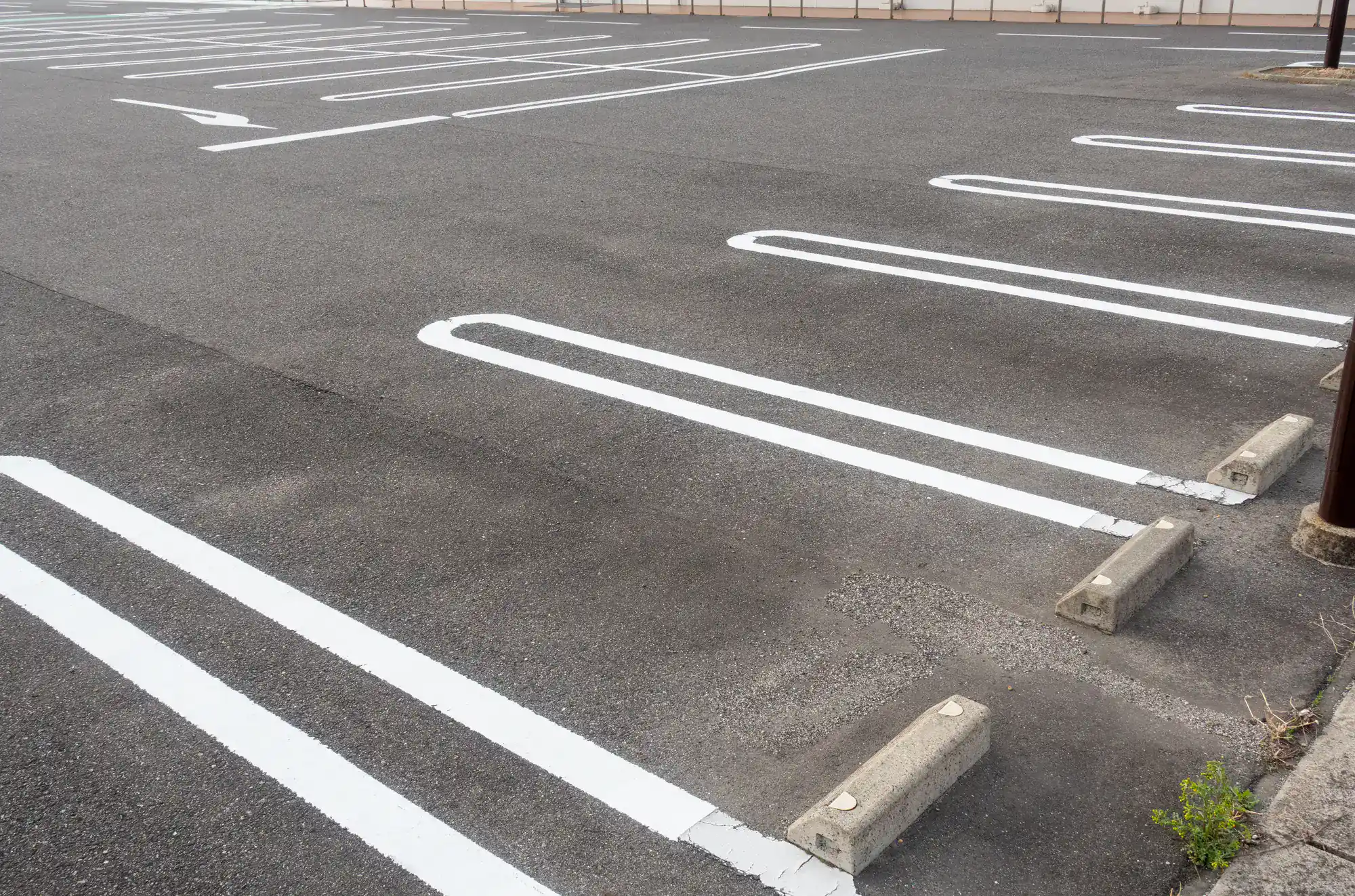
It starts with a site visit. Before any numbers are put on paper, we evaluate the lot existing pavement condition, drainage patterns, subbase integrity, and any ADA compliance gaps that need to be addressed. In Lake Shore specifically, drainage grading gets close attention because of the community’s proximity to tidal waterways. Properties near the Magothy River or Bodkin Creek can have drainage challenges that aren’t obvious until someone actually looks for them. That assessment shapes everything that comes after.
From there, you get a written proposal. Not a ballpark, not a verbal estimate a written document that specifies scope, materials, asphalt thickness, timeline, and total cost. For HOA boards that need to present the project to their membership, or commercial property managers who need ownership sign-off, this is a requirement, not a courtesy.
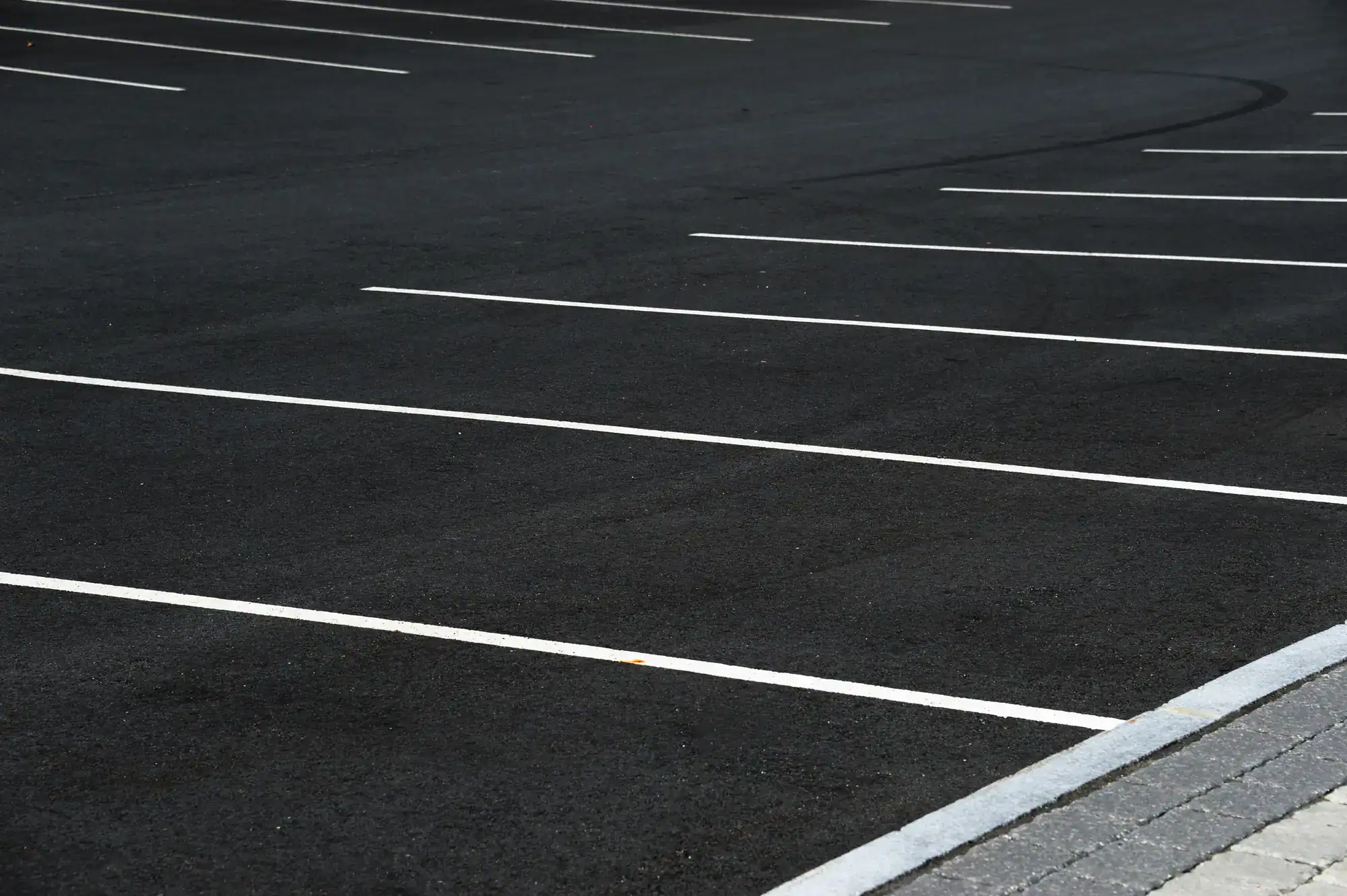
Once work begins, the process moves in phases designed to minimize disruption. A standard commercial lot installation runs three to seven days. Asphalt needs 24 to 48 hours before light traffic can return, and about three to seven days before heavy commercial use. That timeline gets communicated before a single piece of equipment arrives, so businesses along Mountain Road and residents in community parking areas know exactly what to expect. The project wraps with line striping and a final walkthrough so the lot is ready to work the moment it opens back up.
Maryland and Central and Northern Virginia may require permits depending on the scope of your project, particularly if it involves grading changes or impervious surface expansion near tidal areas. That’s part of the process, and we handle it properly not skipped.
Ready to get started?
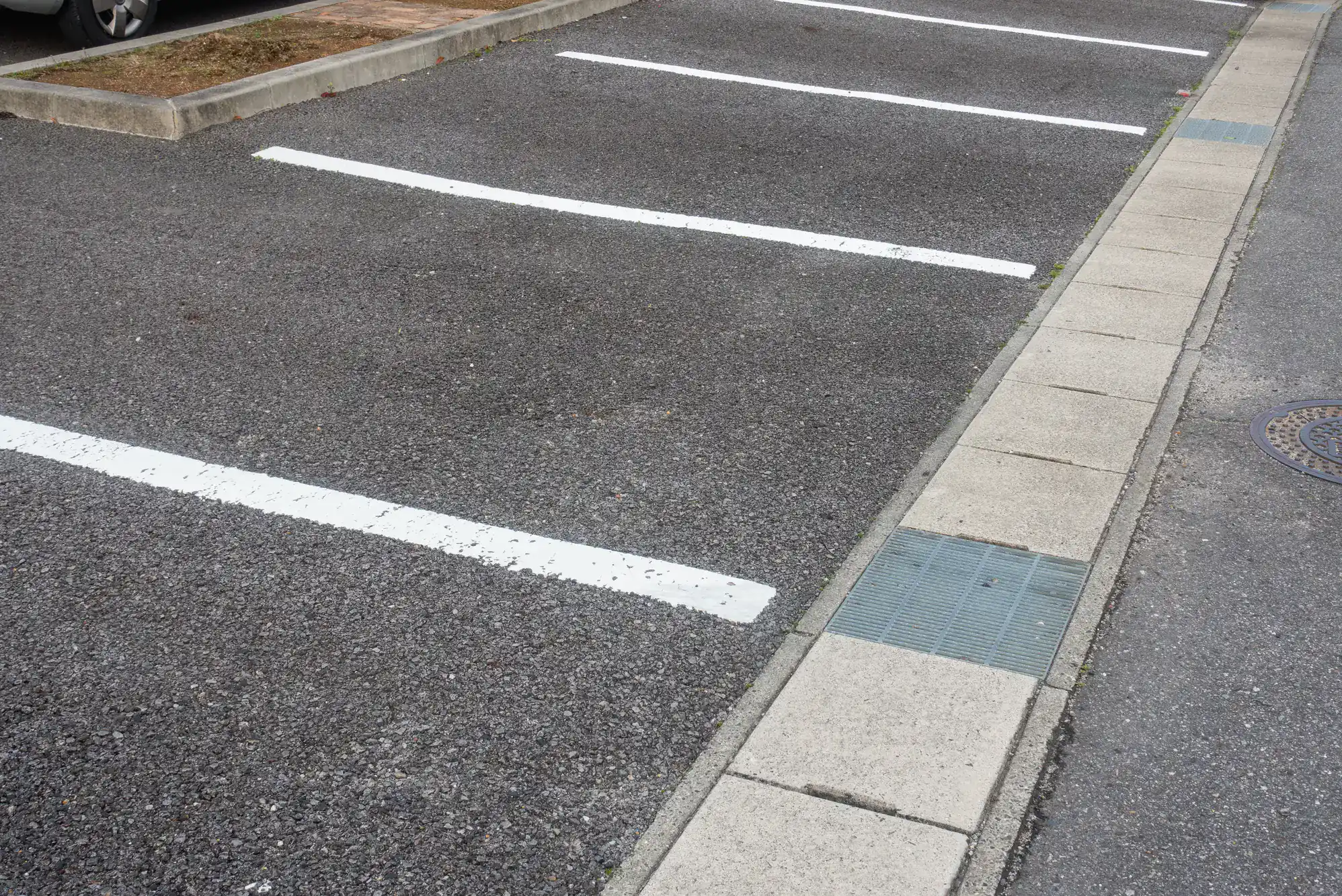
We handle the full scope of commercial parking lot work in Lake Shore new parking lot construction, asphalt resurfacing, crack filling, sealcoating, and parking lot line striping. That matters more than it sounds. When one contractor owns every phase of the project, there’s no gap between the paving crew and the striping crew, no finger-pointing if something doesn’t meet spec, and no coordination overhead for the property manager. One point of contact, one standard of accountability.
For new parking lot construction, the process is built from the ground up literally. Subbase preparation, proper compaction, commercial-grade hot-mix asphalt, and drainage grading that accounts for Lake Shore’s coastal moisture conditions and Maryland and Central and Northern Virginia’s stormwater management requirements. The 21122 ZIP code has more waterfront homes than any other ZIP code in the county, and many of those properties sit within or near Maryland’s Chesapeake Bay Critical Area. That regulatory context affects how drainage and impervious surface work gets handled, and it’s something a contractor with real local experience already knows how to navigate.
ADA compliance is engineered into every commercial lot from the design phase accessible space ratios, van-accessible aisle widths, running slopes, cross slopes, and clearly marked accessible routes. For commercial property owners in Lake Shore, that’s not optional. It’s a liability issue with real federal enforcement behind it. We also offer sealcoating and re-striping programs to protect your paving investment on an ongoing basis, so the lot you build today is still performing five, ten, and fifteen years from now.
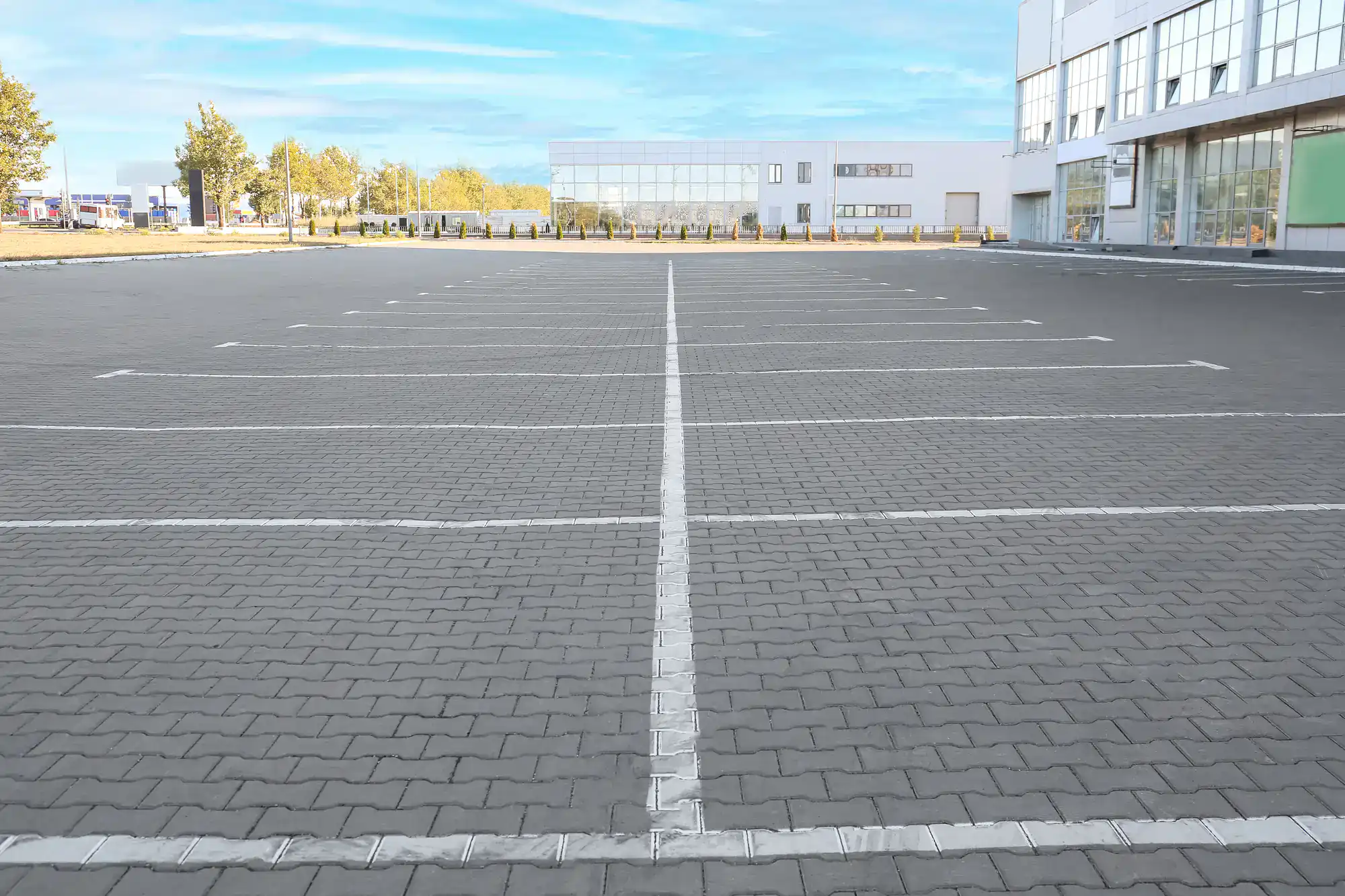
Commercial parking lot paving in Lake Shore typically runs between $3 and $7 per square foot for new asphalt installation, though the actual number for your project depends on several factors lot size, current subbase condition, drainage requirements, and whether ADA upgrades are part of the scope. A 10,000-square-foot lot might come in between $30,000 and $70,000 depending on those variables.
What often surprises property owners in Lake Shore is how much subbase work affects the final number. In this area, where coastal humidity and tidal proximity can compromise subbase integrity over time, a thorough base assessment before pricing is essential. A contractor who quotes without looking at what’s underneath is giving you a number that may not hold. Written quotes that break out materials, base prep, and scope separately are the only way to compare bids accurately and that’s what you should expect from any contractor you’re seriously considering.
A properly installed commercial parking lot in Maryland should last 20 to 30 years with a consistent maintenance program. Without one, you’re looking at 10 to 15 years before significant deterioration sets in sometimes less, depending on traffic volume and how well the original installation was done.
In Lake Shore specifically, the combination of Maryland and Central and Northern Virginia’s freeze-thaw cycling and the area’s coastal humidity accelerates wear faster than in drier inland markets. Sealcoating every two to three years and addressing cracks before they widen are the two biggest factors in extending pavement life. A lot that gets sealcoated on schedule can hold its surface integrity significantly longer than one that goes untreated. The math on proactive maintenance versus full replacement is straightforward maintaining costs a fraction of replacing, and the difference compounds over time.
It depends on the scope of the project. In Maryland and Central and Northern Virginia which governs Lake Shore as an unincorporated community commercial paving projects that involve grading changes, drainage modifications, or increases in impervious surface area typically require permits through the county’s Inspections and Permits division. Straightforward resurfacing of an existing lot may not trigger the same requirements, but it’s worth confirming before work begins.
There’s an additional layer for properties near tidal waterways. Portions of Lake Shore fall within Maryland’s Chesapeake Bay Critical Area designation, which applies within 1,000 feet of tidal waters like the Magothy River and Bodkin Creek. Projects in or near that zone may require additional review related to stormwater management and drainage. We already know where these requirements apply and how to handle them it shouldn’t be something you’re figuring out after the fact.
Resurfacing also called an overlay involves applying a new layer of asphalt over the existing pavement. It’s a viable option when the current surface has deteriorated but the subbase beneath it is still structurally sound. It costs significantly less than full replacement and can add 10 to 15 years of life to a lot that’s showing surface wear but hasn’t failed at the foundation level.
Full replacement means removing the existing pavement entirely, re-grading and compacting the subbase, and starting fresh. It’s the right call when the subbase has been compromised which in Lake Shore can happen when drainage issues have allowed water to infiltrate and weaken the base layer over time. The honest answer on which approach your lot needs comes from a proper site assessment, not a guess. A contractor who recommends full replacement without evaluating the subbase, or one who pushes an overlay on a lot with structural problems, is not giving you sound advice either way.
HOA parking lot paving projects in communities like Bodkin Pointe, Sunset Beach, and Lake Shore on the Bay follow the same technical process as any commercial lot but the decision-making and approval process has more layers. HOA boards are making a fiduciary decision on behalf of homeowners who’ve invested hundreds of thousands of dollars in their properties, so the vetting process tends to be thorough. Expect requests for proof of MHIC licensure, certificates of insurance, and a written proposal detailed enough to present to the full membership.
The paving work itself often needs to be phased carefully in waterfront communities with single-entry parking areas, so residents maintain access throughout the project. Marina parking lots, boat launch areas, and community center parking all have their own traffic patterns and usage peaks that affect scheduling. Getting the timing right typically late spring through early fall in Lake Shore and communicating clearly with residents before work begins is as important as the paving itself. These are the details that separate a smooth HOA project from a contentious one.
Maryland requires any contractor performing commercial paving work to hold a valid MHIC license the Maryland Home Improvement Commission credential that confirms they’ve met the state’s licensing, background, and bonding standards. It’s publicly searchable at the MHIC website. If a contractor can’t provide their license number or it doesn’t come back clean when you search it, that’s a hard stop.
Beyond the license, look for verifiable business history. A company that’s been operating continuously in Maryland and Central and Northern Virginia for over a decade has a track record you can actually investigate reviews, references, completed projects. BBB accreditation is another signal that HOA boards and commercial property managers in Lake Shore specifically use as a baseline vetting criterion. The paving industry has a documented problem with contractors who take deposits and disappear or lay thin asphalt over inadequate bases. The combination of a valid MHIC number, a verifiable operating history, and a written proposal that details exactly what’s being installed and how that’s what separates accountable contractors from the ones you’ll be chasing down six months later.
Local Resources
Other Services we provide in Lake Shore