
Hear from Our Customers
The Mayo Peninsula isn’t a forgiving environment for asphalt. You’re dealing with salt air off the Chesapeake Bay, tidal flooding that the community’s own roads can’t always handle, and Maryland winters that crack anything that wasn’t installed right to begin with. When water gets under an asphalt surface whether it’s from poor drainage or standing flood water it doesn’t take long before you’re looking at potholes, heaving, and a surface that costs far more to fix than it would have to build correctly the first time.
A properly installed commercial parking lot in Mayo starts with drainage. That’s not a selling point it’s the foundation. Without it, the rest doesn’t matter. Whether you’re running a marina on the peninsula, managing a community association in Selby-on-the-Bay, or operating a small business along Route 214, your lot needs to be engineered for the conditions it actually faces not just paved and left to figure it out.
Beyond the surface itself, a lot that’s in good shape also means your customers can park safely, your ADA obligations are met, and you’re not fielding complaints every time someone hits a pothole or trips on a cracked edge. The functional difference between a lot that was done right and one that wasn’t shows up within the first three to five years and it only gets more expensive from there.
We’ve been based out of Annapolis since 2011 about 13 miles from the Mayo Peninsula. That’s not a coincidence. Anne Arundel County is the market we’ve built our business in, which means we understand the drainage challenges, the county permitting process, and the specific wear patterns that waterfront communities like Mayo put on commercial asphalt.
We hold MHIC License #159766, carry full insurance, and maintain a BBB A+ rating. Those aren’t boxes we checked once they’re the baseline for how we operate on every job. For community associations, marina operators, and commercial property owners along Route 214 in Mayo who are responsible for making the right call on a contractor, those credentials matter.
We handle the full scope new parking lot construction, asphalt installation, sealcoating, crack repair, and line striping so you’re not coordinating three different vendors for one project.
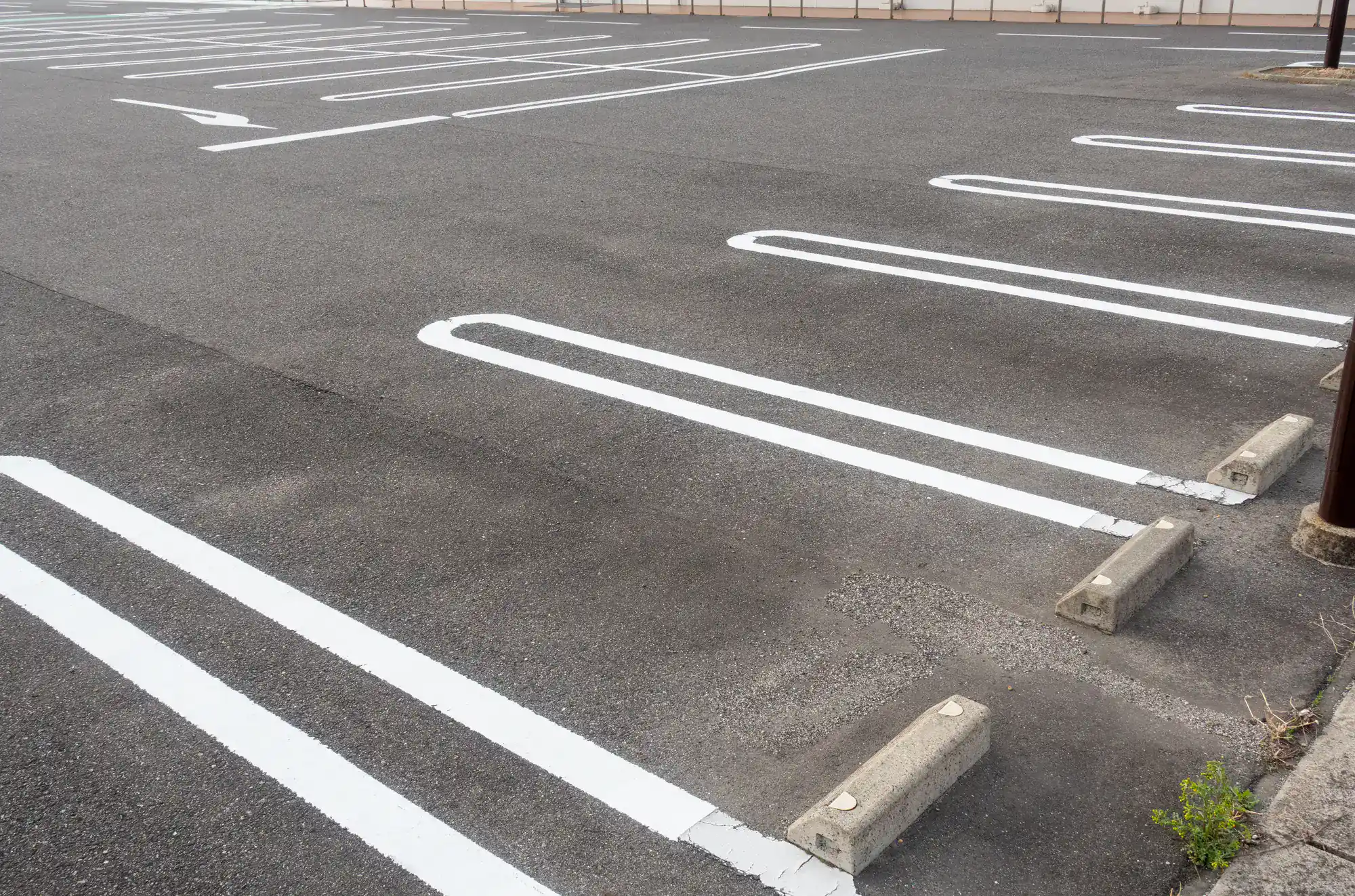
It starts with a site assessment, and on the Mayo Peninsula, drainage is the first thing we look at. Given the documented flooding issues on the peninsula’s roads and the low-lying nature of many commercial properties near the South River and Rhode River, we evaluate how water moves across your site before anything else gets planned. If drainage isn’t addressed in the design, the rest of the installation is fighting an uphill battle.
From there, we handle grading and subbase preparation the work that most people never see but that determines whether your lot lasts 5 years or 25. Once the base is right, we install commercial-grade hot-mix asphalt to the thickness your traffic load requires. A marina lot handling boat trailers and service trucks needs more material and a stronger base than a standard office parking lot, and we spec the job accordingly.
After installation, we handle line striping and ADA-compliant space markings as part of the same project. If you need the work done before boating season kicks off in May or after it winds down in October which most waterfront businesses on the peninsula prefer we plan the schedule around your operating calendar. You’ll know the timeline, the scope, and what to expect before we start. No surprises on-site.
Ready to get started?
Whether you need a full new parking lot built from the ground up or an existing surface repaired and restriped, we cover the complete scope. New parking lot construction in Mayo involves more than laying asphalt it includes grading, drainage engineering, subbase compaction, and stormwater considerations that Anne Arundel County may require depending on the size of the new impervious surface. We’re familiar with the county’s permitting process and right-of-way requirements for properties along Route 214 and Route 253, so that part of the project doesn’t fall on you to figure out.
For commercial properties that already have a lot in place, asphalt resurfacing, crack filling, and sealcoating are the most cost-effective way to extend the surface life before a full replacement becomes necessary. Sealcoating every two to five years is especially important in waterfront environments like Mayo, where salt air accelerates the oxidation of asphalt binders and causes surfaces to harden and crack faster than they would inland.
Parking lot line striping and ADA-compliant accessible space markings are included as part of any full installation or resurfacing project. If your lot serves the public whether it’s a marina, a community facility in Beverly Beach, or a commercial property federal ADA requirements apply, and building compliance in from the start is significantly less costly than addressing it after a complaint.
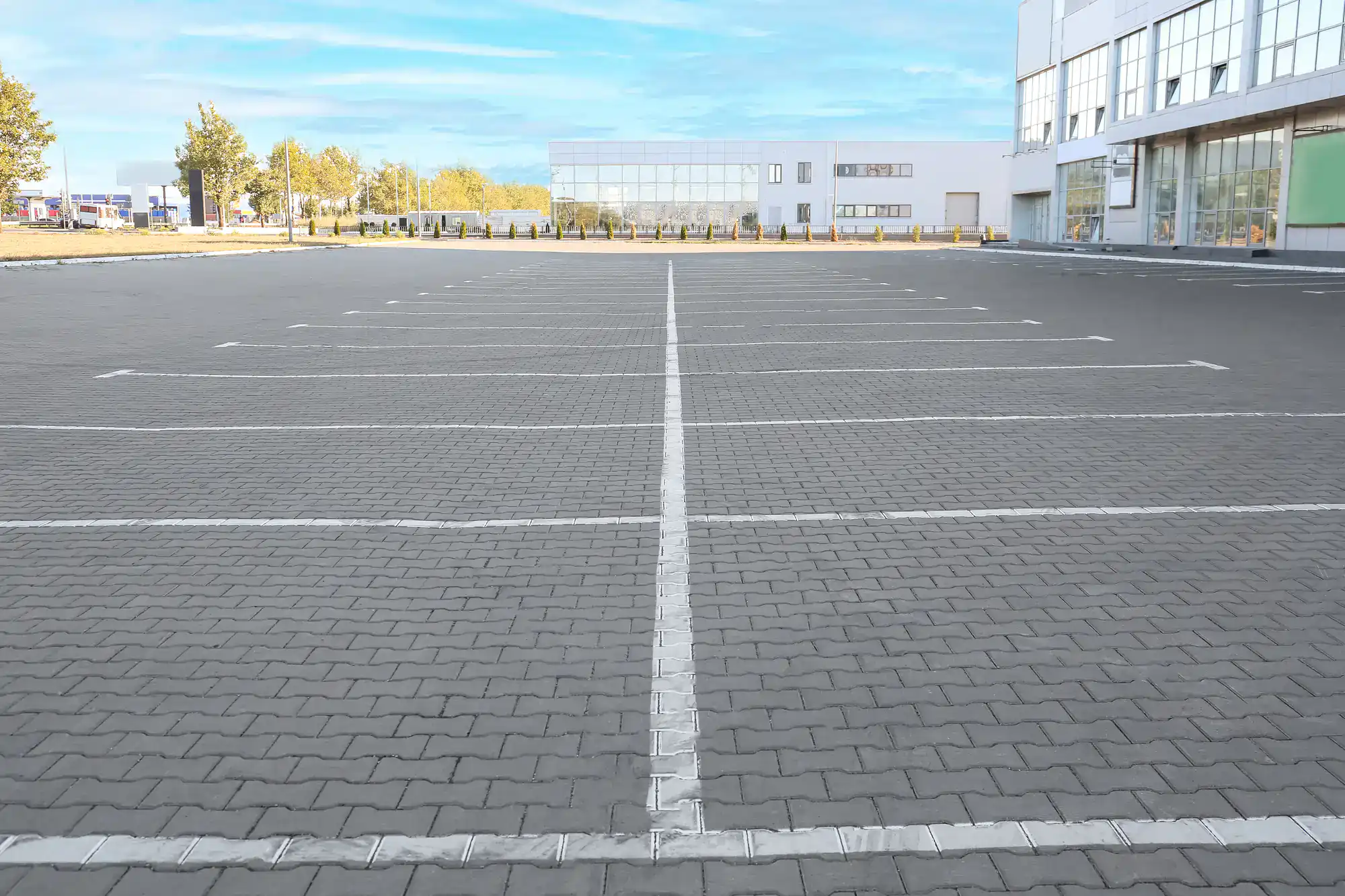
It’s one of the most direct threats to asphalt longevity in this area. When water sits on or under an asphalt surface whether from tidal flooding, heavy rain, or poor drainage it works its way into the subbase and weakens the structural foundation of the lot. Once that happens, you start seeing cracking, heaving, and potholes that get worse with every freeze-thaw cycle through the winter.
The Mayo Peninsula’s documented road flooding issues aren’t unique to the public roads they affect commercial and private parking surfaces the same way. Anne Arundel County is actively studying the peninsula’s vulnerability to sea level rise and storm surge, which tells you this isn’t a short-term concern. The only real solution is to engineer drainage correctly during installation, not patch around it afterward. A lot built with proper grading and drainage can handle these conditions and still perform for 20-plus years. One that wasn’t will start showing problems within the first few.
The main differences are material specification, thickness, and base preparation. Residential driveways are typically installed at 2 to 3 inches of asphalt over a compacted gravel base, which is appropriate for passenger vehicles. Commercial parking lots especially ones handling heavier traffic like boat trailers, delivery trucks, or service vehicles common at Mayo’s marinas require 3 to 5 or more inches of asphalt and a more engineered subbase to prevent rutting and premature failure.
The mix design also matters. Commercial-grade hot-mix asphalt is formulated differently than the material used for residential driveways. Most of the contractors showing up in local search results for Mayo are primarily driveway contractors. That’s not a limitation on their part it’s just a different scope of work. If your lot handles anything heavier than standard passenger cars on a regular basis, the installation needs to be spec’d for that load from the beginning.
It depends on the scope of the project. Routine resurfacing or sealcoating of an existing lot typically doesn’t require a permit. But new parking lot construction or any project that involves significant grading, drainage system changes, or new curb cuts along a county road like Route 214 or Route 253 will generally require permits from Anne Arundel County’s Department of Inspections and Permits, and potentially a right-of-way permit from the county’s Public Works department.
If your project creates new impervious surface above a certain threshold, Maryland’s stormwater management requirements may also apply which is particularly relevant on the Mayo Peninsula given the county’s active focus on flooding vulnerability and runoff management in low-lying coastal areas. We’re familiar with the Anne Arundel County permitting process and can help you understand what’s required for your specific project before any work begins.
Asphalt needs to be installed when ambient temperatures are consistently above 50°F, which in Maryland puts the practical installation window between April and October. Within that window, the timing that works best for most commercial properties on the Mayo Peninsula is either early spring March through April before boating season starts or fall, typically October through November after the summer season winds down.
For marinas and waterfront businesses on the peninsula, May through September is peak revenue season. Most operators don’t want a paving project closing their lot or limiting access during that window, and we plan around that. If your project needs to happen during the season, phased paving can keep portions of the lot accessible while work progresses in sections. The goal is always to minimize disruption to your operation not just get the job done on our schedule.
If your parking lot serves the public customers, clients, residents, or visitors then yes, federal ADA requirements apply regardless of where you’re located. That means the correct ratio of accessible spaces to total spaces, proper slope on those spaces and the access aisles, van-accessible aisle dimensions, and clearly marked accessible routes to the building entrance.
The first-violation federal fine for ADA non-compliance can reach $75,000, and enforcement has increased in recent years. For community associations in neighborhoods like Selby-on-the-Bay that manage shared parking facilities, and for commercial property owners along Route 214 in Mayo, the liability is real. Building ADA compliance into a new installation or a resurfacing project is straightforward and doesn’t add significant cost. Retrofitting it after a complaint or after an inspection almost always costs more. We engineer accessible space requirements into every commercial parking lot project from the start.
A properly installed commercial parking lot in Maryland can last 20 to 25 years with routine maintenance. The key phrase is properly installed meaning engineered drainage, the right asphalt thickness for your traffic load, and adequate subbase compaction. In a waterfront environment like Mayo, where salt air accelerates surface oxidation and tidal flooding creates drainage stress, skipping any of those steps shortens that lifespan significantly.
Maintenance is the other half of the equation. Sealcoating every two to five years protects the surface from UV exposure, water penetration, and the salt air that’s unavoidable on the Chesapeake Bay peninsula. Crack filling as soon as cracks appear rather than waiting until they become structural problems keeps water from reaching the subbase. A lot that gets consistent maintenance from the beginning will consistently outperform one that gets ignored between major repairs. The cost of ongoing maintenance is a fraction of what full replacement runs, and it’s the most straightforward way to protect the original investment.