Hear from Our Customers
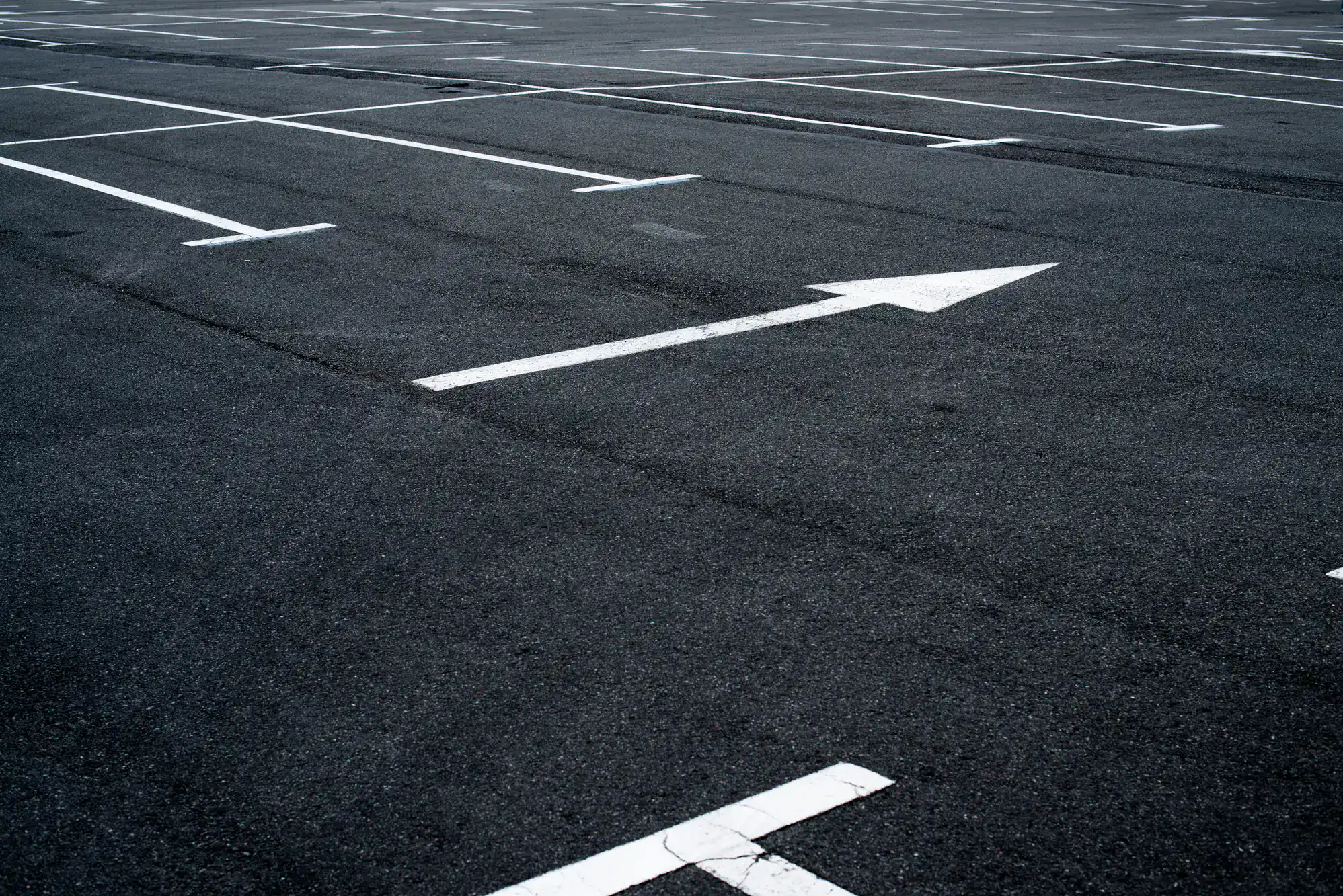
Every winter along the MD Route 2 corridor that runs through Owings, freeze-thaw cycles do quiet, consistent damage to asphalt. Water finds its way into small cracks, freezes, expands, and come spring, what was a hairline fracture is now a pothole your customers are navigating around. A properly installed parking lot built on a compacted subbase with the right drainage grade interrupts that cycle before it starts. That’s not a sales pitch, it’s just how asphalt behaves in this climate.
For commercial properties in Owings, the stakes are higher than most people realize. The Calvert County Zoning Ordinance requires that any lot with five or more spaces be delineated with paint or permanent markings, and ADA-accessible spaces need both pavement markings and signage to be compliant. A lot that’s cracking, fading, or missing proper markings isn’t just an eyesore it’s a liability. Federal ADA first-violation fines can reach $75,000, and that’s before you factor in the slip-and-fall exposure from a surface that’s past its service life.
The good news is that a well-built commercial parking lot in this area can realistically last 15 to 25 years with the right maintenance behind it. That’s not a stretch it’s what happens when the base prep is done correctly, the drainage is engineered for Owings’ rolling terrain and wooded lot conditions, and the surface gets sealcoated on a regular schedule. You’re not just paving a lot. Under IRS Publication 946, you’re investing in a 15-year depreciable business asset.
We’ve been operating out of Annapolis since 2011 23 miles north of Owings on the same MD Route 2 corridor that runs straight through your town. That’s not a coincidence worth ignoring. It means the crew that shows up to your property has driven that road hundreds of times, understands what Calvert County soil and frost conditions do to pavement, and isn’t learning the local permitting process on your dime.
We hold MHIC License #159766 Maryland’s legally required Home Improvement Commission credential and earned BBB A+ accreditation in August 2024. Those aren’t decorative. They’re the baseline that separates accountable contractors from the ones who disappear after the deposit clears. If you’ve been burned before, or you’ve heard the stories from other property owners along Route 260 or Old Solomons Island Road in Owings, you already know why that distinction matters.
We handle the full lifecycle of a commercial lot: new asphalt installation, sealcoating, crack filling, repairs, and ADA-compliant line striping. One contractor, one point of contact, one standard of work across every phase.
It starts with a site assessment. Before any equipment shows up, we evaluate the existing surface and subbase conditions drainage patterns, current pavement depth, any areas where water is pooling or the base has already compromised. In Owings, the rolling terrain and wooded lot conditions in subdivisions like Victoria Station and Grover’s Summit mean drainage grading isn’t something that gets eyeballed. It gets engineered. Calvert County’s own construction standards acknowledge that local soil conditions and frost levels may require thicker pavement sections than the baseline minimum, and that determination gets made at this stage.
Once the scope is clear, we handle permitting through Calvert County’s Inspections and Permits Division in Prince Frederick. Any project modifying more than 5,000 square feet of impervious area triggers engineering review which covers most commercial lot projects. That process moves faster when the contractor submitting knows the county’s requirements and isn’t figuring it out mid-project.
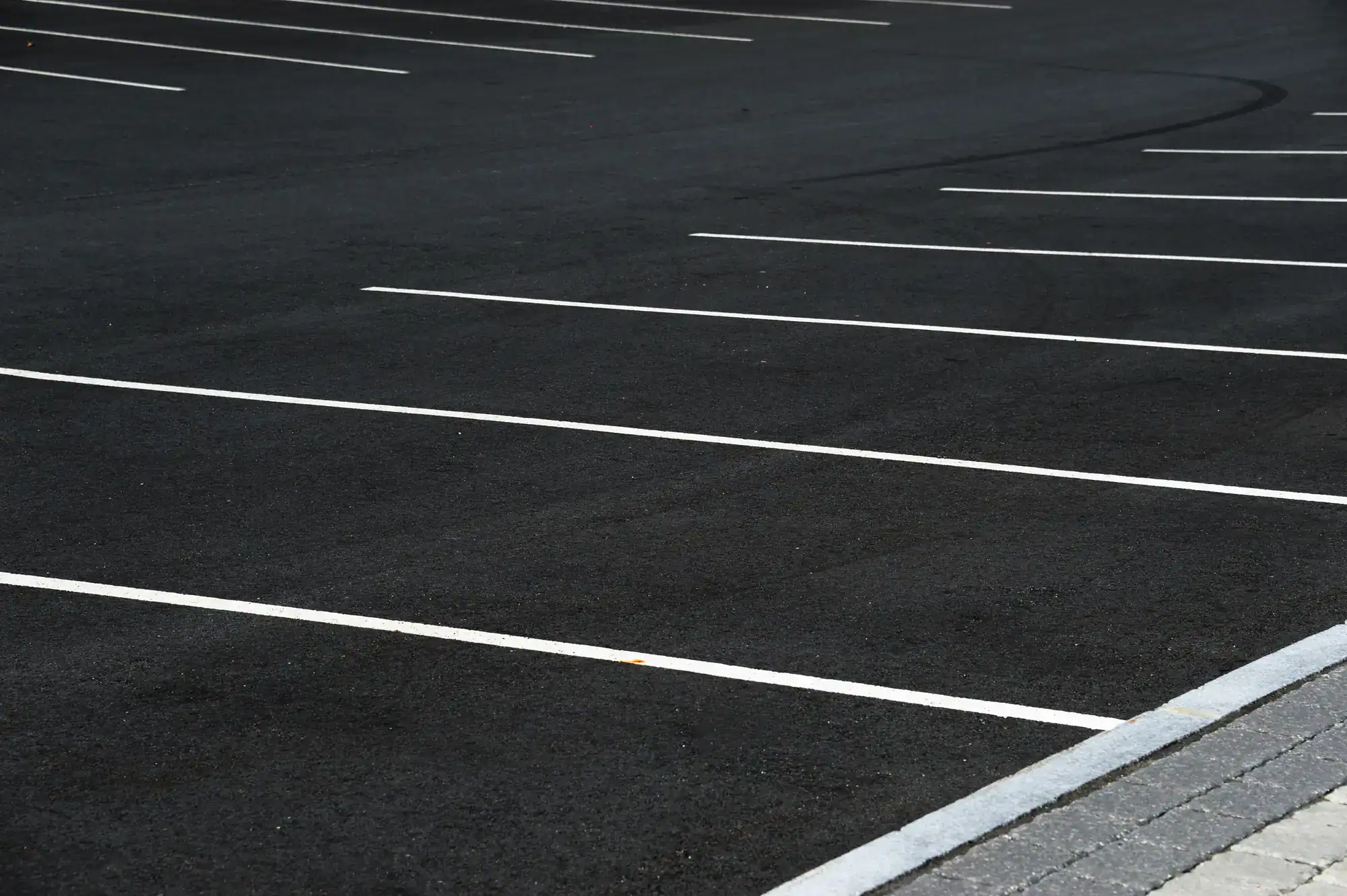
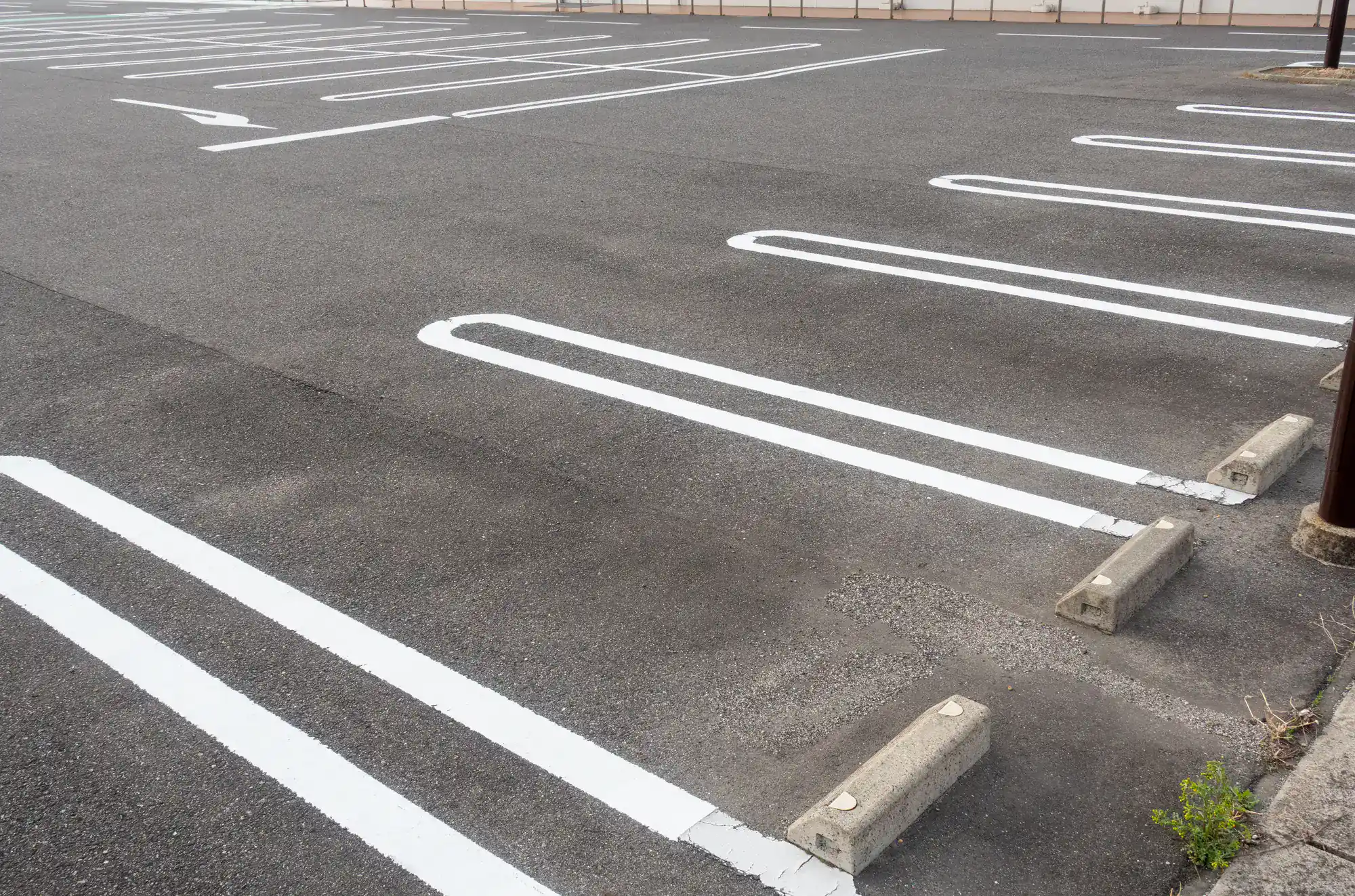
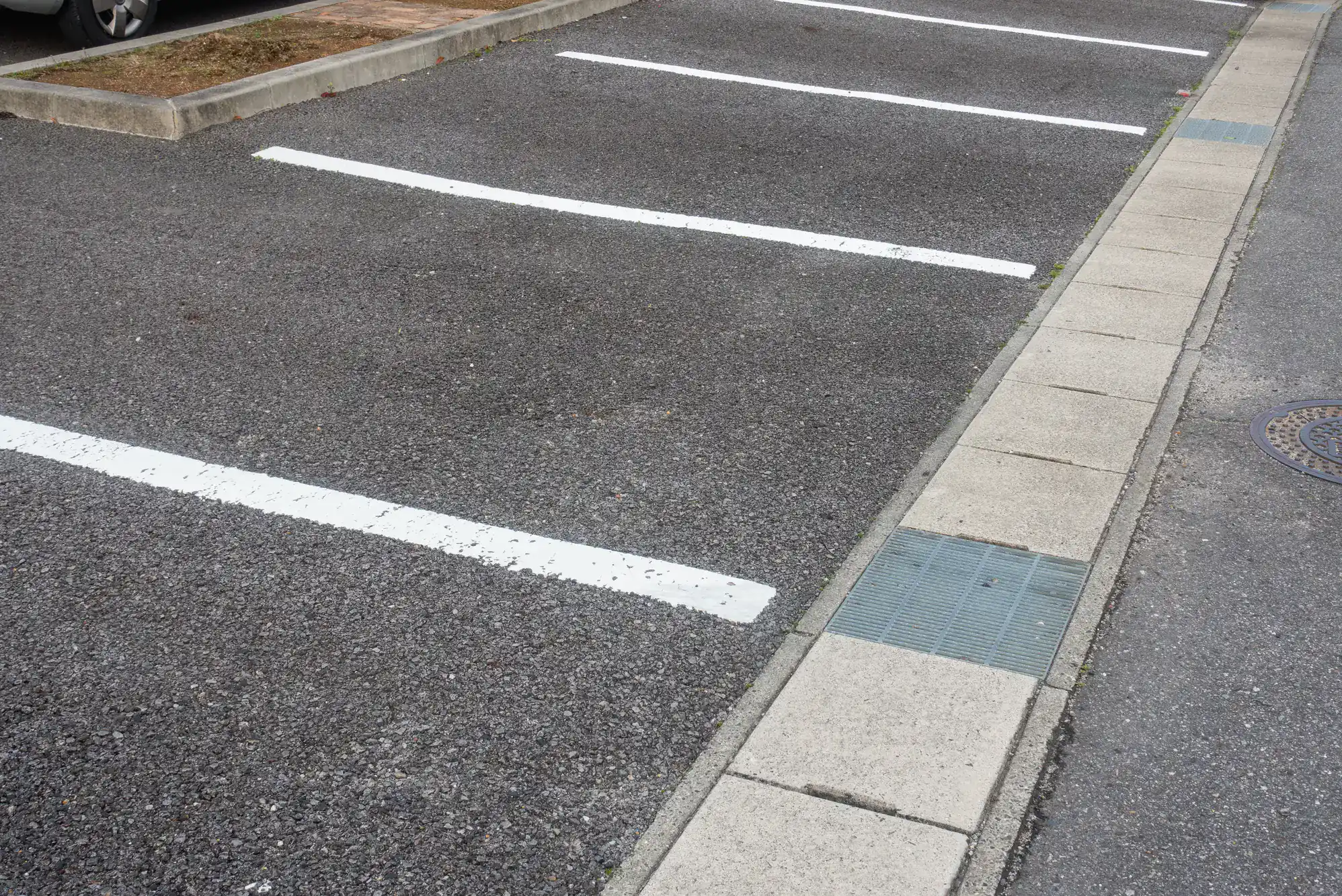
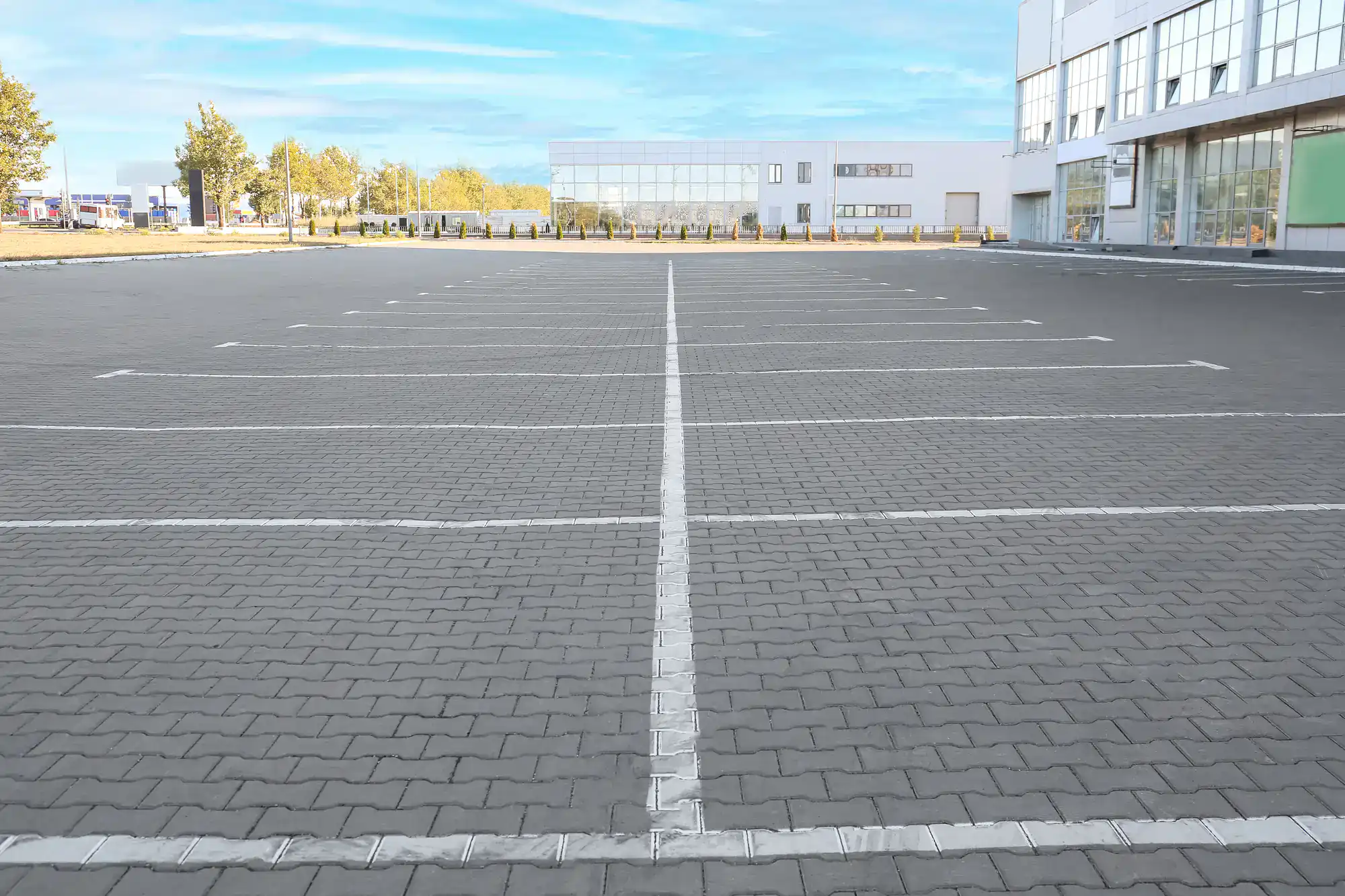
Installation itself follows a defined sequence: existing surface removal if needed, subbase grading and compaction, hot-mix asphalt laid in the appropriate thickness for your traffic load, and final compaction. After the surface cures, we complete line striping to Calvert County zoning dimensions 9 feet wide by 18 feet long per standard space with ADA-accessible markings and signage placed to federal compliance standards. You get a finished lot, not a finished lot that still needs a striping crew scheduled separately.
Ready to get started?
New parking lot construction in Owings means starting from the ground up subbase preparation, drainage engineering, asphalt installation, and compliant striping. For properties in or near the Owings Town Center zone, where Calvert County has proposed doubling the development footprint, getting that foundation right from day one is what determines whether you’re maintaining a lot or replacing one in eight years.
For existing lots, the conversation usually starts with an honest assessment of where things stand. Sometimes a full replacement is the right call. More often, a combination of targeted repairs, resurfacing, and a sealcoating program can extend a lot’s life significantly without the cost of starting over. Sealcoating is typically recommended every two to five years in this climate it slows oxidation, blocks moisture penetration, and keeps the surface from becoming brittle under Calvert County’s summer heat and winter freeze cycles. Crack filling before sealcoat is what makes that protection actually hold.
Industrial and office properties near the North Calvert Industrial Park or along the MD Route 2 commercial corridor have different demands than a standard retail lot. Heavier vehicle loads require thicker asphalt sections and a subbase engineered for that traffic. We spec materials and depth based on actual use not a one-size approach that leaves a heavy-traffic lot failing ahead of schedule. The end result, regardless of property type, is a surface that meets Calvert County’s standards, holds up to local conditions, and doesn’t require your attention again for years.
Yes, in most cases. Because Owings is an unincorporated community, all permitting runs through Calvert County’s Inspections and Permits Division, located at 150 Main Street in Prince Frederick not through a local municipal office. Calvert County code states clearly that no person shall construct any infrastructure, including paving and drainage structures, without first obtaining a permit.
For commercial parking lot projects in Owings, the threshold that typically triggers engineering review is any modification to impervious area exceeding 5,000 square feet. Most commercial lots will cross that line. The county’s construction standards also allow the county engineer to require thicker pavement sections than the baseline minimum based on local soil conditions, traffic loading, or frost levels which is why having a contractor familiar with Calvert County’s specific requirements matters. Going in without that knowledge can slow a project down considerably or create compliance issues after the work is done.
A properly installed commercial asphalt lot in Calvert County can last anywhere from 15 to 25 years, depending on installation quality, traffic load, and how consistently it’s maintained. The climate here is genuinely hard on pavement hot, humid summers accelerate surface oxidation, and the freeze-thaw cycles through winter repeatedly stress any moisture that’s found its way into the surface layer.
The biggest variable isn’t the asphalt itself it’s the subbase. A lot installed on a poorly compacted or improperly drained subbase will start showing structural problems within five to eight years regardless of how good the surface material is. Proper drainage grading, adequate compaction, and the right asphalt thickness for your traffic load are what push a lot toward the longer end of that lifespan range. Sealcoating every two to five years and addressing cracks before winter sets in will do the rest.
Resurfacing sometimes called an overlay means laying a new layer of asphalt over the existing surface. It’s a viable option when the current pavement has surface-level deterioration like cracking and oxidation, but the subbase underneath is still structurally sound. It costs significantly less than full replacement and can add years to a lot’s useful life when the timing is right.
Full replacement is the right call when the subbase has failed, when there’s widespread alligator cracking across the surface, or when drainage problems are built into the existing grade and need to be corrected from the ground up. In Owings, where rolling terrain and wooded lot conditions can create drainage issues that compound over time, it’s not uncommon to find lots where the surface looks manageable but the underlying structure has been quietly deteriorating for years. A proper site assessment will tell you which situation you’re actually in and a contractor worth hiring will give you that answer honestly, even when resurfacing is the less profitable option.
Federal ADA standards require a minimum of one accessible parking space for every 25 total spaces in a lot, with at least one of those being van-accessible with an 8-foot-wide access aisle. Each accessible space needs both pavement markings and a vertical sign the markings alone aren’t enough to meet compliance.
Calvert County’s Zoning Ordinance reinforces these requirements locally, explicitly mandating that all off-street parking lots with five or more spaces be delineated with paint or permanent materials and that accessible spaces meet ADA standards. For properties in or near the Owings Town Center zone where new commercial development is actively being planned under the county’s town center expansion building to current ADA standards from the start is far less expensive than retrofitting after a complaint or inspection. First-violation ADA fines at the federal level can reach $75,000, which makes proper striping from day one a straightforward cost-benefit decision.
For a standard commercial asphalt parking lot, you’re generally looking at $2.00 to $4.50 per square foot for installation, depending on lot size, existing conditions, subbase requirements, and the thickness of asphalt specified for your traffic load. A 10,000-square-foot commercial lot typically runs somewhere in the $25,000 to $45,000 range for new construction. Industrial lots near the North Calvert Industrial Park that need heavier-duty sections for truck traffic will sit toward the higher end of that range.
Sealcoating, which should be applied every two to five years to protect the surface, runs roughly $0.15 to $0.30 per square foot. It’s a small recurring cost compared to what it prevents. One thing worth discussing with your accountant: under IRS Publication 946, a commercial parking lot depreciates over 15 years as a business asset, which means the installation cost can be recovered through annual tax deductions. For commercial property owners in Owings where average commercial investment levels tend to be significant that’s a meaningful financial consideration that often gets overlooked.
The most effective approach is phased paving dividing the lot into sections and completing one section at a time so customer access is never fully cut off. For businesses along MD Route 2 or MD Route 260 that depend on daily customer traffic, this is usually the preferred approach, and it’s something that gets planned out before a single piece of equipment arrives on site.
Timing matters too. Asphalt requires ambient temperatures above 50°F for proper installation and curing, which in Calvert County means the practical installation window runs from roughly late March through early November. Summer months give you the longest daily work windows, which can compress the timeline and reduce the number of days any section of the lot is out of service. Scheduling your project in late spring or early summer rather than waiting until fall when contractors are booking out also gives you more flexibility on phasing and sequencing. If you’re managing a property in the Owings Town Center zone where development activity is already picking up, getting on the schedule early is worth doing.
Other Services we provide in Owings