Hear from Our Customers
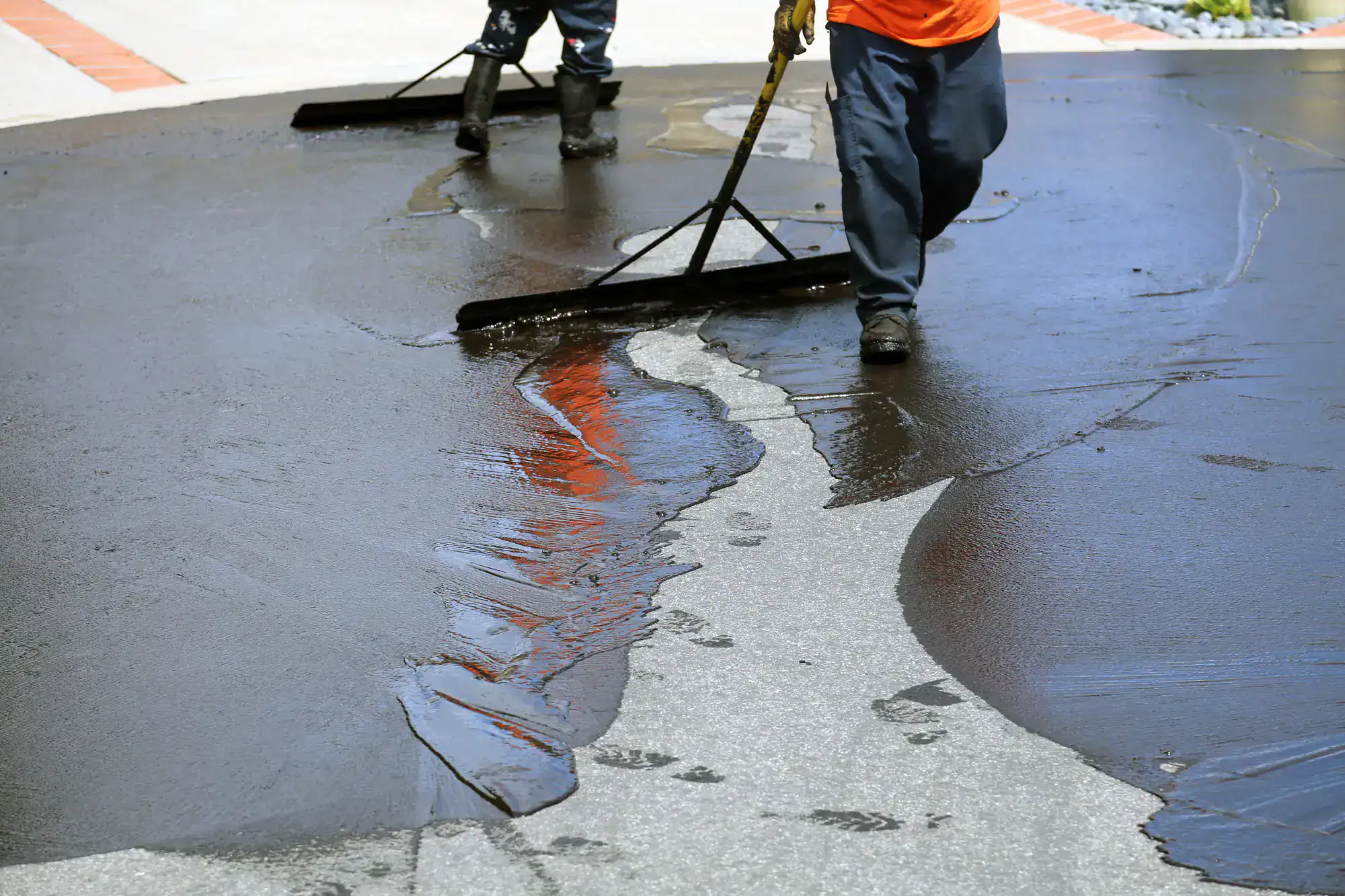
Here’s what most homeowners don’t realize until it’s too late: asphalt doesn’t fail all at once. It fails slowly first the color fades, then small cracks form, then water gets in, freezes, and opens those cracks wider. By the time you notice it, the repair bill has grown from a few hundred dollars into several thousand.
Lexington Park sits in a climate that accelerates every stage of that process. Summers here are hot and humid, with UV exposure that oxidizes asphalt binders and turns a black driveway gray and brittle within a few years of installation. Then winter arrives with its freeze-thaw cycles temperatures swinging above and below 32°F repeatedly through December, January, and February and any moisture that got into those surface cracks does real structural damage from the inside out.
If you live near Southgate or anywhere close to the Patuxent River, add salt air to the list. Coastal humidity and airborne salt accelerate the breakdown of asphalt binders year-round, not just in winter. A professionally applied sealcoat creates a barrier against all of it UV radiation, moisture, road salt, and petroleum spills and extends the life of your driveway by years. The math is simple: sealcoating every two to three years costs a fraction of what full driveway replacement runs, and it keeps your property looking maintained without any guesswork.
Edward Smith Paving is an MHIC-licensed asphalt contractor license #159766, which you can verify directly at the Maryland DLLR website before you ever pick up the phone. That matters here more than most people realize. The Maryland Home Improvement Commission specifically names driveway sealcoating as one of the most common contractor scam categories in the state, and Southern Maryland communities like Lexington Park are not exempt. Unlicensed operators show up, take cash, and disappear. We don’t operate that way, and you can confirm that before you commit to anything.
Beyond the license, we bring over four decades of hands-on asphalt experience to every job from Annapolis down through St. Mary’s County. We understand the difference between a 1950s driveway in the older Patuxent Park neighborhood and a 2010 installation in Pembrooke. The age of the asphalt, its current condition, and what it actually needs that’s what drives our recommendation, not a one-size-fits-all sales pitch.
Before any sealcoat goes down, we conduct a thorough inspection and cleaning of the surface. Dirt, debris, oil spots, and any loose material are removed first because sealcoating over a dirty or compromised surface is one of the fastest ways to waste your money. If there are existing cracks, we fill and repair those before we apply anything. Skipping that step is how you end up with a sealed driveway that fails in one season.
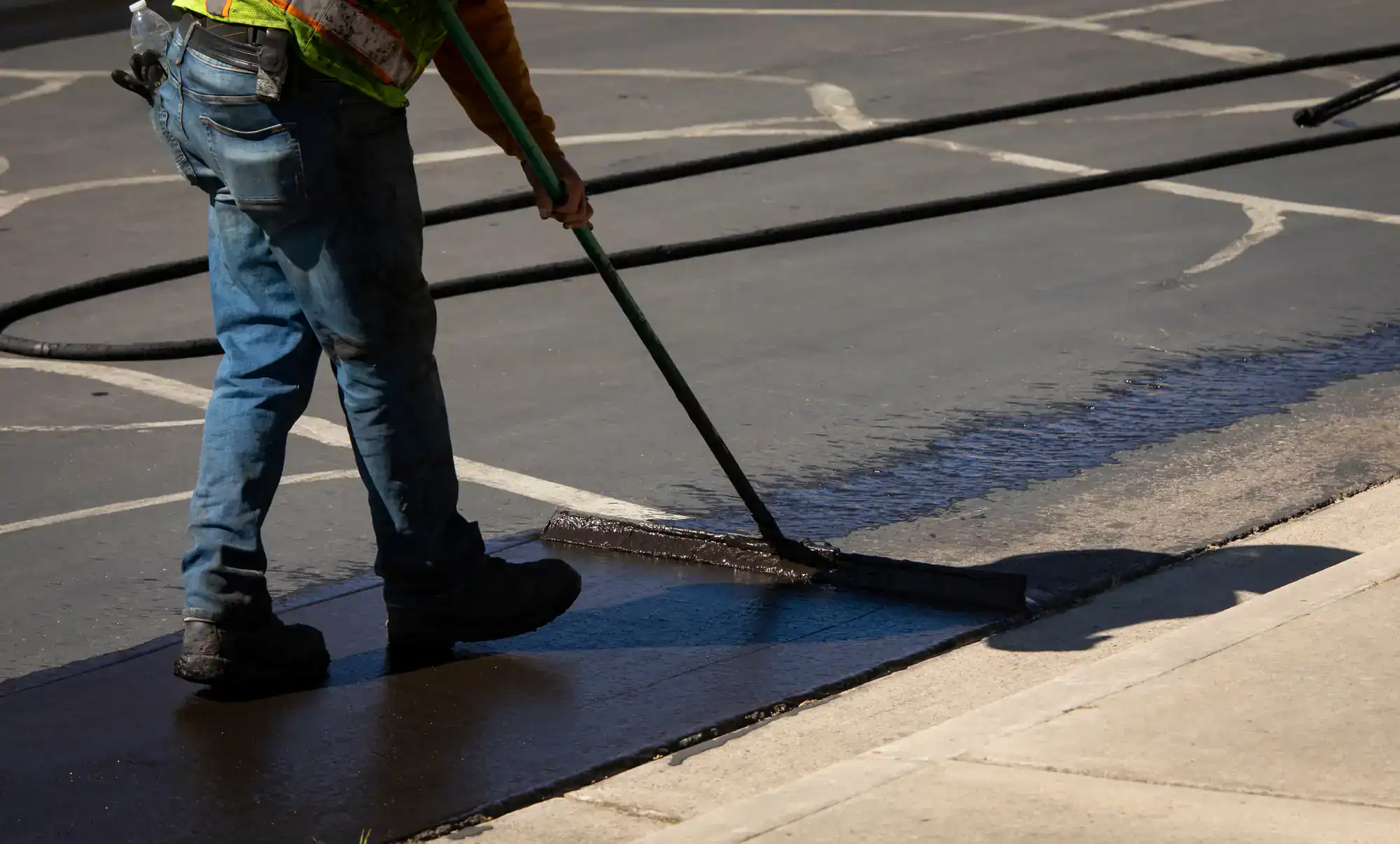
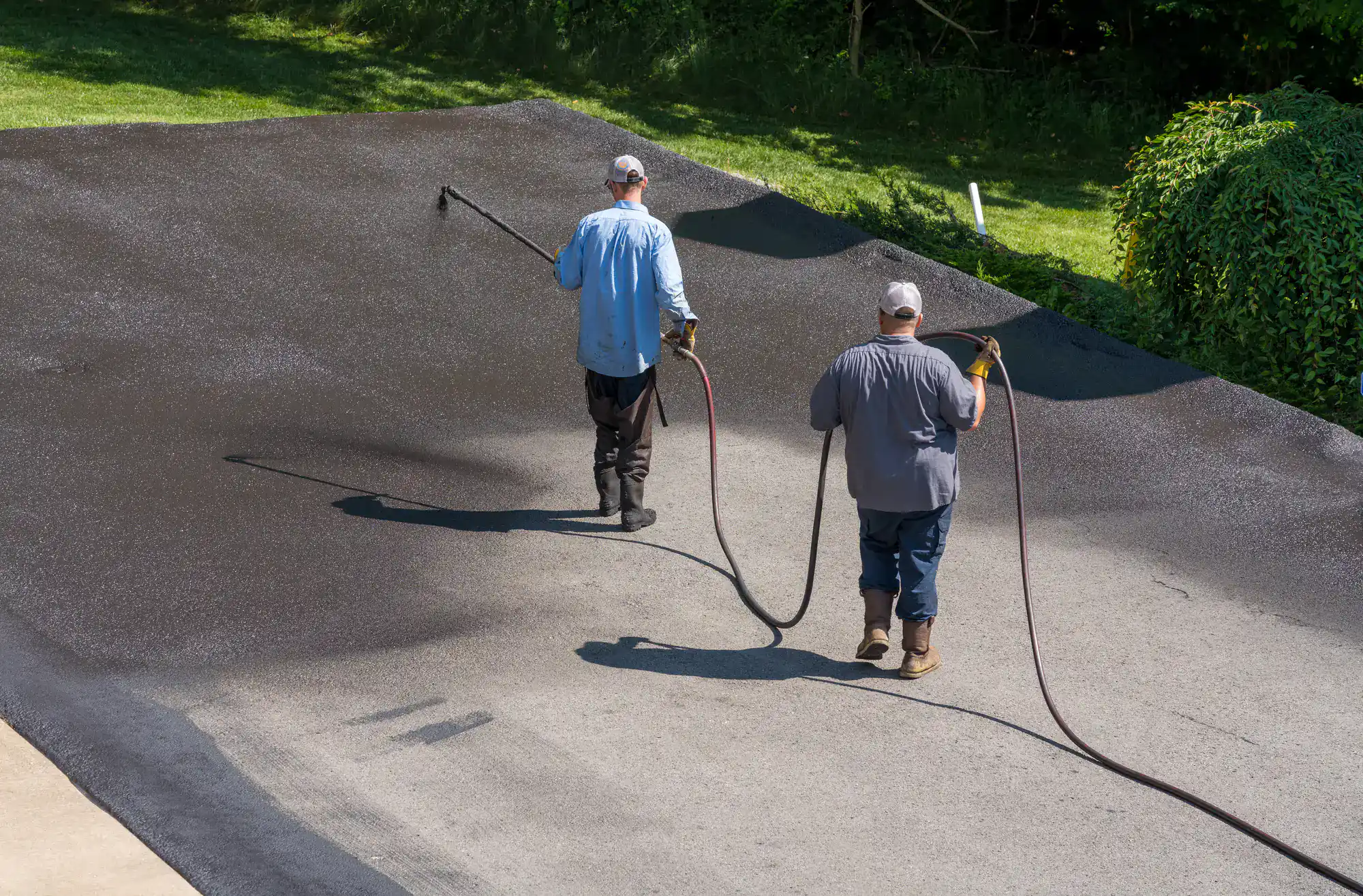
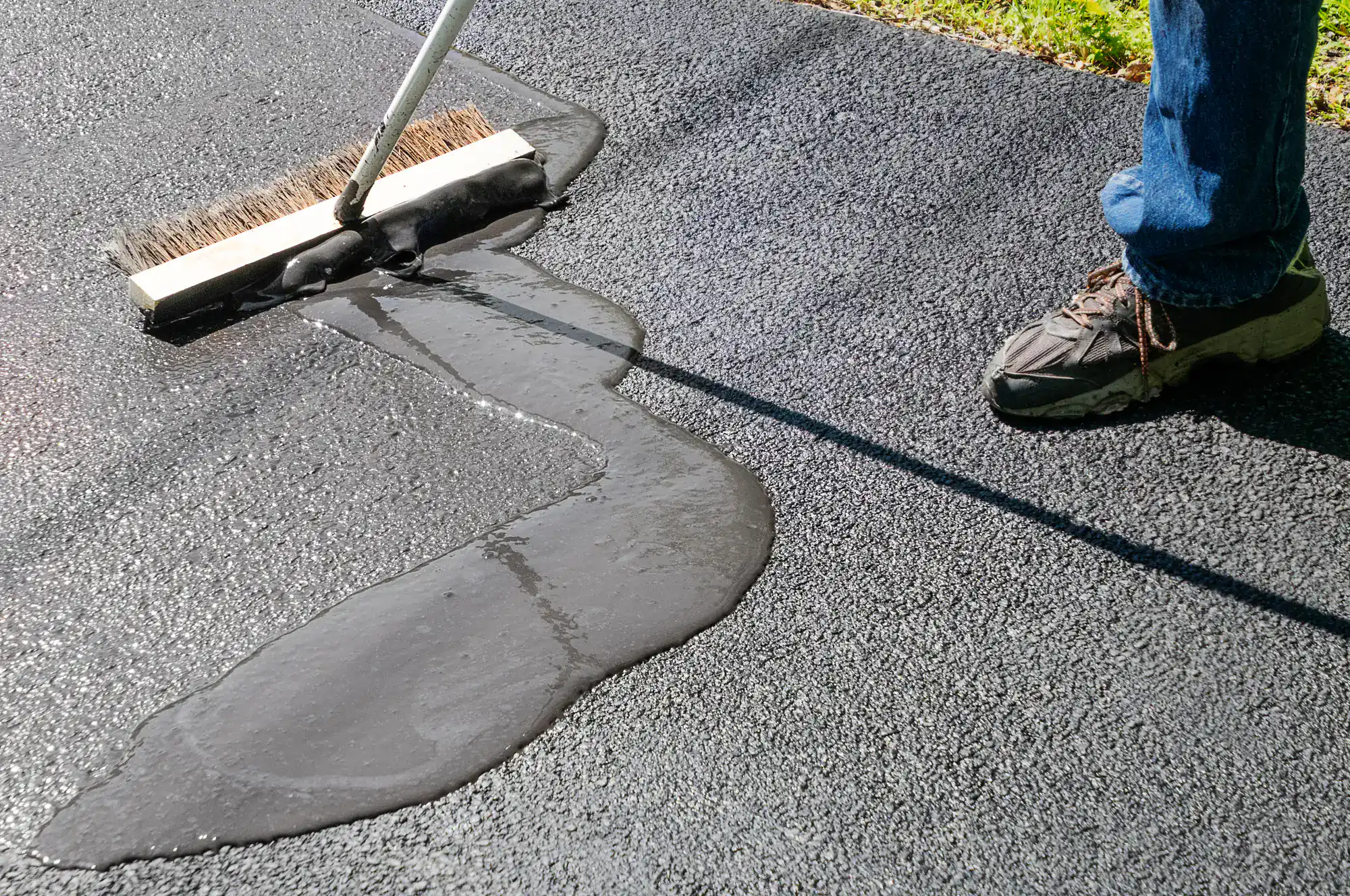
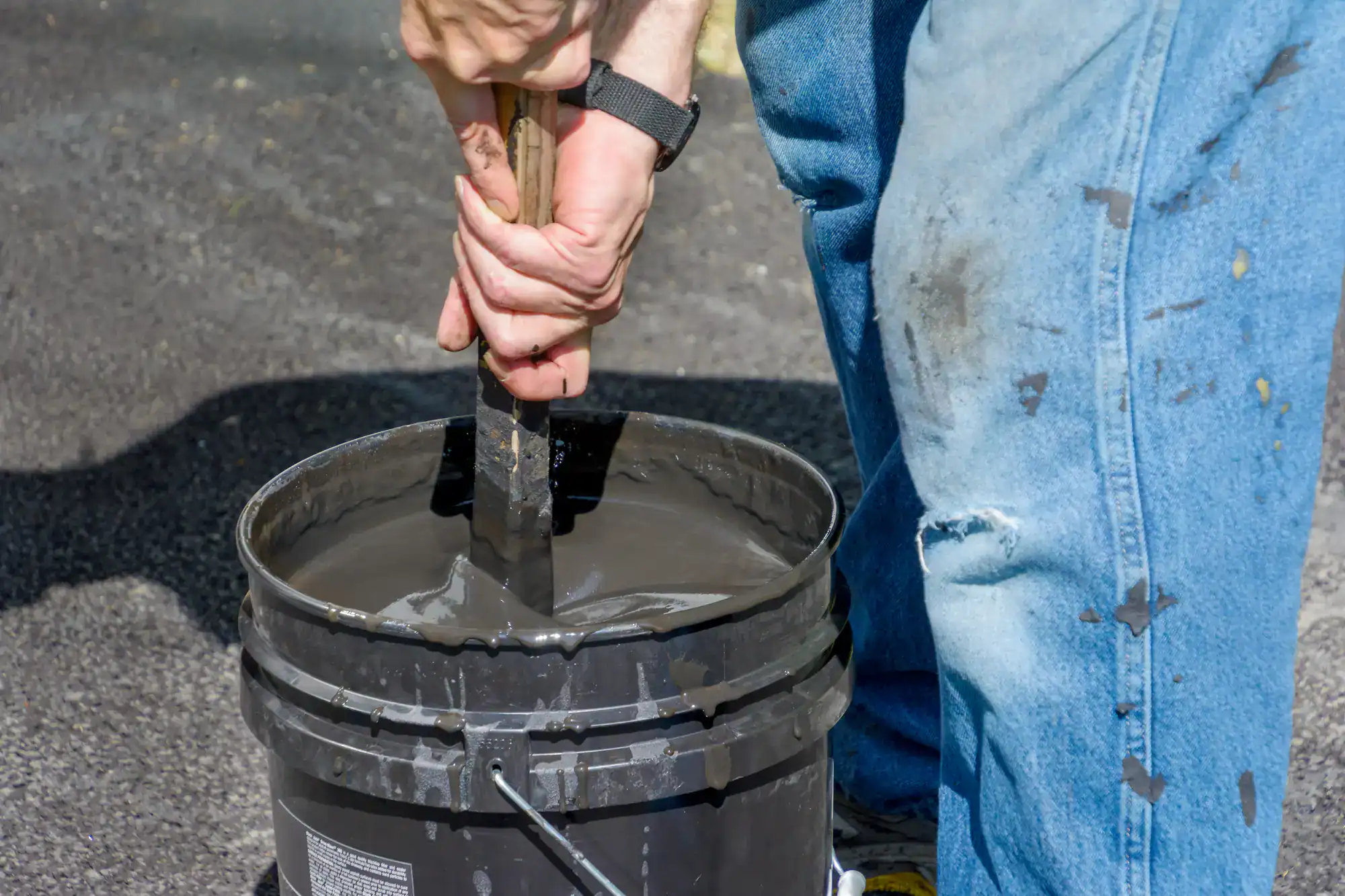
Once the surface is prepped and dry, we apply professional-grade sealcoat using either squeegee or spray application depending on the driveway’s size, layout, and condition. The product we use is built to hold up in Southern Maryland’s climate not a diluted mix, not a hardware store bucket poured out of the back of a truck. Curing time matters here too. In Lexington Park’s humid summers, we account for temperature and moisture conditions before calling a job complete. You’ll get a clear timeline on when the driveway is ready for foot and vehicle traffic.
One thing worth knowing: Maryland law requires any contractor performing this type of home improvement work to hold a valid MHIC license. No permit is required on your end for a standard residential sealcoating job in St. Mary’s County, but you should always ask any contractor for their MHIC number before signing anything or handing over payment.
Ready to get started?
For residential driveways, our service covers surface cleaning and prep, crack filling where needed, and professional sealcoat application. Whether your driveway is a single-car setup in a Great Mills Road townhouse or a longer double-wide in Pembrooke, we handle the prep work the same way thoroughly, before anything else happens. If your driveway is beyond the point where sealcoating alone is the right answer, we’ll tell you that upfront instead of applying a band-aid that won’t hold.
For commercial properties along Three Notch Road or anywhere else in the Lexington Park corridor, we also handle parking lot sealcoating and line striping. Parking lots face the same UV, salt, and freeze-thaw damage as residential driveways just at a much larger scale, with more at stake if the surface deteriorates and creates liability or access issues.
If you’re a homeowner preparing for a PCS move out of NAS Pax River, a freshly sealed driveway is one of the most cost-effective curb appeal improvements you can make before listing. It photographs well, signals to buyers that the property has been maintained, and costs a fraction of what buyers will mentally deduct if the driveway looks neglected. In a market where Lexington Park homes are selling in the $315,000–$355,000 range, that first impression carries real weight.
Every two to three years is the standard recommendation for most driveways in Lexington Park but the honest answer depends on your driveway’s current condition, how much sun exposure it gets, and whether it’s been maintained consistently or neglected for several years.
Lexington Park’s climate pushes asphalt through a full stress cycle every year. Summer UV and humidity oxidize the surface and dry out the binder that holds the asphalt together. Winter freeze-thaw cycles the kind where temperatures bounce above and below freezing multiple times throughout the season force moisture into any surface cracks and expand them from the inside. If your driveway is in one of the older neighborhoods like Patuxent Park or Town Creek, or if it’s been more than three years since it was last sealed, it’s worth getting an assessment before assuming sealcoating alone is enough. Some driveways in that situation need crack repair first.
For a standard residential driveway, sealcoating typically runs in the $250–$400 range depending on size, surface condition, and whether crack repair is needed beforehand. Larger driveways or those requiring significant prep work will fall toward the higher end of that range.
The more useful number to keep in mind is what you’re avoiding. A full driveway replacement in the Lexington Park area runs $4,200–$9,000 or more depending on size and materials. A homeowner who sealcoats every two to three years over the life of the driveway spends a fraction of that and keeps the driveway in service for 25 to 30 years instead of 10. For Lexington Park homeowners managing a property near NAS Pax River, whether you’re planning to stay long-term or preparing for a future PCS move, that’s a straightforward investment with a clear return.
Any contractor performing home improvement work in Maryland including driveway sealcoating is legally required to hold a valid MHIC license issued by the Maryland Home Improvement Commission. You can verify any contractor’s license number directly at the Maryland Department of Labor, Licensing and Regulation website before signing a contract or making any payment.
This matters in Lexington Park for a specific reason. The MHIC has publicly identified driveway sealcoating as one of the most prevalent home improvement scam categories in Maryland. The typical pattern involves an unlicensed crew approaching homeowners door-to-door, claiming to have leftover material from a nearby job, requesting cash payment, and either disappearing or applying a worthless mixture that fails within weeks. Our MHIC license number is #159766 look it up before you call if you want to. That’s exactly the kind of verification you should do with any contractor working on your property.
Yes and it’s one of the better pre-listing investments you can make in Lexington Park. A freshly sealed driveway looks like new asphalt, photographs well, and tells buyers immediately that the property has been maintained. In a community with as much military turnover as Lexington Park, buyers often have a short window to evaluate homes and make decisions. A driveway that looks cracked, faded, or neglected is a visible maintenance flag that buyers factor into their offers.
The timing matters though. Sealcoating requires dry conditions and temperatures above 50°F to cure properly so if you’re planning a spring listing, scheduling the work in early-to-mid spring gives the surface time to fully cure before showings begin. If you’ve received PCS orders and are working on a tighter timeline, reach out early. We can usually accommodate scheduling around move-out timelines, and the job itself is completed in a single visit for most residential driveways.
It does, and for homeowners in Southgate or anywhere close to the Patuxent River, that protection is genuinely relevant not just a talking point. Salt air accelerates the oxidation of asphalt binders, which is the same process that UV radiation drives in summer. The difference is that salt exposure is year-round, not seasonal. Over time, an unsealed driveway in a waterfront-adjacent neighborhood breaks down faster than one further inland, even if both driveways are the same age and were installed the same way.
Sealcoating creates a moisture-resistant barrier that blocks salt penetration along with UV radiation and petroleum-based contaminants. It won’t stop all environmental wear, but it significantly slows the rate of deterioration. For homeowners near the bay or river, sticking to a consistent two-year sealcoating cycle rather than stretching it to three is worth considering given the elevated exposure. A contractor who knows Southern Maryland’s coastal conditions will give you a straight answer on what your specific driveway actually needs.
Yes, and understanding the difference can save you from either overpaying for work your driveway doesn’t need or underpaying for a fix that won’t last. Sealcoating is a protective surface treatment applied to asphalt that is structurally sound it seals the surface, slows oxidation, and blocks moisture and chemical penetration. Resurfacing, on the other hand, involves applying a new layer of asphalt over the existing base and is the right call when the driveway has significant cracking, surface deterioration, or structural issues that sealcoating can’t address.
In Lexington Park, where the median housing construction year is around 1997, a lot of driveways are now 25 to 30 years old. Some of those driveways are candidates for sealcoating they’re structurally intact but have surface wear and oxidation that a good sealcoat will reverse. Others, particularly in the older neighborhoods like Carver Heights or the Flat Tops area, may have reached the point where resurfacing is the more honest recommendation. When we assess a driveway, we’ll tell you which one actually applies to your situation not whichever option costs more.
Other Services we provide in Lexington Park