Hear from Our Customers
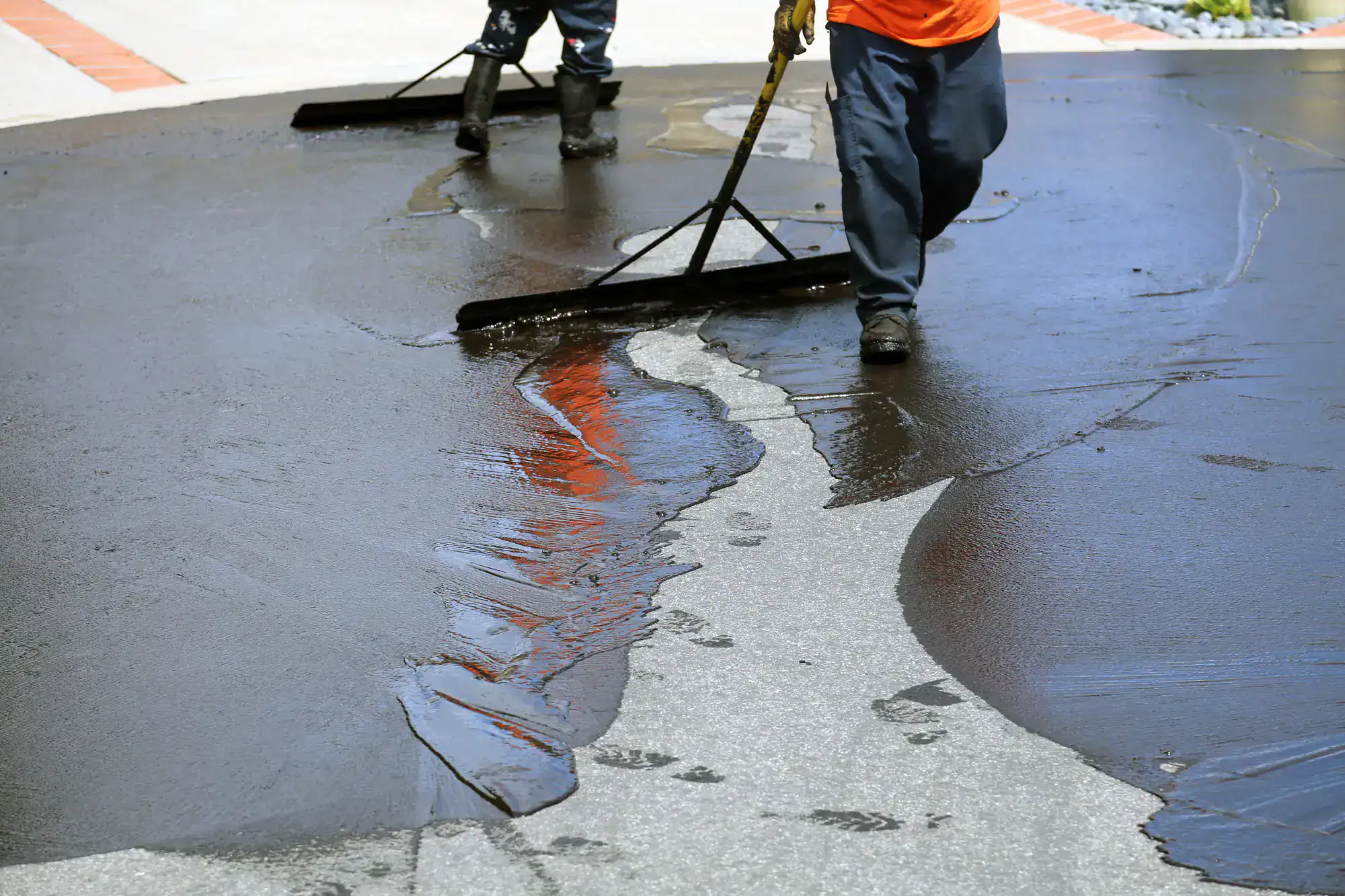
Living on the western shore of the Chesapeake Bay means your driveway is up against things that most Maryland homeowners never deal with. Salt spray off the water breaks down asphalt binder over time, pulling aggregate loose from the surface and leaving you with a gray, brittle driveway that cracks under a normal winter. Sealcoating puts a protective layer between your asphalt and that coastal environment not a cosmetic fix, but a real barrier that slows oxidation and keeps the surface flexible.
North Beach also floods. The town has documented it, MDOT spent $6.3 million reconstructing Bay Avenue specifically because of it, and if you’ve lived here for more than a season, you’ve watched water sit on your street. When floodwater soaks into unsealed asphalt and then temperatures drop, that moisture expands inside the surface and widens every small crack it finds. Sealed driveways shed water instead of absorbing it which matters a lot when you’re in a community that sits this close to the Bay.
Beyond the environmental protection, there’s a straightforward financial case. A sealcoating application typically runs a fraction of what crack repair and patching cost later and both of those are still far cheaper than full driveway replacement, which can run $4,200 to $9,000 or more. In a market where North Beach home values have climbed to a median of $489,000 and half of homes are selling above asking price, a maintained driveway isn’t just maintenance. It’s visible evidence of a property that’s been looked after.
We’ve been operating out of Annapolis since 2011, and the experience behind our company goes back more than four decades. That’s not a marketing number it means the person making decisions about your driveway has seen enough asphalt failures, coastal conditions, and substandard work to know exactly what holds up and what doesn’t. Annapolis is the closest major city to North Beach along the western shore, and we service the Twin Beaches corridor regularly.
We hold MHIC License #159766, which is the Maryland state credential required by law for any residential home improvement contractor. The Maryland Home Improvement Commission specifically flags driveway sealcoating as one of the most common categories for unlicensed contractor scams in the state door-to-door operators who take a deposit and disappear, or apply a worthless coating that peels within a season. That license is publicly verifiable, and it’s the clearest line between a contractor who’s accountable and one who isn’t. We also carry a BBB Accredited Business status with an A+ rating both checkable before you ever make a call.
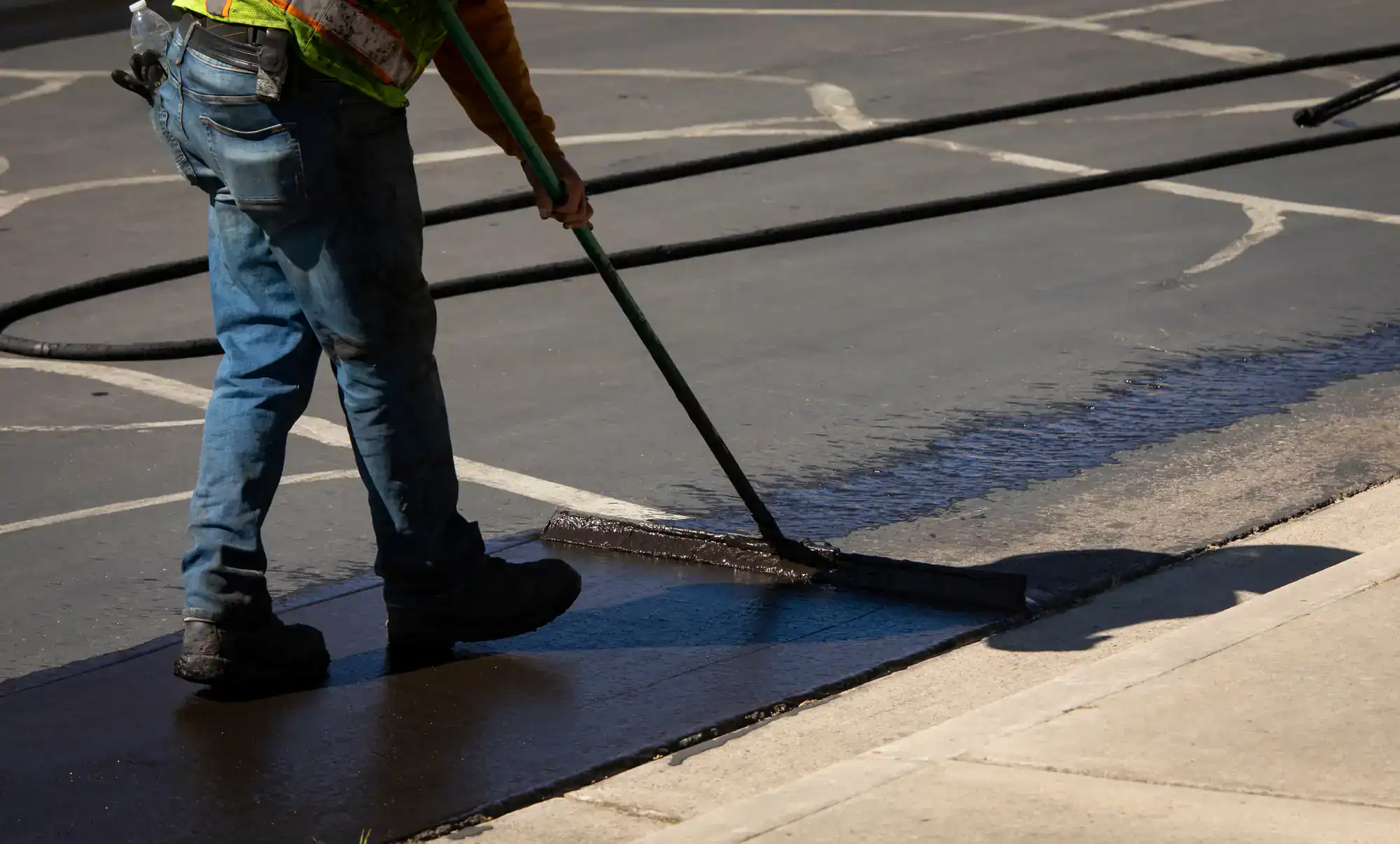
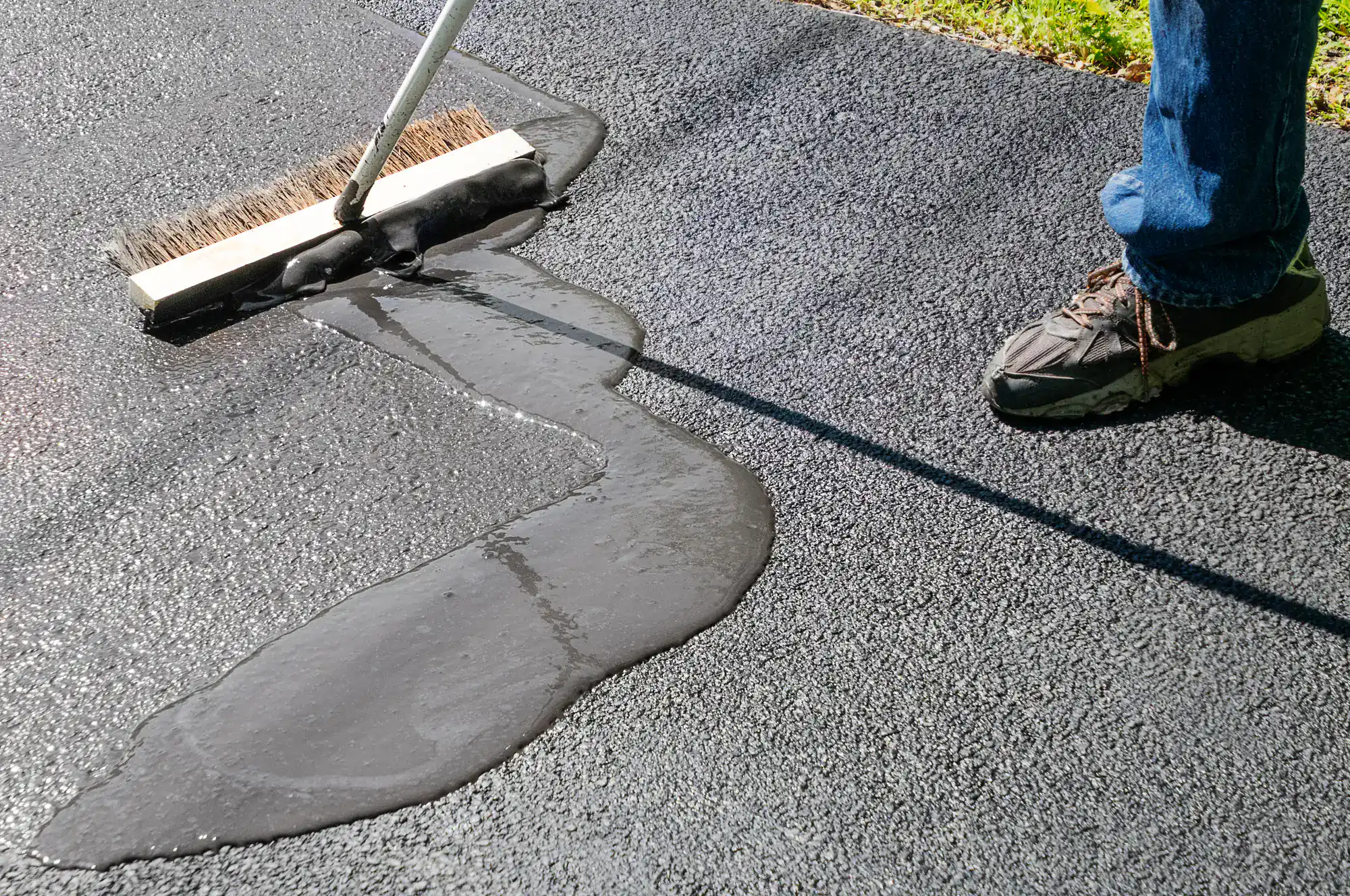
The most common reason sealcoating fails early is bad prep work. A lot of contractors skip it or rush it. The process starts with a thorough surface cleaning removing dirt, debris, and any oil or chemical stains that would prevent the sealer from bonding properly. Oil spots get treated with a primer before anything else goes down. If there are cracks in the surface, we fill them before sealing, not cover them over. Covering cracks without filling them is one of the fastest ways to end up with a peeling, bubbling surface within a year.
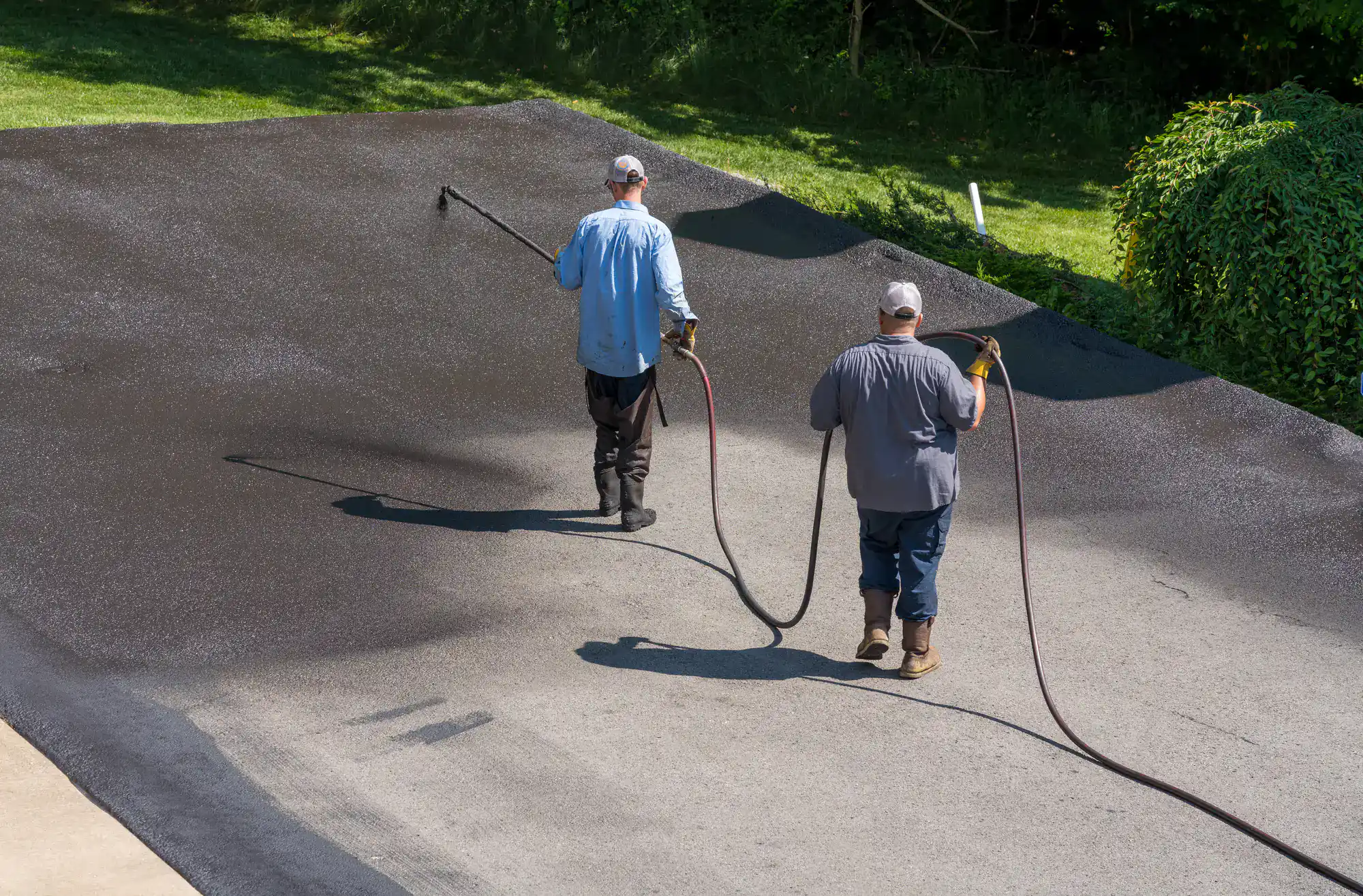
Once the surface is clean, dry, and properly prepped, the sealer is applied with even coverage across the entire driveway. In North Beach, timing matters more than it does in most inland Maryland towns. The application window requires temperatures above 50°F and no rain within 24 hours before or after which in a Bay-front community during Atlantic storm season means scheduling earlier in the summer rather than waiting until fall. The optimal window for North Beach is typically late April through July, before the peak of coastal storm activity picks up.
After the sealer is down, you’re looking at 24 to 48 hours before foot traffic and longer before you drive on it. In a dense, compact neighborhood like North Beach where driveways are often the only parking option that curing window is worth planning around. The job is done in a single visit, we leave the property clean, and the protection starts working immediately.
Ready to get started?
Asphalt driveway sealcoating isn’t a one-size application dropped on whatever surface shows up. The job starts with an honest assessment of what your driveway actually needs. If the asphalt is in reasonable condition, sealcoating and crack repair will extend its life significantly. If it’s past that point, driveway resurfacing and sealing may be the better investment and that’s exactly what you’ll be told, clearly, before any work begins.
We offer asphalt driveway sealcoating, driveway restoration and sealing, crack filling and patching, full driveway resurfacing, new asphalt paving, and parking lot coating for commercial properties throughout North Beach and the surrounding Calvert County area. Every job includes proper surface preparation cleaning, oil spot priming, and crack treatment before any sealer is applied. That prep work isn’t an add-on. It’s the difference between a sealcoating job that lasts three to five years and one that starts failing before the next spring.
For North Beach homeowners who’ve recently purchased a property and in a market moving this fast, there are a lot of them a professional assessment is a smart first step. Older cottages and bungalows throughout town have driveways with varying histories, and knowing whether you need a seal, a patch, or a full resurface before you spend money is exactly the kind of honest answer a licensed driveway sealcoating contractor should give you.
In most inland Maryland locations, every three to four years is a reasonable sealcoating interval. In North Beach, the answer is closer to every two to three years and the reason is the environment. Salt air off the Chesapeake Bay accelerates oxidation in asphalt binder, which is what holds the surface together. Once that binder breaks down, the surface turns gray and brittle, and no amount of sealcoating will restore it at that point, you’re looking at resurfacing or replacement.
The flooding that North Beach experiences regularly also compresses that timeline. Water that gets into micro-cracks and then freezes during a Maryland winter does real structural damage. Staying on a consistent two-to-three-year schedule in a Bay-front community like North Beach is the most cost-effective way to avoid that cycle. If your driveway has already gone several years without a seal, the first step is an assessment to determine whether sealcoating alone addresses the current condition, or whether crack repair needs to come first.
For a standard residential driveway, professional asphalt sealcoating typically runs in the range of $250 to $400, depending on the size of the surface and its current condition. If there are cracks that need to be filled before sealing, that adds to the cost but it’s still a fraction of what driveway resurfacing or full replacement would run. Full replacement in this area can cost $4,200 to $9,000 or more depending on size and access.
The price comparison matters most when you’re thinking about it over time. A consistent sealcoating schedule every two to three years especially in a coastal environment like North Beach can extend the life of your driveway to 15 to 30 years and reduce long-term repair costs by up to 50%. That math is straightforward: spending a few hundred dollars now, on a regular schedule, is significantly cheaper than deferred maintenance that eventually requires a full replacement. Any estimate from us is free, with no obligation, so you know exactly what you’re looking at before committing to anything.
Maryland requires any contractor performing residential home improvement work including driveway sealcoating to hold a valid MHIC license issued by the Maryland Home Improvement Commission. The MHIC’s own documentation specifically identifies driveway sealcoating as a top category for unlicensed contractor scams in the state. The pattern is well-documented: someone knocks on your door claiming to have leftover material from a nearby job, collects a cash deposit, and either disappears or applies a useless coating like roofing oil or diluted paint.
You can verify any contractor’s MHIC license directly at the Maryland DLLR website before signing anything or handing over a deposit. Our license number is MHIC #159766 look it up. In a small, tight-knit community like North Beach, where word travels fast and summer brings more door-to-door activity, knowing how to check a license before you hire is one of the most practical things you can do. A licensed contractor is legally accountable for the work. An unlicensed one isn’t.
Yes and in many cases, it’s more important for older properties than newer ones. North Beach has a significant amount of older housing stock: cottages, bungalows, and small homes that have been updated and expanded over the decades since the town was platted in 1900. Many of those properties have driveways that were poured or paved years ago, with little or no maintenance history. An older driveway that’s been exposed to Bay-area conditions without regular sealing is exactly the kind of surface that benefits most from professional driveway restoration and sealing.
The key is getting an honest assessment first. If the asphalt is structurally sound but oxidized and cracked at the surface, crack filling followed by sealcoating can add years of life at a fraction of replacement cost. If the base has been compromised which can happen when water infiltration goes unaddressed for too long resurfacing may be the more practical answer. Either way, you’ll know what you’re dealing with before any money changes hands. That’s the kind of straight answer a licensed driveway asphalt sealing company should give you from the start.
The practical application window for sealcoating in Maryland requires temperatures above 50°F and dry conditions for at least 24 hours before and after the job. In most years, that opens up from late April and runs through October. For North Beach specifically, the earlier end of that window is the better choice and here’s why. Late summer and early fall bring elevated risk of coastal storms, tropical systems, and nor’easters that can disrupt scheduling and, more importantly, can dump significant rain on a freshly sealed surface if the timing is off.
Booking your asphalt driveway sealcoating in May, June, or July gives you the best combination of stable weather and enough curing time before the fall storm season picks up. It also means your driveway goes into winter fully sealed and protected against the freeze-thaw damage that Maryland winters reliably deliver. If you’re a new homeowner in North Beach and you’re not sure of your driveway’s maintenance history, spring is the ideal time to get an assessment and schedule the work before the summer heat and storm season compress your options.
Flooding does real damage to asphalt, and it’s a legitimate concern in North Beach. The town has experienced increasingly frequent tidal flooding and storm surge events enough that the town government has an active flood committee and MDOT SHA invested $6.3 million in reconstructing Bay Avenue to reduce the flooding that periodically cuts the town off from neighboring communities. When floodwater sits on an unsealed driveway, it works its way into any existing cracks or surface porosity, saturating the base layer beneath the asphalt.
The damage shows up later, not immediately. Water that soaks into unsealed asphalt and then freezes during a Maryland winter expands inside the surface, widening cracks and accelerating structural failure from the inside out. By spring, what looked like minor surface cracking in the fall has become a pothole problem. Sealcoating creates a water-resistant barrier that causes water to shed off the surface rather than penetrate it which is exactly what you want in a flood-prone coastal community. It won’t prevent every form of storm damage, but it removes the single most common mechanism by which flood exposure degrades residential driveways in North Beach over time.
Other Services we provide in North Beach