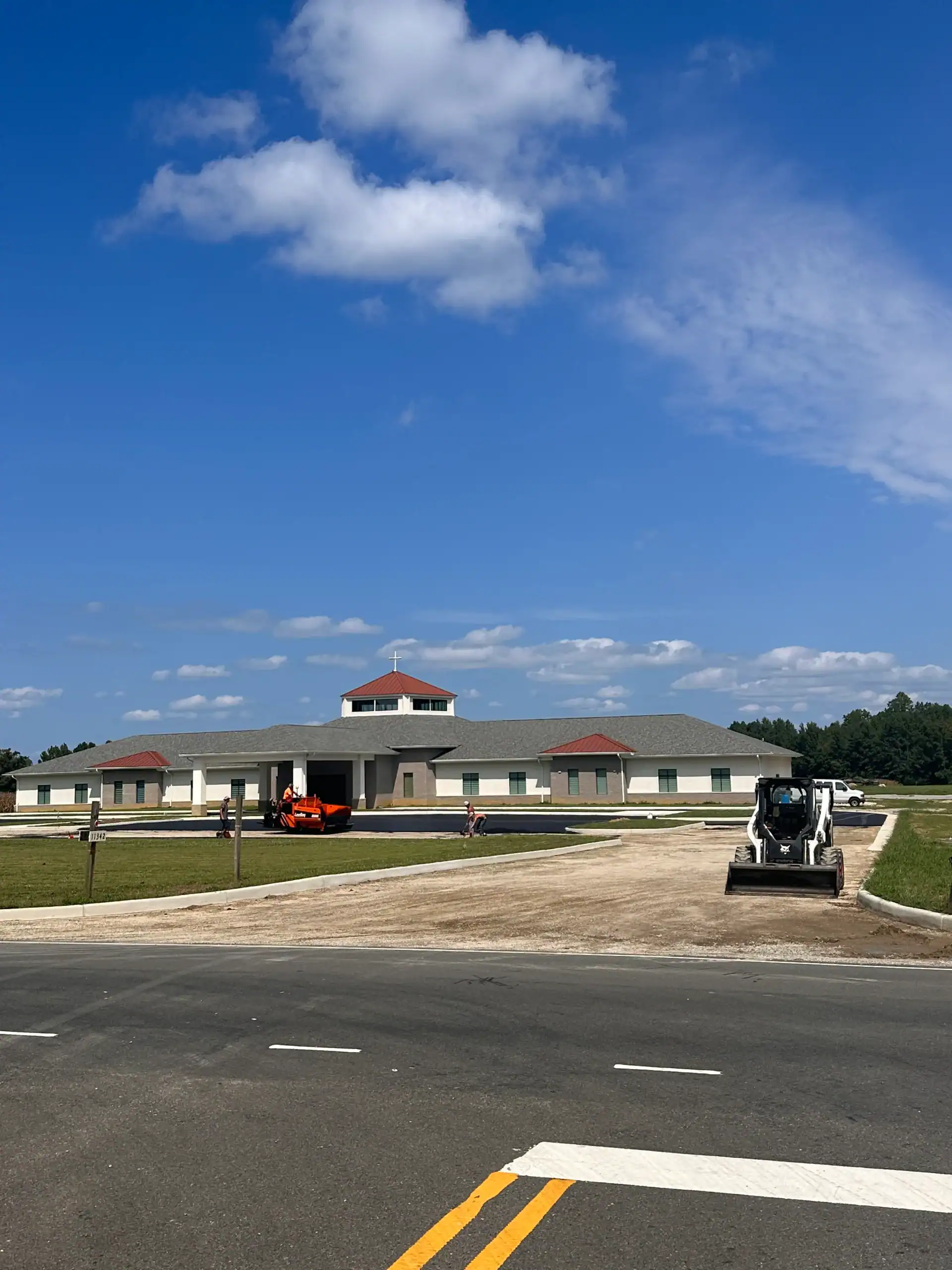
Anne Arundel, Calvert, and St. Mary's counties experience freeze-thaw cycles, road salt, and bay humidity that hit asphalt hard. Here's what sealcoating actually does — and why timing matters more than most people realize.
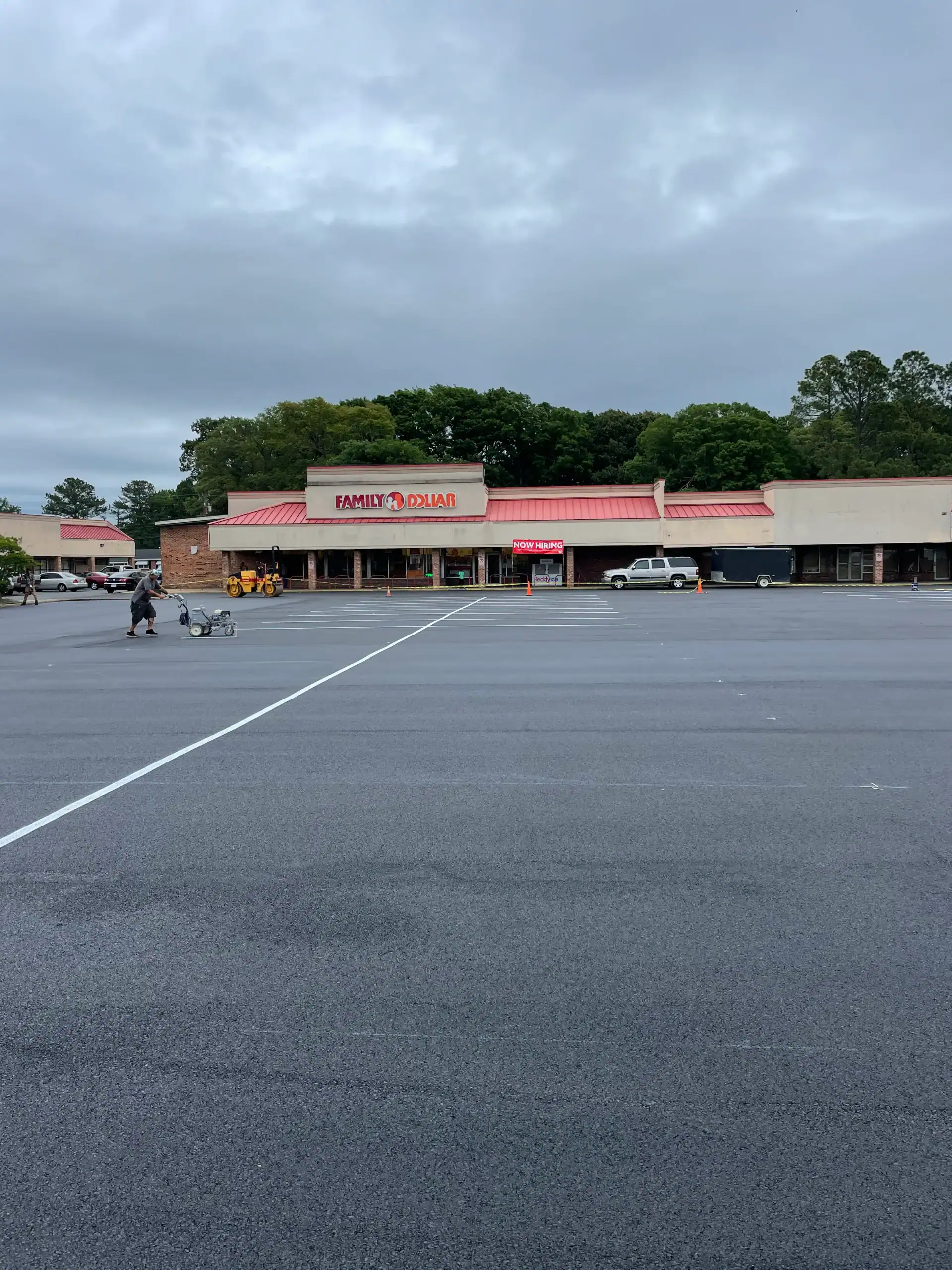
Most people don’t think about their driveway until something goes wrong. A crack appears. The surface starts to crumble at the edges. Or you step back one day and realize the whole thing looks ten years older than it should. If you’re in Anne Arundel, Calvert, or St. Mary’s County, that moment tends to come after a rough winter — and it comes faster than it would almost anywhere else in the country. Sealcoating is the maintenance step that keeps that moment from arriving too soon. Here’s what it actually does, how it works, and what you should know before you hire anyone to do it.
Sealcoating is a protective layer we apply over existing asphalt to block the things that break it down — UV rays, water, road salt, and everyday wear. Think of it like sunscreen for your driveway, except it also seals out moisture and chemical damage at the same time. It restores the dark, clean appearance of fresh asphalt, but that’s really a side effect of protection, not the point.
What it doesn’t do is fix structural damage. If your driveway has cracks, those need to be filled before any sealer goes down. Applying sealcoat over open cracks traps moisture underneath, which makes things worse, not better. Any contractor who skips that step is cutting a corner that will cost you later.

Here’s the thing about living in Anne Arundel, Calvert, or St. Mary’s County — your pavement is dealing with a combination of conditions that most asphalt simply wasn’t designed to handle without help.
Every winter, temperatures in this region swing above and below freezing dozens of times. Each time that happens, any water that’s worked its way into small surface pores expands by roughly 9 to 10 percent. That expansion puts enormous outward pressure on the asphalt binder — the material that holds everything together — and it widens those pores a little more with each cycle. By the time February turns to March, what started as a hairline crack can be a real problem. The Maryland State Highway Administration has publicly noted that late winter is peak pothole season for exactly this reason.
Then there’s road salt. De-icing chemicals are applied heavily on roads and private driveways throughout Anne Arundel, Calvert, and St. Mary’s counties every winter, and they accelerate the oxidation process that makes asphalt brittle and prone to cracking. Add in the humidity that comes with living near the Chesapeake Bay and its tributaries — the Severn River in Anne Arundel County, the Patuxent in Calvert County, the Potomac in St. Mary’s County — and you’ve got moisture working on your pavement year-round, not just in winter.
Summer doesn’t let up either. Maryland heat and UV exposure dry out the asphalt binder, causing the surface to lose flexibility and start cracking from the top down. A fresh sealcoat blocks UV rays and slows that oxidation significantly.
This is why we recommend resealing every two to three years in Anne Arundel, Calvert, and St. Mary’s counties, rather than the national standard of three to five years. The climate here simply demands more frequent attention. If you’re on a longer cycle than that, your pavement is losing ground every season.
Understanding the process makes it a lot easier to spot a contractor who’s doing it right versus one who’s cutting corners.
It starts with surface preparation. Before any sealer is applied, the pavement needs to be thoroughly cleaned — blown out, swept, and in some cases power washed — to remove dirt, debris, and anything else that would prevent the sealer from bonding properly. This step takes time, and contractors who skip or rush it are setting up the application to fail.
Next comes crack filling. Any existing cracks are filled with a rubber or tar-based filler before the sealer goes down. This is non-negotiable for a quality job. Sealer is not a crack repair product — it’s a surface coating. If the cracks aren’t addressed first, you’re sealing in a problem rather than protecting against future ones.
Then the sealer is applied, ideally in two coats using a brush or squeegee method rather than spray-only. Brush and squeegee application forces the material into the surface rather than just coating the top, which means better penetration and longer-lasting protection. Along edges — near garage slabs, curbs, and sidewalks — careful hand application keeps the finish clean and controlled.
After the sealer is down, the surface needs to cure. That typically means staying off the driveway for 24 to 48 hours and keeping it dry. We check weather forecasts before scheduling — application requires temperatures above 50 degrees Fahrenheit and no rain in the immediate forecast. Jobs done in the wrong conditions, regardless of how good the product is, won’t hold up the way they should.
One more thing worth knowing: if your asphalt was recently installed, wait. New pavement needs six to twelve months to cure before it’s ready for its first sealcoat. Sealing too early traps oils that need to off-gas from the surface. The timing matters on both ends.
Want live answers?
Connect with a Edward Smith Paving expert for fast, friendly support.
The math on sealcoating is straightforward, even if most people don’t think about it this way. Industry data from the Pavement Coatings Technology Council shows that properly maintained pavement costs around $0.39 per square foot over a twelve-year period. Unsealed pavement over that same window runs closer to $1.76 per square foot — more than four times as much. A sealcoating application that costs a few hundred dollars can prevent two thousand dollars or more in future repairs.
Replacing a driveway entirely runs $8 to $15 per square foot. For an average residential driveway, that’s a $4,000 to $10,000 expense that consistent sealcoating can push off by years — sometimes decades. The Federal Highway Administration has found that every dollar spent on preventive pavement maintenance saves six to ten dollars in future rehabilitation costs.

For homeowners, sealcoating is about protecting an investment and avoiding a large unexpected expense. For commercial property owners and managers in Anne Arundel, Calvert, and St. Mary’s counties, the stakes are a little different — and in some ways higher.
A deteriorated parking lot is one of the first things a customer, tenant, or visitor sees when they arrive at your property. Faded asphalt, visible cracks, and faded striping communicate neglect before anyone walks through your door. Along high-traffic corridors like Route 2 in Anne Arundel County, Route 4 through Calvert County, or Route 235 in St. Mary’s County, where businesses compete for attention from thousands of daily drivers, that first impression matters.
There’s also a liability dimension that doesn’t get talked about enough. Surface deterioration creates trip hazards, and insurance claims tied to pavement-related injuries are a documented problem for commercial property owners. Sealed properties see roughly 22 percent fewer such claims — a meaningful reduction that reflects the smoother, more uniform surface that proper sealcoating produces.
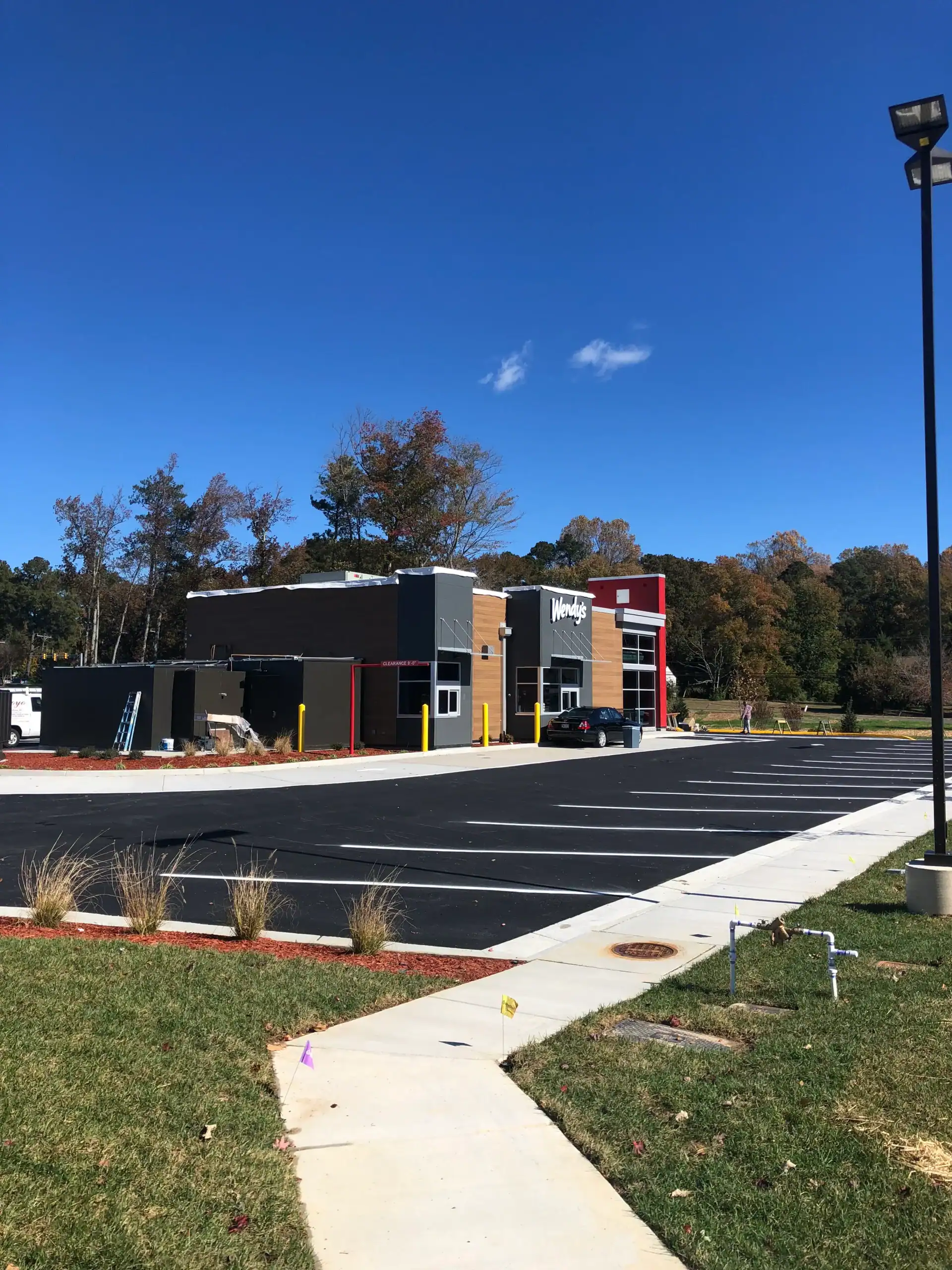
Commercial lots also benefit from pairing sealcoating with parking lot striping. Fresh sealer provides the ideal surface for new line markings, so the two services work naturally together. If your lot’s lines are faded or your layout no longer reflects current use, scheduling both at the same time is the efficient move.
For businesses in Lexington Park near NAS Patuxent River, in Solomons Island where seasonal tourist traffic puts extra wear on commercial surfaces, or in Leonardtown’s historic downtown corridor, regular parking lot maintenance isn’t just a cost — it’s part of how you present your business to the community.
This is worth spending a moment on, because the sealcoating industry has a real problem with bad actors. Every spring, homeowners across Anne Arundel, Calvert, and St. Mary’s counties get approached by door-to-door crews offering “leftover material” from a nearby job at a steep discount. The pitch sounds reasonable. The results usually aren’t.
These operations typically use diluted or off-spec product, skip surface preparation entirely, and apply a single thin coat that looks fine for a few weeks before it starts peeling or washing away. They don’t carry Maryland Home Improvement Commission licensing, which means they’re operating illegally for residential work in this state. And when something goes wrong — which it often does — there’s no one to call back.
In Maryland, any contractor performing residential improvement work is required by law to hold an MHIC license. It’s verifiable, publicly searchable, and it requires the contractor to carry insurance and meet standards of financial responsibility. Before you agree to any sealcoating work on your home or business, ask for the license number and look it up. A legitimate company will give it to you without hesitation.
Beyond licensing, look for contractors who explain their process before you ask about it — who mention crack filling, surface prep, application method, and cure time as a matter of course. Look for written quotes that spell out what’s included. Be skeptical of prices that seem dramatically lower than other bids, because in this category, low price almost always means something got skipped.
We’ve been working across Anne Arundel, Calvert, and St. Mary’s counties for over 40 years and have completed more than 5,000 driveways and parking lots. We hold MHIC license number 159766. We’re not mentioning that to impress you — we’re mentioning it because it’s the kind of thing you should be asking every contractor before you let them touch your pavement.
Sealcoating is one of the few maintenance decisions where the cost of waiting is genuinely higher than the cost of acting. Every Maryland winter that passes without a fresh protective layer is another season of freeze-thaw damage, road salt penetration, and UV oxidation working against your pavement. The window for quality application runs from late spring through early fall — and it fills up fast.
Whether you have a residential driveway in Crofton or Chesapeake Beach, a commercial parking lot in California or Glen Burnie, or a property anywhere across Anne Arundel, Calvert, or St. Mary’s County, the right time to address this is before the damage compounds. A small investment now is almost always cheaper than the repair bill that follows a few more neglected winters.
If you’re ready to get a straight answer on what your pavement actually needs, reach out to us. We’ll give you an honest assessment and a clear quote — no pressure, no guesswork.
Summary:
Article details:
Share: