Hear from Our Customers
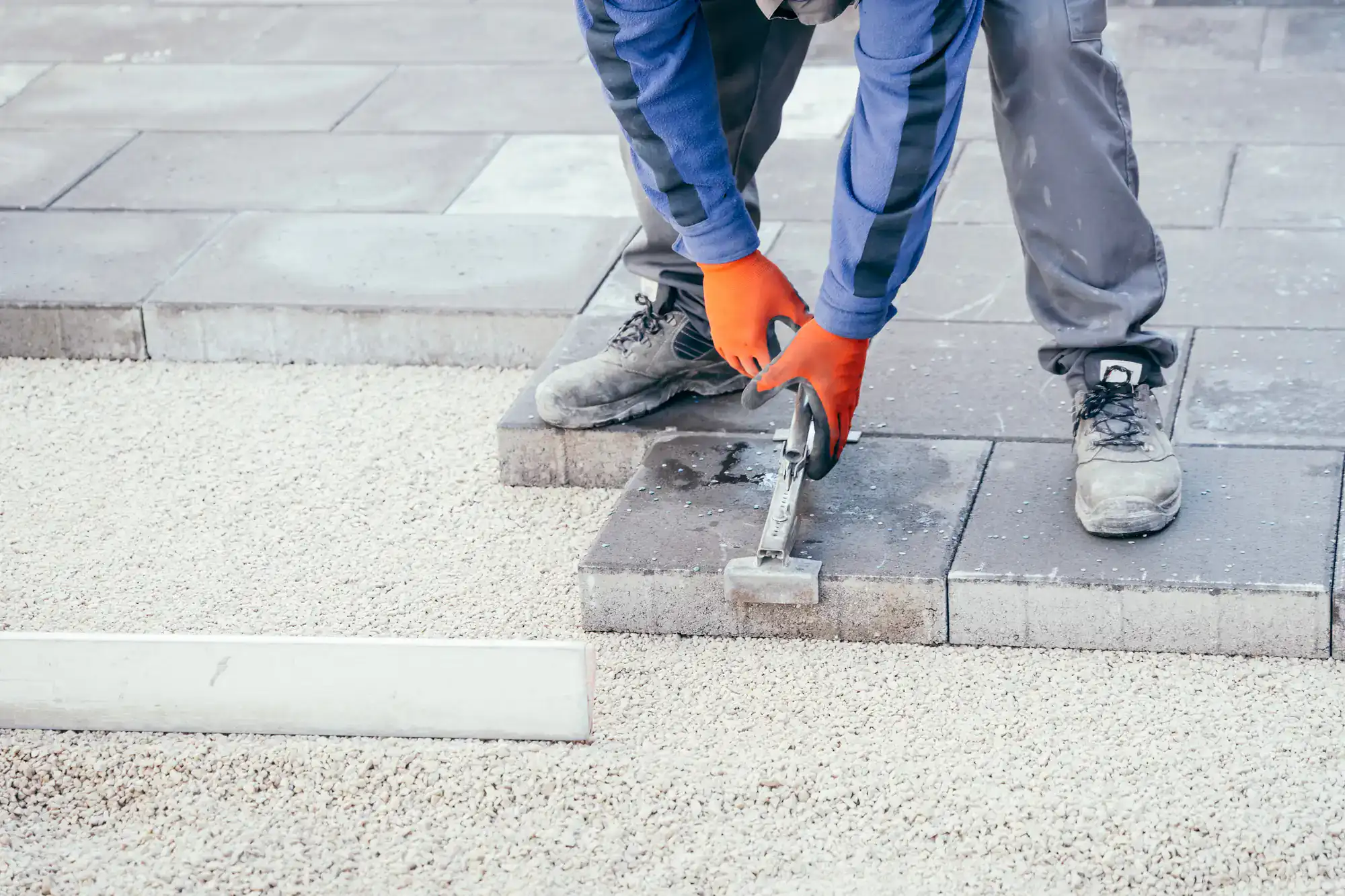
Most asphalt problems in Callaway aren’t random they’re predictable. Moisture gets into a small crack, freezes over winter, expands, and by March you’ve got a pothole where you had a hairline fracture in October. St. Mary’s County’s own Department of Public Works has documented this exact cycle as the primary driver of pavement failure in the area. The fix isn’t patching after the fact it’s installation and sealcoating done right the first time.
Callaway properties tend to have longer driveways than you’d find in a suburban neighborhood, and a lot of households are running full-size trucks and SUVs daily the kind of load that exposes weak base preparation fast. When the base is properly graded, compacted, and drained before a single ton of asphalt goes down, the surface holds. When it isn’t, you’re back to patching within five years regardless of what’s on top.
The other factor here is the Chesapeake Bay climate. High humidity, significant rainfall, and UV exposure oxidize unsealed asphalt faster than most homeowners realize. A properly sealcoated driveway in this environment isn’t just cosmetic it’s the barrier between surface water and your base layer. Get that right, and a well-installed driveway in Callaway can last 20 to 25 years without major intervention.
We’ve been operating in Maryland for over 40 years. That’s not a number we throw around it’s a track record you can actually verify. Our MHIC License #159766 is publicly searchable through the Maryland Home Improvement Commission database, and it’s the credential that legally separates legitimate contractors from the traveling crews that work this area without a license, without insurance, and without any obligation to come back if something goes wrong.
We serve both residential and commercial clients across Southern Maryland, including homeowners in Callaway’s Waterford and Wildewood communities and property managers throughout St. Mary’s County. Whether it’s a 200-foot private driveway off Piney Point Road or a small commercial lot near the Lexington Park Development District, the same licensed team and the same process applies.
What we do isn’t complicated to explain we install it right, we seal it on schedule, and we’re reachable if you have questions afterward. That’s it.
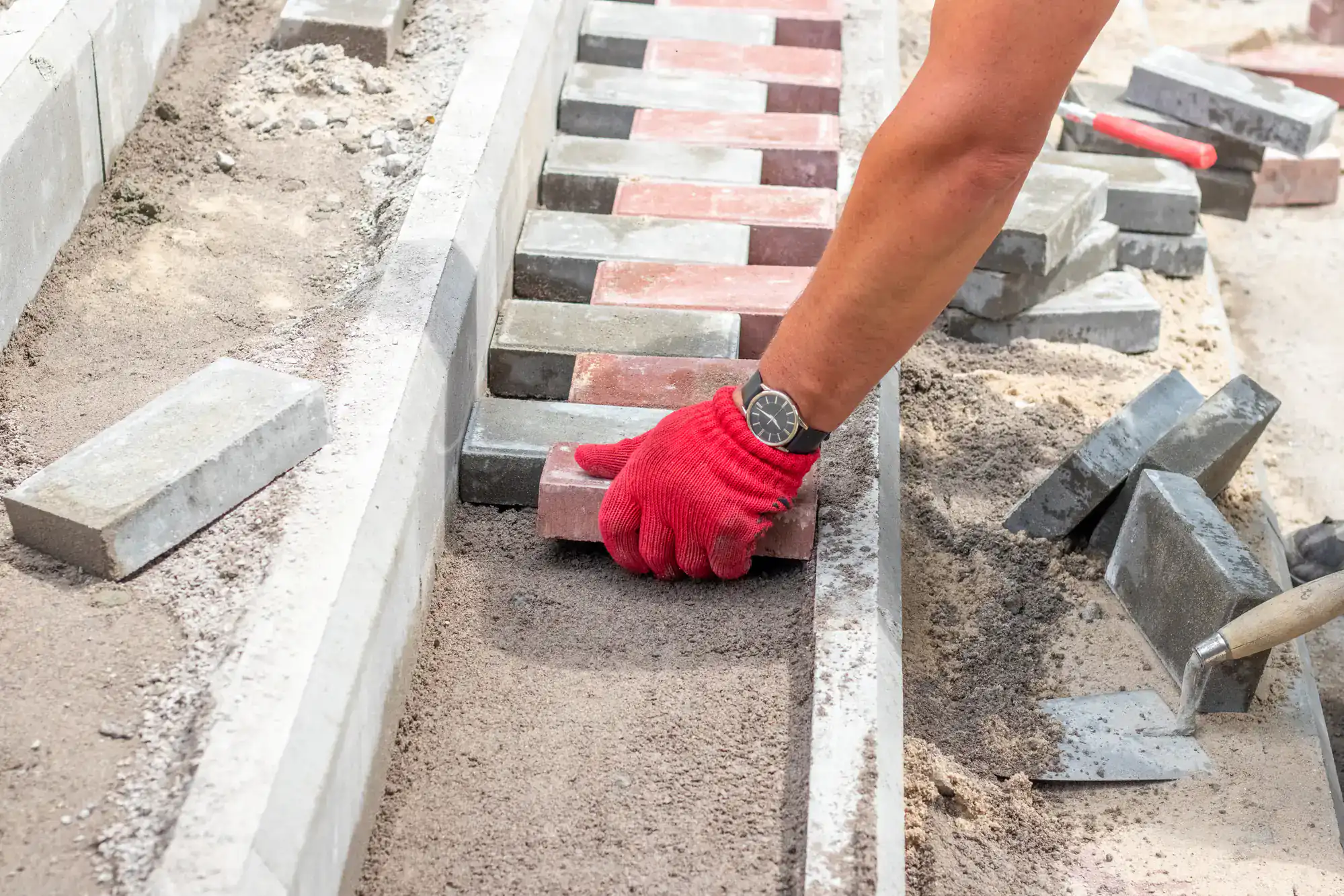
It starts with a free, written estimate no cash upfront, no pressure, no vague verbal quote you can’t hold us to. We come out, look at the site, assess what’s there, and give you a clear scope in writing before any decision is made. If you’re in Callaway and you’ve had a door-to-door crew stop by offering to pave with “leftover mix from a nearby job,” that’s the exact opposite of how we work.
Once you’re ready to move forward, the first thing we focus on is what’s underneath. Proper grading, subgrade compaction, and drainage engineering happen before any asphalt is placed. In Callaway’s rural setting, where clay-heavy soils and limited natural drainage are common, this step determines whether your driveway lasts five years or twenty-five. Skipping it or rushing it is the single most common reason driveways fail early and it’s the step that low-bid operators cut first.
The optimal paving window in Southern Maryland runs from April through October, when temperatures are consistently above 50°F and the mix can be properly compacted and cured. Sealcoating follows at six months after a new installation, then on a three-to-five-year cycle after that. We’ll tell you when it’s time and why you won’t have to guess.
Ready to get started?
We handle the full lifecycle of asphalt not just the installation. That means residential driveway paving, commercial parking lot paving, sealcoating, parking lot maintenance, and parking lot striping, all under one MHIC-licensed operation. For Callaway homeowners with extended driveways or multi-vehicle households, having one contractor who knows your property from the base layer up is a real advantage over starting fresh with someone new every few years.
On the commercial side, any business or HOA in the Callaway area with a parking lot open to the public needs ADA-compliant striping that’s not optional, and the liability exposure for non-compliance is real. We handle the full scope: paving, resurfacing, crack filling, and line striping as a complete package so you’re not coordinating between separate vendors.
For homeowners in communities like Waterford, where average property values sit around $400,000, the condition of your driveway is visible the moment someone pulls up. Sealcoating runs roughly $3 to $7 per square foot and needs to be done every three to five years in this climate. A new asphalt driveway installation typically runs around $7 per square foot depending on site conditions and scope. These aren’t small investments which is exactly why the work needs to be done by a contractor who will still be around in five years to stand behind it.
Because Callaway is an unincorporated community with no municipal government of its own, all permitting falls under St. Mary’s County jurisdiction not a town or city hall. For standard residential driveway resurfacing or replacement, a permit is typically not required. However, if you’re adding new impervious surface meaning you’re expanding the footprint of your driveway rather than replacing what’s already there you may trigger a stormwater management review under Maryland’s Chesapeake Bay watershed regulations.
Callaway falls within the Lexington Park Development District, and properties near waterways or wetlands may face additional review requirements before new paving can proceed. The safest approach is to confirm the scope with St. Mary’s County’s Department of Planning and Zoning before breaking ground. We’re familiar with how these reviews work in this area and can help you understand what your specific project may or may not require before we ever start the estimate.
A properly installed and maintained asphalt driveway in Southern Maryland can realistically last 20 to 25 years. The keyword there is maintained. Callaway’s climate creates a specific set of challenges freeze-thaw cycling in winter, high humidity and rainfall through spring and summer, and UV exposure that oxidizes unsealed asphalt faster than in drier inland regions. Without sealcoating on a regular schedule, you’re looking at surface degradation starting around year five to seven.
The other factor that shortens driveway life in this area is base failure, not surface failure. If the subgrade wasn’t properly compacted and graded for drainage during installation, water will find its way under the asphalt and the freeze-thaw cycle will do the rest. That’s why two driveways installed the same year can look completely different a decade later one had proper base prep, one didn’t. The surface is just the finish. What’s underneath is what determines longevity.
The practical paving window in Callaway runs from roughly April through October. Asphalt needs ambient temperatures consistently above 50°F to compact and cure properly below that threshold, the mix cools too fast and you lose density in the finished surface. Maryland’s winters don’t leave much room for error on that front, so most residential driveway projects in this area happen between late spring and early fall.
Sealcoating has an even tighter window. It shouldn’t be applied below 50°F, and you need at least 24 hours without rain after application for it to cure correctly. In Southern Maryland, where spring and fall can bring unpredictable rain, scheduling matters. The spring season is also when freeze-thaw damage from winter becomes most visible cracks that weren’t obvious in November show up clearly by April. That’s the right time to assess whether you need repairs, sealcoating, or a full replacement before another winter compounds the damage.
In Maryland, any contractor doing home improvement work including asphalt paving is legally required to hold an active MHIC license issued by the Maryland Home Improvement Commission. You can verify any contractor’s license status directly through the MHIC’s public online database by searching their name or license number. We hold MHIC License #159766, which you can look up before you ever call us.
This matters more in rural communities like Callaway than most people realize. Traveling paving crews specifically target low-density areas with door-to-door solicitations offering cash deals, claiming to have leftover asphalt from a nearby job, and pressuring homeowners into signing on the spot. These operators typically have no MHIC license, no insurance, and no local address to return to if the work fails. If a contractor can’t hand you a license number in the first conversation, that’s your answer. The MHIC guaranty fund exists specifically to protect Maryland homeowners when a licensed contractor fails to perform but that protection only applies if the contractor was licensed in the first place.
For most properties in Callaway, sealcoating every three to five years is the right maintenance interval. The first application should happen about six months after a new installation the asphalt needs time to fully cure and off-gas before a sealer is applied. After that, the three-to-five-year window depends on how much traffic the surface sees, how much direct sun exposure it gets, and how well it’s draining.
In Callaway’s environment coastal humidity, significant annual rainfall, and UV exposure from long sun-exposed driveways common on larger rural lots the lower end of that range is usually more appropriate. Unsealed asphalt in this climate oxidizes and becomes brittle faster than the national average. Once the surface starts showing gray coloration, fine surface cracking, or a rough texture, you’re already past the ideal window. Sealcoating at that stage still helps, but it’s working harder to restore than it would have been to maintain. Staying on schedule is significantly cheaper than catching up.
The first thing to ask for is a written, itemized estimate not a verbal number, not a ballpark, and not a handshake deal. A written estimate should include the scope of work, the materials being used, the thickness of the asphalt being installed, and what site preparation is included. If a contractor won’t put it in writing, move on.
Beyond that, ask for their MHIC license number and verify it. Ask whether they carry liability insurance and workers’ compensation. Ask specifically what base preparation is included this is the step that determines whether your driveway lasts five years or twenty-five, and it’s the step that low-bid operators routinely skip or minimize. In St. Mary’s County, where clay soils and drainage challenges are common across rural properties, base prep isn’t optional. A quote that looks significantly cheaper than others usually reflects what’s been left out, not what’s been included. The lowest number on paper often becomes the most expensive outcome over time.
Other Services we provide in Callaway