
Hear from Our Customers

Southern Maryland doesn’t go easy on asphalt. Charlotte Hall sits in a climate zone that sees 10 to 20 full freeze-thaw cycles every winter not just cold stretches, but repeated cycles where temperatures cross the freezing point, water pushes into every small crack, expands as ice, and breaks the pavement apart from the inside. By March, you already know what that looks like. The question is whether your driveway was built to take it.
Most properties in this area aren’t sitting on quarter-acre suburban lots. You’ve got long driveways sometimes 150, 200, even 300 feet cutting through wooded land or running alongside agricultural fields. That kind of surface sees farm equipment, oil delivery trucks, and heavy vehicles that a typical suburban contractor never has to account for. When the base isn’t properly prepared for that load and that soil, the surface fails faster than it should, and you’re back to square one in a few years.
When the job is done right proper grading, solid base preparation, the right asphalt thickness for your specific conditions you get a surface that handles Maryland winters, handles the weight, and doesn’t need to be replaced before it should. That’s what a well-installed driveway actually looks like: not just smooth on day one, but still solid ten or fifteen years later.
We’re a family-owned Maryland asphalt paving company that has been operating for over 40 years. We hold MHIC License #159766 the state-required Maryland Home Improvement Commission credential that gives you legal protection and financial recourse through the MHIC Guaranty Fund if something goes wrong. That license number is publicly verifiable. Not every contractor working in Charles County and St. Mary’s County can say the same.
Charlotte Hall is a community where reputation matters. A contractor’s work travels fast through neighborhoods like yours. Whether you’re a homeowner near the Charlotte Hall Veterans Home, a property manager along the MD-5 commercial strip, or a defense professional commuting south to NAS Patuxent River every morning, you’re making a real investment in your property. We’ve been earning that trust across Southern Maryland for a long time not with marketing language, but with work that holds up and a license that puts accountability in writing.
It starts with a free, written estimate. You’ll know exactly what’s being done, what materials are going in, what the timeline looks like, and what it costs before anything is scheduled. There’s no verbal promise, no pressure, and no cash-only demand. If a contractor won’t put it in writing, that’s a signal worth paying attention to, especially in a rural market like Southern Maryland where traveling paving crews are a documented problem.
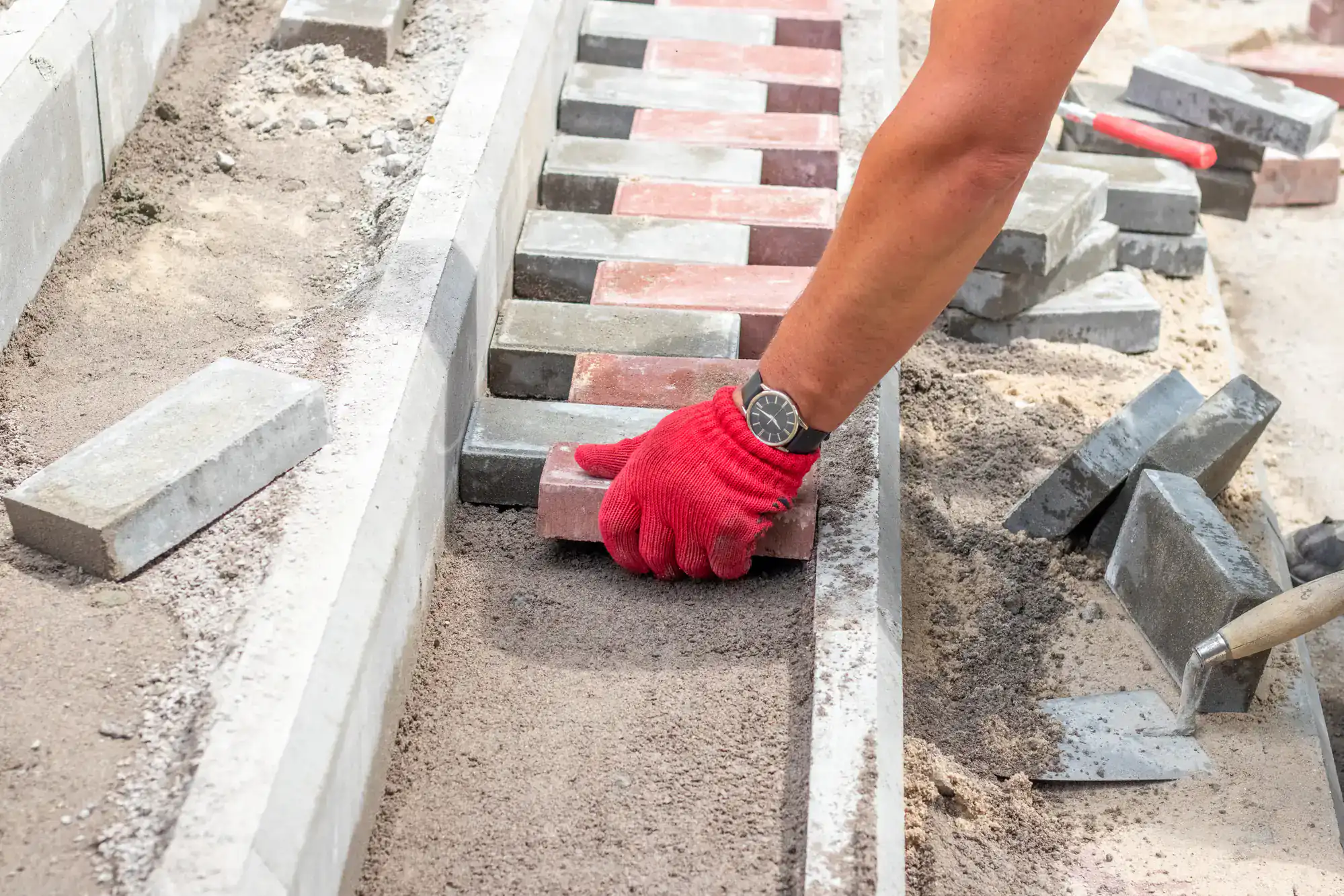
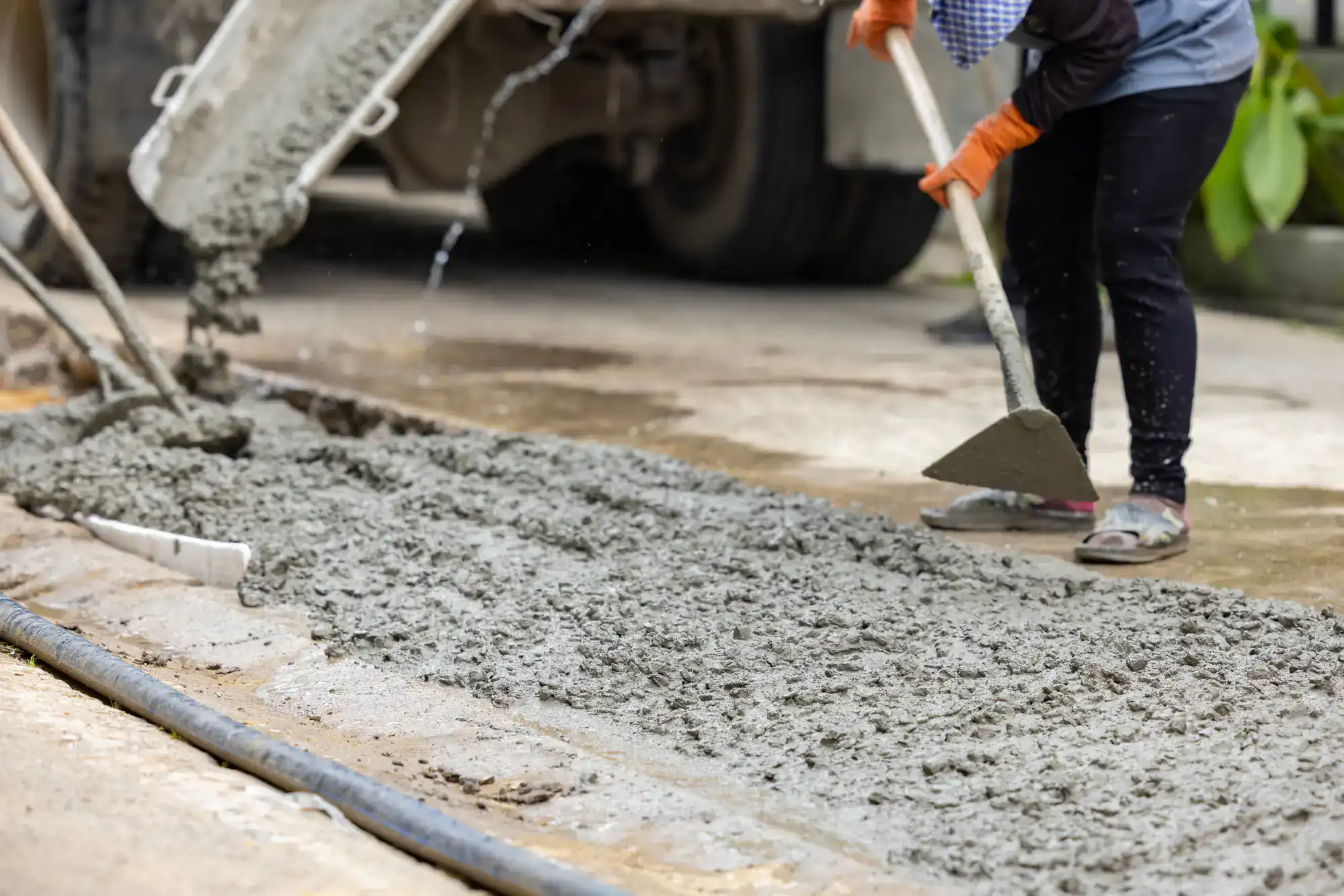
Once the work begins, the process is methodical. We assess the existing surface, grade and prepare the base for your specific site conditions whether that’s clay-heavy soil on a large rural lot or a high-traffic commercial surface along Route 5 and lay and compact the asphalt with professional-grade equipment. For longer residential driveways common in the Charlotte Hall area, that equipment matters. A crew without the right machinery can’t properly compact a 200-foot run, and improper compaction is one of the most common reasons asphalt fails early.
Depending on the scope, new installations may require a brief curing period before full vehicle traffic resumes. For sealcoating and maintenance work, timing matters too Southern Maryland’s optimal window runs April through October, with fall being ideal for sealcoating before the first freeze. If you’re unsure whether your driveway needs a full replacement or just crack filling and a fresh seal, that’s exactly the kind of question the estimate process is designed to answer.
Ready to get started?
We handle the full asphalt lifecycle new driveway installation, commercial parking lot paving, sealcoating, crack filling, parking lot maintenance, and line striping. For Charlotte Hall homeowners on large rural lots, that means one contractor who can install your driveway and maintain it for years without you having to re-shop every time a service is needed. For commercial property owners along the MD-5 corridor strip malls, retail centers, institutional facilities it means one call covers paving, sealing, and ADA-compliant striping without coordinating multiple vendors.
That ADA compliance piece isn’t optional for commercial properties. Parking lots in Charlotte Hall that don’t meet federal accessibility standards create real legal liability for business owners, regardless of property size. Properly marked accessible spaces, compliant access routes, and correct signage are part of what a professional parking lot paving job includes not an add-on.
For residential customers, sealcoating is one of the highest-value maintenance decisions you can make in this climate. Applied every three to five years starting about six months after a new installation, it fills surface voids, blocks water infiltration before the freeze-thaw season hits, and extends the life of your asphalt by years. The cost is a fraction of what a full replacement runs. If your driveway is already showing cracking, the crack filling service addresses that before it becomes a structural problem and before the next winter makes it worse.
Driveway paving costs in Charlotte Hall vary based on the length, width, current surface condition, and what base preparation is needed. As a general range, asphalt paving runs approximately $7 per square foot, which means a 200-foot driveway at a standard 12-foot width would land somewhere in the $15,000–$17,000 range before any site-specific adjustments. Shorter driveways typically fall in the $5,000–$10,000 range.
What drives cost up in this area specifically is the size of the lots. Charlotte Hall properties tend to have significantly longer private driveways than you’d find in a suburban development, and the base preparation requirements can vary depending on soil conditions and drainage. Clay-heavy soils common in parts of Southern Maryland need proper grading to prevent water from pooling under the surface which is one of the main causes of premature failure. A written estimate from us will break all of this down clearly before you commit to anything.
The ideal paving window in Southern Maryland runs from April through October, when daytime temperatures are consistently above 50°F and climbing. Asphalt needs warmth to be properly laid and compacted cold temperatures cause it to stiffen too quickly, which leads to poor compaction and a surface that won’t hold up the way it should.
For sealcoating specifically, fall tends to be the best timing for Charlotte Hall homeowners. September and October offer mild temperatures, lower humidity, and enough dry days for the sealant to cure properly before the first freeze. Sealcoating right before winter is one of the most effective ways to protect your asphalt from the freeze-thaw damage that Southern Maryland delivers every year. If you’re thinking about scheduling maintenance, getting it done in the fall rather than waiting until spring when everyone else is calling after winter damage also means you’re more likely to get on the schedule without a long wait.
In Maryland, any contractor performing home improvement work on a residential property is legally required to hold a valid MHIC license that’s the Maryland Home Improvement Commission credential. You can verify any contractor’s license directly through the MHIC’s public online database using their license number. We hold MHIC License #159766, which you can look up yourself.
This matters more than it might seem. The MHIC Guaranty Fund which all licensed contractors are required to contribute to gives homeowners a financial backstop if a licensed contractor fails to perform or disappears after taking payment. If you hire an unlicensed contractor and the job goes wrong, you have very limited legal recourse. In Charlotte Hall and the broader Southern Maryland area, traveling paving crews that approach homeowners with unsolicited offers are a known issue, particularly on rural properties with long driveways. Verifying the license number before signing anything is one of the simplest ways to protect yourself.
The general recommendation is every three to five years, but the right timing for your specific driveway depends on how much traffic it sees, how much sun exposure it gets, and how well it was maintained previously. In St. Mary’s County and Charles County, the freeze-thaw cycle is the biggest accelerant of asphalt deterioration. Southern Maryland averages 10 to 20 full freeze-thaw cycles per winter each one an opportunity for water to work its way deeper into surface cracks and cause damage from the inside.
If your driveway is already showing surface cracking, fading, or small potholes, those are signs that the protective layer has worn down and water is getting in. At that point, crack filling should be done before sealcoating sealing over open cracks without addressing them first doesn’t fix the underlying problem. A new driveway should wait about six months before its first sealcoat application to allow the asphalt to fully cure. After that, staying on a regular maintenance schedule is significantly cheaper than letting it deteriorate to the point of full replacement.
For a straightforward residential driveway replacement or resurfacing on an existing footprint, permits are generally not required in Maryland. However, if you’re adding new impervious surface area expanding an existing driveway, paving a previously unpaved area, or making changes that affect stormwater runoff you may trigger review requirements under Maryland’s stormwater management regulations, which apply statewide and are enforced at the county level in both Charles County and St. Mary’s County.
The practical answer is that a licensed contractor familiar with Southern Maryland’s regulatory environment will know when a permit is needed and can walk you through the process. This is one of the reasons working with an MHIC-licensed contractor matters beyond just the workmanship they’re accountable for knowing the rules. If your property is near a drainage area, a wetland buffer, or a low-lying area common in parts of the Charlotte Hall region, that’s worth discussing during the estimate so there are no surprises after the job starts.
The honest answer is that it depends on what’s underneath, not just what you can see on the surface. If you’re dealing with minor surface cracking, fading, or a few small potholes, crack filling and sealcoating can address those issues and extend the life of the driveway by several years. That’s a maintenance decision, not a replacement decision.
Where it shifts is when you start seeing alligator cracking the interconnected web-like pattern that signals the base has failed, not just the surface. At that point, sealing over it is temporary at best. The asphalt is moving with the ground beneath it, and no surface treatment will fix a structural problem. The same applies to significant heaving, large sunken areas, or sections where water is pooling and not draining. For Charlotte Hall properties on large lots with clay-heavy soils, base failure is often a drainage issue that started years before the surface showed visible damage. A proper assessment during the estimate process looks at the full picture not just what’s visible on top so you’re not spending money on repairs that won’t hold.
Other Services we provide in Charlotte Hall