Hear from Our Customers
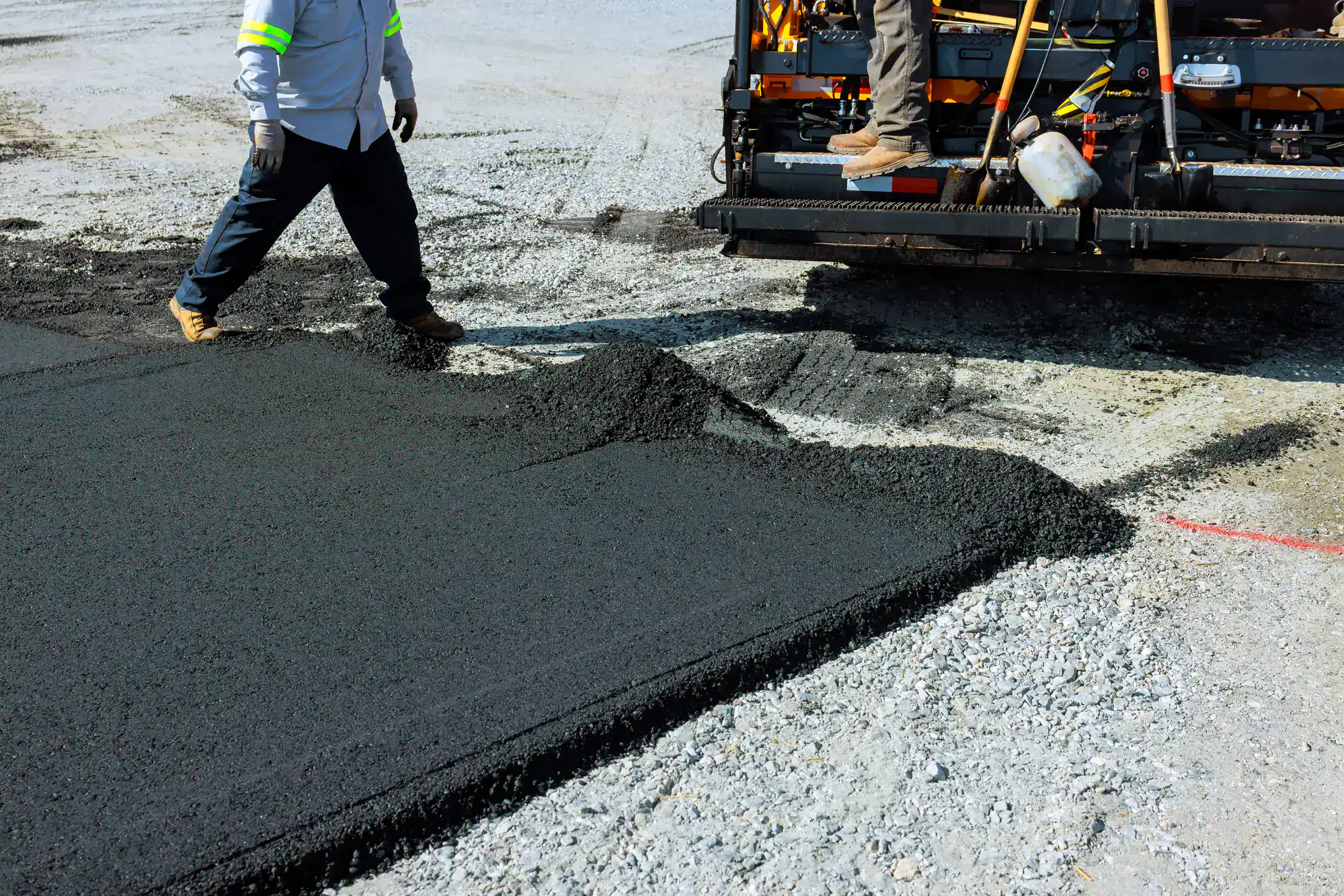
A parking lot in California, MD isn’t just a surface it’s working harder than almost any other commercial lot in Southern Maryland. The Route 235 corridor sees traffic volumes that would accelerate wear on any pavement that wasn’t built and maintained to commercial-grade specifications. When your lot is properly installed and maintained, your customers aren’t navigating potholes, your tenants aren’t complaining, and your liability exposure drops significantly.
St. Mary’s County winters are no joke for asphalt. The freeze-thaw cycles that hit California every January and February push moisture into every hairline crack, freeze it, expand it, and leave you with a pothole by April that wasn’t there in October. A well-maintained surface crack filled before winter, sealcoated on a regular cycle stops that process before it starts. That’s just how asphalt chemistry works in a coastal plain climate near the Patuxent River.
The other thing most property managers in California don’t think about until it’s too late: once water gets through the surface and reaches the base layer, you’re no longer looking at a repair. You’re looking at a full reconstruction. A $10,000 fix deferred long enough becomes a $30,000–$50,000 rebuild. Staying ahead of that curve is exactly what a consistent commercial paving maintenance program is designed to do.
We’ve been operating in Maryland since 2011 over 14 years of commercial and residential paving work across the state. We hold MHIC License #159766, a Maryland state credential that requires passing a rigorous exam and demonstrating real-world experience before it’s issued. That’s not a checkbox it’s a verifiable standard. You can look it up on the Maryland Department of Labor website anytime.
Our BBB Accreditation and A+ rating back that up with third-party accountability. For facilities managers and property owners along the Wildewood corridor and Three Notch Road in California who run vendor qualification processes, that documentation matters. Not every paving contractor working in St. Mary’s County can produce it.
We’re also licensed in both Maryland and Virginia which means if you manage properties on both sides of the state line, you’re working with one contractor, not two. That’s a practical advantage most local operators simply can’t offer.
It starts with a free site assessment. Before any recommendation is made, we evaluate your current surface condition, drainage situation, subgrade integrity, traffic patterns, and ADA compliance status. For commercial properties along Route 235 in California where drainage issues are common given the area’s proximity to the Patuxent River watershed this step isn’t optional. It’s what separates a surface that lasts 20 years from one that fails in five.
From there, you get a clear scope of work with honest recommendations. If your lot needs sealcoating, that’s what you’ll hear. If it needs full reconstruction, you’ll hear that too along with a cost comparison that shows you what waiting will actually cost. Once the scope is agreed on, scheduling is built around your operation. High-traffic commercial locations on Three Notch Road don’t have the luxury of shutting down for a week. We offer phased scheduling and off-hours options so commercial paving projects in this corridor get done without costing you customers.
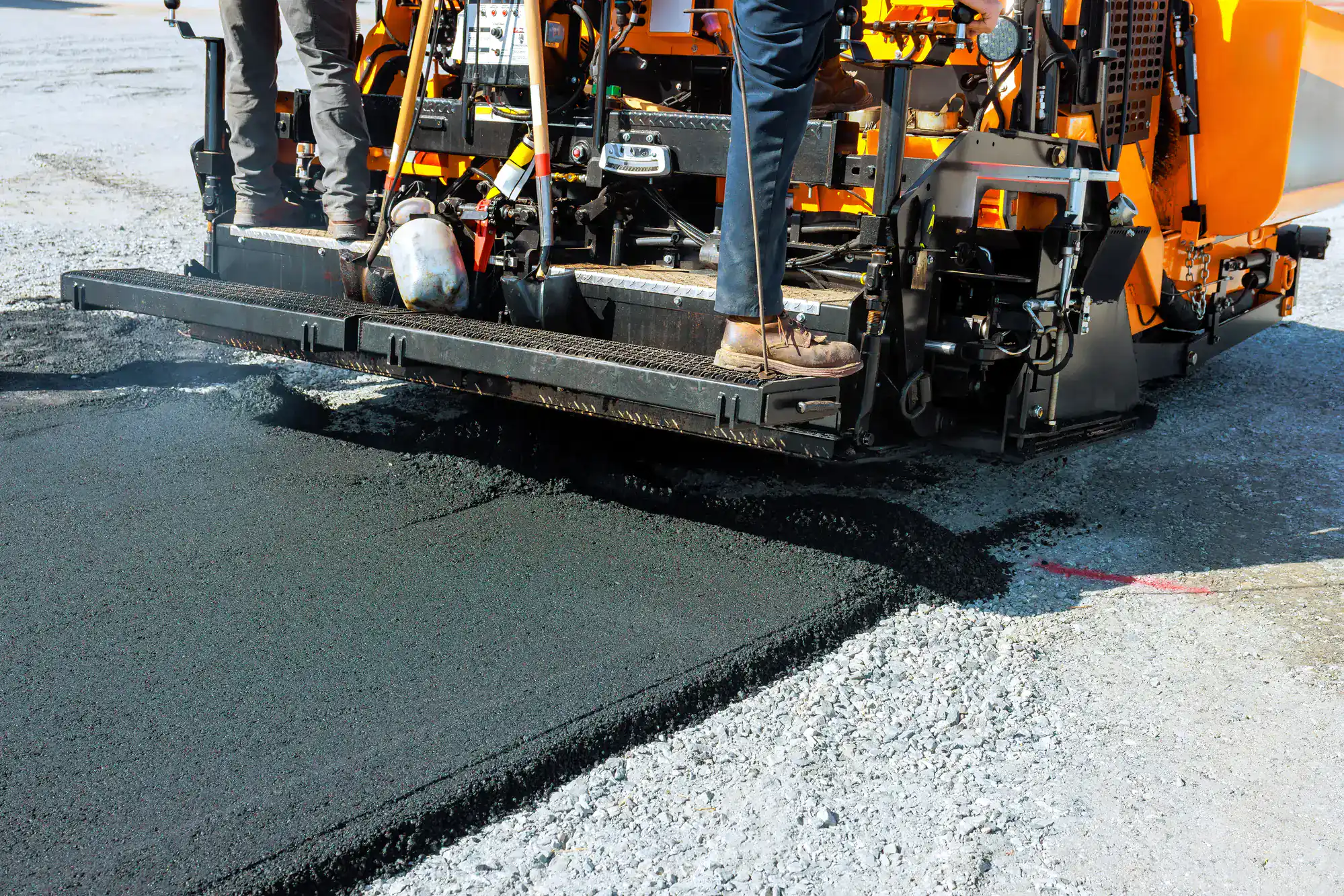
The work itself follows commercial-grade specifications a minimum of 4 inches of asphalt for parking lots, proper base compaction, and drainage design that accounts for the elevated rainfall and water table conditions in this part of St. Mary’s County. When the job is complete, line striping and ADA-compliant markings are handled in the same visit if needed. One contractor, complete scope, no coordination headaches.

Ready to get started?
We handle the full scope of commercial pavement work new asphalt installation, resurfacing and overlays, sealcoating, crack filling, pothole repair, parking lot line striping, and ADA-compliant accessible space upgrades. For property managers in California who are used to coordinating three different contractors for three different needs, having one licensed company handle all of it is a real operational difference.
Sealcoating deserves a specific mention here. The oxidation that breaks down asphalt binder happens faster in high-UV, high-traffic environments and a commercial lot on Route 235 that sees 35,000-plus vehicles on the adjacent road daily is in exactly that category. A sealcoating program on a 3–5 year cycle protects the binder, slows surface aging, and keeps your lot looking like it belongs in a well-maintained commercial corridor rather than a neglected one.
ADA compliance is built into every commercial project we complete. Federal standards require specific accessible space counts, van-accessible designations, proper signage, and strict cross-slope limits on accessible routes. In California’s commercial market where medical offices, defense contractor campuses, and large retail centers are all operating under federal accessibility requirements this isn’t a line item you can skip. It’s part of the job, and we handle it as part of the job.
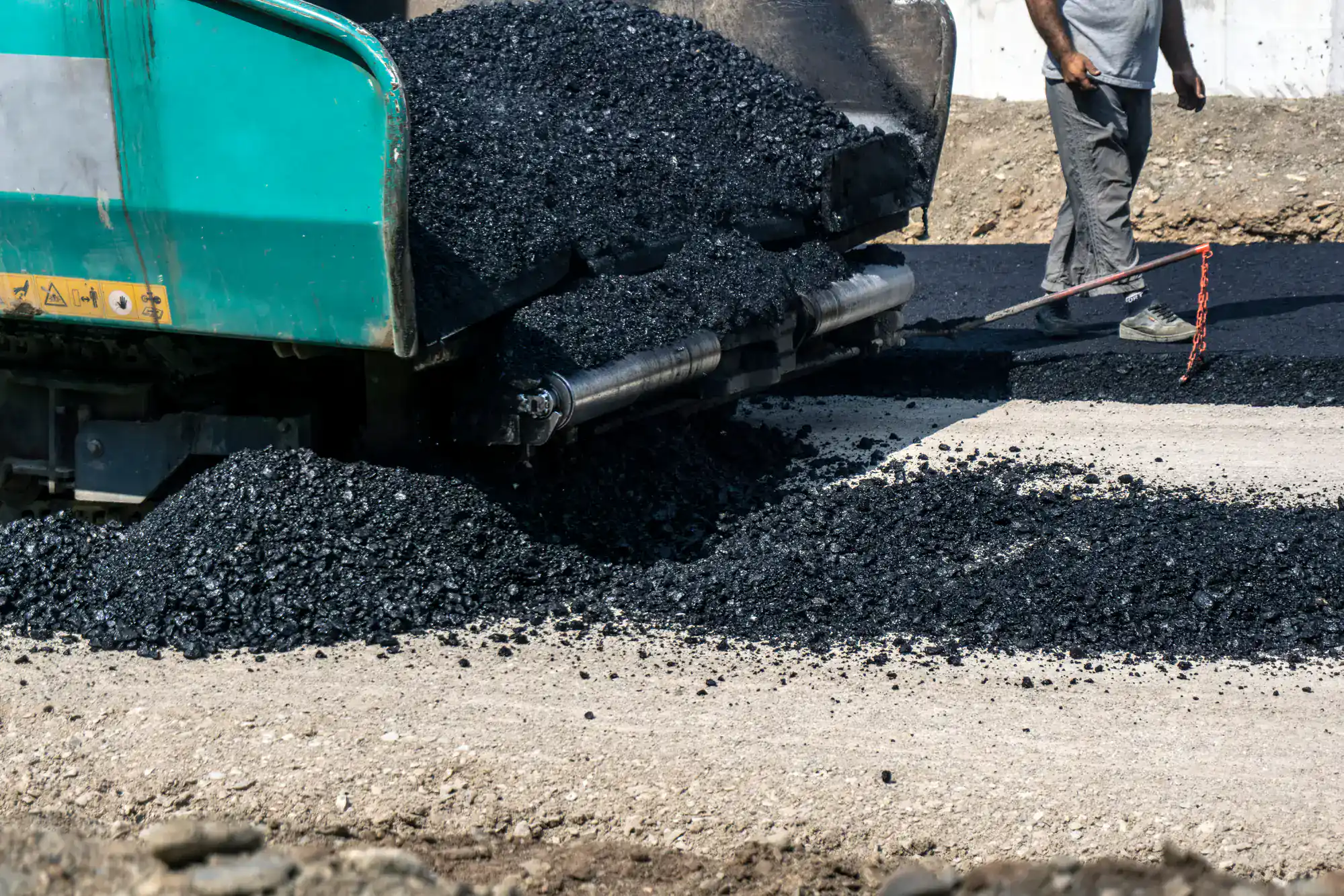
Commercial paving costs in California, MD vary based on the size of the lot, the current condition of the surface, and what the job actually requires new installation, resurfacing, or repair. For a straightforward resurfacing project on a mid-size commercial lot, you’re generally looking at a range that reflects the commercial-grade specifications required: 4 inches of asphalt minimum, proper base work, and drainage considerations specific to St. Mary’s County’s coastal plain environment.
What tends to surprise property managers is how significantly deferred maintenance changes the number. A lot that needed a $10,000 repair two years ago can easily require $30,000–$50,000 in full reconstruction once water infiltration has compromised the base layer. The most useful thing you can do before budgeting is get a site assessment that tells you exactly what your surface needs right now not a ballpark based on square footage alone. That assessment is free, and it gives you real numbers to work with.
A properly installed commercial asphalt surface in St. Mary’s County can last 20 to 30 years but that lifespan is highly dependent on two things: the quality of the initial installation and the consistency of maintenance over time. The freeze-thaw cycling that hits California every winter is one of the most aggressive forces acting on pavement in the Mid-Atlantic region. St. Mary’s County’s own Department of Public Works acknowledges it as the primary driver of pothole formation on county roads and the same dynamic applies to every private commercial lot on Route 235 and Route 4.
Sealcoating every 3–5 years, crack filling before the winter season, and addressing drainage issues before they reach the base layer are the three maintenance practices that consistently extend pavement life in this climate. Skip any of them long enough, and the 25-year surface becomes a 10-year replacement. The math on staying current with maintenance almost always wins.
California is an unincorporated community in St. Mary’s County, which means all permitting flows through the St. Mary’s County Department of Land Use and Growth Management not a city or town office. Whether your project requires a permit depends on the scope of the work. Routine resurfacing and maintenance typically don’t trigger a permit requirement, but projects that involve changes to drainage, stormwater management, or impervious surface area may require review through the county’s LUGM and potentially coordination with Environmental Health.
If your property is near the Patuxent River or any of its tributaries, St. Mary’s County’s Critical Area regulations may also apply and contractors unfamiliar with those requirements can inadvertently create compliance issues for property owners. Part of what you’re getting with a licensed commercial paving contractor is the experience to identify those situations before work begins, not after. We hold MHIC License #159766 and have the Maryland operating experience to navigate county-level permitting requirements correctly.
Resurfacing also called an overlay involves applying a new layer of asphalt over the existing surface. It works well when the base layer is structurally sound and the damage is limited to the top few inches. It’s significantly less expensive than full replacement and can add 10–15 years of life to a lot that still has a good foundation underneath. For many commercial properties along Three Notch Road that have been maintained reasonably well, resurfacing is the right call.
Full replacement becomes necessary when water has infiltrated through the surface and compromised the base layer. At that point, the foundation is no longer stable enough to support a new surface you’d be paving over a problem that will resurface (literally) within a few years. The site assessment is what tells you which situation you’re in. A contractor who recommends full replacement without evaluating the base, or who recommends resurfacing over a clearly failed base, is not giving you useful advice. The assessment is where honest recommendations start.
ADA compliance for commercial parking lots involves several specific requirements: the correct number of accessible spaces based on your total lot size, at least one van-accessible space per cluster of accessible spaces, the International Symbol of Accessibility on signage mounted at a specific height, and cross-slope limits of no more than 1:48 (roughly 2%) on accessible routes and spaces. Cracked surfaces, uneven pavement, and faded striping can all push a lot out of compliance even if it was correctly marked when originally installed.
In California’s commercial corridor where medical offices, large retail centers, and defense contractor facilities are all operating under federal accessibility requirements ADA compliance is not something that gets checked once and forgotten. Pavement deterioration, resurfacing work, and re-striping all affect compliance status. We incorporate ADA compliance review and compliant striping into every commercial paving project, so you’re not left to figure out whether the accessible spaces meet current standards after the job is done.
The optimal paving windows in St. Mary’s County are spring roughly April through June and early fall, typically September through mid-October. Both periods offer the ambient temperatures that asphalt needs to lay and cure correctly: generally above 50°F and stable. Southern Maryland summers can push into the high 80s and 90s, which affects asphalt workability and means scheduling needs to account for heat during July and August. Once temperatures start dropping consistently below 50°F in late fall, permanent paving work effectively stops until spring.
For commercial properties on Route 235 and Route 4 in California, spring scheduling fills up quickly property managers who assess their lots in late winter and schedule early consistently get better project windows than those who wait until April and find the calendar already crowded. If your lot took visible damage over the winter, the right move is to get a site assessment in February or March so you’re not scrambling when the paving season opens. Emergency cold-patch repairs can hold a surface through the winter, but they’re not a permanent fix they’re a bridge to get you to a proper spring repair.
Other Services we provide in California