

Hear from Our Customers
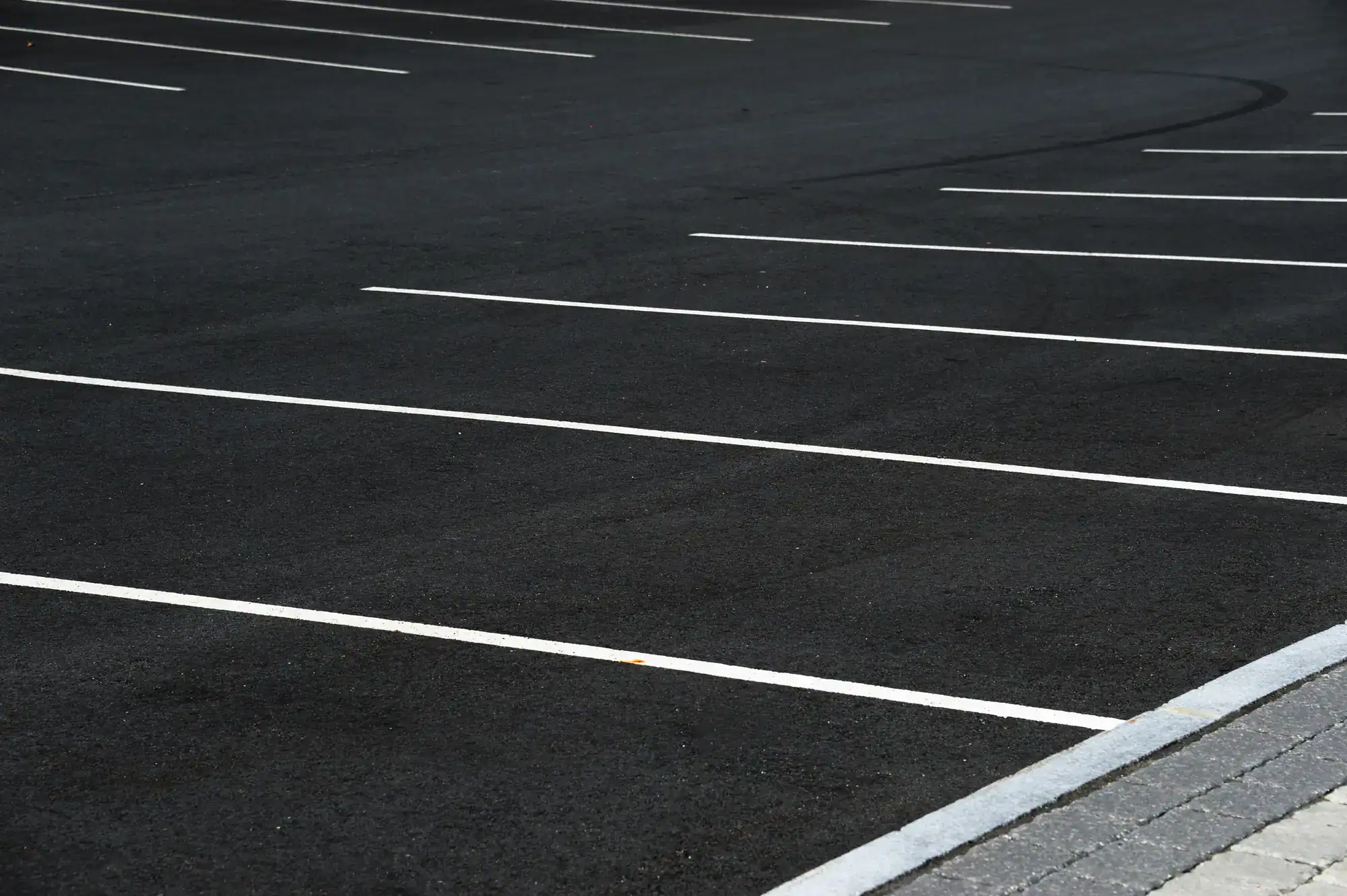
Broomes Island sits on a low-lying peninsula between Island Creek and the Patuxent River. That geography is beautiful and it’s genuinely hard on asphalt. High moisture, a clay-heavy subgrade, salt air off the water, and Maryland’s freeze-thaw winters combine to accelerate cracking, surface oxidation, and drainage failure faster than you’d see on an inland lot. If the base isn’t engineered for these conditions from day one, you’re not getting 20 years out of that surface. You’re getting eight, maybe ten, and spending the back half of that window patching it every spring.
A properly installed commercial parking lot in Broomes Island changes that picture entirely. The right subbase depth, the right drainage grade, commercial-grade hot-mix asphalt at the correct thickness these aren’t upgrades, they’re the baseline for a surface that actually performs here. For marina operators, waterfront venue owners, and small businesses along Oyster House Road, your parking lot is the first thing customers see when they pull in. It sets the tone before anyone walks through your door.
The other thing worth saying plainly: ADA compliance isn’t optional for commercial properties open to the public. Federal first-violation fines reach $75,000 per incident, and the requirements accessible space ratios, van-accessible aisles, maximum slope tolerances need to be designed in from the start, not retrofitted after a complaint. Getting it right the first time is significantly cheaper than getting it wrong.
We’ve been operating in Maryland since 2011 through more than a decade of Chesapeake Bay winters, hurricane seasons, and the kind of freeze-thaw cycles that expose every shortcut a contractor took during installation. We hold Maryland MHIC License #159766 and BBB A+ accreditation, and those aren’t decorative. They’re the credentials that give you legal recourse if something goes wrong, and a verified track record that fly-by-night crews operating in Calvert County simply can’t produce.
Headquartered in Annapolis and serving all of Southern Maryland, we work regularly in waterfront and coastal communities where drainage engineering and environmental compliance aren’t afterthoughts. For commercial properties in Broomes Island including Maritime Commercial-zoned sites along Oyster House Road and the waterfront corridor near the Patuxent River that regional familiarity matters. You’re not explaining your site to someone who’s never worked near tidal water. You’re talking to a contractor who already understands what that means for your project.
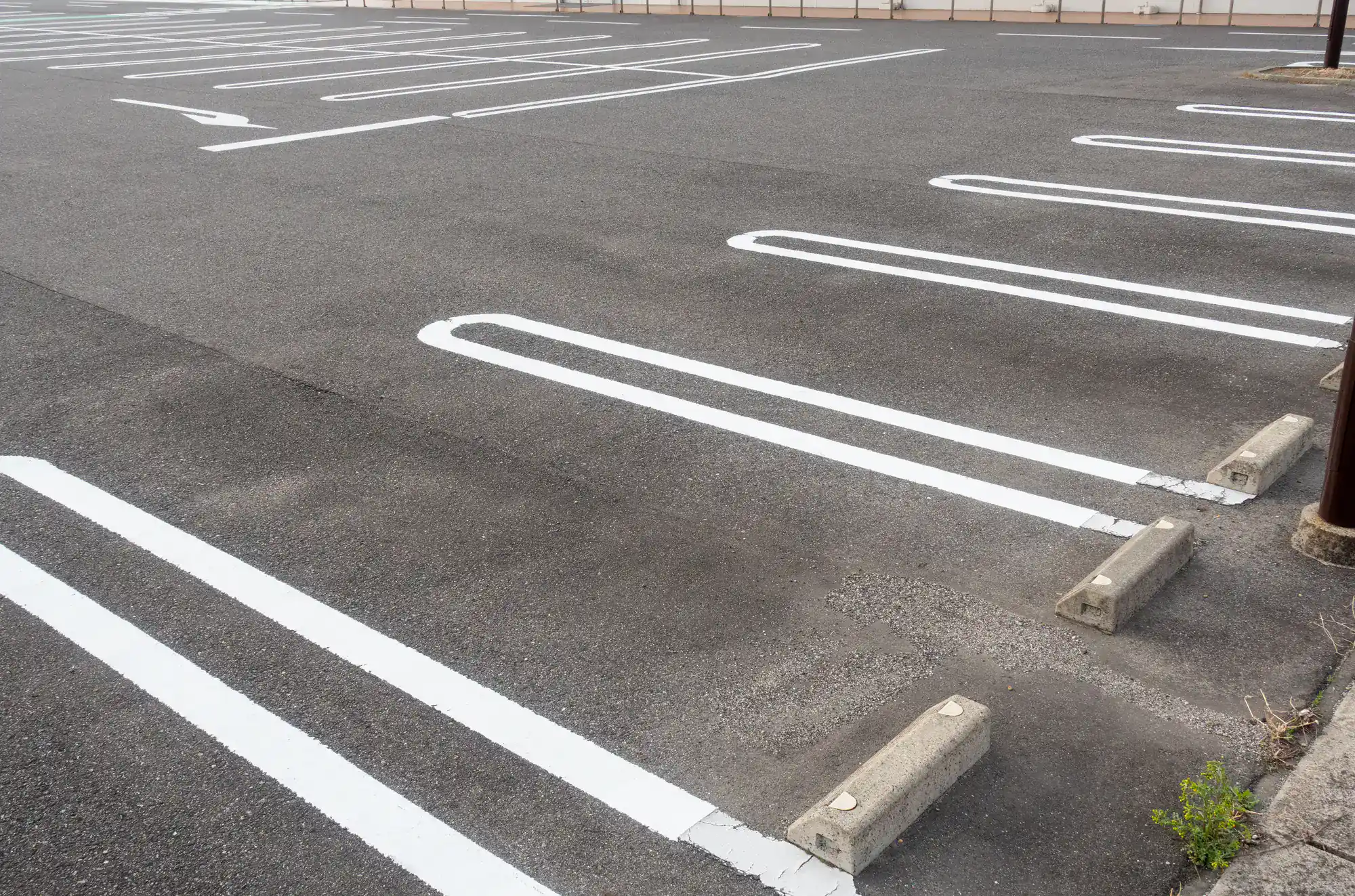
It starts with a site visit. Before anything is quoted or scheduled, we evaluate your existing surface, subgrade conditions, drainage patterns, and any site-specific factors including proximity to Island Creek or the Patuxent River, which directly affects how drainage needs to be engineered. For properties within Maryland’s Chesapeake Bay Critical Area, which covers essentially all commercial sites along Broomes Island’s waterfront, that assessment also accounts for applicable Calvert County permit requirements and Critical Area stormwater considerations. You get a written proposal that spells out materials, thickness, base preparation, and scope not a verbal number that changes when the crew shows up.
Once the project is underway, the process moves in a clear sequence: subgrade preparation and grading, base course installation, hot-mix asphalt paving at commercial-grade thickness (typically 3 to 5+ inches depending on load requirements), compaction, and final surface finishing. Line striping and ADA-compliant markings are completed after the surface cures. For waterfront businesses in Broomes Island marinas, restaurants, event venues timing matters. Spring installation slots fill early, and the goal is to have your lot ready before summer traffic peaks, not during it. If you’re planning a spring project, fall or early winter is the right time to get a quote and lock in your schedule.
Ready to get started?
We handle commercial parking lot paving in Broomes Island from the ground up new asphalt parking lot installation for properties being built or redeveloped, full replacement of failed existing surfaces, and ongoing maintenance programs that extend the life of what you already have. Sealcoating, crack filling, and ADA-compliant line striping are all part of the picture. For waterfront properties in Calvert County where salt air accelerates surface oxidation, sealcoating every two to three years isn’t optional maintenance it’s what keeps a 20-year surface from becoming a 12-year one.
For commercial property owners considering new parking lot construction in Broomes Island including any redevelopment of Maritime Commercial-zoned sites along Oyster House Road the permitting process runs through Calvert County’s Division of Inspections and Permits in Prince Frederick. Projects that alter drainage areas or disturb more than 5,000 square feet trigger additional plan requirements, and work within 1,000 feet of tidal waters falls under Critical Area review. We navigate that process as part of the project, not as an add-on.
It’s also worth noting the financial side: commercial asphalt parking lots are depreciable business assets on a 15-year IRS schedule. The cost of professional installation is recoverable through annual deductions which reframes the investment considerably when you’re looking at a $25,000 to $75,000 project scope.
In most cases, yes. Commercial paving projects in Broomes Island fall under Calvert County’s jurisdiction, and permits are administered through the Division of Inspections and Permits at 150 Main Street in Prince Frederick. A grading permit is typically required for any construction activity that disturbs land area, and that requirement applies regardless of project size for work near tidal waters. Projects disturbing more than 5,000 square feet trigger additional stormwater management plan requirements.
Because Broomes Island sits within Maryland’s Chesapeake Bay Critical Area a 1,000-foot buffer from tidal waters virtually all commercial properties along Oyster House Road and the waterfront corridor are subject to Critical Area review for paving projects that alter existing impervious surfaces or drainage patterns. This isn’t a barrier to getting work done, but it does mean you want a contractor who understands the process and accounts for it in your project timeline and proposal. We handle permit coordination as part of the job, so you’re not navigating Calvert County’s permitting office on your own.
A properly installed commercial asphalt parking lot has a service life of 15 to 25 years. In a waterfront environment like Broomes Island, hitting the upper end of that range requires a few things to go right from the start: correct subbase preparation for the clay-heavy, high-moisture soil conditions common on the Patuxent River peninsula, adequate drainage engineering to move water away from the surface, and commercial-grade hot-mix asphalt at appropriate thickness typically 3 to 5+ inches for commercial vehicle loads.
Salt air off the Patuxent River accelerates oxidation of asphalt binders faster than you’d see on an inland lot, which is why sealcoating every two to three years is particularly important for Broomes Island commercial properties. Sealcoating slows that oxidation process, keeps the surface flexible through Maryland’s freeze-thaw cycles, and significantly extends the time before you’re looking at major repairs or full replacement. A lot that gets maintained properly can realistically reach 20-plus years. One that doesn’t especially in a coastal environment starts showing serious deterioration in the eight-to-twelve-year range.
The core difference is load engineering. Residential driveway asphalt is typically installed at 2 to 3 inches of thickness and is designed for passenger vehicles with predictable, low-frequency use. Commercial parking lot paving is engineered for heavier vehicles, higher traffic volumes, and the cumulative stress of constant use which means commercial-grade hot-mix asphalt at 3 to 5+ inches of thickness, a more substantial base course, and drainage design that accounts for the full site’s impervious surface area.
Some contractors use residential-grade mix on commercial jobs. It looks identical on installation day. The difference shows up four or five years later when the surface starts failing under loads it wasn’t built to handle. For a marina operator on Oyster House Road with boat trailers and heavy trucks pulling in and out throughout the summer season, that distinction is significant. Commercial-grade materials and proper base preparation aren’t an upsell they’re what makes the difference between a surface that performs and one that requires constant repair.
For a typical commercial parking lot in the 10,000 square foot range, installed asphalt costs generally fall between $25,000 and $45,000 depending on site conditions, base preparation requirements, drainage complexity, and whether ADA-compliant striping and markings are included. Larger lots or sites with more complex drainage needs which is common for waterfront properties in Broomes Island given the peninsula’s low elevation and high water table can run higher.
The most accurate way to understand your cost is through a written site-specific proposal, not a per-square-foot estimate over the phone. Site conditions in Broomes Island vary enough subgrade quality, existing drainage infrastructure, proximity to tidal water, and whether Critical Area permits are required that ballpark numbers without a site visit aren’t particularly useful. We provide free written quotes that itemize materials, base preparation, thickness, and scope, so you know exactly what you’re paying for before any work begins.
Asphalt requires ambient temperatures of at least 50°F for proper installation and compaction, which puts the practical paving season in Maryland between April and October. For commercial properties in Broomes Island particularly marinas, waterfront restaurants, and event venues that see their highest traffic volumes between May and September the ideal installation window is early spring, before the summer season begins.
The challenge is that quality contractors in Calvert County book their spring slots early. If you’re planning a spring project, the time to get a quote and confirm your schedule is in the fall or winter prior. Waiting until April to start looking often means you’re either choosing from contractors who still have availability for a reason, or you’re pushing the project into summer and disrupting your peak revenue period. Post-winter is also when freeze-thaw damage from the previous season becomes visible cracking, pothole formation, and surface heaving so a late-winter site assessment is a good starting point for any property owner evaluating whether maintenance or full replacement makes more sense.
It does, in a few meaningful ways. The peninsula’s low-lying geography and high water table mean drainage engineering is more critical here than on an inland commercial site. Clay-heavy subgrades common to this area retain moisture and shift seasonally, which affects base preparation requirements. If drainage isn’t properly designed to move water away from the surface and away from Island Creek and the Patuxent River you end up with standing water that accelerates cracking, base erosion, and premature surface failure.
There’s also the regulatory dimension. Broomes Island falls within Maryland’s Chesapeake Bay Critical Area, and commercial paving projects that alter drainage areas or disturb significant land area near tidal waters require Calvert County review. That process exists to protect water quality in the Patuxent River watershed a concern the community takes seriously, as anyone familiar with the annual Bernie Fowler Wade-In tradition understands. Designing a parking lot that handles drainage correctly isn’t just good engineering in this location; it’s what responsible development near the Patuxent looks like. We account for both the technical and regulatory dimensions of waterfront site work as a standard part of every commercial project in this area.
Other Services we provide in Broomes Island