Hear from Our Customers
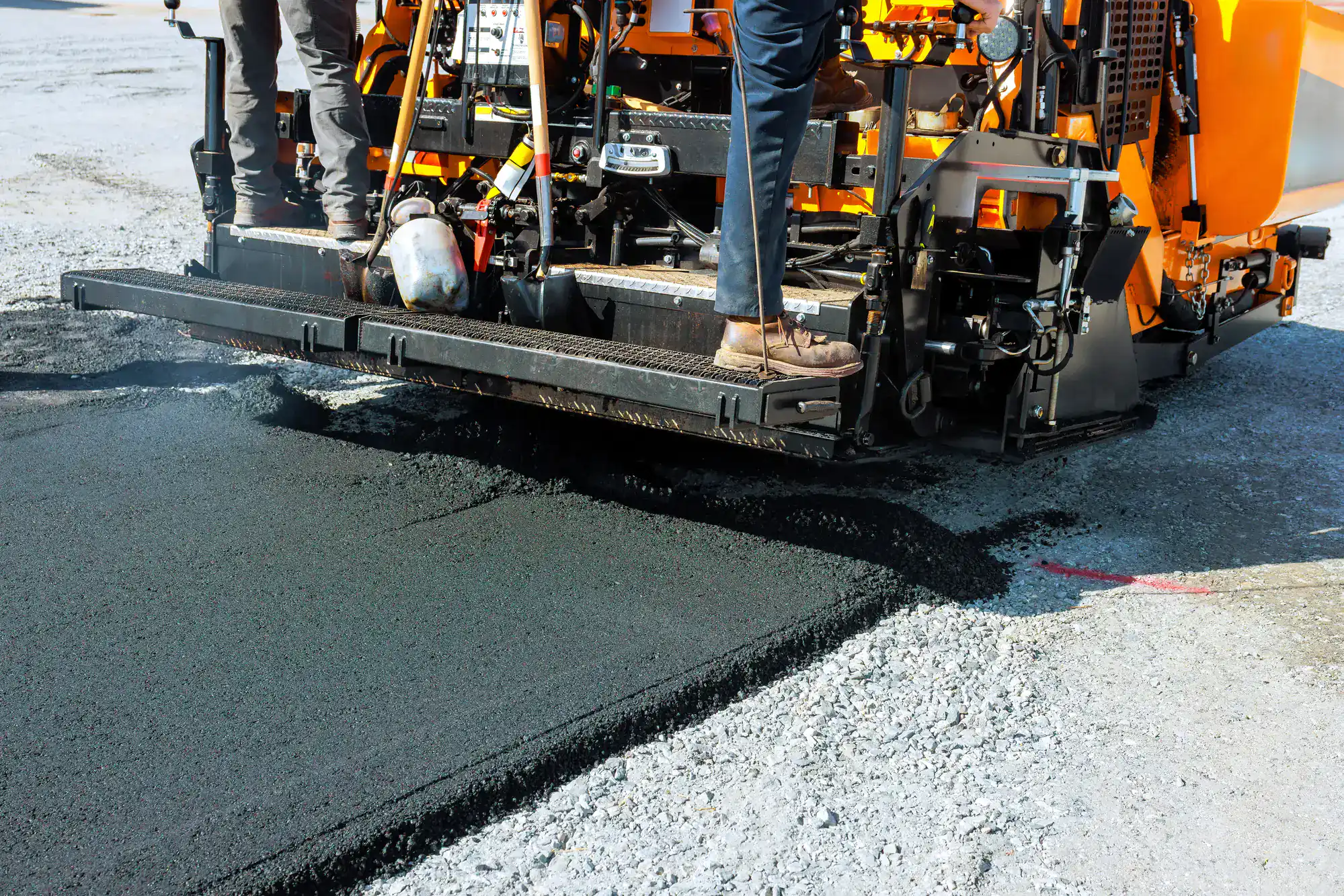
Hancock’s winters are not the same as the rest of Maryland. At 564 feet in the Ridge and Valley Appalachians, frost penetration here can reach 18 inches or more in extreme winters more than triple what southern Maryland sees. That kind of freeze-thaw stress doesn’t just crack asphalt at the surface. It works its way into the base, heaves the pavement from underneath, and turns a manageable repair into a full replacement if the lot wasn’t built right in the first place.
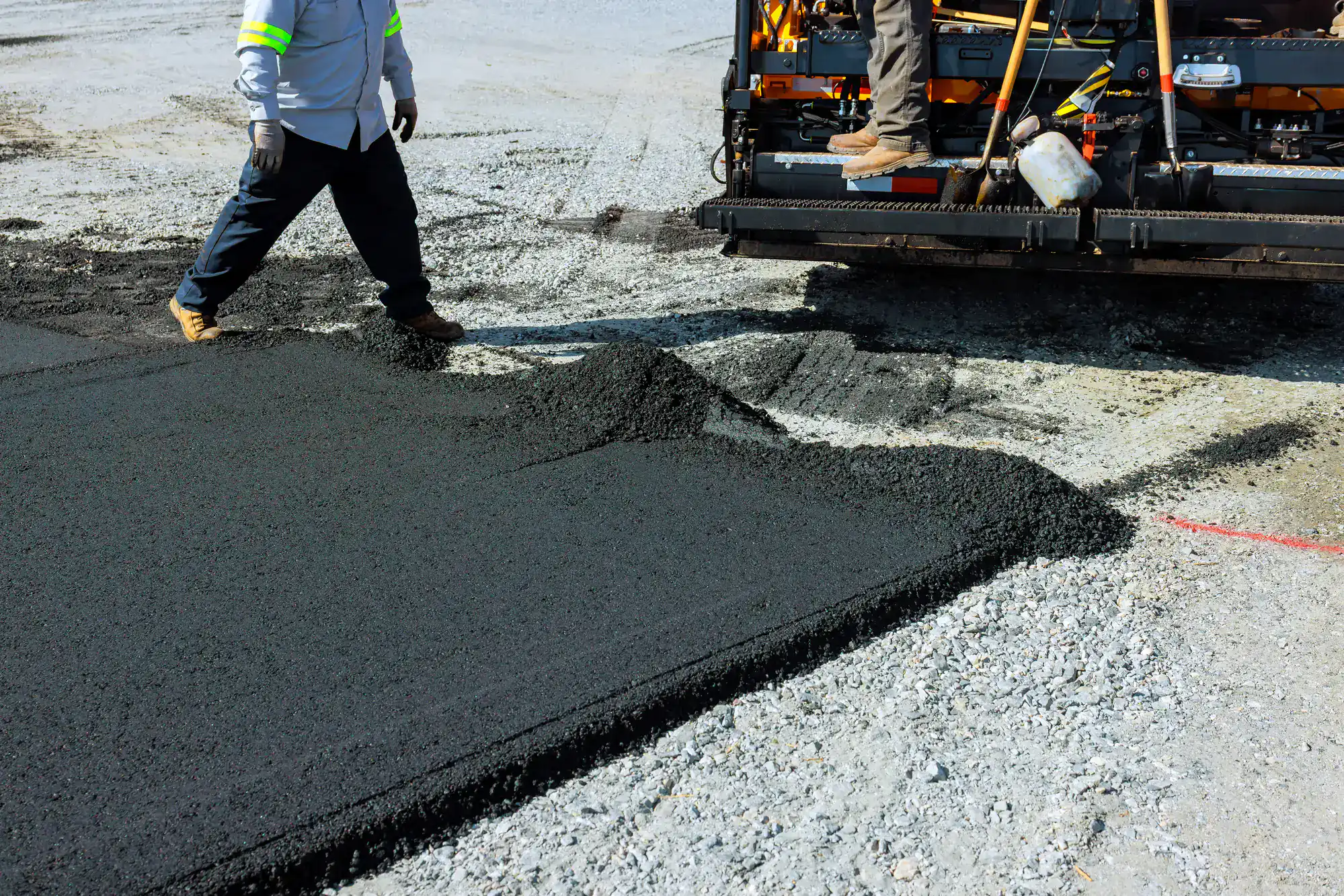
When we install parking lot paving correctly for this climate, the difference shows up over time. The lot doesn’t start cracking within a few years. Drainage holds. The surface stays intact through the spring thaw instead of opening up into potholes the moment trail season starts. For businesses along Main Street and the Pennsylvania Avenue corridor that depend on visitors arriving from I-70 and I-68, a lot that looks and functions well through April and May isn’t just a maintenance win it’s part of the experience you’re delivering.
That’s the outcome worth investing in: a parking lot that was designed for where it actually sits, built with the base depth and asphalt thickness that Hancock’s western Maryland conditions demand, and maintained on a schedule that keeps it on the right side of the 75% lifecycle cliff before expensive structural damage sets in.
We are a Maryland-licensed asphalt paving contractor with MHIC License #159766 a credential you can look up yourself at labor.maryland.gov before signing anything. That license isn’t a formality. It requires documented experience, a passing score on a state exam, and proof of general liability insurance. It also means you have legal recourse and access to the MHIC Guaranty Fund if something goes wrong. In an industry where unlicensed operators are common, that protection matters.
We carry a BBB A+ rating from the Better Business Bureau of Greater Maryland and have completed more than 5,000 paving projects across Maryland over 40+ years. That volume of work includes the full range of Maryland’s climate conditions including the harsher winters that Washington County and the Ridge and Valley region deliver every year. For Hancock property owners choosing between a contractor they can verify and one they can’t, the difference isn’t subtle.
A contractor who publishes their license number, holds an A+ rating, and has been operating in Maryland since 2011 is a contractor who has something to stand behind.
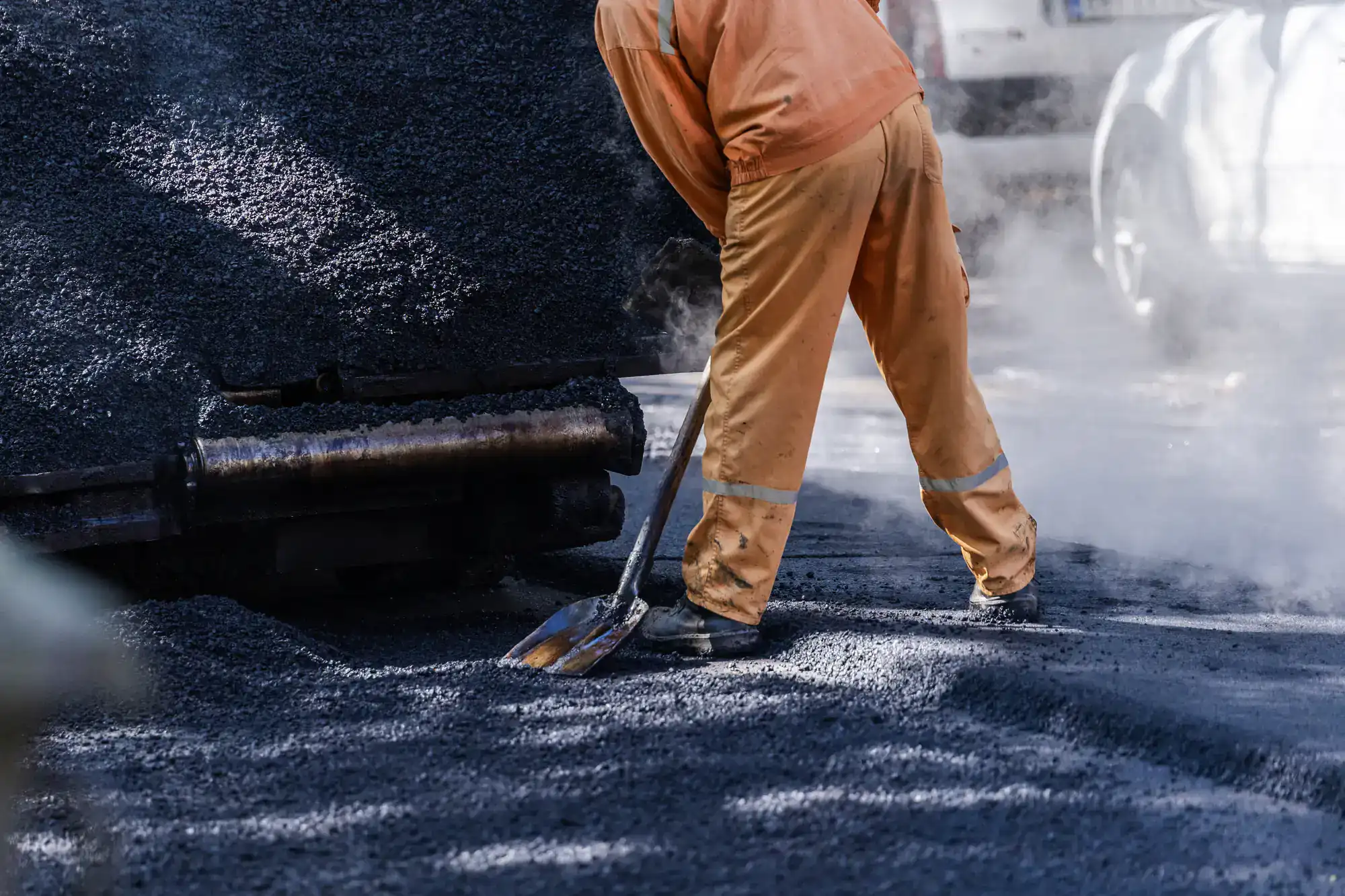
It starts with a site visit. Before any quote is issued, we assess the property in person surface condition, base integrity, drainage patterns, and ADA compliance gaps. For lots along Hancock’s Pennsylvania Avenue corridor, that assessment pays particular attention to the subgrade. The Ridge and Valley geology underlying this area means subsurface conditions can be less predictable than in flatter parts of Maryland, and skipping a thorough base evaluation is one of the most reliable ways to end up with a lot that fails early.
Once the scope is clear, you get a written estimate that specifies materials, asphalt thickness, base preparation method, drainage plan, and ADA compliance scope. Nothing vague. If the lot needs crack filling and sealcoating rather than full replacement, that’s what the estimate will say not the most expensive option available, but the right one for where the pavement actually is.
We schedule work around the paving season generally April through November in western Maryland, with spring timing prioritized for trail-economy businesses in Hancock that need their lots in shape before visitor traffic picks up. After completion, you receive documentation of what was installed, to what specification, and when. That record matters for maintenance planning, commercial real estate purposes, and ADA compliance files. The job isn’t done when the crew leaves it’s done when you have everything you need to manage the asset going forward.
Ready to get started?
We handle the full scope of commercial parking lot work in Hancock and the surrounding Washington County area new installation, full-depth replacement, structural overlays, asphalt resurfacing, crack filling, pothole repair, sealcoating, ADA-compliant line striping, and drainage engineering. That full-scope model matters here because coordinating separate paving, sealcoating, and striping vendors is a time cost that small business owners in a town of 1,557 people simply don’t need. One contractor, one contract, one point of contact if anything needs to be addressed.
For commercial lots on the Pennsylvania Avenue and Main Street corridors where truck traffic from I-70 and I-68 adds axle load stress that standard residential paving specs aren’t built for the minimum asphalt thickness for commercial applications is four inches. That’s not a negotiable number. It’s the specification that holds up under the kind of traffic Hancock’s highway-adjacent businesses actually deal with, and it’s stated in writing before work begins.
ADA compliance is built into every commercial project as standard scope, not an optional add-on. That includes accessible space ratios, van-accessible aisle widths, slope limits, and marked accessible routes. Many older properties in Hancock’s downtown and along the Pennsylvania Avenue strip predate current ADA standards. A resurfacing or repaving project triggers a compliance review obligation under federal law and first-violation DOJ fines reach $75,000. Getting this handled as part of the paving project is significantly less expensive than addressing it after the fact.

Hancock sits at 564 feet elevation in the Ridge and Valley Appalachians, and that elevation matters more than most property owners realize. Washington County is specifically identified as a higher-severity winter weather zone in Maryland advisories, and frost penetration in this physiographic province can reach 18 inches or more in extreme winters. That’s not a minor detail it’s the difference between a base that holds and one that heaves, cracks, and fails within a few years of installation.
What this means practically is that base preparation in Hancock needs to account for deeper frost penetration than a contractor calibrated to Anne Arundel County or the Baltimore suburbs would typically build for. Proper subgrade compaction, adequate base depth, and drainage grading that prevents water from pooling at the surface where it freezes, expands, and forces cracks open from below are non-negotiable for a lot that’s going to last in this climate. A contractor who doesn’t ask about your site’s drainage and soil conditions before quoting the job is likely not accounting for what western Maryland winters actually do to pavement.
Yes, and this applies to existing lots, not just new construction. Any commercial property with public parking is subject to ADA requirements under federal law, and resurfacing or repaving a lot triggers a compliance review obligation. Many older properties in Hancock’s downtown and along the Pennsylvania Avenue corridor were built before current ADA standards were tightened, which means they may already be out of compliance without the owner knowing it.
The specific requirements include one accessible space per every 25 total spaces, with at least one van-accessible space per cluster. Van-accessible aisles must be a minimum of eight feet wide. Running slopes in accessible spaces cannot exceed 1:12, and cross slopes are limited to 1:48. Accessible spaces also need to sit on the shortest accessible route to the building entrance and must include both pavement markings and signage markings alone aren’t sufficient. First-violation DOJ civil penalties reach $75,000, with subsequent violations up to $150,000. Having ADA compliance handled as part of the paving project is the most cost-effective way to close that exposure.
The honest answer is that it depends on what’s happening below the surface, not just what you can see from the top. Surface cracking and fading can often be addressed with sealcoating or a structural overlay if the base underneath is still sound. But if the base has been compromised by water infiltration through years of unsealed cracks, by freeze-thaw heave, or by the heavy axle loads that truck traffic on Pennsylvania Avenue delivers then overlaying the surface is money spent twice.
The way to find out which category you’re in is a proper site assessment, not a phone estimate. We walk the property and check base conditions before quoting. What you get is a clear determination of whether your lot is a maintenance candidate or a replacement candidate backed up with a written scope that explains the reasoning. If the lot can be extended with crack filling and sealcoating, that’s what the assessment will say.
The paving season in western Maryland generally runs from April through November, with the sweet spot being late spring through early fall when ground temperatures are warm enough for asphalt to compact and cure properly. Cold ground temperatures cause asphalt to cool too quickly during installation, which affects compaction quality and long-term durability.
For Hancock businesses that depend on trail tourism particularly those near the Western Maryland Rail Trail trailhead in the town’s business district spring timing carries extra urgency. Trail traffic starts picking up in April and peaks through summer, so a lot that needs resurfacing or repair is better addressed in early spring than mid-season. Fall is the second viable window, and it’s also the most important time to get crack sealing done before winter. Unsealed cracks in October become water infiltration points in November, freeze-thaw damage in January, and structural problems by March. Missing the fall window means running the full western Maryland winter with open cracks and that’s a more expensive problem to fix in the spring.
Sealcoating is a protective layer we apply over an existing asphalt surface to slow oxidation, repel water, and extend the life of a structurally sound lot. It’s maintenance, not repair. It works well on lots that are in reasonably good condition minor surface cracking, some fading, but no base damage. Applied every three to five years, sealcoating is one of the most cost-effective ways to extend a parking lot’s lifespan and delay the need for more expensive work.
Resurfacing, sometimes called an overlay, involves applying a new layer of asphalt over the existing surface. It addresses more significant surface deterioration and gives the lot a fresh, functional top layer but it only works when the base underneath is structurally intact. If the base has failed, an overlay will show the same damage patterns within a few years because the problem is coming from below. The decision between sealcoating, resurfacing, and full replacement comes down to a base assessment, not just a visual inspection of the surface.
Maryland requires paving contractors to hold an MHIC license issued by the Maryland Home Improvement Commission for any work performed on residential or commercial properties in the state. You can verify any contractor’s license status in under a minute at labor.maryland.gov by searching their name or license number. If a contractor can’t give you a license number to look up, that’s a significant red flag.
The MHIC license isn’t just a bureaucratic formality. Earning it requires a minimum of two years of documented experience in the trade, passing a state exam, and maintaining at least $500,000 in general liability insurance. More importantly for you as a property owner, hiring a licensed contractor means you have legal recourse and access to the MHIC Guaranty Fund if the work fails and the contractor doesn’t make it right. In a small market like Hancock where local contractor options are limited and the risk of encountering unlicensed operators is real, taking 60 seconds to verify a license number before signing anything is one of the simplest ways to protect yourself. Our MHIC license number is #159766 look it up before you commit to anything.
Other Services we provide in Hancock