Hear from Our Customers
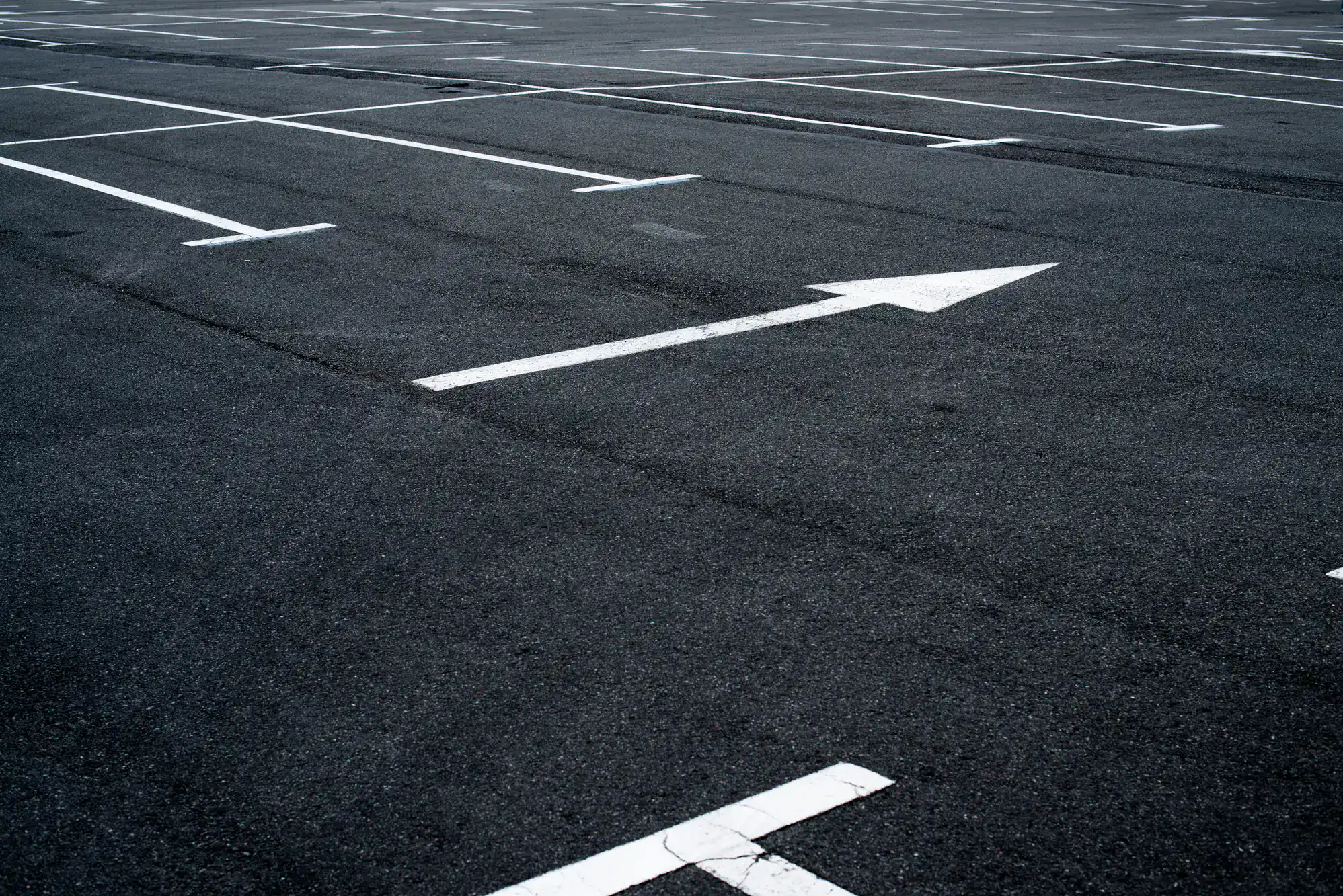
A cracked, uneven parking lot in Maryland City isn’t just an eyesore. It’s a liability. In a community where commercial properties along Route 198 serve thousands of Russett residents, military families, and defense-sector commuters daily, a deteriorating lot signals neglect to tenants and creates real exposure to ADA complaints and slip-and-fall claims. Federal first-violation fines for non-compliant accessible parking can reach $75,000. That’s not a risk worth carrying.
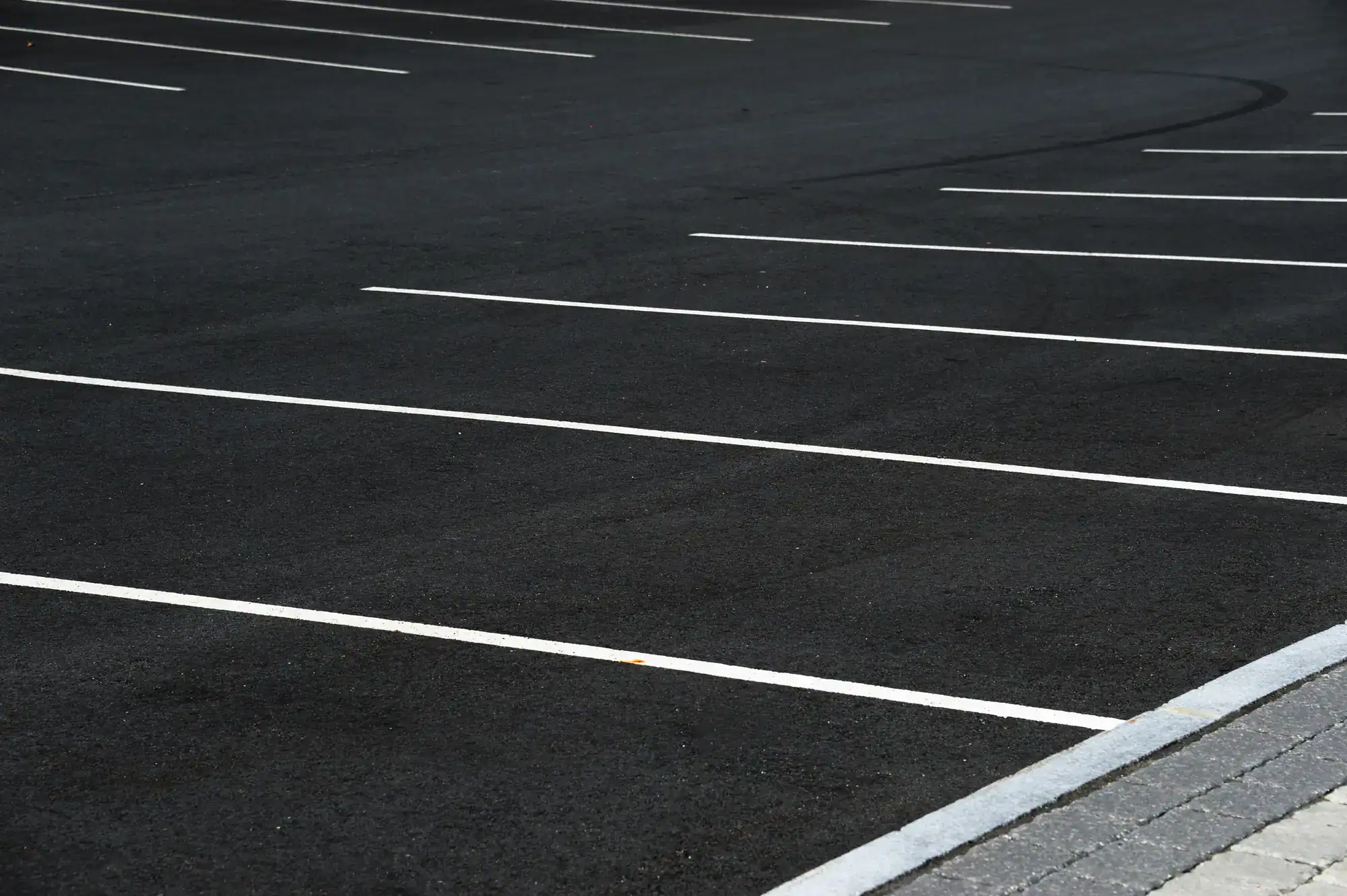
When the paving is done right, you stop managing the fallout and start managing the property. Tenants notice. Residents notice. And the rotating military-family demographic that cycles through Russett’s apartment complexes and townhome communities makes leasing decisions partly on the condition of shared spaces including the parking lot they pull into every night.
Maryland City’s climate compounds the problem for properties that have been putting off maintenance. The area runs through freeze-thaw cycles from November through March, with temperatures oscillating around 32°F often enough to widen small cracks into full-depth failures season by season. Combine that with summer heat pushing into the upper 80s and 90s, and asphalt that wasn’t properly installed or maintained simply doesn’t last. The right installation with proper base prep, commercial-grade mix, and drainage engineering for the Patuxent River corridor’s soil conditions gets you 15 to 25 years instead of five.
We’ve been operating in Maryland since 2011 that’s 14 years of commercial paving work in the same regional market, with a real reputation and real accountability behind every job. We’re headquartered in Annapolis, the county seat of Anne Arundel County the same county that governs permitting, zoning, and building code compliance for Maryland City. That matters when you’re navigating a commercial paving project through county review.
Our credentials are verifiable: MHIC License #159766, required by Maryland law for any contractor performing this type of work, and BBB A+ accreditation earned in August 2024. You can look both up. In an industry where unlicensed crews show up in spring and disappear before the first winter reveals their work, those aren’t just checkboxes they’re the difference between a contractor who’s accountable and one who isn’t.
Whether you’re managing a retail property along Route 198 in Maryland City, overseeing shared parking for a Russett condominium community, or running a facilities operation for a defense-sector office near Fort Meade, you’re working with a contractor who knows this county’s process and has done this work here before.
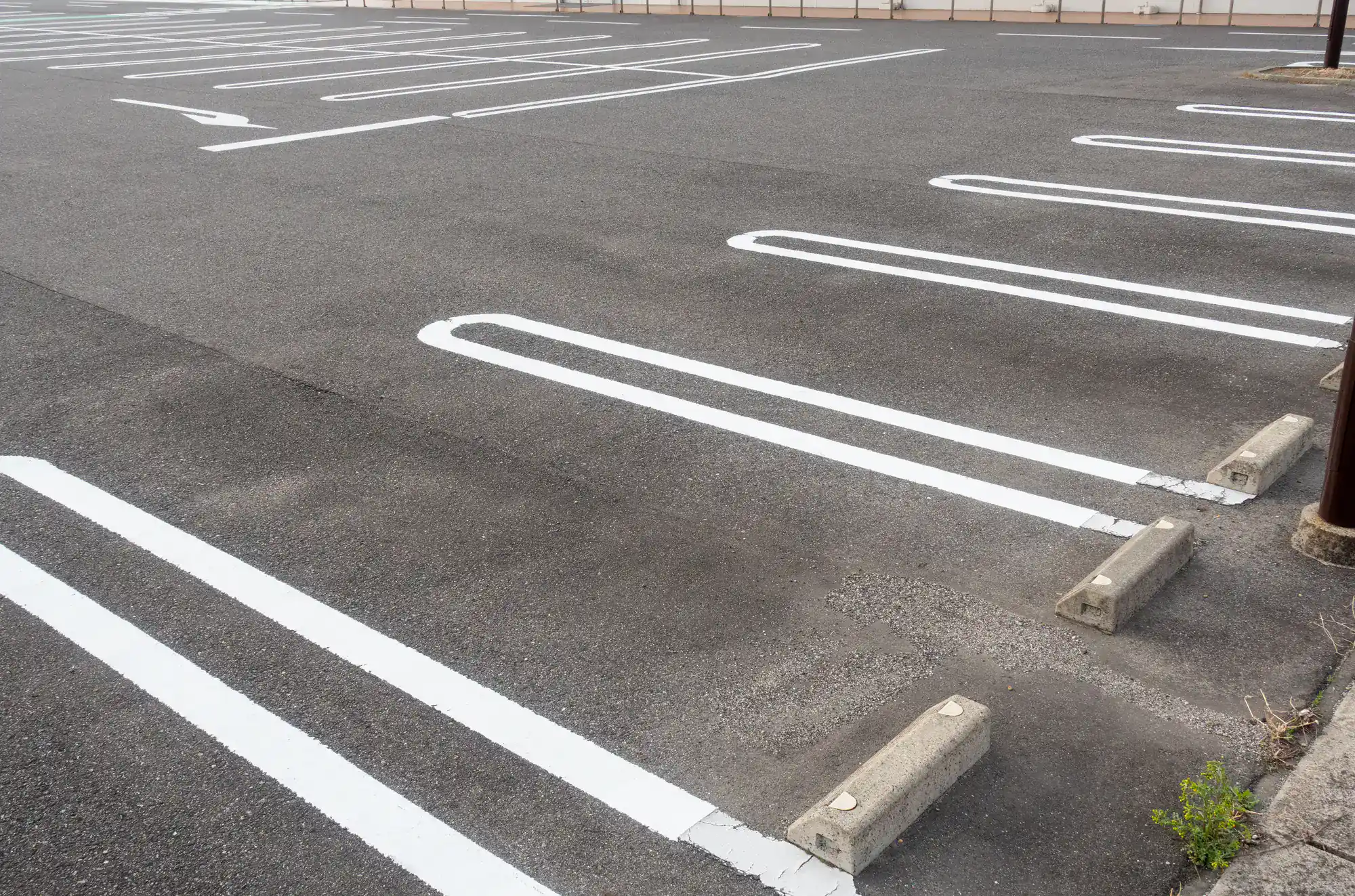
It starts with a site assessment not a quick walk-around and a number pulled from thin air. Before any asphalt goes down, we evaluate the existing surface condition, subbase integrity, and drainage pattern. For properties in and around the Patuxent River corridor near Maryland City, drainage is especially important. Water infiltration is the single fastest way to destroy a parking lot from underneath, and lots built on improperly assessed subgrades near this corridor have a history of premature failure. That assessment shapes everything that follows.
From there, the scope gets defined and put in writing. You receive a detailed proposal that specifies materials, thickness, base preparation approach, timeline, and what the finished lot will include line striping, ADA-compliant accessible spaces, slope engineering, all of it. Because Maryland City is an unincorporated CDP, all commercial paving permits and inspections fall under Anne Arundel County jurisdiction. We handle that process county permit applications, site plan compliance, inspection coordination so it doesn’t land on your desk.
Installation runs April through October in this climate asphalt requires 50°F or above to lay and cure properly. For high-traffic commercial lots that can’t simply close for a week, we offer phased paving that keeps portions of the lot accessible while work proceeds. Once the surface is complete, line striping and ADA markings are applied to county code standards. The lot is documented, and you have what you need for capital expenditure records and IRS depreciation.
Ready to get started?
New asphalt parking lot installation is the starting point for Maryland City properties that need a full build whether that’s a commercial property along the Route 198 corridor, a community facility within Russett, or a defense-sector office building near Fort Meade. But most commercial properties in Maryland City aren’t starting from zero. A significant portion of the area’s commercial and multifamily parking stock was built during the Russett development era of the 1990s and 2000s, which puts a lot of it squarely in the replacement and resurfacing window right now.
For lots that still have structural integrity but a deteriorating surface, we provide resurfacing overlays that extend the life of the existing base without the cost of full reconstruction. Sealcoating applied every two to five years seals the surface against moisture infiltration and UV oxidation, which is particularly relevant heading into Maryland City’s freeze-thaw season. Crack filling stops small damage from becoming subbase damage. And line striping, refreshed as markings fade, keeps ADA compliance current and parking lot organization clear both of which matter to Anne Arundel County code and to the community standards enforced by associations like Russett’s.
We offer a full-service model: new parking lot construction, commercial resurfacing, sealcoating, crack repair, and ADA-compliant striping. No coordinating between a paving company, a separate sealcoating crew, and a third striping contractor. One point of contact, one accountability chain, and written documentation at every stage for your records.
Yes and because Maryland City is an unincorporated census-designated place, not a municipality, all permitting falls under Anne Arundel County rather than a local city government. That means commercial paving projects in Maryland City go through county-level review, including zoning compliance, site plan requirements, and inspections governed by Anne Arundel County’s building code. Section 18-3-104 of the county code covers parking space requirements, and pavement markings are specifically required by county standards for commercial lots.
On top of county permits, any contractor performing this work in Maryland must hold a valid Maryland Home Improvement Commission license MHIC #159766 in our case, which is publicly verifiable. Hiring an unlicensed contractor means you have no legal recourse if the work fails, and it can create compliance problems with your county permit. The permitting process is manageable, but it needs to be handled correctly from the start. We coordinate the county permit process on commercial projects so the administrative side doesn’t fall on the property manager.
For commercial asphalt parking lot installation in Maryland City, you’re generally looking at $2.00 to $4.50 per square foot depending on the scope of work. A 10,000 square foot lot typically runs $25,000 to $45,000 for a full installation. That range moves based on the condition of the existing subbase, the depth of material required, drainage engineering needs, and whether ADA-compliant accessible spaces and line striping are included which they should be on any commercial lot.
One financial detail worth knowing: the IRS classifies commercial parking lot paving as a 15-year depreciable asset under Publication 946. For the commercial property owners, HOA managers, and defense-sector business operators in Maryland City, that means a new lot isn’t just a maintenance expense it’s a capital investment that can be recovered through annual depreciation deductions. We provide written, itemized proposals that give your accountant exactly what they need to document and depreciate the project properly. That level of documentation isn’t something every local paving contractor offers.
Maryland City sits in the Mid-Atlantic’s humid subtropical climate zone, which is one of the more demanding environments for asphalt pavement. The problem isn’t just cold winters or hot summers it’s both extremes working against the surface from different directions. From November through March, temperatures in this area oscillate around the freezing mark frequently enough to create repeated freeze-thaw cycles. Moisture gets into small cracks, freezes and expands, then thaws and contracts, progressively widening the damage with each cycle. That’s how a $500 crack repair becomes a $30,000 reconstruction.
Summers compound the issue. Heat pushing into the upper 80s and 90s softens asphalt under sustained vehicle loads which is a real concern for commercial lots along Route 198 that carry heavy daily traffic from the Fort Meade commuter corridor. A properly installed commercial-grade lot with the right mix design, adequate thickness, and a maintained sealcoating schedule should last 15 to 25 years in Maryland City’s climate. Lots that skip base prep or use residential-grade mix typically fail in five to eight years under these conditions.
ADA standards apply to all commercial parking lots accessible to the public, regardless of whether the property sits in an incorporated municipality or an unincorporated CDP like Maryland City. The federal requirements are the same either way. You need one accessible parking space for every 25 total spaces in the lot, with at least one van-accessible space per accessible cluster. Running slopes on accessible routes cannot exceed 8.33%, and cross slopes are capped at 2.08%. Van-accessible aisles need to be at least eight feet wide.
These aren’t just design guidelines they’re enforceable federal standards. First-violation fines can reach $75,000 per incident, and DOJ enforcement has become more active in recent years. For commercial properties in Maryland City serving the defense-sector and government-adjacent workforce that makes up a significant part of this community, ADA compliance isn’t an afterthought. That workforce operates within federal compliance frameworks professionally and expects the same from the facilities they use. Every commercial parking lot paving project we complete is engineered to ADA specifications from the initial design accessible space ratios, slope engineering, and van-accessible aisle dimensions are built into the plan, not added as an afterthought.
The practical installation window in Maryland City runs from approximately April through October. Asphalt needs ambient temperatures of at least 50°F to be properly laid and cured, which rules out most of the winter months in this climate. Spring is typically the highest-demand period property managers assess winter damage from the preceding freeze-thaw season and move quickly to schedule repairs and resurfacing before the damage compounds. If you’re planning a commercial project for spring, getting quotes in late winter puts you ahead of the scheduling backlog.
Fall is a strong secondary window, particularly for sealcoating. Applying sealcoat before the first hard freeze seals the surface against winter moisture infiltration and extends pavement life through the cold months. For new parking lot construction or full resurfacing projects, summer offers the most stable installation conditions and the widest scheduling flexibility. If your property is along the Route 198 corridor in Maryland City or within the Russett community and you can’t fully close the lot during construction, we offer phased paving sectioning the work so portions remain accessible regardless of the season.
The honest answer is that it depends on what’s happening below the surface, not just on top of it. Surface cracking and fading are normal signs of age and are typically addressed with resurfacing overlays or crack filling work that’s significantly less expensive than full reconstruction. But if the subbase has been compromised from water infiltration, freeze-thaw heaving, or subgrade movement laying a new surface over a failed base just delays the inevitable. You’ll be back in the same position within a few years.
A lot of the commercial and multifamily parking stock in Maryland City was built during the Russett development era of the 1990s and 2000s. That puts a significant portion of it in the 20-to-30-year range right at or past the end of a well-maintained asphalt life cycle. If your lot is showing alligator cracking (the interconnected web pattern that signals subbase failure), significant drainage problems, or areas where the surface has started to separate or sink, those are signs that a surface overlay won’t solve the underlying problem. A proper site assessment will tell you what you’re actually dealing with and that assessment is part of what we do before quoting any commercial project.
Other Services we provide in Maryland City