
Hear from Our Customers
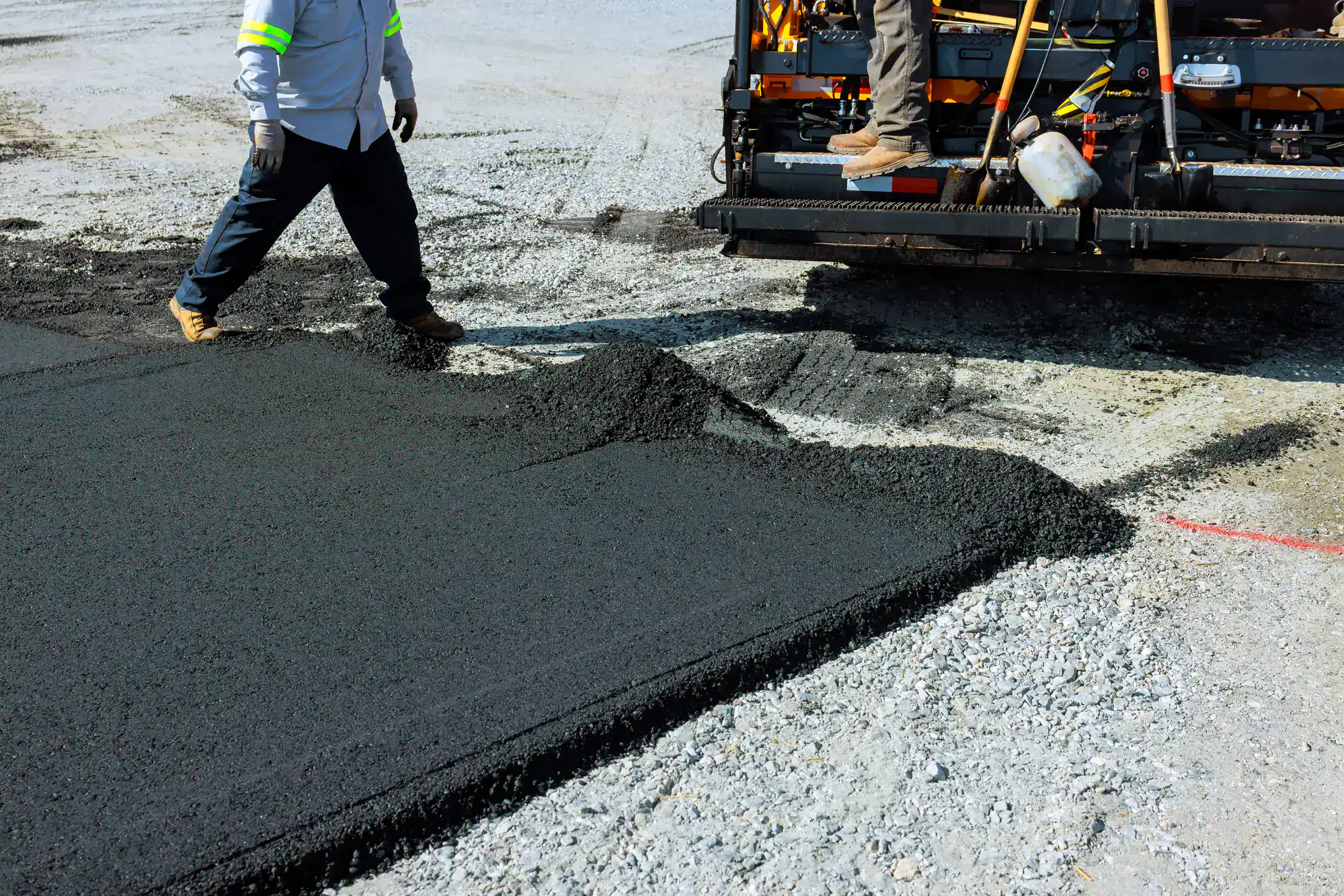
When your parking lot or access road is done right, you stop losing ground to the environment around you. Shady Side sits at roughly eight feet above sea level, surrounded by the West River, Rockhold Creek, and the Chesapeake Bay. That means your pavement lives in a constant cycle of moisture, salt air, and freeze-thaw stress that eats through poorly installed asphalt faster than most property owners expect.
A well-installed commercial asphalt surface with proper drainage and base preparation can last 20 to 30 years in this environment. Without those fundamentals, you’re looking at cracks within a few seasons and once water gets underneath, the damage moves quickly and quietly until the repair bill is three to five times what it would have been. It’s just how pavement fails in a waterfront community.
For marina operators, HOA managers in communities like Cedarhurst on the Bay, and small business owners along Shady Side Road, a deteriorating lot isn’t just a maintenance issue. It’s a liability, a compliance problem, and a visible signal to every customer, tenant, or buyer who pulls in. Getting it right the first time and maintaining it on the right schedule is the only version of this that makes financial sense.
We’ve been operating in the Maryland market since 2011 that’s 14 years of commercial paving work across Anne Arundel County and the surrounding areas. Based in Annapolis, about 20 miles north of Shady Side via MD-2, we’re not a distant regional crew that doesn’t know the difference between a bayside lot and a marsh-adjacent access road. We’re a local contractor that works in this county regularly and understands what the Chesapeake Bay watershed demands from a paving project in Shady Side.
We hold MHIC License #159766 a state-issued credential that requires passing an exam and demonstrating real field experience and we carry a BBB A+ rating with accreditation since August 2024. Those aren’t decorations. They’re the baseline you should expect from any commercial paving contractor you let onto your property. If a contractor can’t show you a license number, that’s your answer before the conversation goes any further.
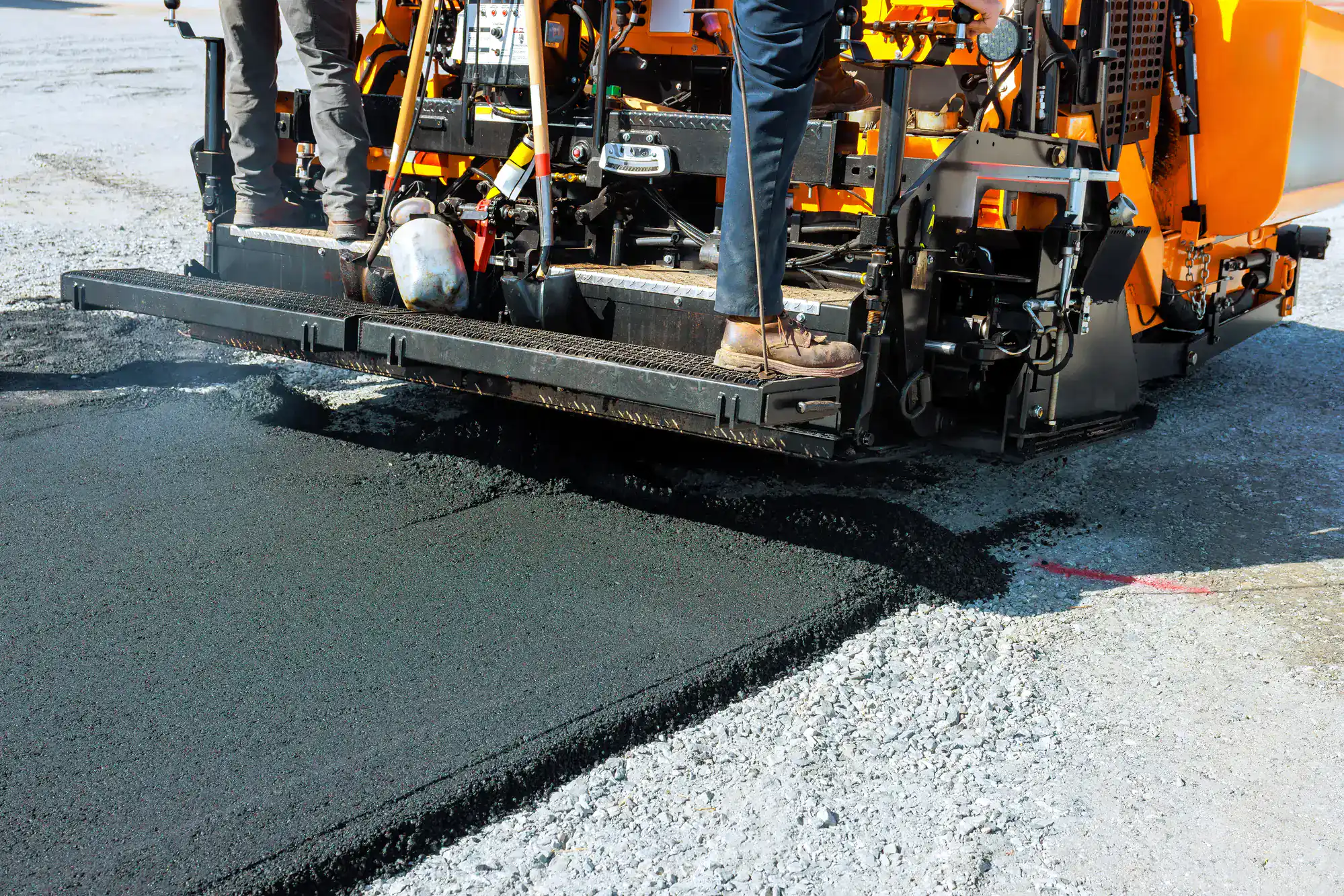
It starts with a site assessment. Before anything is quoted or scheduled, the condition of your existing surface gets evaluated drainage patterns, subgrade stability, crack depth, and any base issues that aren’t visible from the surface. In Shady Side, that step matters more than in most places. The marshy, low-lying terrain on the peninsula means soft-ground conditions and high moisture levels are common beneath the surface. What looks like a straightforward overlay job can turn into a base failure problem if no one checks first.
From there, you get a clear proposal what’s recommended, what it costs, and why. If your lot needs a full replacement versus a resurfacing, that gets explained honestly, not upsold. Once the project is approved, scheduling is built around your operational needs. Whether you’re managing a marina off Steamboat Road or a community facility that can’t have its access blocked for days, the project plan accounts for that upfront.
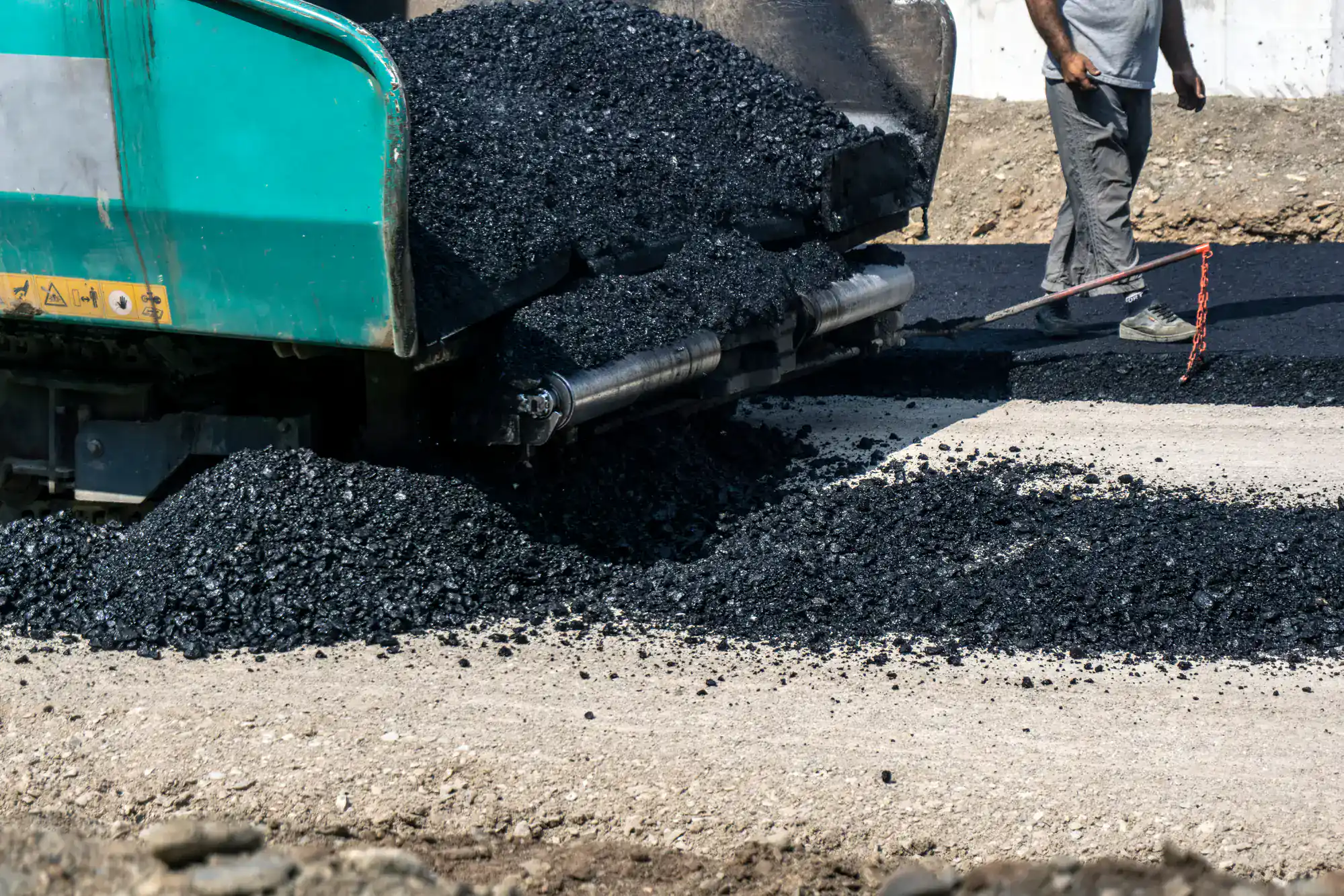
The work itself follows a defined sequence: excavation or surface prep, base grading and compaction, asphalt installation, and compaction to spec. Anne Arundel County’s Critical Area regulations apply to much of Shady Side land within 1,000 feet of tidal waters so stormwater management and impervious surface requirements get factored in before a shovel hits the ground, not after. Line striping and ADA-compliant markings are handled as part of the same project, not as a separate coordination headache.
Ready to get started?
We handle the full scope of commercial asphalt paving new installation, resurfacing, crack filling, sealcoating, pothole repair, line striping, and ADA parking lot upgrades. For property owners in Shady Side, that full-service capability matters because coordinating three separate contractors for paving, striping, and sealcoating is a management burden most people don’t have time for.
Sealcoating deserves specific attention in a bay-adjacent community. The salt air and UV exposure along the Chesapeake Bay accelerate oxidation of the asphalt binder the component that keeps your surface flexible and crack-resistant. Once that binder breaks down, the surface becomes brittle and starts failing from the top down. A proper sealcoating cycle, typically every three to five years in this environment, creates a barrier against moisture infiltration and oxidation that significantly extends the life of your pavement. Skipping it in a coastal community like Shady Side is one of the most common and costly maintenance mistakes property owners make.
ADA compliance is built into every commercial parking lot project accessible space count, van-accessible designation, proper cross-slopes, and signage. Faded or non-compliant striping isn’t just an aesthetic issue; it’s a federal compliance exposure. Whether your lot serves a small business on MD-468 or a community harbor with shared parking, compliance gets handled as part of the job, not as an add-on conversation after the fact.
The short answer is that it shortens the lifespan if the installation doesn’t account for it. Shady Side’s combination of high moisture, salt air off the Chesapeake Bay, and a water table that sits close to the surface creates conditions that accelerate the two main failure mechanisms in asphalt: oxidation of the binder and water infiltration through cracks.
Salt air speeds up the oxidation process, which makes asphalt brittle faster than in dry inland areas. Once the surface becomes brittle, cracks form more readily and in a low-lying environment with high ground moisture, those cracks allow water to reach the base quickly. When that water freezes in winter and expands, it widens the crack from below. By the time the damage is visible on the surface, the base is often already compromised.
The way to counter this is through proper drainage engineering during installation, a base built for moisture-heavy conditions, and a maintenance schedule that includes sealcoating more aggressively than you’d need in a drier community. A well-installed and properly maintained commercial surface in Shady Side can still reach 20 to 30 years. The difference is in how the job gets done from the start.
The math on deferred maintenance is consistently brutal, and it’s worse in a waterfront environment like Shady Side. A crack repair or localized patch that costs around $10,000 today doesn’t stay a $10,000 problem. Water gets into the crack, the freeze-thaw cycle widens it through winter, the base erodes underneath, and within two to three seasons, you’re looking at a full reconstruction typically $30,000 to $50,000 or more depending on the size of the lot.
In Shady Side specifically, that deterioration cycle runs faster than in inland communities. The ground holds moisture year-round, the winters bring repeated freeze-thaw events, and the salt air keeps working on the surface between seasons. Every year you defer action is a year of compounding damage that’s happening beneath the surface where you can’t see it.
The honest framing is this: the question isn’t whether you can afford to fix it now. It’s whether you can afford to fix a much bigger version of the same problem in two years. Getting a site assessment done costs nothing. Knowing what you’re actually dealing with before it gets worse is the starting point.
For most commercial paving projects in Anne Arundel County, a grading and sediment control permit is required when the disturbed area exceeds certain thresholds. Stormwater management review may also apply depending on the scope of the project and the amount of impervious surface being added or modified.
In Shady Side specifically, there’s an additional layer to be aware of: Anne Arundel County’s Critical Area regulations apply to land within 1,000 feet of tidal waters and given that Shady Side is a peninsula surrounded by the West River and the Chesapeake Bay, a significant portion of the community falls within that boundary. Projects in the Critical Area are subject to stricter review for impervious surface coverage and stormwater management, and the requirements can affect project scope and design.
This is one of the reasons working with a contractor who knows Anne Arundel County’s permitting environment matters. Permit requirements should be confirmed with the county’s Department of Inspections and Permits for your specific parcel, but an experienced local contractor will walk through what’s likely required before the project is designed, not after.
The standard recommendation for commercial sealcoating is every three to five years, but in a bay-adjacent community like Shady Side, the more aggressive end of that range is the right call. The salt air and UV exposure along the Chesapeake Bay break down the asphalt binder faster than in inland areas, which means the protective barrier that sealcoating provides wears out sooner.
A practical way to think about it: sealcoating is the maintenance item that determines whether your pavement reaches its full lifespan or falls significantly short of it. A parking lot that gets sealcoated on a consistent three-year cycle in a coastal environment can realistically hit 20 to 25 years before major reconstruction is needed. One that never gets sealcoated in the same environment might need full replacement in 10 to 12 years.
The right time to sealcoat is typically late spring through early fall, when temperatures are consistently above 50°F and rain isn’t expected for 24 to 48 hours after application. In Shady Side, spring is also when the most damage from the previous winter becomes visible which makes it a natural time to assess the full condition of your lot and address both sealcoating and any crack repairs in the same visit.
Yes, and it matters. Marina parking lots and boatyard surfaces in Shady Side face a different load profile than a typical commercial parking lot. Boat trailers, heavy tow vehicles, forklifts, and marine equipment create concentrated loads and turning stress that standard residential or light commercial paving specs aren’t designed to handle long-term.
For these applications, the asphalt mix design, base thickness, and compaction standards need to be built around the actual load demands of the facility. A marina lot that gets paved to residential driveway specs will show premature rutting and cracking within a few seasons especially given the constant moisture exposure and the weight cycles from seasonal boat launches and haul-outs.
The drainage design is also more critical at marina facilities. Fuel, oil, and saltwater runoff from the lot need to be managed properly to meet environmental standards which in Shady Side’s Chesapeake Bay watershed location means stormwater management isn’t optional. Getting the spec right for a working marine facility requires a contractor who’s thought through these factors, not one who treats every commercial lot the same way.
Unlicensed contractors are a real presence in rural, peninsula communities like Shady Side they target areas where oversight is less visible and property owners may not think to ask for a license number. The problem isn’t just quality risk. It’s that if something goes wrong with an unlicensed contractor’s work, you have no meaningful recourse. No license to file a complaint against, no bonding requirement, no accountability structure beyond whatever verbal promises were made before the job started.
Maryland’s MHIC license like our License #159766 is issued by the Maryland Home Improvement Commission and is publicly verifiable. That means if a dispute arises, there’s a formal process and a licensed contractor has skin in the game to resolve it correctly.
In a community like Shady Side, where properties carry significant value and the environmental conditions make proper installation genuinely important, the gap between a licensed and unlicensed contractor isn’t just a credentialing formality. It’s the difference between a job that was designed and executed correctly for your specific conditions and one that looked fine on day one and fails two winters later.
Other Services we provide in Shady Side