Hear from Our Customers
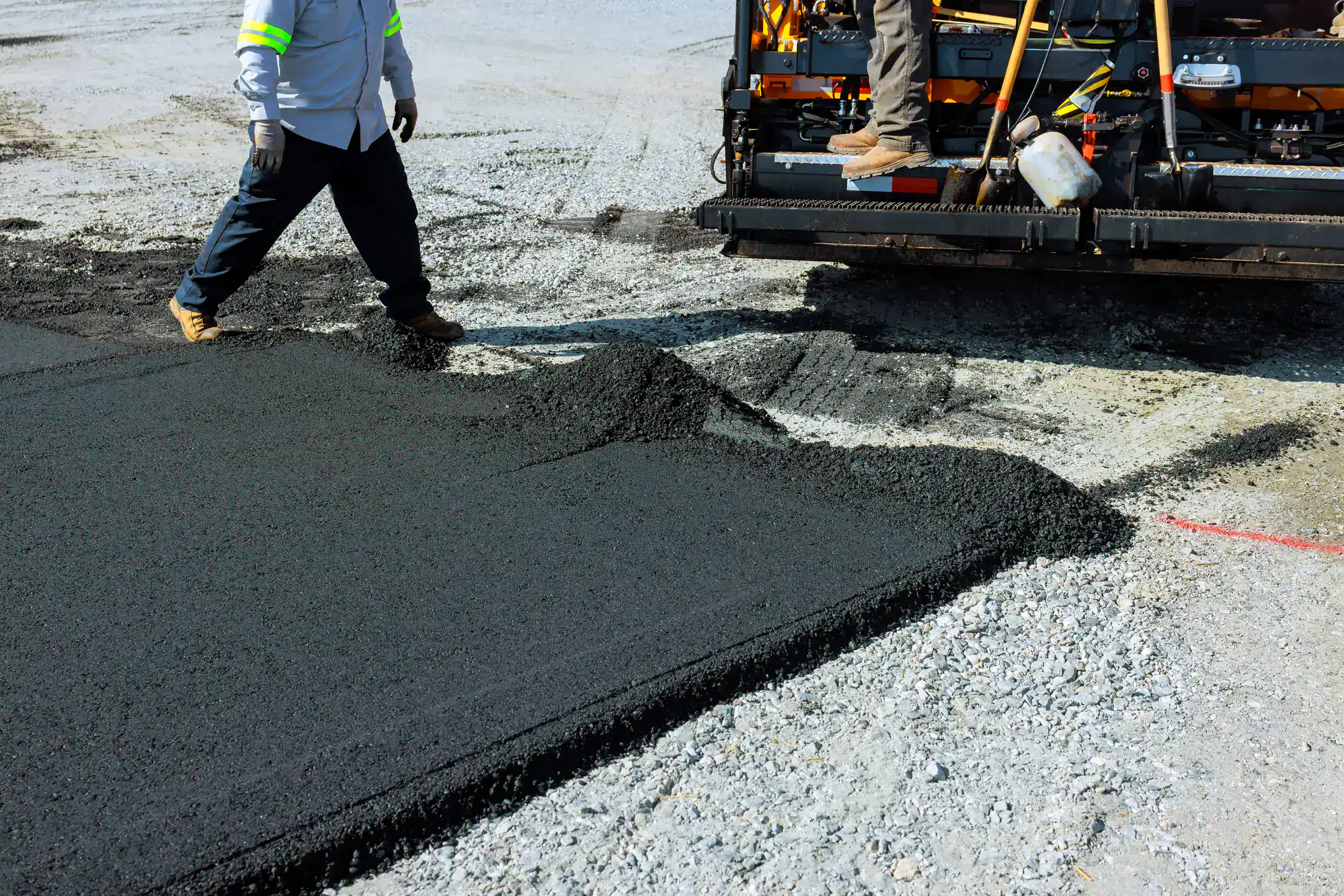
MD Route 235 carries over 56,000 vehicles past the Wildewood commercial corridor every single day. That’s not a quiet side street that’s a regional artery serving NAS Patuxent River’s workforce, defense contractors, and the thousands of families who shop and work along Three Notch Road. Every property on that strip is being judged before anyone walks through the door, and a deteriorating parking lot tells a story you don’t want told.
The harder truth is what deferred maintenance actually costs. A crack that’s $500 to fill today becomes a pothole that costs several thousand to repair, and if the base fails underneath, you’re looking at full reconstruction easily four to five times the cost of staying ahead of it. St. Mary’s County’s own pavement data confirms this pattern: when routine maintenance is skipped, restoration costs multiply fast.
Wildewood’s commercial infrastructure was largely built in the 1980s and 1990s, which means a significant portion of those parking lots are either at or well past their designed service life. Add in Southern Maryland’s freeze-thaw cycle water gets into surface cracks, freezes, expands, and widens them into structural damage every winter and the window for cost-effective maintenance closes faster than most property managers expect. Getting ahead of it is almost always the smarter financial decision.
We’ve been doing commercial asphalt work in Southern Maryland since 2011. That’s over 14 years of site assessments, parking lot installs, sealcoating programs, and ADA-compliant upgrades not residential driveways dressed up as commercial experience. We hold MHIC License #159766, issued by the Maryland Home Improvement Commission, which requires passing a state exam, carrying proper insurance, and demonstrating real field experience. It’s verifiable. Look it up.
Our BBB A+ accreditation backs that up with a third-party accountability layer that matters to the kind of clients operating in Wildewood’s commercial corridor facilities managers at defense-contractor offices near the Expedition Office Park, property management teams overseeing large retail centers on Three Notch Road, and HOA boards responsible for community assets in places like Holly Hill or the Villages of Wildewood. These aren’t clients who accept a handshake and a verbal quote. They want credentials, and we have them.
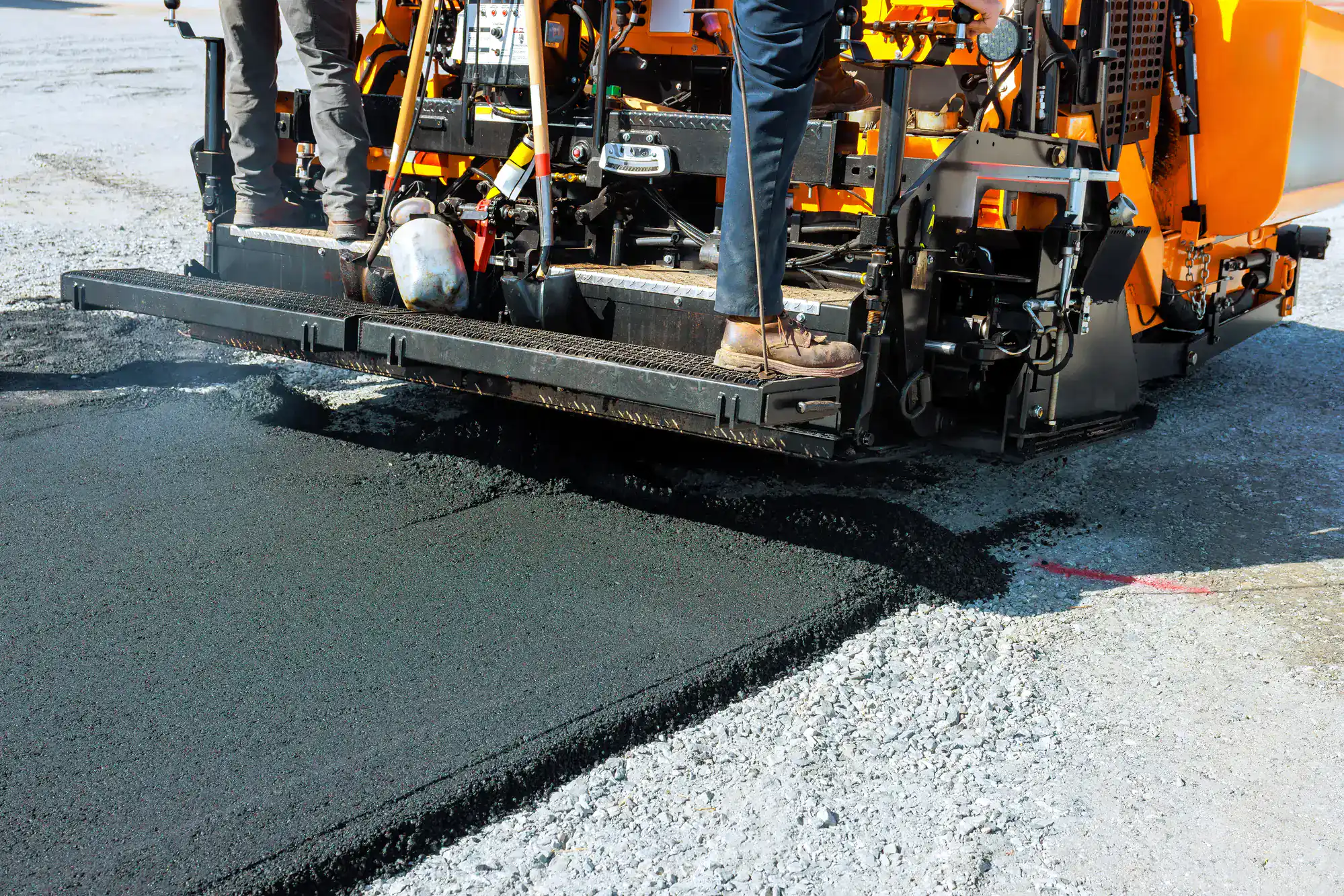
It starts with a site assessment, and that part matters more than most people realize. Before any scope of work gets recommended, we evaluate the condition of your existing surface, drainage patterns, subgrade stability, traffic load, and ADA compliance status. For commercial properties in Wildewood especially those built in the 1980s and 1990s that haven’t had a comprehensive review in years this step often surfaces issues that weren’t visible from the parking lot entrance.
From there, the recommended scope gets scoped clearly: what needs full replacement, what can be repaired or resurfaced, and what a long-term maintenance program looks like going forward. For large commercial lots along MD 235, we typically phase work to keep your business operational. Closing a 300-space parking lot for three days isn’t realistic so we build the schedule around your tenants and your traffic patterns, not ours.
Once the paving work is complete, sealcoating and line striping follow. ADA-compliant markings, accessible space designations, and van-accessible signage are handled as part of the final scope not treated as add-ons. In St. Mary’s County, any work affecting access points on MD Route 235 requires coordination with MDOT SHA, and projects above certain size thresholds may involve the county’s Department of Land Use and Growth Management. We handle that coordination as part of the job, not a surprise at the end.

Ready to get started?
Commercial asphalt paving near Wildewood covers a wide range of needs depending on what you’re working with. New asphalt installation for ground-up commercial builds, full parking lot reconstruction for properties that have passed the point of repair, resurfacing for lots that still have a sound base but a deteriorated top layer the right answer depends on what’s actually there, not a default recommendation.
Sealcoating is one of the most cost-effective services we offer, and it’s particularly relevant in Southern Maryland where UV oxidation during hot, humid summers breaks down asphalt binder faster than property managers often expect. A properly applied sealcoat every three to five years significantly extends surface life and reduces the frequency of more expensive interventions. Crack filling, done annually or as needed, keeps moisture from reaching the base layer before the freeze-thaw season does its damage.
Parking lot line striping and ADA compliance upgrades round out the full scope. For commercial properties in Wildewood that were originally built before current ADA standards were in place or that simply haven’t been updated in a decade or more this is often where the liability exposure is hiding. Faded markings, incorrect accessible space counts, missing van-accessible designations, and non-compliant cross-slopes are common findings on older lots throughout the Three Notch Road corridor. Getting those corrected as part of a paving project is the most efficient time to do it.
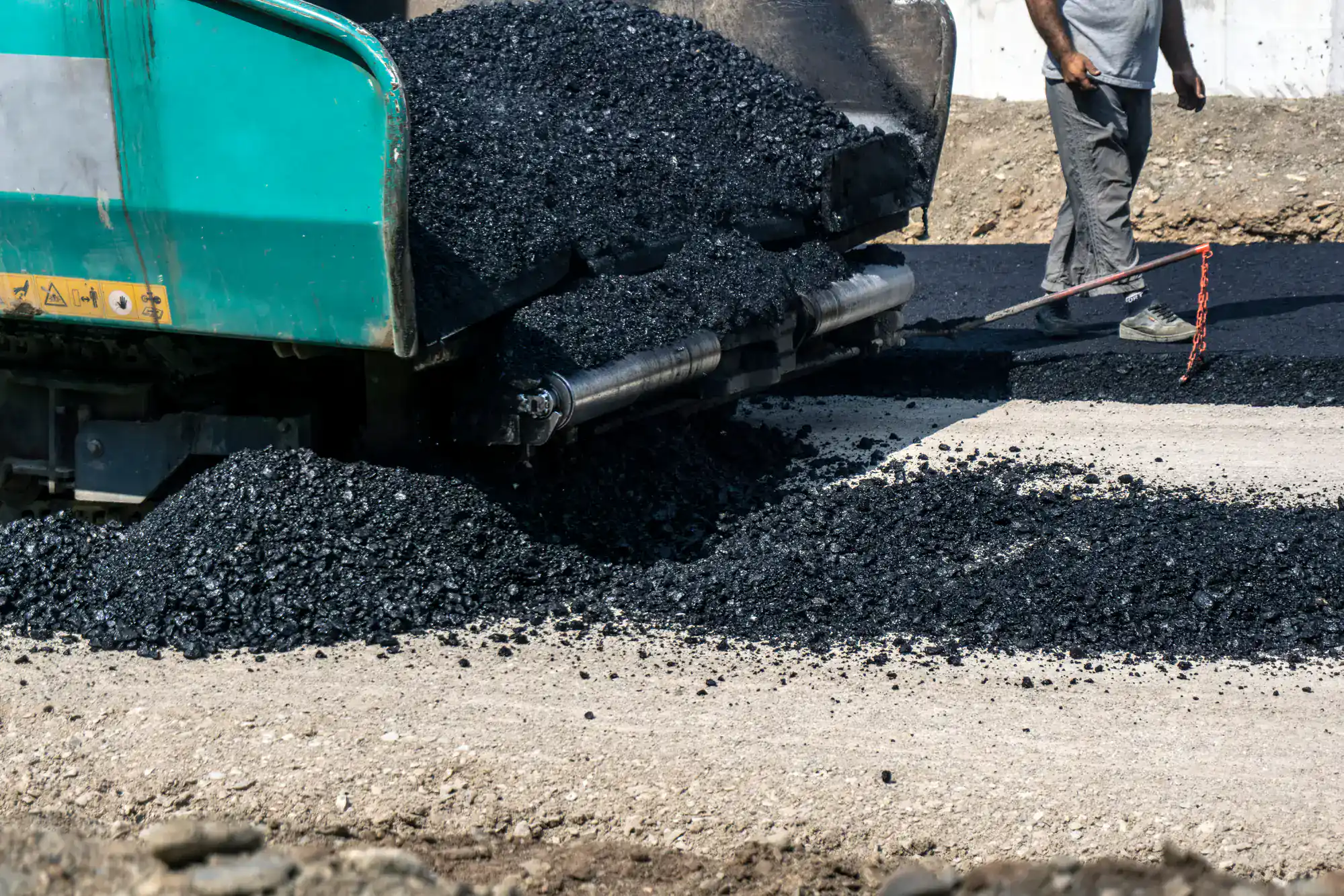
A well-installed commercial parking lot in Southern Maryland typically lasts 20 to 30 years but that range assumes proper base preparation, correct asphalt thickness for the traffic load, and a consistent maintenance program. Without sealcoating and crack filling, that timeline compresses significantly.
St. Mary’s County’s own pavement management data puts the typical service life of a paved surface in the county at 15 to 20 years before reconstruction becomes necessary. For commercial lots in Wildewood that were installed in the 1980s or early 1990s and haven’t been on a maintenance program, that window has already closed. The question at that point isn’t whether the lot needs work it’s whether resurfacing is still an option or whether the base has deteriorated to the point that full reconstruction is the only viable path forward. A site assessment will tell you which situation you’re actually in.
The primary culprit in Southern Maryland is the freeze-thaw cycle. Water infiltrates surface cracks even small ones freezes overnight, expands, and mechanically widens those cracks. Repeat that process 20 to 40 times over a Maryland winter and what started as a hairline crack becomes a pothole. Once the base layer is exposed to moisture, structural failure follows.
UV oxidation is the other major factor. Southern Maryland’s summers are hot and humid, and prolonged sun exposure breaks down the asphalt binder that holds the surface together. As the binder oxidizes, the surface becomes brittle, loses flexibility, and cracks more easily under traffic load. Large, unshaded commercial parking lots like those along the Wildewood Shopping Center corridor on Three Notch Road are especially exposed to this process. Sealcoating addresses both: it blocks UV penetration and seals surface cracks before water gets the chance to do structural damage.
The general rule is this: if the damage is confined to the surface layer and the base underneath is still structurally sound, resurfacing is usually a viable and cost-effective option. If the base has been compromised you’re seeing large alligator cracking patterns, significant heaving, or areas where the surface is sinking or separating resurfacing over a failed base won’t hold, and full reconstruction is the more honest answer.
For commercial properties in Wildewood, particularly those built in the 1980s and 1990s along the Three Notch Road corridor, base condition is often the unknown variable. A surface can look rough but still have a solid base. It can also look marginally acceptable while hiding base deterioration underneath. The only way to know for certain is a proper site assessment that evaluates drainage, subgrade stability, and the depth and condition of the existing asphalt layers not a drive-by estimate based on surface appearance alone.
It depends on the scope and location of the work. For commercial paving projects within the Wildewood Planned Unit Development, St. Mary’s County’s Department of Land Use and Growth Management is the relevant authority and because Wildewood operates under individualized PUD zoning, some approvals may be handled administratively rather than requiring a full planning commission review. That said, larger projects involving significant grading or drainage changes typically require a grading permit regardless of zoning designation.
Any work that affects an access point or driveway connection to MD Route 235 or MD Route 4 requires coordination with the Maryland Department of Transportation State Highway Administration (MDOT SHA), since those are state-managed primary roads. Stormwater management compliance is also a consideration for larger commercial paving projects in St. Mary’s County, particularly given the Patuxent River watershed context. We navigate this coordination on your behalf it’s part of the job, not something you should be figuring out on your own after the contract is signed.
For most commercial properties in Southern Maryland, sealcoating every three to five years is the right maintenance interval. The specific timing depends on traffic volume, sun exposure, and the condition of the surface going into each application. High-traffic commercial lots like those serving retail centers or office parks along Three Notch Road tend to wear faster and may benefit from being on the shorter end of that range.
The best time to sealcoat in Maryland is late spring through early fall, when ambient temperatures are consistently above 50°F and there’s no rain in the immediate forecast. A sealcoat applied before the first hard freeze of the season gives the surface the best protection going into winter’s freeze-thaw cycle. For property managers in Wildewood, the September to October window is typically the last practical opportunity before winter conditions make application inadvisable. Waiting until spring means your lot goes through another full Maryland winter without that protective layer.
HOA board members are fiduciaries. When you hire a contractor to maintain community-owned paved assets whether that’s the common area parking in Holly Hill, the access roads in Orchid Park, or the managed facilities at the Villages of Wildewood you’re making a decision on behalf of every homeowner in that association. If that contractor is unlicensed, underinsured, or does substandard work that fails prematurely, the board bears the exposure.
MHIC licensure in Maryland isn’t a formality. It requires passing a state-administered exam, carrying proper insurance, and demonstrating real field experience. It’s verifiable through the Maryland Department of Labor, and it’s the clearest screening tool available to HOA boards evaluating paving contractors. The lowest bid from an unlicensed crew might look attractive on paper but if the work fails in two years instead of fifteen, the cost of that decision falls on the community. For a 55+ community like the Villages of Wildewood, where ADA compliance and surface safety directly affect residents’ daily mobility, the stakes of getting this wrong are even higher.
Other Services we provide in Wildewood