
Hear from Our Customers
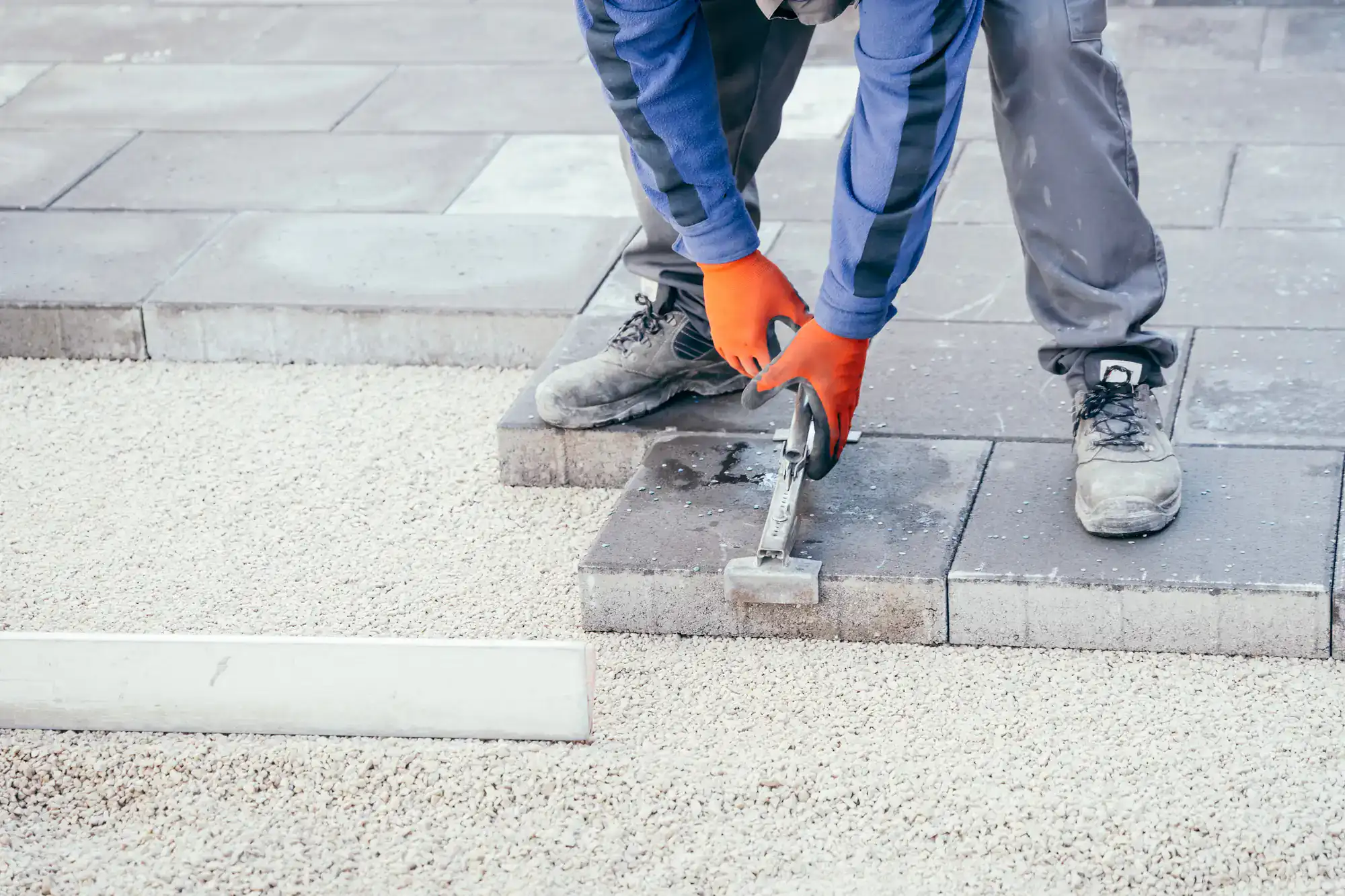
When the base is properly graded, the asphalt is correctly compacted, and sealcoating is applied on schedule, you get a surface that handles all of it. No premature cracking, no edge crumbling, no water pooling near the garage. Just a clean, solid driveway that reflects the investment you’ve made in your property.
That matters in Golden Beach, where property values are real and neighbors notice. Whether you’re a long-term resident off All Faith Church Road or a military family who just PCS’d to the area for a Pax River assignment, a well-maintained driveway is one of the first things anyone sees and one of the easiest things to protect when you work with someone who knows what they’re doing.
We’ve been operating in Maryland for more than 40 years. That’s not a marketing number it’s the kind of track record that only comes from doing the work right, consistently, across residential driveways and commercial lots throughout the state.
We hold MHIC License #159766, Maryland’s mandatory home improvement contractor credential. That license is publicly verifiable, and it connects you to the MHIC guaranty fund if anything ever goes wrong. It’s the single most important thing to confirm before you hire any paving contractor in St. Mary’s County and we have it.
In Golden Beach, word travels fast. The civic association meets monthly, neighbors talk, and a contractor’s reputation either holds up or it doesn’t. Our four decades in Maryland speak to a standard of work that earns the next call not just the first one.
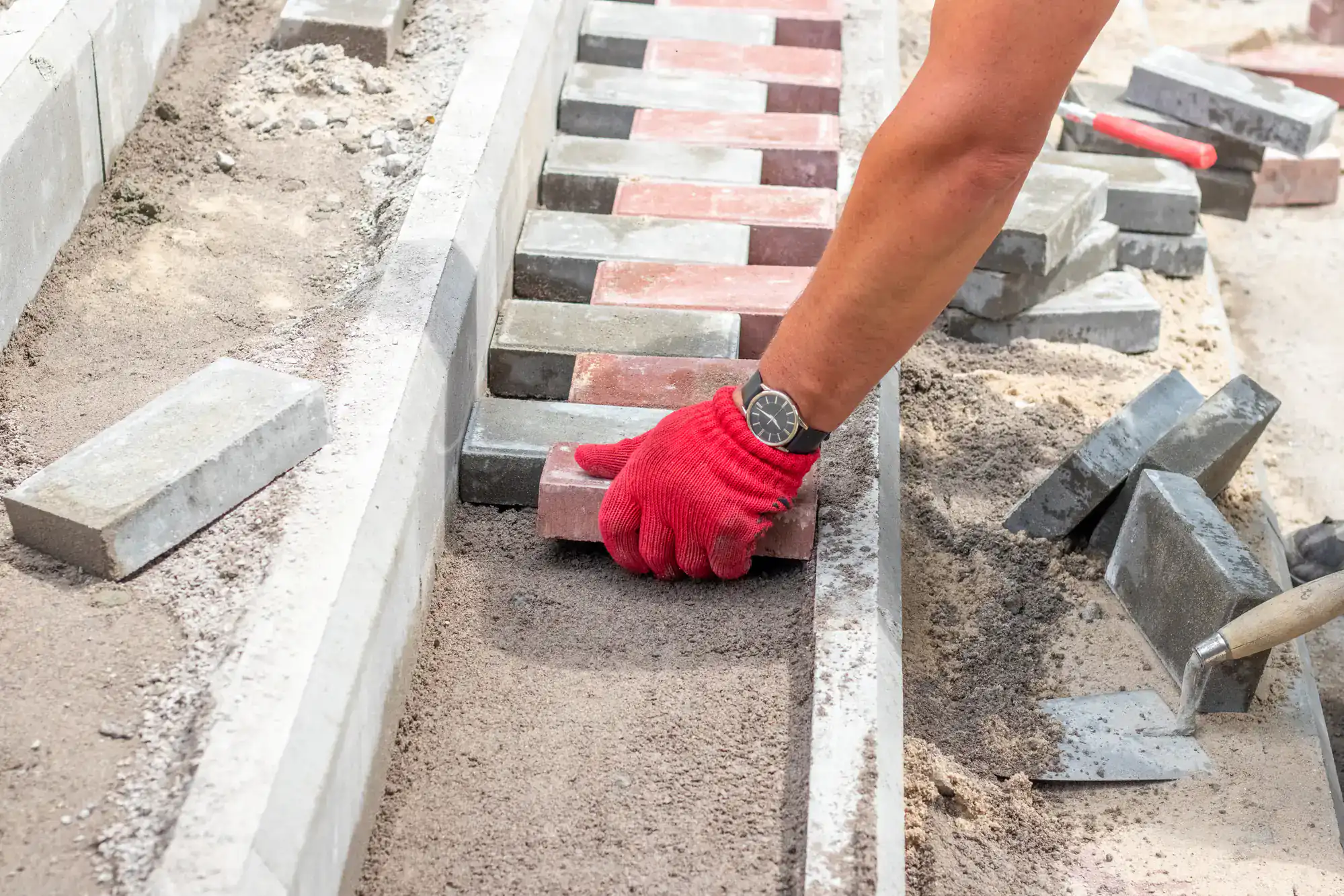
It starts with a free, written estimate. You’ll get a clear breakdown of scope, materials, timeline, and cost before any commitment is made. No ballpark figures, no verbal agreements everything on paper, because that’s what a licensed Maryland contractor is expected to provide and what you deserve before spending real money on your property.
Once the project is scheduled, we begin with site preparation and this step matters more than most homeowners realize. In Golden Beach, where properties near Indian Creek and the Patuxent River shoreline can have variable soil conditions and higher moisture content close to the water table, proper grading and base compaction aren’t optional. They’re what separates a surface that lasts 20 years from one that starts failing in five. Drainage is assessed and addressed before a single inch of asphalt goes down.
From there, asphalt is laid, compacted with professional equipment, and finished with clean edges. If sealcoating is part of the project, we schedule it at the right time not in cold weather or ahead of rain, which is a real consideration given the Patuxent area’s afternoon storm patterns in summer. When the job is done, the site is cleaned up and you’re left with a surface that’s ready to use and built to hold up in this specific environment.
Ready to get started?
We handle the full range of asphalt paving services new driveway installation, asphalt resurfacing, sealcoating, crack repair, and commercial parking lot paving. For Golden Beach residents, that means you’re not sourcing a different contractor every time your driveway moves into a new phase of its lifecycle. One licensed company, one consistent standard of work, from the first pour to the next sealcoat five years down the road.
Sealcoating deserves specific attention in this community. The combination of Patuxent River humidity, salt air from the broader Chesapeake Bay region, and UV exposure during Maryland’s summers accelerates oxidation of unprotected asphalt binder. A sealcoat applied six months after installation and refreshed every three to five years after that waterproofs the surface, slows oxidation, and can realistically double the effective life of your driveway. For a waterfront property in Golden Beach, it’s not an upsell. It’s straightforward maintenance math.
Golden Beach is also one of the few communities in Maryland where golf cart use on county roads is legally recognized under state law. That means driveways here need smooth, properly edged surfaces without the kind of crumbling or cracking that creates a hazard for lighter vehicles. Whether you’re parking a truck, a boat trailer, or a golf cart, the finished surface needs to handle it and that’s exactly what proper installation and regular maintenance delivers.
For most standard residential driveway replacements in St. Mary’s County, a permit isn’t required but there are situations where one is. If your driveway connects to a county road and the project involves modifying the curb cut, changing drainage patterns, or altering the grade near the road edge, St. Mary’s County Department of Public Works may require a permit or at minimum a review before work begins.
In Golden Beach specifically, stormwater management is an active concern. New construction in the community references state-of-the-art stormwater systems as a feature, which reflects Maryland’s increasingly strict environmental regulations around impervious surface and drainage. If your project changes how water moves off your property, it’s worth confirming with the county before you start. A licensed contractor familiar with the area and holding a valid MHIC license will flag these questions during the estimate process so you’re not caught off guard.
The standard recommendation is to apply the first sealcoat about six months after a new asphalt installation, then reseal every three to five years after that. In Golden Beach, the honest answer is to lean toward the shorter end of that range closer to every three years because of what the local environment does to unprotected asphalt.
Elevated humidity from the Patuxent River, salt-laden air from the broader Chesapeake Bay region, and direct UV exposure during Maryland summers all accelerate the breakdown of asphalt binder. Once the surface starts to oxidize and dry out, small cracks form, moisture gets in, and the damage compounds quickly. Sealcoating is the most cost-effective way to interrupt that cycle. A few hundred dollars every few years is a straightforward trade-off against a full driveway replacement that can run several thousand.
The most common cause of premature asphalt failure in Southern Maryland and everywhere else is inadequate base preparation. If the sub-base isn’t properly graded, compacted, and drained before asphalt is laid, the surface above it will shift, settle unevenly, and crack. That’s a contractor problem, not a material problem, and it shows up within a few years of installation.
Beyond base prep, the Southern Maryland climate adds its own pressure. Freeze-thaw cycling between November and March puts repeated stress on any surface that has moisture in it water expands when it freezes and contracts when it thaws, widening small cracks into large ones over time. Properties in Golden Beach near the river or Indian Creek may also have higher soil moisture content, which makes drainage management during installation even more important. Addressing these factors upfront, during site prep, is what separates a driveway that holds up for two decades from one that needs attention in three to five years.
The primary paving season in Maryland runs from April through October, when ambient temperatures are consistently above 50°F the minimum needed for asphalt to be properly laid and compacted. In Golden Beach, spring and early fall tend to be the most practical windows for most homeowners.
Summer works fine for asphalt installation, but it’s worth being aware of the afternoon storm patterns common in the Patuxent River area from June through August. Asphalt needs time to cure without being immediately saturated, and a contractor who’s paying attention will schedule around the forecast. For sealcoating specifically, spring May through early June and early fall September are the best windows. You want dry conditions, temperatures above 50°F, and no rain in the 24-hour forecast after application. A contractor who understands the local weather pattern will time that correctly without you having to manage it yourself.
The honest answer depends on how much of the surface is compromised and whether the base is still structurally sound. If you’re dealing with a few isolated cracks or a small pothole, crack filling and patching can extend the life of the surface meaningfully especially if it’s followed up with a fresh sealcoat. That’s a reasonable repair strategy for a driveway that’s otherwise in decent shape.
If the cracking is widespread what’s often called alligator or map cracking, where the surface looks like a network of interconnected fractures that’s usually a sign of base failure underneath, not just surface wear. Patching over a failed base is temporary at best. In Golden Beach, where properties near the waterfront can have soil conditions that are harder on base stability over time, it’s worth having a licensed contractor assess the sub-base before deciding between repair and replacement. A good estimate will tell you honestly which direction makes more financial sense for your specific situation.
Asphalt paving scams are well-documented in Maryland, and Southern Maryland communities see their share of them typically traveling crews who show up door-to-door, claim to have leftover asphalt from a nearby job, offer a sharp discount for cash on the spot, and disappear before any problems surface. The warning signs are consistent: out-of-state plates, no written contract, cash-only payment demands, and no MHIC license number.
Maryland law requires any contractor performing home improvement work including driveway paving to hold a valid MHIC license. That license number is publicly searchable through the Maryland Home Improvement Commission’s online database. Before you agree to any work, ask for the license number and look it up. A legitimate contractor will give it to you without hesitation. We hold MHIC License #159766 verifiable, current, and on every estimate. In a community like Golden Beach, where neighbors are connected and property values are real, that credential is the baseline, not a bonus.
Other Services we provide in Golden Beach