

Hear from Our Customers

A cracked, faded driveway on a $540,000 home doesn’t just look bad it tells buyers something before they even get to the front door. In Cape St. Claire, where the real estate market is competitive and curb appeal carries real weight, the condition of your driveway is part of your property’s story. A clean, professionally installed asphalt surface changes that first impression immediately.
Beyond appearance, the bigger issue is what happens underneath. Cape St. Claire sits on the Broadneck Peninsula, surrounded by the Magothy River, Little Magothy, and Deep Creek. That constant moisture exposure accelerates asphalt oxidation and pushes water into surface cracks faster than you’d see in a drier inland community. Combine that with Maryland’s freeze-thaw cycle where water infiltrates those cracks, freezes, expands, and contracts all winter long and you have a recipe for rapid pavement failure if the surface isn’t properly installed and maintained.
The difference between asphalt that lasts 25 years and asphalt that starts failing in five comes down to base preparation, proper drainage, and quality materials. When those three things are done right from the start, you’re not patching every spring. You’re not watching new cracks spider out from last year’s repairs. You’re just driving on a surface that holds up and that’s exactly what this area demands.
We’ve been operating in Maryland for over 40 years. That’s not a talking point it’s a track record you can actually check. MHIC License #159766 is on file with the Maryland Home Improvement Commission and verifiable in their public database. Before you sign anything with any paving contractor in Cape St. Claire, look up that number. It’s the single most important thing you can do to protect yourself.
We serve both residential and commercial clients throughout Maryland and Central and Northern Virginia, including the Broadneck Peninsula communities of Cape St. Claire, Arnold, and Severna Park. Whether it’s a driveway replacement on a waterfront lot near the Magothy River or parking lot maintenance at a local commercial property, the work is handled by our experienced team that understands what this environment demands.
This is a full-service asphalt operation installation, sealcoating, crack repair, parking lot paving, and line striping all under one licensed contractor. We don’t subcontract the sealcoating to someone else. We don’t call a different company for striping. One point of contact, one standard of work, from start to finish.
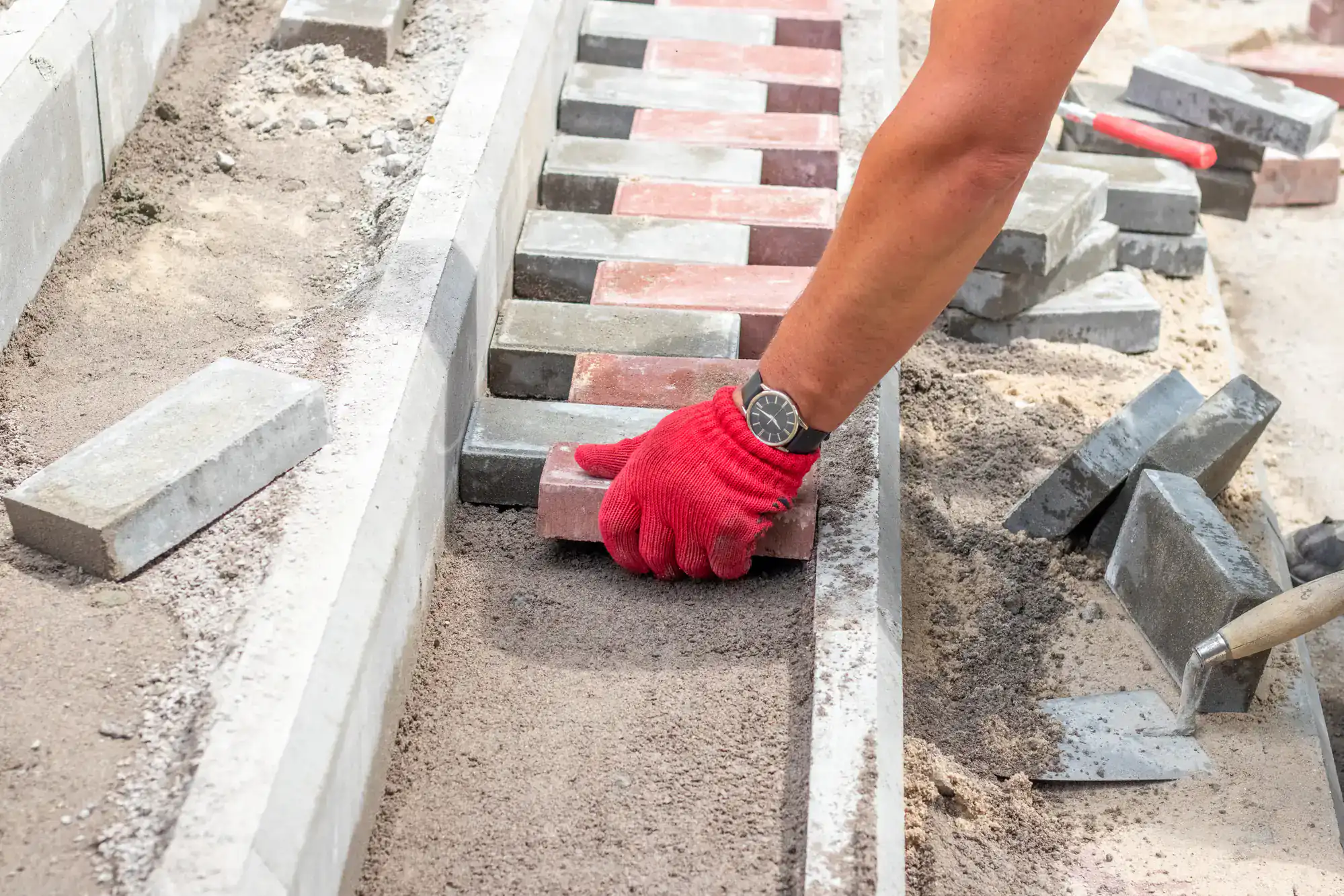
It starts with a free, written estimate. Not a ballpark number over the phone, and not a verbal quote that changes when the crew shows up. You get a clear, itemized proposal that covers scope, materials, timeline, and price so you know exactly what you’re agreeing to before any work begins. That’s a basic standard that every legitimate paving contractor should meet, and it’s where every project we do starts.
Once the project is scheduled, our crew handles site preparation first. For Cape St. Claire properties, that means paying close attention to drainage particularly on lots near Deep Creek or the Little Magothy, where water management is critical to long-term pavement performance. The sub-base is graded and compacted properly, because skipping that step is the number one reason cheap paving fails within a few years. If Maryland and Central and Northern Virginia requires a Residential Driveway Access Permit for your project which applies to new or modified driveway entrances onto County roads that process is part of the conversation upfront, not a surprise at the end.
After installation, you’ll get guidance on curing time and the right window for sealcoating typically six months after a new install, and every three to five years after that. In Cape St. Claire’s waterfront environment, that maintenance schedule isn’t optional if you want the surface to last. The whole process is straightforward, and you’re informed at every step.
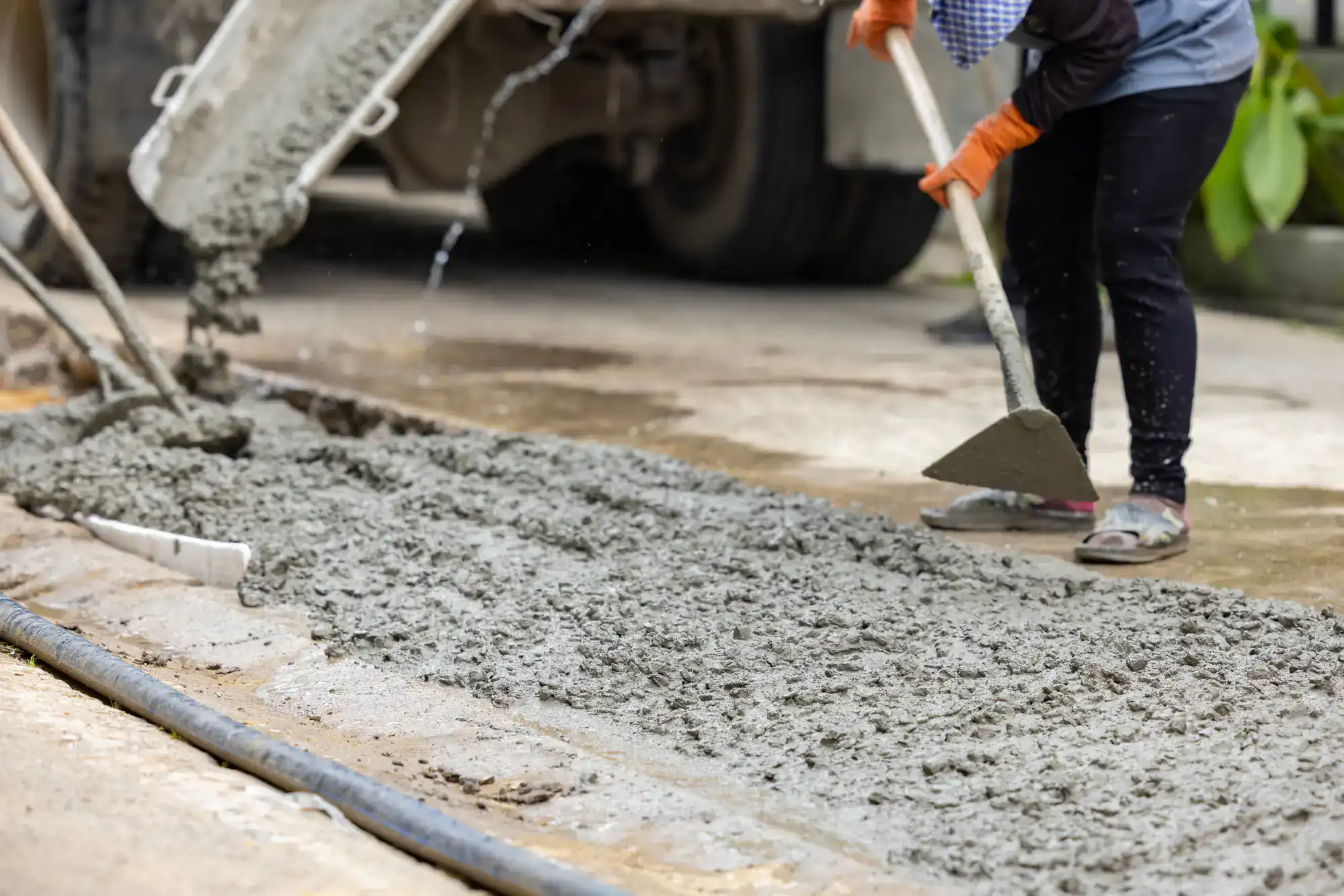
Ready to get started?
We cover the full lifecycle of asphalt for both residential and commercial properties in Cape St. Claire. For homeowners, that means new driveway installation, driveway resurfacing, crack repair, and sealcoating. For commercial properties including parking lots at local businesses near Cape St. Claire Plaza it means asphalt parking lot paving, lot maintenance, and parking lot striping that keeps surfaces safe, organized, and up to code.
Sealcoating deserves specific attention for this area. The combination of salt air off the Chesapeake Bay, elevated humidity from the surrounding waterways, and Maryland’s UV exposure means asphalt surfaces in Cape St. Claire oxidize and dry out faster than they would in an inland location. Sealcoating blocks water infiltration, slows oxidation, and protects against fuel and chemical spills extending the life of your surface significantly. For waterfront and near-waterfront properties in Cape St. Claire, it’s the most cost-effective maintenance investment you can make.
For properties that may fall within Maryland and Central and Northern Virginia’s Critical Area designation which governs impervious surface coverage on lots close to the Magothy River, Little Magothy, or Deep Creek we’re familiar with what those regulations mean for driveway and parking area projects. If your property has those considerations, that’s part of the planning conversation from day one, not something you find out about after the work is done.

A properly installed asphalt driveway in Cape St. Claire can realistically last 20 to 30 years but that range depends heavily on two things: how well it was installed and how consistently it’s maintained. Maryland’s freeze-thaw cycle is one of the harshest conditions asphalt faces anywhere in the mid-Atlantic. Water gets into micro-cracks, freezes and expands during cold snaps, then thaws and contracts repeating that cycle throughout every winter. On a surface with a weak sub-base or poor drainage, that process accelerates structural failure significantly.
Cape St. Claire’s waterfront environment adds another layer. Proximity to the Magothy River, Little Magothy, and Deep Creek means elevated moisture exposure year-round, which speeds up surface oxidation. Sealcoating every three to five years is the most effective way to slow that process and protect the surface between installations. Skip it for a decade, and a 25-year driveway can start showing serious deterioration in 10 to 12 years. Keep up with it, and you’re protecting a long-term investment in a home that’s worth protecting.
Resurfacing means applying a new layer of asphalt over your existing surface after milling or prep work. It’s a viable option when the underlying base is still structurally sound no major cracking, no soft spots, no drainage failures. It costs less than a full replacement and can add years to the life of a driveway that’s showing surface wear but hasn’t failed structurally.
Full replacement is necessary when the base has been compromised. In Cape St. Claire, that often happens on older properties the community has homes going back to the 1950s and 1960s, and many of those driveways have been through decades of Maryland winters. When the freeze-thaw cycle has worked its way into the sub-base, or when drainage issues have caused the foundation to shift or settle, resurfacing over the top is just delaying the inevitable. The honest answer is that you need someone to assess the actual condition of your current surface before recommending one over the other and that’s exactly what our free estimate process is designed to do.
It depends on the scope of your project. In Maryland and Central and Northern Virginia, a Residential Driveway Access Permit is required when you’re modifying or creating a new driveway entrance onto a County road. If you’re simply repaving an existing driveway in place same footprint, same entrance location the permit requirement may not apply. But if your project involves changing the entrance point, widening the apron, or altering drainage, you’ll need to go through the County’s permit process.
For properties in Cape St. Claire that sit near the Magothy River, Little Magothy River, or Deep Creek, there’s an additional consideration: Maryland and Central and Northern Virginia’s Critical Area regulations. These rules govern how much of a lot can be covered by impervious surfaces driveways, parking areas, walkways on properties close to the water. If your lot falls within a Critical Area designation, expanding your driveway’s footprint may require additional review. A contractor who’s familiar with Maryland and Central and Northern Virginia’s requirements will flag this early in the process so it doesn’t become a problem after the work is done.
In Maryland, every contractor performing home improvement work is legally required to hold a valid MHIC license that’s the Maryland Home Improvement Commission. The license number should be on our estimate, our contract, and our website. If a contractor can’t give you an MHIC number, that’s a hard stop. Don’t proceed.
Once you have the number, verify it. The Maryland MHIC maintains a public database where you can confirm the license is active and in good standing. We hold MHIC License #159766 look it up. The reason this matters beyond just legal compliance is the MHIC guaranty fund: if a licensed contractor fails to complete the work or causes damage, Maryland homeowners have a legal avenue for recourse. With an unlicensed contractor, you have none. In a community where homes are valued at half a million dollars or more, that protection is worth taking seriously. The asphalt industry has a documented problem with traveling crews offering cash-only deals on “leftover mix” Cape St. Claire homeowners are exactly the type of target those operations look for.
The practical paving window in Maryland runs from April through October, when ambient temperatures are consistently above 50°F. Asphalt needs warmth to be properly laid, compacted, and cured cold temperatures cause it to stiffen and set too quickly, which compromises the finished surface. That said, not all months in that window are equal.
Spring specifically late April through June is often the best time to schedule in Cape St. Claire. Winter damage becomes fully visible once temperatures stabilize, so homeowners assess what needs to be addressed and start scheduling. Booking early in the season also gives you the best contractor availability before the summer rush. Fall is the second strong window, with September and October being ideal for getting work done before the ground freezes. One thing to keep in mind for sealcoating specifically: it shouldn’t be applied below 50°F or when rain is expected within 24 hours. In Cape St. Claire’s Chesapeake Bay-adjacent climate, spring and fall weather can shift quickly, so your contractor should be monitoring conditions and scheduling accordingly.
Sealcoating is a protective layer applied over existing asphalt that blocks water infiltration, slows UV oxidation, and protects against fuel and chemical spills. It doesn’t fix structural problems it’s a maintenance service, not a repair. But applied on the right schedule, it significantly extends the life of your surface and keeps it looking clean and dark rather than faded and gray.
For Cape St. Claire specifically, the case for staying on a consistent sealcoating schedule is stronger than it would be for an inland community. The salt air off the Chesapeake Bay and the constant moisture from the surrounding waterways the Magothy River, Little Magothy, Deep Creek accelerate the oxidation process that dries out and weakens asphalt over time. That oxidation is what causes the surface to become brittle and crack-prone before its time. The general recommendation is to sealcoat six months after a new installation, then every three to five years after that. In a waterfront environment like Cape St. Claire, staying toward the three-year end of that range is the smarter call. It’s a relatively low-cost service compared to what it costs to replace a driveway years ahead of schedule.
Local Resources
Other Services we provide in Cape St. Claire