Hear from Our Customers
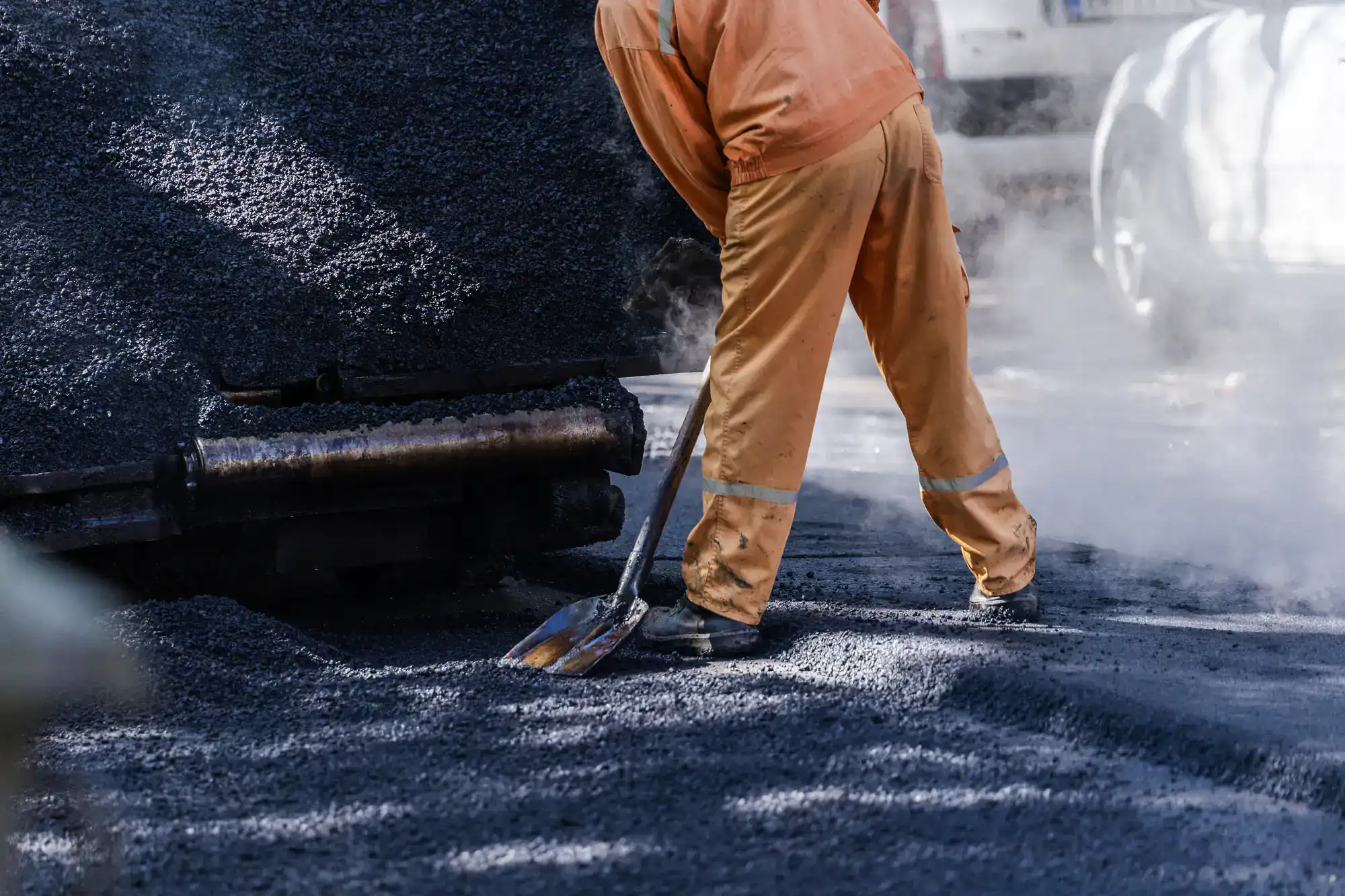
St. Mary’s County gets around 46 inches of rain a year. That’s not just weather that’s water looking for every unsealed crack in your parking lot, softening the base underneath, and turning a manageable repair into a full reconstruction. When your asphalt is properly installed and maintained, that water has nowhere to go but off the surface and away from your property.
Callaway also deals with freeze-thaw cycles through the winter months. Water gets into hairline cracks in October, freezes, expands, and by April you’re looking at structural damage that wasn’t there six months ago. The businesses and HOA communities along MD Route 5 that stay ahead of this don’t do it by luck they do it by sealing cracks before winter and sealcoating on a real schedule.
What you actually get out of commercial asphalt paving done right is longevity. A properly built parking lot correct base depth, commercial-grade asphalt thickness, engineered drainage lasts 20 to 30 years. The ones that fail in 8 to 10 years were either built to residential standards or never maintained. For commercial properties in Callaway serving engineers, defense contractors, and families from Waterford to Greenbrier, that difference matters.
We’ve been doing this since 2011. That’s 14-plus years of commercial asphalt paving across Maryland and Virginia, backed by Maryland Home Improvement Commission License #159766 a state-issued credential you can verify directly through the Maryland Department of Labor. It’s not a claim. It’s a license number. Look it up.
We also hold a BBB A+ rating, carry full insurance, and are licensed in both Maryland and Virginia. For commercial property owners in Callaway and across St. Mary’s County, that dual-state coverage matters especially when your portfolio or operations extend toward the Virginia side of the Potomac.
Callaway is a community where people check credentials before they sign anything. That’s the NAS Patuxent River workforce culture, and it’s exactly how it should be. When you call us for commercial asphalt paving in Callaway, MD, you’re getting a contractor whose license number is right there on the page because accountability shouldn’t be something you have to chase down.
It starts with a site assessment not a quick glance and a number, but a real look at your lot’s current condition, drainage patterns, subbase stability, and traffic load. For commercial properties in Callaway, that drainage piece is especially important. Southern Maryland’s coastal plain soils can vary significantly from one parcel to the next, and a lot that drains fine on paper can hold water in ways that destroy a base layer over time. We evaluate that before anything else.
From there, you get a detailed estimate that breaks down what the work actually involves whether that’s full-depth installation, resurfacing over a sound base, targeted repairs, or a combination. If your project involves adding impervious surface or changing drainage flow, St. Mary’s County may require a grading or stormwater permit through the Department of Land Use and Growth Management. We walk you through what applies to your specific project so there are no surprises mid-job.
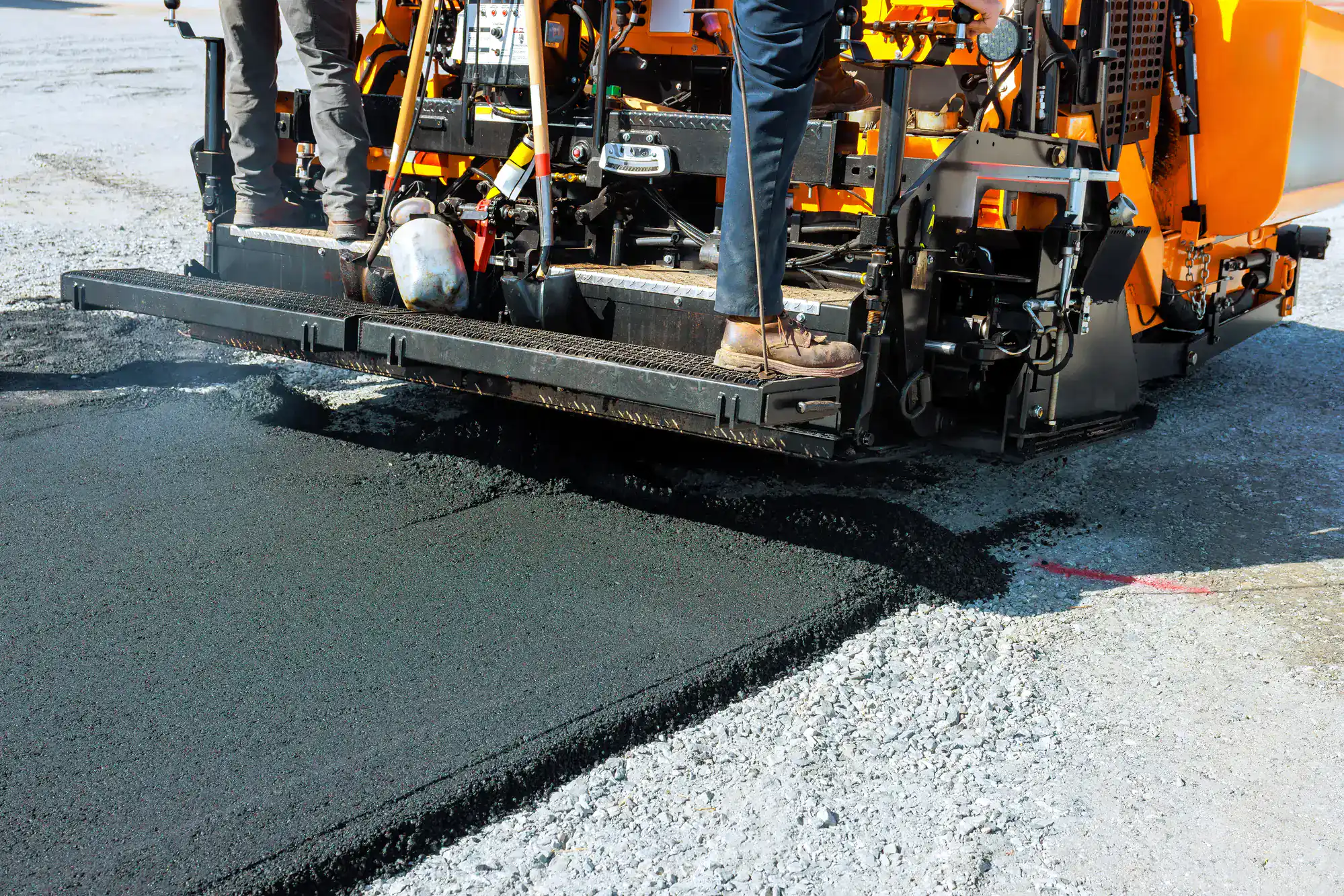
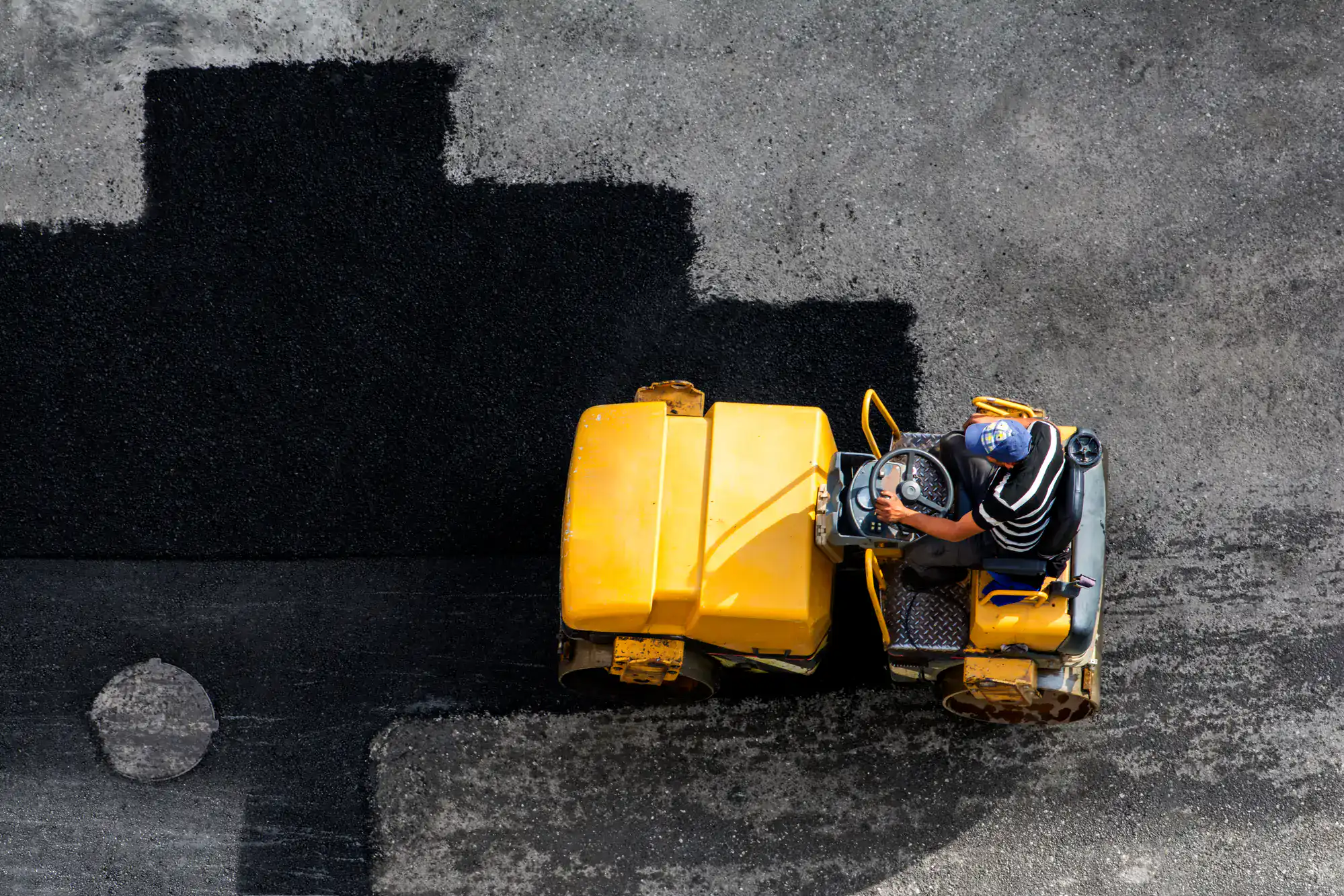
Once the scope is agreed on, our crew handles base preparation, asphalt installation, compaction, and finish work including line striping and ADA-compliant markings if your lot needs them. Scheduling is coordinated around your business operations so access disruption is minimized. The best window for paving in this region is late spring through early fall, when temperatures stay consistently above 50°F and the asphalt cures properly but the assessment and planning process can start any time of year.
Ready to get started?
We handle the full scope of commercial asphalt work new parking lot installation, asphalt resurfacing, crack filling, sealcoating, pothole repair, parking lot line striping, and ADA-compliant parking lot upgrades. For HOA communities like Waterford and Greenbrier in Callaway, that means one contractor managing everything from the initial pave-out through long-term maintenance, rather than coordinating three separate vendors every time something needs attention.
ADA compliance is worth calling out specifically. Federal accessibility requirements apply to all commercial properties regardless of county, and non-compliant lots create real liability exposure. If your parking lot was last striped or reconfigured years ago, there’s a reasonable chance the accessible space count, van-accessible designation, signage, or slope measurements have drifted out of compliance. We assess and correct that as part of the striping scope.
For commercial properties along MD Route 5 that see heavier delivery and commuter traffic, we engineer asphalt thickness and base depth to match the actual load not built to the minimum and hoped for the best. Sealcoating is recommended every three to five years in southern Maryland’s climate to protect against UV oxidation, chemical de-icer damage, and the moisture infiltration that the region’s rainfall makes an ongoing threat. The goal is a lot that doesn’t need emergency attention every other spring.
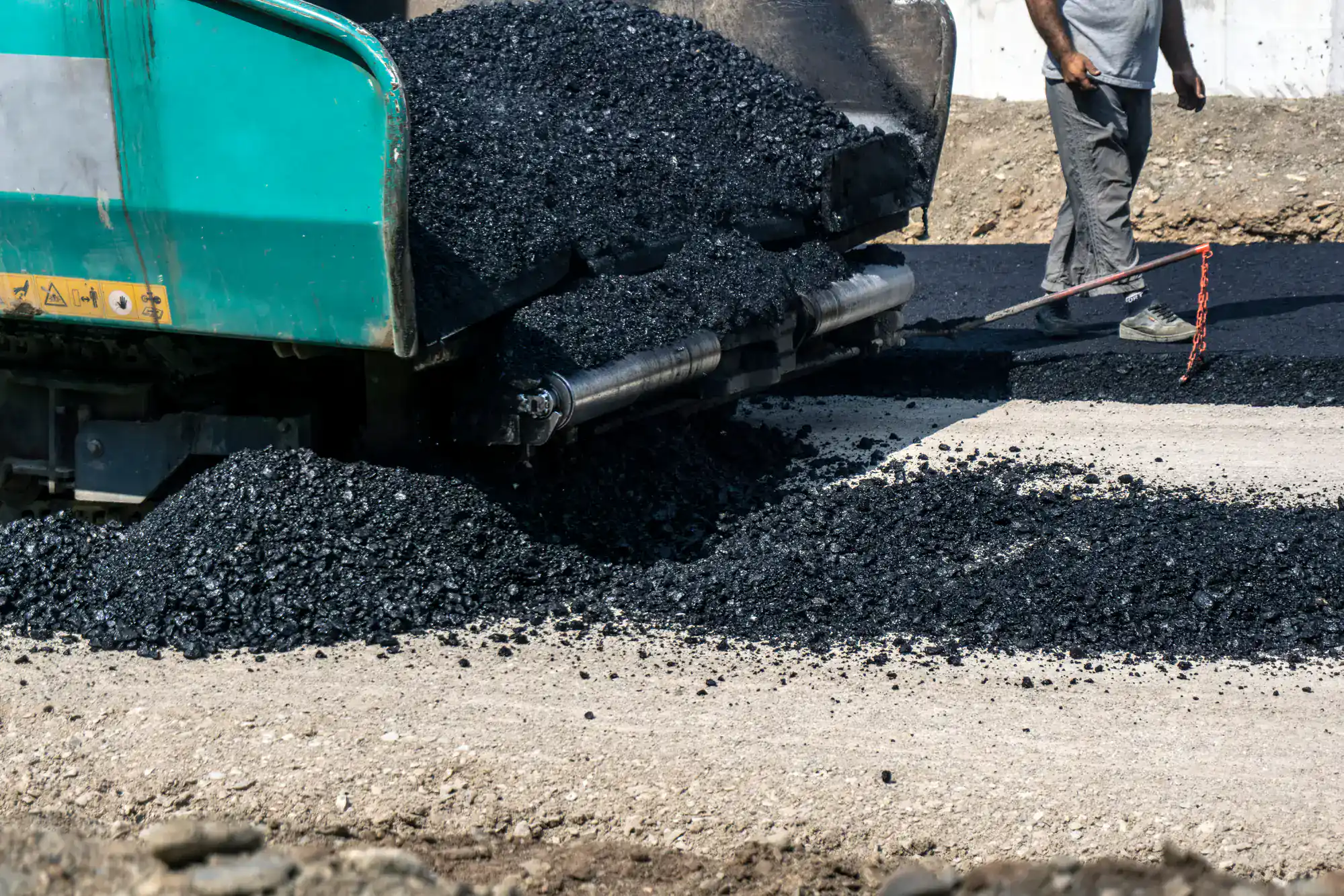
Commercial asphalt paving generally runs between $4 and $10 per square foot, depending on the scope of the project. A straightforward resurfacing job over a sound existing base sits toward the lower end of that range. A full-depth installation where the subbase is excavated, graded, and compacted before asphalt is laid sits toward the higher end, and for good reason.
In Callaway and across St. Mary’s County, soil conditions on the coastal plain can vary enough that some sites need more subbase work than others to ensure proper drainage and load-bearing capacity. That’s something we assess before a price is given, not estimated from a satellite image. What you should be cautious of is any quote that comes in dramatically lower without a clear explanation of what’s been left out because the things that get cut first are usually the base preparation steps that determine whether your lot lasts 25 years or 8.
Resurfacing sometimes called an overlay means laying a new layer of asphalt over your existing surface. It works well when the base underneath is still structurally sound and the existing asphalt has surface-level deterioration like cracking, oxidation, or minor roughness. It’s faster, less disruptive to your business operations, and significantly less expensive than a full replacement.
Full replacement means removing the existing asphalt down to the subbase, evaluating and repairing the base layer, and starting fresh. That’s the right call when the base has been compromised usually from years of water infiltration through unsealed cracks, heavy load damage, or drainage problems that were never corrected. For commercial properties in Callaway that have deferred maintenance for several years, the honest answer is that resurfacing over a failing base just delays the inevitable and costs more in the long run. The site assessment tells you which situation you’re actually in.
Every three to five years is the standard recommendation for commercial properties in southern Maryland, but the actual timing depends on your lot’s traffic volume, sun exposure, and maintenance history. Sealcoating protects the asphalt binder the component that holds everything together from UV oxidation, water penetration, and the chemical damage caused by de-icers used during St. Mary’s County winters.
In Callaway’s climate, the combination of hot, humid summers and wet winters accelerates binder breakdown faster than in drier climates. A lot that gets heavy sun exposure along MD Route 5, sees regular traffic, and gets salted in the winter should be on the shorter end of that window. A lower-traffic community center lot in a shaded subdivision like Waterford or Greenbrier might stretch closer to five years. The visual indicator is color when your lot starts going from dark black to gray, the binder is oxidizing and the surface is becoming brittle. That’s when water infiltration risk goes up significantly.
It depends on what the work involves. Routine maintenance sealcoating, crack filling, re-striping an existing lot generally does not require a permit in St. Mary’s County. But if you’re installing a new parking lot, significantly expanding an existing one, or doing work that changes how stormwater drains off your property, you’ll likely need to go through St. Mary’s County’s Department of Land Use and Growth Management.
Maryland also has stormwater management requirements that apply when you’re adding impervious surface, and if your commercial property is within 1,000 feet of tidal waters near the Patuxent River, the state’s Critical Area regulations may come into play as well. These aren’t hurdles designed to slow you down they’re real requirements that affect project planning and timeline. We walk through what applies to your specific project during the estimate process so you’re not finding out about permit requirements after work has already started.
A properly installed commercial parking lot built to the right thickness for your traffic load, with a well-prepared base and adequate drainage lasts 20 to 30 years. That’s not a marketing number. That’s what you get when the base is done right and the surface is maintained with sealcoating and crack filling on a reasonable schedule.
The lots that fail in 10 years or less usually have one of a few things in common: the asphalt was laid too thin for commercial use, the base wasn’t properly compacted, drainage wasn’t addressed, or maintenance was deferred until the surface was already deteriorating. In southern Maryland’s high-rainfall environment, that last point is especially costly. Once water gets into the base through unsealed cracks, the deterioration accelerates quickly. A $3,000 sealcoating job done at the right time can realistically prevent a $40,000 reconstruction project down the road and that math is worth taking seriously.
Yes ADA-compliant parking lot upgrades are part of the commercial paving scope we handle directly. That includes assessing your current accessible space count against federal requirements, confirming van-accessible space designation, verifying signage placement, and checking that the slope of accessible spaces and access aisles falls within the allowable grade under ADA standards.
For commercial properties in Callaway and across St. Mary’s County, this matters more than many property owners realize. If your lot was last reconfigured or restriped several years ago, there’s a real chance something has drifted whether that’s a missing van-accessible sign, an access aisle that got informally repurposed, or a space count that no longer meets requirements for your current building use. St. Mary’s County’s community includes a significant population of military veterans and active-duty personnel connected to NAS Patuxent River, many of whom rely on accessible parking. Getting this right isn’t just about avoiding liability it’s about running a property that works for everyone who uses it.
Other Services we provide in Callaway