
Hear from Our Customers
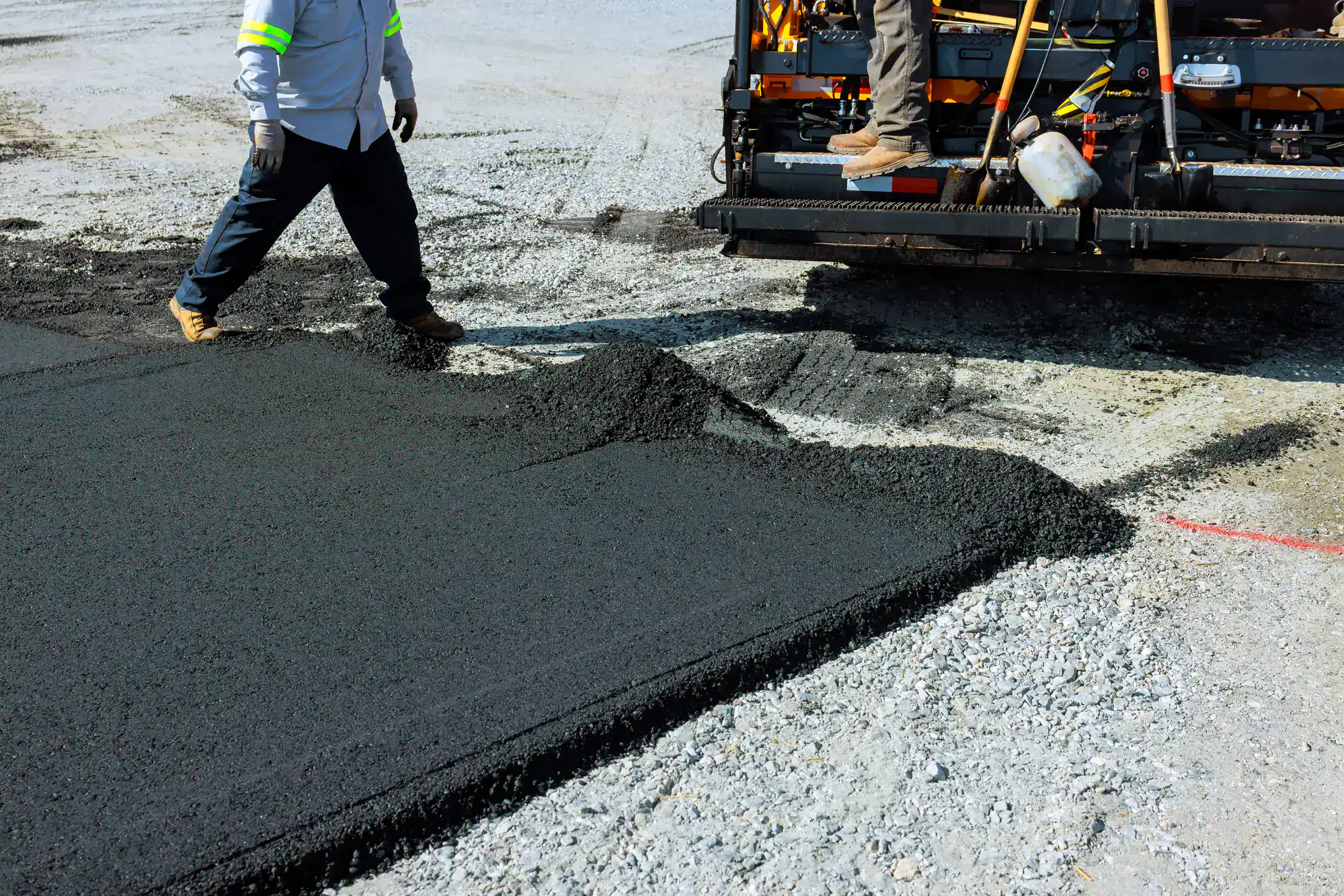
Living on the Patuxent River is a genuine advantage until it starts working against your pavement. The persistent humidity, tidal moisture, and storm exposure that come with waterfront living in Golden Beach accelerate asphalt breakdown faster than most property owners realize. Binder oxidizes. Cracks form. Water gets in. And once water is underneath your surface, every freeze-thaw cycle Maryland delivers turns a manageable repair into a full reconstruction.
For community-managed properties in Golden Beach boat ramp lots, beach parking areas, pier access roads the stakes are even higher. These surfaces carry trailers, recreational vehicles, and heavy loads on a regular basis. If the base prep isn’t right and the asphalt isn’t laid at commercial-grade thickness, you’ll see failure within a few seasons, not a few decades.
Getting this right the first time matters. A $10,000 repair that gets pushed to next year commonly becomes a $30,000–$50,000 reconstruction project. The Patuxent River isn’t going to give your pavement a break while you wait. We account for drainage, load capacity, and moisture exposure from day one and that’s exactly what we’re built to deliver.
We’ve been operating in Maryland since 2011 over 14 years of commercial asphalt work across the state, including the Southern Maryland corridor through St. Mary’s County where Golden Beach sits. That kind of track record doesn’t come from cutting corners. It comes from doing the work correctly, standing behind it, and earning repeat business from property owners and community boards who have options.
We hold MHIC License #159766 a Maryland Home Improvement Commission credential that requires passing a state exam and verifying real-world experience. That number is publicly searchable. We’re also BBB Accredited with an A+ rating, which means there’s a third party tracking accountability, not just a logo on a website. In a market where unlicensed paving crews are a documented problem throughout St. Mary’s County and the Golden Beach area, those credentials aren’t a formality they’re the baseline for anyone serious about protecting a significant property investment.
It starts with a free, detailed site assessment not a drive-by glance, but a real evaluation of your drainage, subgrade condition, surface deterioration, traffic load patterns, and ADA compliance status. For Golden Beach properties, we pay specific attention to moisture infiltration risk and base stability near the river. These are factors that matter enormously in a waterfront environment and that get skipped entirely by contractors who treat every job the same regardless of location.
Once the scope is clear, you get a transparent proposal with no surprises buried in the fine print. We schedule work with your operational calendar in mind if you’re managing community beach access or a boat ramp area, the last thing you need is a paving crew blocking access during peak summer months. Scheduling around the community’s actual needs is part of the job, not an afterthought.
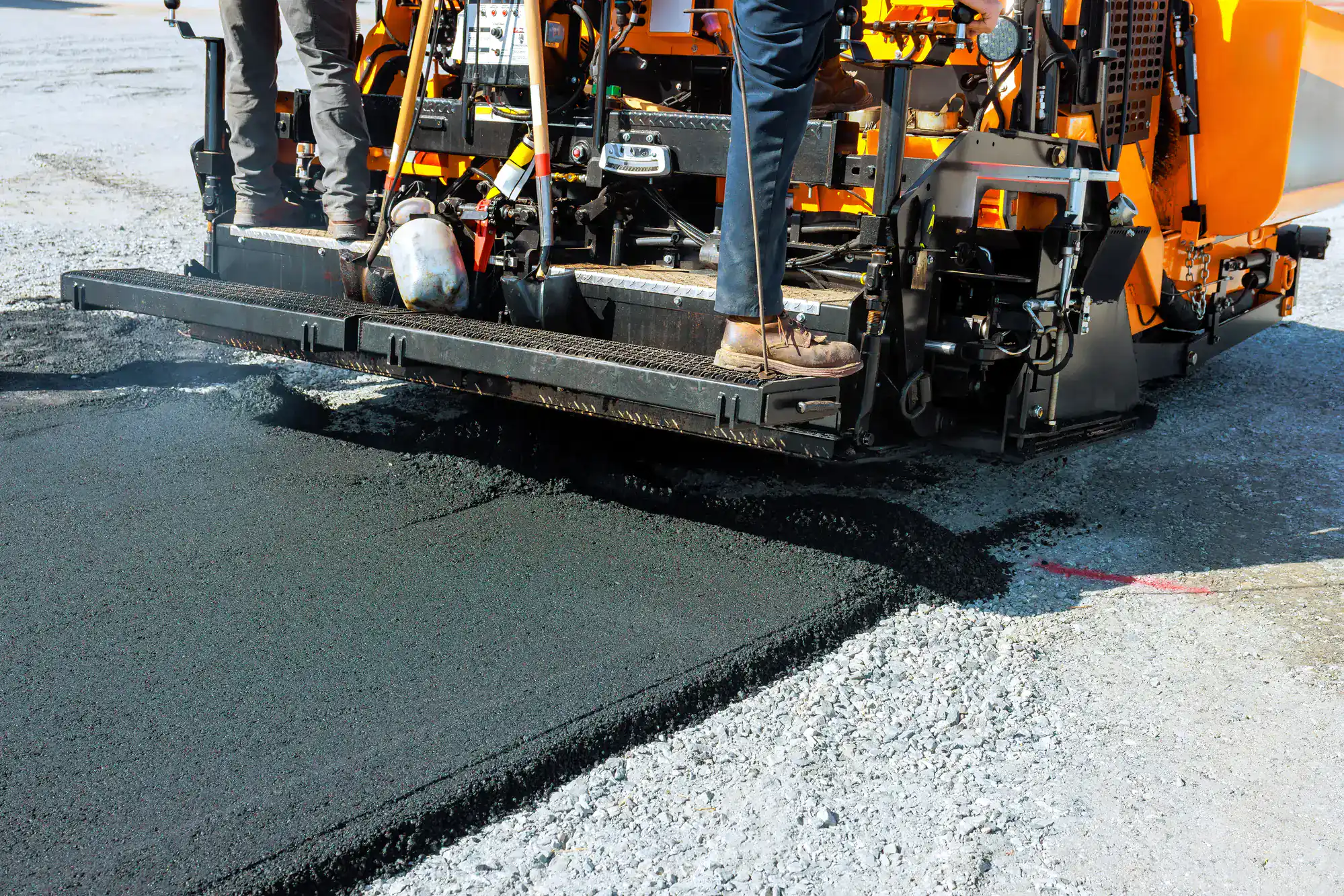
Installation follows commercial-grade specifications: proper base preparation, compaction, and a minimum of four inches of asphalt thickness for surfaces carrying anything heavier than standard passenger vehicles. After the surface is laid, sealcoating, crack filling, and line striping can be completed under the same scope so you’re not coordinating three separate contractors for what is ultimately one integrated pavement system. When the job is done, you know exactly what was installed, why, and what maintenance will keep it performing for the long term.

Ready to get started?
We handle the full scope of commercial asphalt paving in Golden Beach and the surrounding St. Mary’s County area new installations, overlays, full-depth reclamation, and ongoing maintenance. That includes sealcoating to protect against the waterfront oxidation that shortens asphalt life in this environment, crack repair before water infiltration turns small problems into structural ones, and parking lot line striping that keeps your property organized and code-compliant.
ADA compliance is part of every commercial project. For community-managed facilities in Golden Beach whether that’s a beach parking area, a firehouse lot, or a shared access road federal accessibility requirements apply. That means the right number of accessible spaces, van-accessible designations, visible signage, and cross-slope limits on accessible routes. These aren’t optional upgrades. They’re legal obligations, and a commercial paving company that doesn’t raise them during the assessment process isn’t doing its job.
We’re licensed in both Maryland and Virginia, which matters for Golden Beach residents and defense-sector business owners who manage commercial facilities on both sides of the state line. One contractor, one relationship, one standard of work whether the project is in St. Mary’s County or across the river in Virginia.
It affects it significantly, and most property owners don’t find out until they’re dealing with premature failure. The persistent moisture, high humidity, and periodic storm flooding that come with living directly on the Patuxent River in Golden Beach accelerate asphalt binder oxidation faster than in inland communities. When the binder breaks down, the surface becomes brittle, cracks form more readily, and water infiltration into the base layer begins which is where the real damage happens.
In a waterfront environment like Golden Beach, sealcoating isn’t optional maintenance. It’s a near-essential protective layer that slows oxidation and keeps moisture from penetrating the surface. Proper drainage design during installation is equally critical. If water doesn’t move away from the pavement efficiently, it will find its way underneath and once it’s there, Maryland’s freeze-thaw cycles will do the rest. We account for these conditions from the first site assessment, not treating Golden Beach projects like standard inland parking lot jobs.
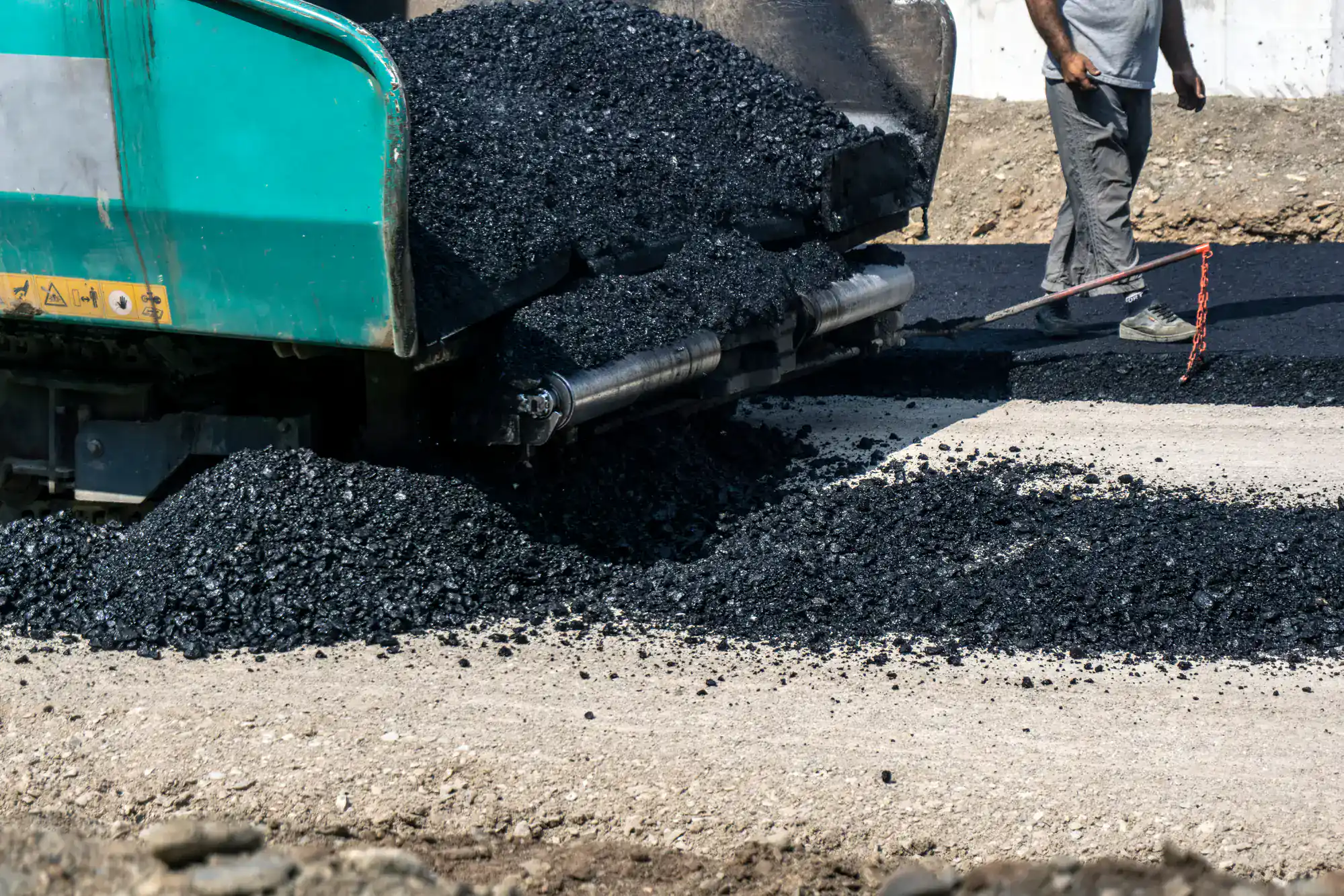
For commercial surfaces parking lots, community access roads, boat ramp areas you’re looking at a minimum of four inches of compacted asphalt over a properly prepared aggregate base. That’s not a conservative estimate; it’s the standard threshold for surfaces that carry anything heavier than standard passenger vehicles. In Golden Beach specifically, where community amenities include boat ramps and pier access areas that regularly accommodate trailers and recreational vehicles, four inches is the floor, not the ceiling.
A contractor who installs residential-grade asphalt typically two to three inches on a commercial or heavy-use surface is setting you up for premature rutting, cracking, and base failure. The base preparation underneath the asphalt layer matters just as much as the thickness. If the subgrade isn’t properly compacted and graded for drainage, even a well-laid asphalt surface will fail ahead of schedule. This is one of the most common ways property owners get burned by contractors who underbid a job and cut corners on materials and prep.
Maryland’s freeze-thaw cycle is one of the most consistent sources of pavement damage in the state, and Southern Maryland is no exception. Here’s what happens: water seeps into small cracks in the asphalt surface. When temperatures drop below freezing, that water expands as it freezes, widening the crack from the inside. When temperatures rise again, it contracts but the crack doesn’t close back to its original size. Repeat that process dozens of times across a Maryland winter, and what started as a hairline crack becomes a pothole or a structural failure.
The most visible damage typically shows up in late March and early April, after the ground has fully thawed. That’s the highest-urgency window for property owners and community boards in Golden Beach to assess pavement and schedule repairs before the damage worsens through spring rain and summer traffic. Crack filling and sealcoating applied before winter can significantly reduce the damage that freeze-thaw cycles cause but once water has already penetrated the base, the repair scope grows considerably. Catching it early is always the less expensive option.
Permits depend on the scope of work. Projects that affect drainage, grading, or access to public roads including state routes in the Golden Beach area fall under the jurisdiction of the St. Mary’s County Department of Public Works and the Maryland State Highway Administration. We handle permit coordination as part of the project process, so you’re not navigating that on your own.
ADA compliance is a separate but equally important requirement for any commercial property or community-managed facility that serves the public or accommodates residents with varying mobility needs. Federal law requires a minimum number of accessible parking spaces based on total lot size, van-accessible designations, visible International Symbol of Accessibility signage, and specific cross-slope limits on accessible routes. For community properties managed by BEMANCO or the Golden Beach Patuxent Knolls Civic Association, these requirements apply to shared facilities regardless of whether they’re privately managed. Deteriorating pavement that compromises accessible routes creates real federal liability exposure it’s not a detail that can be deferred indefinitely.
A properly installed commercial asphalt surface in Southern Maryland with the right base preparation, correct thickness, and a routine maintenance program can last 20 to 30 years. The key phrase there is “properly installed.” Climate variables in St. Mary’s County, including the humidity and moisture exposure that Golden Beach’s Patuxent River location amplifies, do shorten that lifespan if the pavement isn’t protected.
Sealcoating every three to five years is the single most effective maintenance step you can take to extend pavement life. It slows oxidation, repels water, and keeps the surface flexible enough to handle temperature swings without cracking. Crack filling whenever surface cracks appear before water infiltrates the base is the second most important step. Pavement that gets both of these maintenance treatments consistently will outlast pavement that doesn’t by a decade or more. The math is straightforward: routine maintenance costs a fraction of what full reconstruction costs, and it buys you significantly more time before that reconstruction becomes necessary.
Start with verifiable credentials. In Maryland, commercial paving contractors should hold an MHIC license a Maryland Home Improvement Commission credential that requires passing a state exam and demonstrating real field experience. That license number should be publicly searchable through the Maryland Department of Labor. If a contractor can’t provide a license number, that’s a significant red flag in a market where unlicensed crews are a well-documented problem throughout Southern Maryland.
Beyond licensing, look for a contractor who understands the specific conditions your Golden Beach community properties face. The waterfront environment, the load demands of boat ramp and pier access areas, and the freeze-thaw exposure your pavement deals with every winter are not generic considerations they require a contractor who asks the right questions during the assessment, not one who shows up with a standard proposal that ignores the local context. A detailed, transparent site assessment before any proposal is written is a strong indicator that you’re dealing with a contractor who actually knows what they’re doing. Community boards managing capital expenditures on behalf of hundreds of homeowners deserve that level of accountability before a contract is signed.
Other Services we provide in Golden Beach