Hear from Our Customers
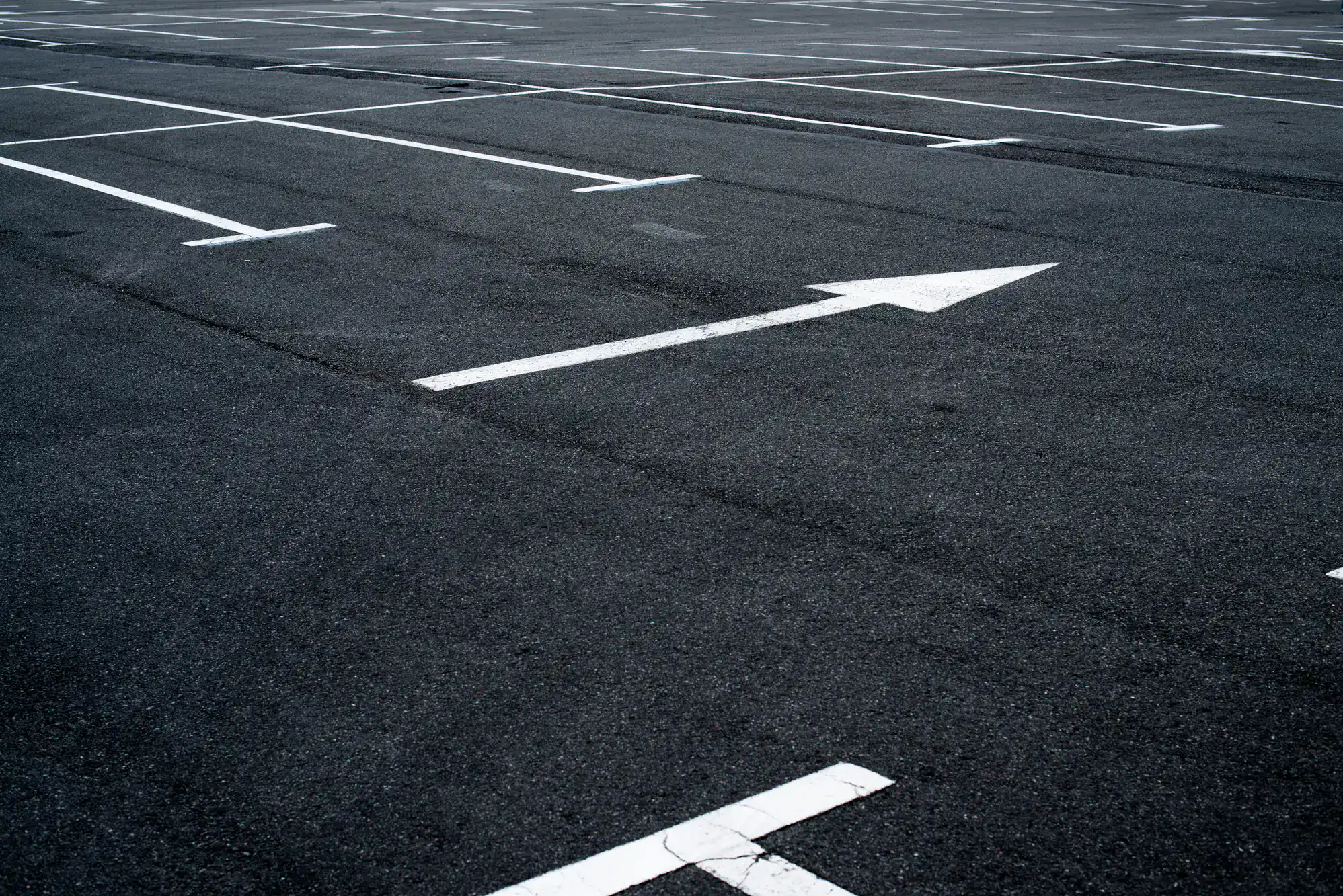
California, MD isn’t a quiet bedroom community. It’s a working hub built around one of the Navy’s most active installations, and the commercial parking lots along MD-235 take a beating for it. Defense contractor employees, retail shoppers, delivery vehicles, and service trucks cycle through these lots every single day. That kind of volume exposes every weakness in a poorly built surface fast.
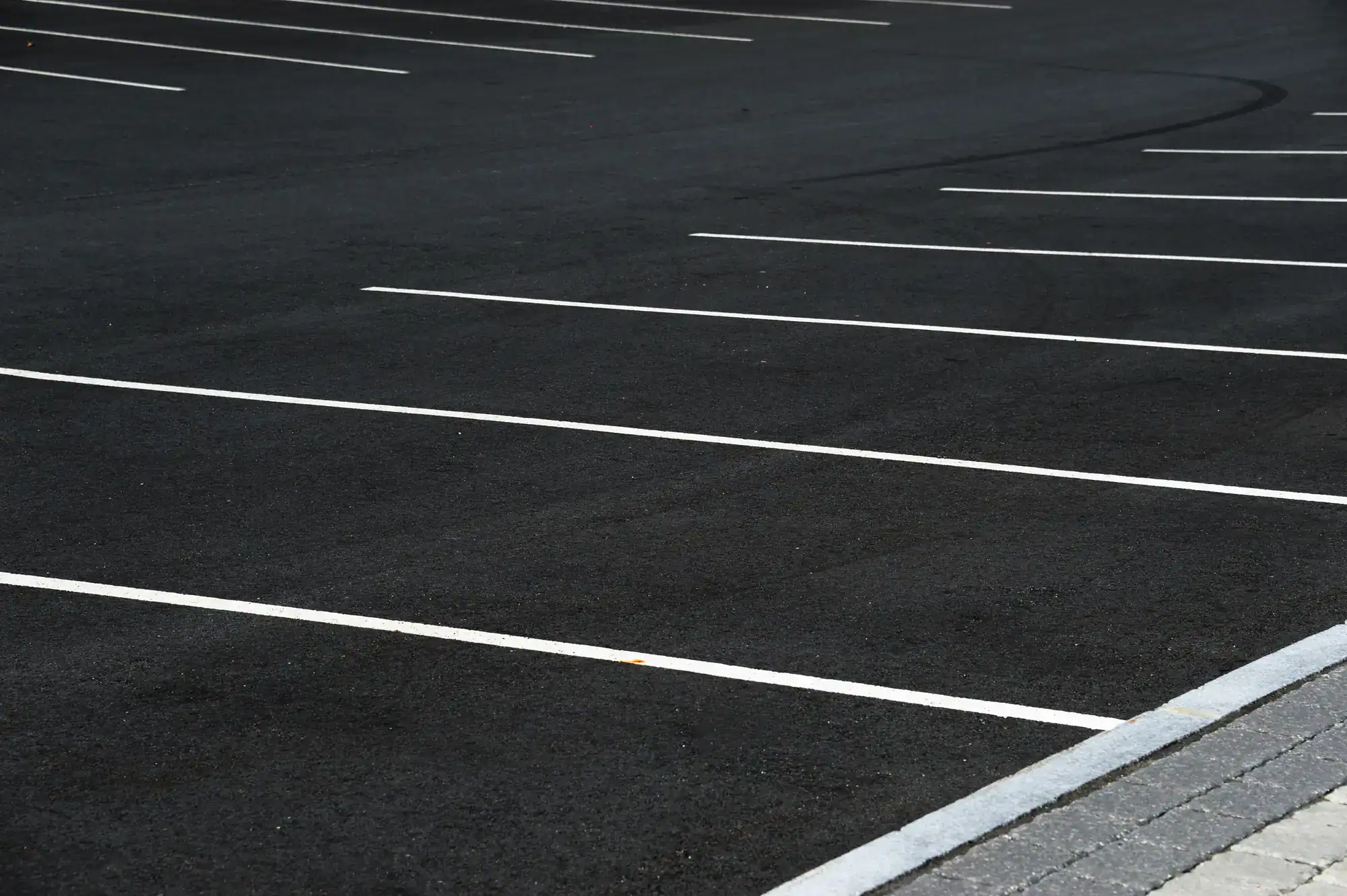
When your parking lot is engineered correctly from the subbase up, you stop patching the same cracks every spring and start getting real use out of your investment. A properly installed asphalt lot in this area can last 20 years or more. Without the right base preparation and drainage design, you’re looking at failure in five to seven and a full replacement bill that dwarfs what a quality installation would have cost upfront.
Southern Maryland’s peninsula geography adds a layer most contractors from outside the region underestimate. The soil saturation near the Patuxent watershed, combined with the freeze-thaw cycles St. Mary’s County sees every winter, accelerates surface deterioration in ways that require proper drainage engineering not just a fresh layer of asphalt on top of an unstable base. When drainage is handled right the first time, your lot stops collecting standing water, your subbase stays intact, and you’re not calling for emergency repairs every time the ground thaws.
We’ve been operating in Maryland since 2011 through every freeze-thaw season, every summer paving window, and every commercial project that required more than a driveway crew. We hold MHIC License #159766, carry BBB A+ accreditation, and operate across both Maryland and Virginia with the infrastructure to handle commercial-scale work without cutting corners on materials or process.
For property managers overseeing office parks near NAS Patuxent River or retail centers along the MD-235 corridor in California, credentials aren’t a formality they’re the first filter. We pass that filter before the conversation even starts, which is why commercial property managers in St. Mary’s County keep coming back rather than rolling the dice on whoever shows up with a low number.
Our name is on every job because accountability isn’t optional. When something needs to be addressed, there’s a real person answerable for it not a regional dispatch line.
It starts with a site assessment not a quick glance from the truck window, but an actual evaluation of your existing surface, subbase condition, drainage grades, and any ADA compliance gaps. In California, that drainage assessment carries real weight. Properties near the Patuxent watershed sit in areas where soil saturation is a genuine concern, and a slope that looks fine visually can funnel standing water directly into your subbase if it isn’t graded correctly.
Once the scope is clear, you get a straightforward proposal what’s being done, what materials are being used, and what the timeline looks like. For commercial lots along MD-235 that serve tenants or employees daily, work is scheduled and phased to keep disruption manageable. Most commercial installations run three to seven days. Freshly installed asphalt needs 24 to 48 hours before light traffic and up to a week before heavy use, so the schedule accounts for that from the start.
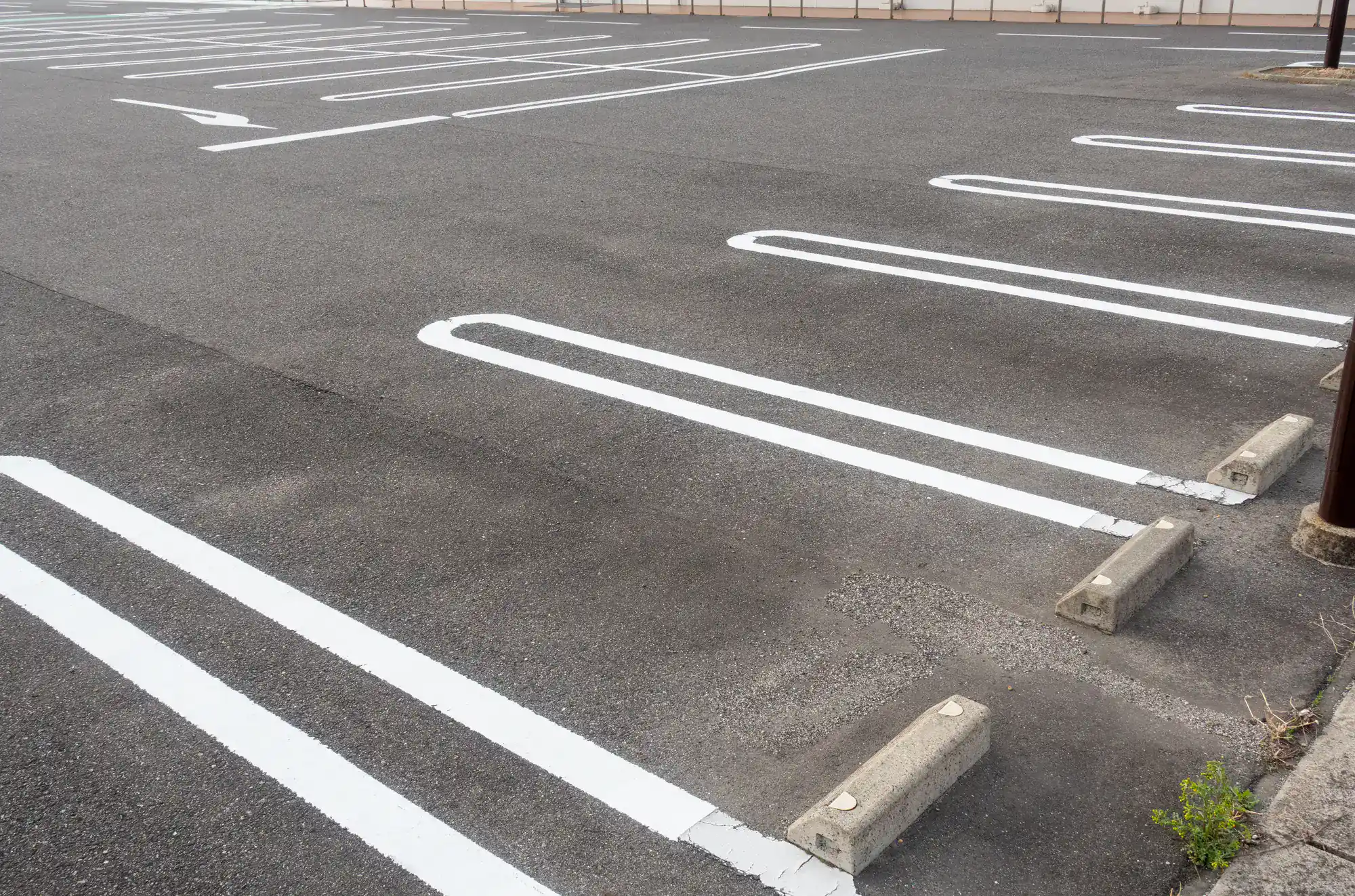
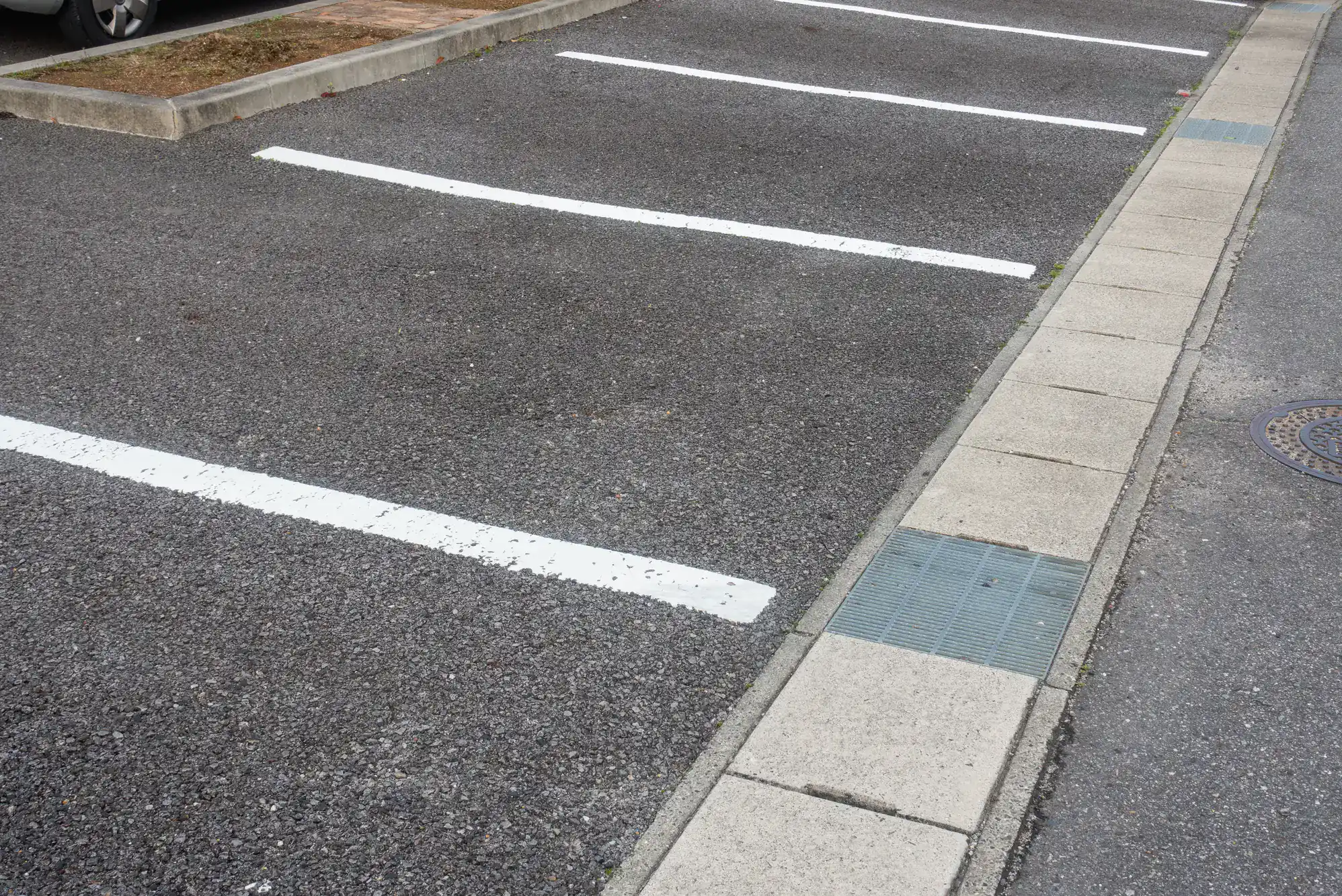
After paving is complete, line striping and ADA-compliant space layout are handled in the same project no separate vendor, no coordination gap. St. Mary’s County commercial properties are subject to federal ADA standards, and getting the accessible space count, aisle widths, and cross slopes right the first time avoids the kind of remediation costs that catch property managers off guard later.
Ready to get started?
Whether you’re looking at a full new parking lot installation, a resurfacing overlay on an aging lot, or targeted repairs before winter makes things worse, we handle the complete scope. That includes commercial-grade hot-mix asphalt specified for the traffic loads your lot actually sees not a residential driveway mix applied to a surface that takes delivery trucks and high daily vehicle counts.
For the defense contractor office parks and retail centers that define California’s commercial landscape, the full-service model matters. Sealcoating every two to five years, crack filling as needed, and periodic resurfacing extend the life of your original installation significantly deferring full replacement costs and keeping your lot functional and presentable for tenants who expect a maintained facility. Institutional property managers overseeing properties in Wildewood or along the First Colony Center corridor understand that deferred maintenance on a parking lot compounds quickly. A crack that costs a few hundred dollars to fill today becomes a structural failure that costs tens of thousands to fix in three years.
ADA-compliant line striping is included in every new installation and resurfacing project accessible space counts, van-accessible aisle widths, and properly marked pedestrian routes from parking to building entrances. For facilities serving federal employees and the public daily, that compliance isn’t optional, and retrofitting it after the fact costs more than building it in from the start.
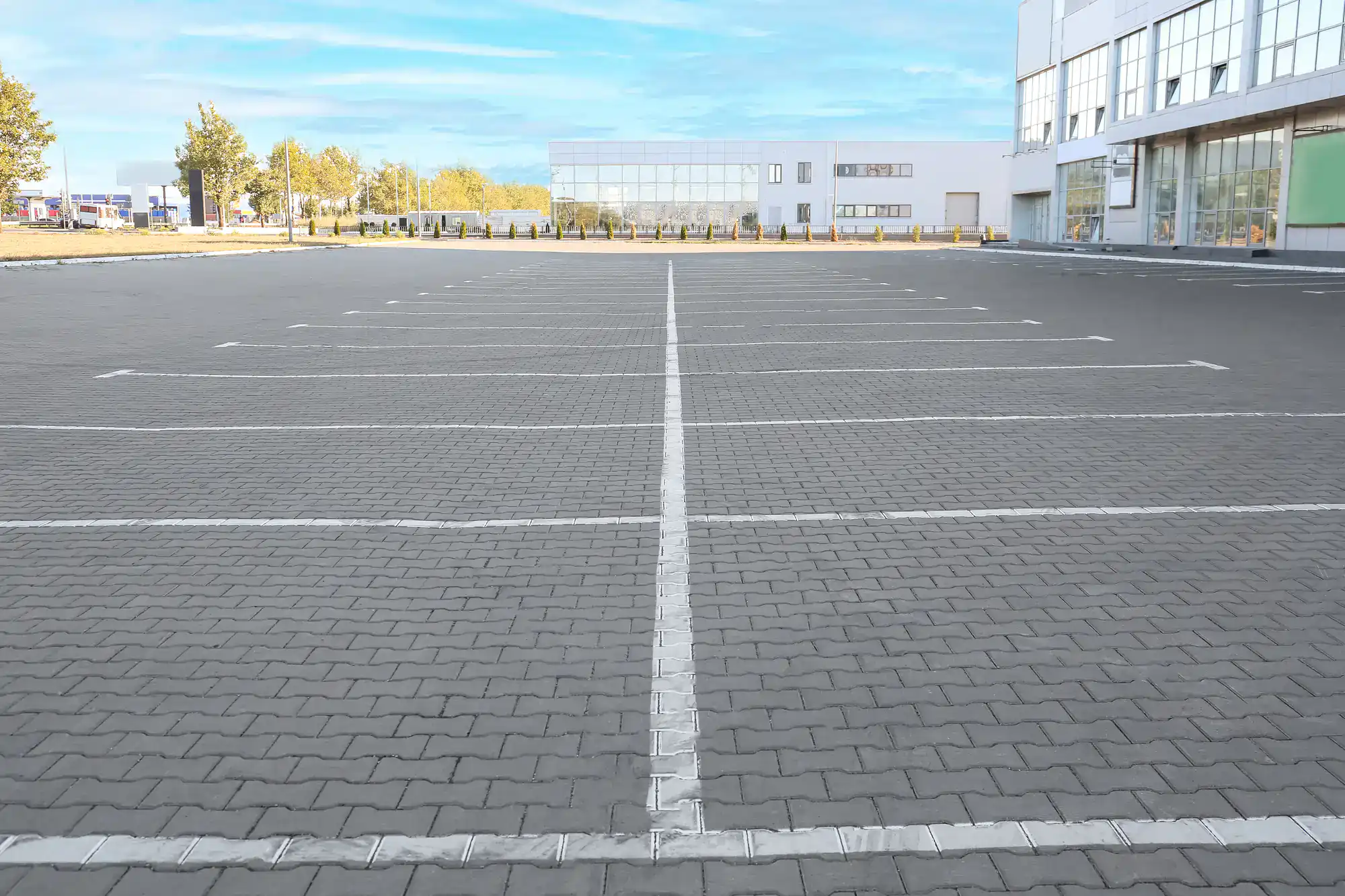
Commercial asphalt parking lot installation typically runs between $2.00 and $4.50 per square foot, which puts a 10,000-square-foot lot somewhere in the range of $25,000 to $45,000 depending on site conditions, subbase work required, and project scope. Those numbers can shift based on what’s underneath the existing surface if the subbase has been compromised by water infiltration or years of freeze-thaw stress, that needs to be addressed before new asphalt goes down, or you’re just paving over a problem.
In California specifically, drainage engineering often adds a layer of complexity that affects cost. Properties near the Patuxent watershed sit in areas with higher soil saturation risk, and getting the grading right from the start is what separates a lot that lasts 20 years from one that starts failing in five. The most accurate way to understand what your project will cost is a site visit surface conditions, drainage grades, and subbase depth all factor into the final number in ways that can’t be estimated from a description alone.
A properly installed and maintained asphalt parking lot in Southern Maryland can last 15 to 25 years. The key word is maintained sealcoating every two to five years and filling cracks before they allow water penetration are what keep that timeline realistic. Skip the maintenance, and you’re looking at a significantly shorter lifespan, especially in an area like St. Mary’s County where the freeze-thaw cycle does real damage to surfaces that aren’t protected.
The peninsula climate California sits in moderates temperature extremes somewhat compared to inland Maryland, but it doesn’t eliminate the winter freeze-thaw stress that’s the primary driver of asphalt cracking in this region. Water gets into small surface cracks, freezes, expands, and opens those cracks wider and once the subbase starts taking on water, the deterioration accelerates fast. Staying ahead of that with a consistent maintenance program is what makes the difference between a lot that hits 20 years and one that needs full replacement in 10.
For commercial parking lot construction or significant modifications in St. Mary’s County, you’ll generally need to go through the county’s Department of Land Use and Growth Management for site plan review and permitting. California is an unincorporated census-designated place, which means all permitting and zoning falls under St. Mary’s County jurisdiction there’s no separate city or town government layer to navigate, but the county process still applies.
One area that catches some property managers off guard is stormwater management. Because California sits within the Chesapeake Bay watershed, Maryland’s Critical Area law and the Chesapeake Bay Program impose stormwater runoff requirements on commercial paving projects in this region. That means your drainage design isn’t just an engineering preference it’s a regulatory requirement. Working with a contractor who understands St. Mary’s County’s permitting process and the watershed protection requirements specific to this area prevents the kind of delays and compliance issues that can stall a project significantly.
Resurfacing also called an overlay involves applying a new layer of asphalt over your existing surface after proper preparation. It’s a viable option when the underlying structure is still sound but the surface layer has worn, cracked, or become rough. It costs significantly less than full replacement and extends the functional life of the lot by 8 to 15 years when done correctly. The catch is that it only works when the subbase is stable if there’s structural failure underneath, an overlay just delays the inevitable.
Full replacement involves removing the existing asphalt down to the subbase, addressing any base failures, and installing a completely new surface. It’s the right call when the lot has widespread alligator cracking, significant subbase damage, or drainage problems that can’t be corrected with a surface treatment. For California’s commercial properties that have been in service for 15 or more years without major maintenance some of the original Wildewood commercial development dates back to the late 1980s full replacement is often the more honest recommendation, even if it costs more upfront.
Asphalt installation requires ambient temperatures consistently above 50°F, which rules out most of December through February in St. Mary’s County. Trying to lay asphalt in cold temperatures causes the mix to cool too quickly, which prevents proper compaction and results in a weak surface that fails early.
That said, winter isn’t dead time. It’s actually when most commercial property managers in California are doing their planning assessing the damage from the current freeze-thaw season, getting site visits scheduled, and lining up contractors for spring. The paving season in Southern Maryland typically runs from late March through November, with the spring and early summer window being the most in-demand. If your lot needs work, getting on the schedule before that window opens is the practical move waiting until April to start the conversation often means waiting until fall.
Yes ADA requirements apply to all commercial parking lots that serve the public, regardless of whether the property is privately owned. The standards are set at the federal level and enforced through the Americans with Disabilities Act, which means there’s no local exemption for St. Mary’s County or California specifically. The requirements include a minimum of one accessible space per 25 total spaces, van-accessible spaces with 8-foot access aisles, cross slopes not exceeding 2.08%, and clearly marked accessible routes connecting parking to building entrances.
For California’s commercial properties which serve federal employees, active-duty military personnel, veterans, and the general public on a daily basis this isn’t a distant regulatory concern. First-violation fines under the ADA reach $75,000 per incident, and the defense contractor office parks and retail centers along MD-235 are exactly the type of high-traffic facilities where non-compliance gets noticed. Building ADA compliance into a paving project from the design phase is straightforward and adds minimal cost compared to retrofitting accessible features after a complaint or inspection triggers a required correction.