
Hear from Our Customers
Most parking lot failures aren’t random. They start with a contractor who didn’t account for where the lot actually sits. In Shady Side, that means ignoring the salt air coming off the Chesapeake Bay, the tidal drainage challenges on a low-lying peninsula, and the 10 to 20 freeze-thaw cycles that Maryland winters push through every crack that wasn’t sealed properly. When those factors go unaddressed, you’re not getting 20 years out of a lot you’re getting 7, maybe less.
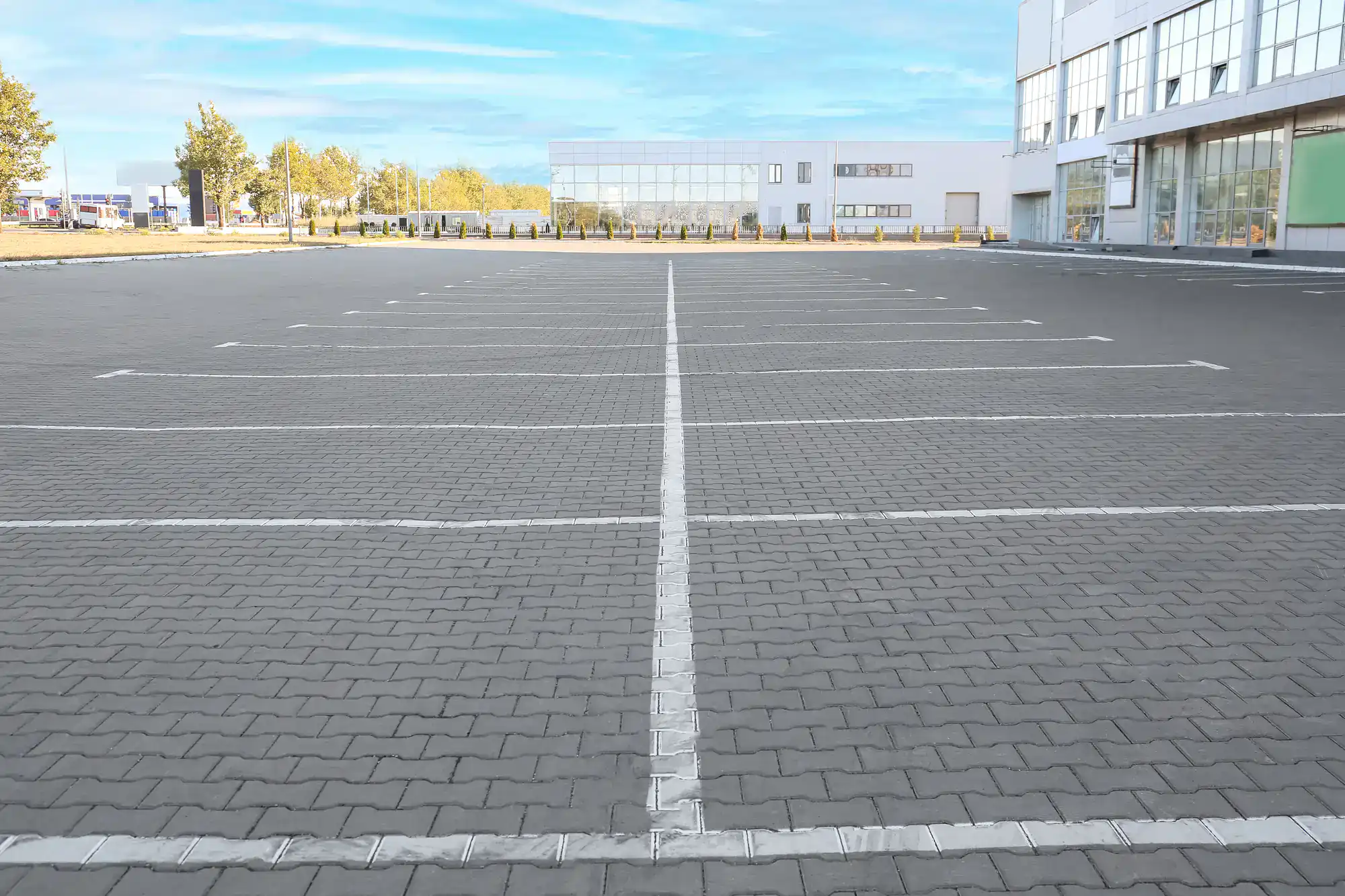
A properly installed commercial parking lot in Shady Side starts with drainage. The peninsula’s flat topography and proximity to the West River mean water has nowhere to go unless the grade is engineered to move it. Ponding after a nor’easter isn’t just inconvenient it’s the beginning of subbase failure. Get the drainage right, use commercial-grade hot-mix asphalt at the right thickness, and the lot performs the way it should for the long haul.
Beyond the structural side, there’s the practical reality of running a business here. Whether you’re managing a marina lot on Snug Harbor Road, a small commercial property along MD 468, or a community parking area in a subdivision like Avalon Shores, your lot is often the first thing customers see. A cracked, faded surface in a market where waterfront properties hold median values above $539,000 sends the wrong signal before anyone walks through your door.
We’ve been operating in the Maryland market since 2011. That’s 14 years of Maryland and Central and Northern Virginia winters, county permitting processes, and commercial paving projects completed in the same coastal environment that Shady Side property owners deal with every day. Our Annapolis headquarters puts us about 20 miles north of Shady Side via MD 468 the same road you travel when you head up to the city for anything else. This isn’t a distant regional chain treating southern Maryland and Central and Northern Virginia as a side stop.
We hold MHIC License #159766 the legally required Maryland Home Improvement Commission credential and earned BBB A+ accreditation in August 2024. Those aren’t decorations. In a market where unlicensed crews occasionally target rural waterfront communities like Shady Side, a verifiable license number and a complaint-free BBB record are the baseline of accountability you should expect from anyone you hand a parking lot project to.
It starts with a site assessment, and in Shady Side, that assessment goes beyond just measuring square footage. We evaluate drainage patterns, existing subbase condition, proximity to tidal areas, and the current state of any pavement that’s already down. For properties near the West River corridor or along the lower stretches of MD 468, drainage grading is often the most important decision made before a single ton of asphalt is ordered.
From there, you get a written quote specific materials, thickness, base prep approach, timeline, and full scope. No verbal estimates, no surprises when the invoice arrives. If the project is a new parking lot construction, the base is excavated, graded, and compacted before hot-mix asphalt goes down in commercial-grade lifts. If it’s a resurfacing or overlay, the existing surface is assessed for whether a mill-and-fill or straight overlay is the right call based on what’s underneath. Maryland and Central and Northern Virginia permitting requirements are handled as part of the process for projects that require it.
Once the asphalt is down, curing takes 24 to 48 hours before light traffic is safe. For marina operators or businesses along MD 468 that can’t afford a full closure, phased paving is an option keeping part of the lot accessible while work proceeds in sections. The project wraps with line striping and ADA-compliant space layout, so the lot is ready to use and compliant when we leave.
Ready to get started?
We handle the full scope of commercial parking lot paving in Shady Side new asphalt parking lot installation, overlays and resurfacing, crack filling, sealcoating, and ADA-compliant line striping. That matters because coordinating three separate contractors for a single lot project is a headache most property managers and small business owners in this area don’t have time for. One contractor, one timeline, one point of contact from start to finish.
For Shady Side’s waterfront commercial properties particularly marinas and boat yards the work is specified for heavy-load applications. Boat trailers carrying loaded vessels can push 30,000 pounds or more. That’s not a residential driveway load, and it shouldn’t be paved like one. Commercial-grade hot-mix asphalt at proper depth, with a compacted base engineered for that kind of repeated stress, is what separates a lot that lasts from one that starts cracking in three years.
Sealcoating is also part of the conversation for every Shady Side property. Given the salt air exposure and UV conditions on an open waterfront peninsula, an unsealed lot oxidizes faster than it would inland. Sealing on a regular cycle typically every two to three years in this environment is the most cost-effective way to protect the investment and push the lot’s lifespan toward the 20-to-25-year range. Maryland’s environmental regulations near Chesapeake Bay tributaries also restrict certain sealant chemistries, and we use compliant, coal-tar-free sealers that meet those requirements.
It shortens the lifespan if the lot wasn’t built with those conditions in mind. Salt air from the Chesapeake Bay accelerates oxidation of the asphalt binder the material that holds everything together and gives the surface its flexibility. When that binder dries out faster than it would in an inland location, the surface becomes brittle, cracks form sooner, and water gets in. From there, Maryland’s freeze-thaw cycles do the rest.
The other factor specific to Shady Side is drainage. The peninsula sits low, and tidal moisture keeps the ground wetter than you’d find in Crofton or Odenton. A parking lot without properly engineered drainage will pond water after a nor’easter, and that standing water works its way into any existing crack and saturates the subbase over time. A lot built with the right drainage grade, commercial-grade asphalt thickness, and a consistent sealcoating schedule can still hit 20 to 25 years in this environment but it has to be built for it from the start.
An overlay means laying a new layer of asphalt over the existing surface without removing what’s underneath. It works well when the subbase is still structurally sound and the existing pavement has surface-level damage cracking, minor rutting, or oxidation but hasn’t failed all the way through. It’s faster, less disruptive, and costs significantly less than a full replacement. For a marina operator in Shady Side who needs the lot functional during peak boating season, an overlay can be the right call if the timing and condition are right.
A full replacement involves removing the existing pavement down to the subbase, reassessing and regrading that base, and installing new asphalt from the ground up. It’s the right move when the subbase has been compromised which in Shady Side can happen faster than expected if drainage was poor and tidal moisture has been working into the foundation for years. The honest answer is that you don’t know which one you need until someone actually evaluates the current condition of your lot. That’s what the site assessment is for, and it’s where every project with us starts.
It depends on the scope of the work. In Shady Side, because it’s an unincorporated census-designated place with no local municipal government, all permitting runs through Maryland and Central and Northern Virginia’s Department of Inspections and Permits not a town hall. For new parking lot construction or significant resurfacing projects, a county building permit is typically required. Routine maintenance work like crack filling and sealcoating generally doesn’t trigger a permit requirement, but any project that changes the footprint or drainage characteristics of an impervious surface may.
There’s also a stormwater management consideration that’s more relevant in Shady Side than in most other parts of the county. Because of the area’s proximity to Chesapeake Bay tributaries including the West River Maryland and Central and Northern Virginia applies stormwater management requirements to impervious surface projects that affect runoff into those waterways. A licensed contractor like us navigates that process as part of the project, which is one of the practical reasons why hiring an MHIC-licensed contractor (License #159766) matters here. An unlicensed crew can’t legally pull permits on your behalf and won’t know the county’s tributary-area requirements.
The general industry recommendation is every two to five years, but in Shady Side’s environment, the lower end of that range makes more sense. Salt air exposure, higher ambient humidity from the bay and West River, and the UV conditions on an open waterfront peninsula all accelerate the oxidation process that sealcoating is designed to slow down. Waiting five years between applications in this environment is often too long by the time you get there, the surface has already started showing the brittleness and surface cracking that sealcoating is meant to prevent.
The practical signal to watch for is color. A healthy sealed surface holds a dark, consistent appearance. When the lot starts looking gray and faded, the binder is oxidizing and the surface is becoming vulnerable. At that point, crack filling before sealcoating is important sealing over open cracks traps moisture rather than blocking it. Maryland’s environmental regulations near Chesapeake Bay tributaries also require coal-tar-free sealers, so make sure whoever you hire is using a compliant product. It’s not optional in this area, and it’s something we build into every sealcoating project in southern Maryland and Central and Northern Virginia.
Yes, and for most commercial properties in Shady Side, it’s the practical way to approach it. A marina that closes its paved launch and staging area during peak boating season typically May through September is losing real revenue during the months that matter most. A small retail business on MD 468 that shuts down its entire lot for a week risks customers going elsewhere and not coming back. Phased paving keeps part of the lot accessible while work proceeds in sections, which adds some coordination to the project but avoids the full-closure problem.
A standard commercial parking lot typically takes three to seven days to complete depending on size and complexity. Light vehicle traffic is generally safe within 24 to 48 hours after the asphalt is laid. With phased scheduling, the disruption window for any single section of the lot is manageable. The key is planning the phase sequence around your actual traffic patterns which areas see the most use, what time of day volume peaks, and whether early morning or off-peak work windows reduce the impact further. That’s a conversation that happens during the site assessment before any work is scheduled.
Ask for their MHIC number and verify it. Maryland requires any contractor performing commercial paving and surface work to hold a valid Maryland Home Improvement Commission license. The MHIC number can be checked directly through the Maryland Department of Labor’s online license lookup it takes about two minutes and tells you whether the license is active, when it was issued, and whether any complaints have been filed. Our MHIC number is 159766, and it’s verifiable through that same system.
This matters more in communities like Shady Side than people sometimes realize. The peninsula’s relative isolation accessible primarily via MD 468 with no major highway nearby makes it a target for transient crews who move through rural and waterfront communities offering quick, cheap work with no paper trail. An unlicensed contractor can’t legally pull Maryland and Central and Northern Virginia permits, carries no MHIC guaranty fund protection for you if something goes wrong, and has no accountability structure once the crew drives away. The license number isn’t a formality. It’s the baseline verification that separates a contractor you can hold accountable from one you can’t.
Local Resources
Other Services we provide in Shady Side