Maryland's winters are hard on asphalt. Here's what sealcoating actually does, when you need it, and how to avoid getting burned by the wrong contractor.
If your driveway is starting to look gray, cracked, or just worn down, you’re not imagining things, and you’re not alone. Asphalt takes a serious beating in Anne Arundel, Calvert, and St. Mary’s Counties. Between the freeze-thaw cycles every winter, the road salt, the summer heat, and the humidity rolling off the Chesapeake Bay, unprotected pavement deteriorates faster here than in most parts of the country. The good news is that sealcoating (done right, at the right time) can stop that deterioration in its tracks and add years to a driveway that might otherwise need full replacement. Here’s what you should know before you make any decisions.
Sealcoating is a protective layer we apply over existing asphalt to shield it from the elements. Think of it like sunscreen for your driveway: it blocks UV rays that cause oxidation and brittleness, resists water infiltration, and creates a barrier against gasoline, oil, and the road salt that gets tracked onto residential driveways all winter long throughout Anne Arundel, Calvert, and St. Mary’s Counties. It doesn’t fix structural damage. That’s an important distinction. If you have deep cracks or potholes, those need to be repaired before any sealer goes down. We’ll tell you that upfront. What sealcoating does is protect a surface that’s in reasonably good condition, and keep it that way significantly longer than it would last otherwise.
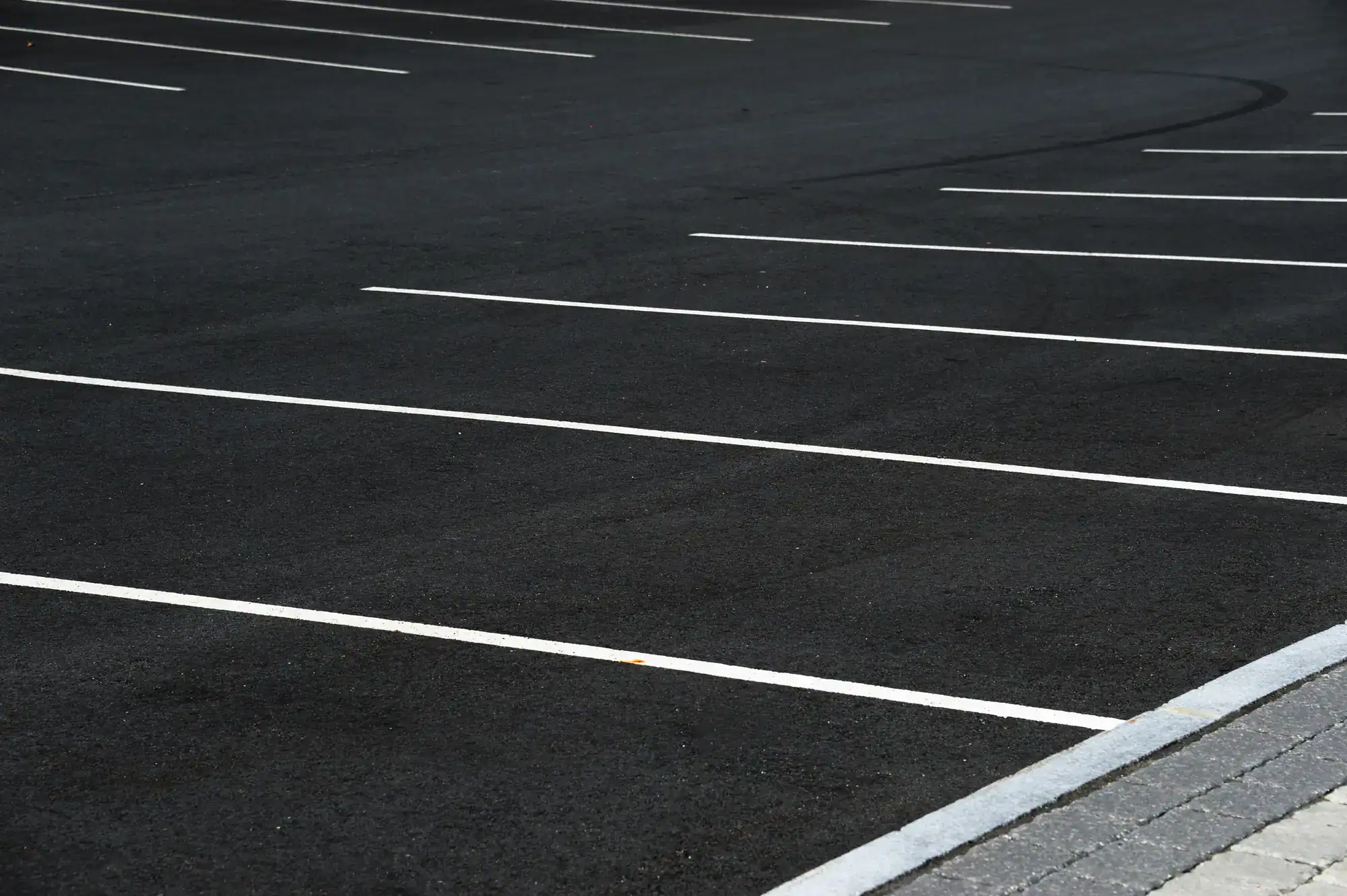
A properly applied sealcoat on a residential driveway typically lasts between two and five years, depending on traffic, climate exposure, and the quality of the application. For most homeowners in Anne Arundel, Calvert, and St. Mary’s Counties, resealing every two to three years is the right interval. That cadence keeps the protective barrier intact through the seasons that do the most damage: late fall through early spring.
One thing worth knowing: more frequent isn’t better. If you sealcoat too often, you end up with excessive buildup that actually cracks and peels. We’ll be honest with you about whether your driveway needs sealing yet or whether it can wait another season.
The timing of application matters just as much as the frequency. Sealcoating requires air and pavement temperatures of at least 55°F, and the surface needs to be clean and dry. In our region, the practical window runs from roughly late April through October, with spring and early fall being the most popular times to schedule. Homeowners who wait until late summer often find contractor calendars filling up fast, so planning ahead is worth it.
New driveways need to wait before their first seal. Fresh asphalt typically needs six to twelve months to cure fully. After that, getting it sealed promptly starts the protection cycle early and can meaningfully extend the lifespan of a driveway that might otherwise begin oxidizing within its first year.
A properly maintained asphalt driveway can last twenty-five to thirty years. Without consistent maintenance, including regular sealcoating, that same driveway in a climate like ours can show serious deterioration in fewer than ten years. The math on that is hard to ignore.
The application itself is straightforward, but the preparation is where most of the work happens, and where the difference between a professional job and a rushed one becomes obvious months later.
Before any sealer touches the surface, the driveway needs to be thoroughly cleaned. That means pressure washing to remove dirt, debris, and any loose material. Oil spots from vehicles need to be treated separately: sealcoating doesn’t bond well over petroleum stains, and skipping this step is one of the most common shortcuts low-quality contractors take. Any existing cracks need to be filled and allowed to cure. If the prep work isn’t done right, the sealer won’t adhere properly and you’ll see it failing within a season.
Once the surface is ready, we apply the sealer using professional-grade equipment, either spray or squeegee application, depending on the surface and conditions. The goal is even, consistent coverage without pooling or thin spots. After application, the driveway needs time to cure before it sees foot or vehicle traffic. Typically that’s twenty-four to forty-eight hours, though conditions like humidity and temperature affect the timeline.
What you’re left with, when the job is done properly, is a surface that looks noticeably better (that deep, rich black color restored) and a driveway that’s genuinely protected against the elements rather than just cosmetically refreshed. The difference between a professionally sealed driveway and a DIY application from a big-box store isn’t subtle. Consumer-grade products applied without proper prep simply don’t bond or last the same way. The longevity gap between the two approaches is real, and over a ten-year maintenance cycle, it adds up.
Want live answers?
Connect with a Edward Smith Paving expert for fast, friendly support.
Maryland’s own government has described driveway sealcoating as one of the most prevalent home improvement scams in the state. That’s not alarmist language; it reflects a real and documented pattern of unlicensed operators approaching homeowners, collecting payment, and applying products that offer no real protection. In some cases, what’s been applied is little more than black paint.
The single most important thing to verify before hiring any sealcoating contractor in Anne Arundel, Calvert, or St. Mary’s County is whether they hold an active MHIC license: a Maryland Home Improvement Commission license. It’s legally required for driveway work. It requires two or more years of documented experience, a licensing exam, and $50,000 in liability insurance. And it backs you with the MHIC Guaranty Fund, which can recover up to $30,000 if a licensed contractor fails to perform.
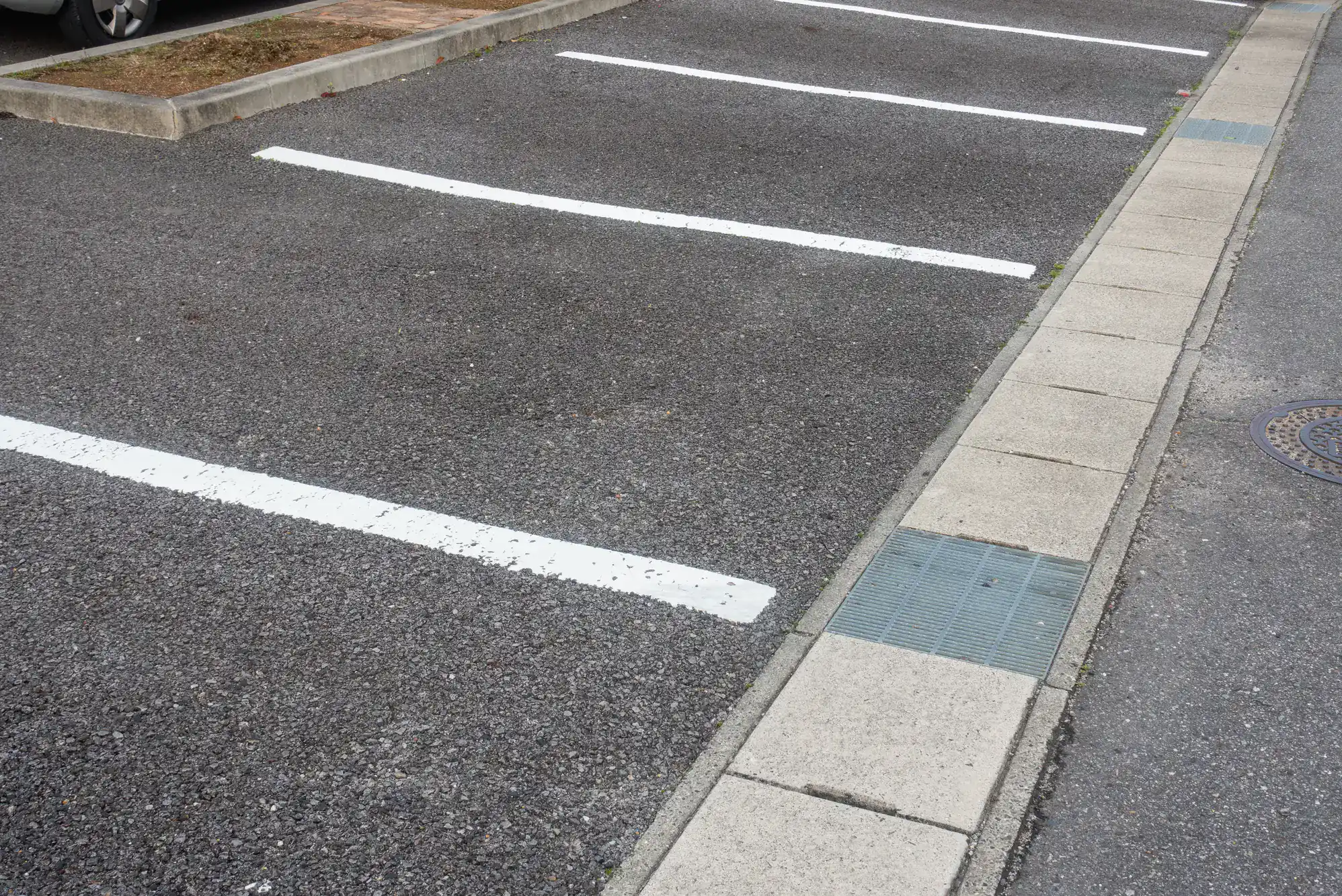
Knowing what to look for makes the vetting process a lot faster. The MHIC license number should be easy to find on the contractor’s website, their business card, or their written estimate. If it’s not visible and they can’t provide it when asked, that’s your answer. You can verify any MHIC license number directly through the Maryland Department of Labor’s online database. Beyond licensing, look for a contractor who gives you a written quote that spells out exactly what’s included: surface prep, crack repair, number of coats, and any warranty terms. Verbal agreements in this industry are a risk. A contractor who’s confident in their work puts it in writing. Reviews matter, but context matters more. Look for recent reviews that describe specific outcomes instead of just star ratings. A pattern of customers mentioning that the crew showed up on time, communicated clearly, and that the work held up over multiple seasons tells you more than a generic five-star comment.
One more thing worth saying plainly: the lowest bid is rarely the right choice for sealcoating. The margin for cutting corners is significant in this trade (diluted sealer, skipped prep, and no crack repair) and the results won’t show up until months later when the sealer starts peeling or cracking. A fair, mid-range quote from a licensed and insured contractor with verifiable reviews is almost always the better value over a multi-year maintenance cycle.
We’ve been doing this work for over forty years and have paved more than 5,000 driveways across Anne Arundel, Calvert, and St. Mary’s Counties. We hold MHIC License #159766, carry full liability insurance, and are BBB Accredited with an A+ rating. When homeowners in Annapolis, Prince Frederick, Leonardtown, Pasadena, Dunkirk, or Lexington Park call us, they know exactly who they’re dealing with before we ever show up.
Can sealcoating fix the cracks in my driveway?
No, and any contractor who tells you otherwise is oversimplifying. Sealcoating is a surface coating, not a structural repair. Cracks need to be filled and repaired before sealer is applied. The good news is that crack filling is a standard part of our professional sealcoating prep, so if your driveway has minor to moderate cracking, we can typically address it in the same visit before the sealer goes down.
How much does driveway sealcoating cost? For a typical residential driveway in Anne Arundel, Calvert, or St. Mary’s County, professional sealcoating generally runs between $250 and $900, depending on size and condition. That compares to $4,200 to $9,000 or more for a full driveway replacement. Resealing every two to three years over a decade costs a fraction of what one replacement would run, and it keeps you from ever needing that replacement prematurely.
Does my driveway really need sealcoating, or is this just a sales pitch?
It depends on the condition of your driveway and when it was last sealed. If it’s been more than three years, the surface looks faded or gray, and you’re seeing minor surface cracking, sealcoating is likely a sound investment. If the driveway has deep structural damage, heaving, or base failure, sealcoating won’t solve that, and we’ll tell you so.
Does the weather in Anne Arundel, Calvert, and St. Mary’s Counties make sealcoating more important?
Honestly, yes. These three counties get roughly forty inches of rain per year, twenty inches of snow near the Bay, and go through repeated freeze-thaw cycles every winter. Add in the road salt used heavily throughout the region and the intense UV exposure during Maryland summers, and you have one of the more demanding environments for unprotected asphalt on the East Coast. Sealcoating isn’t optional maintenance here; it’s what keeps a driveway from aging out in a decade instead of lasting twenty-five to thirty years.
How long do I have to stay off the driveway after sealcoating?
Foot traffic is usually safe after twenty-four hours. Vehicle traffic typically needs to wait forty-eight hours, though we’ll give you a specific window based on the weather conditions at the time of application. Cooler temperatures and higher humidity extend curing time; warm, dry conditions speed it up.
Sealcoating is one of the most straightforward ways to protect a significant investment. In a market like Anne Arundel, Calvert, and St. Mary’s Counties, where property values are high and the climate is genuinely hard on pavement, it’s not a service worth cutting corners on.
The right contractor will be licensed, insured, transparent about what the job includes, and honest with you if your driveway needs something other than sealcoating first. Those things shouldn’t be hard to find, but they’re worth verifying before you commit. Regardless of your timeline, if you are in Anne Arundel, Calvert, or St. Mary’s County and want a straightforward assessment of what your driveway actually needs, we’re happy to take a look. No pressure, no overselling: just an honest quote from a contractor who’s been doing this work in this region for a long time.
Summary:
Share: