Before you hire a paving contractor in Anne Arundel County, Calvert County, or St. Mary's County, here's what you actually need to know — no fluff, no pressure.
If you’ve never hired a paving contractor before — or haven’t in fifteen or twenty years — it’s a surprisingly confusing process. The bids look different, the terminology is unfamiliar, and there are enough horror stories floating around to make anyone hesitant. That’s not a knock on you. It’s just how this industry works, and it’s why so many people put off a project they know they need.
This page exists to answer the questions you’re probably already asking. Not with sales language, but with straight answers — the kind that help you make a confident decision, whether you end up calling us or not.
In Maryland, any contractor performing paving work on a residential property is legally required to hold an MHIC license — that’s a Maryland Home Improvement Commission license. It’s not optional, and it’s not just a formality. Holding one means the contractor is registered with the state’s Guaranty Fund, which provides a financial safety net for homeowners if something goes wrong.
You can verify any MHIC license number directly on the Maryland DLLR website in about two minutes. Edward Smith Paving holds MHIC License #159766. We mention that not to check a box, but because we think you should verify it — and verify it for every contractor you’re considering.
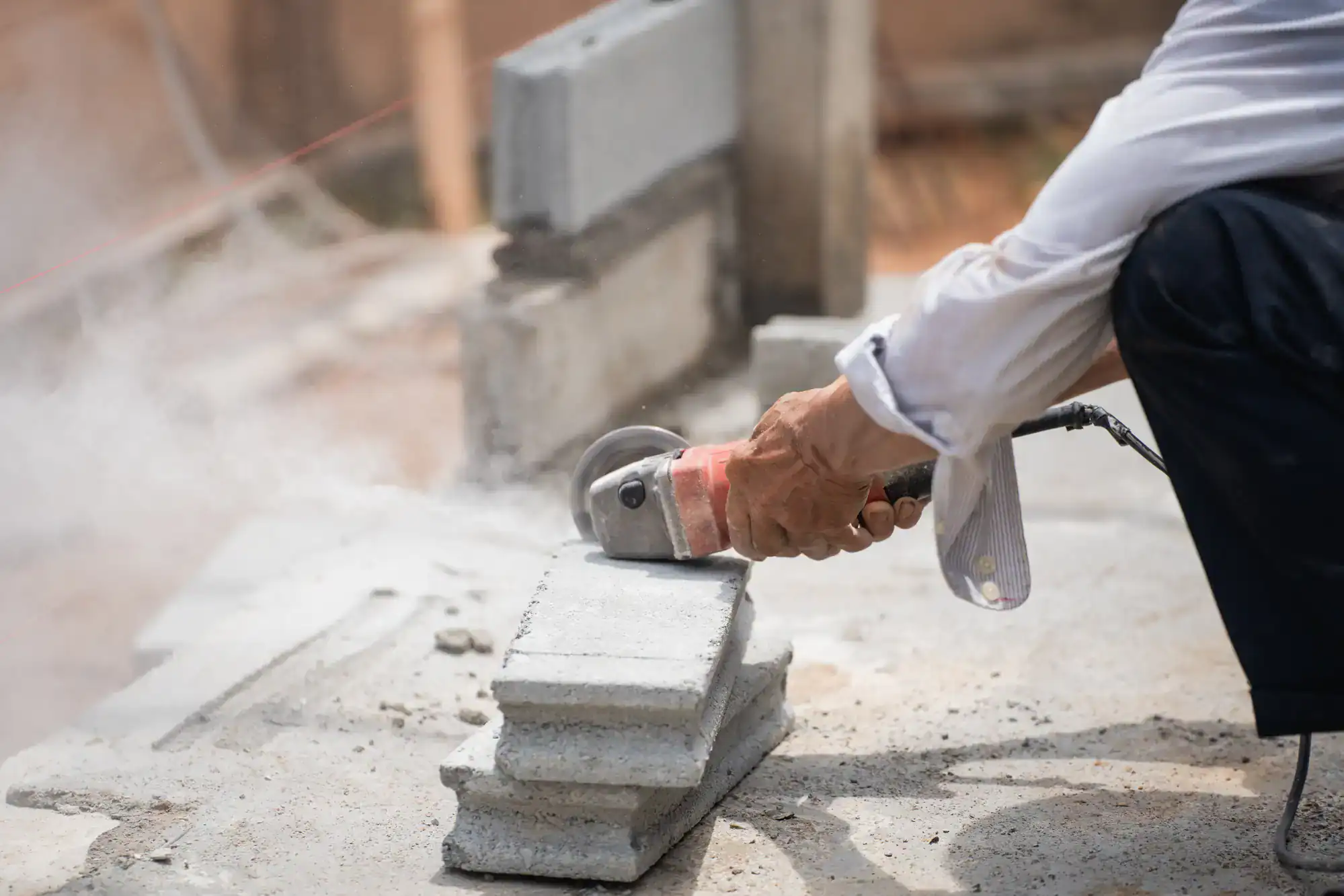
Paving scams are more common than most people realize, and Anne Arundel County, Calvert County, and St. Mary’s County are not immune. The BBB has documented individual losses of $5,000 to over $8,000 from fraudulent paving contractors — and the patterns tend to repeat. Someone shows up at your door, says they have leftover asphalt from a nearby job, offers a deal that feels too good to pass up, and asks for full payment upfront before a single shovel hits the ground.
Reputable asphalt paving contractors don’t operate door-to-door. If someone you didn’t contact shows up offering a discounted driveway or parking lot job, ask for their MHIC license number and look it up before the conversation goes any further. Don’t let anyone pressure you into starting work immediately.
Beyond the door-to-door pitch, there are other red flags worth knowing. A dramatically lower bid than everyone else is rarely a stroke of luck — three contractors with similar experience and qualifications should bid within about 10% of each other on the same scope of work. A bid that’s 30 or 40 percent lower almost always means something is being cut: base preparation, material quality, or proper compaction. You won’t know it at the time, but you’ll know it in two winters when freeze-thaw cycles in this region start breaking down the surface.
A legitimate contractor will also provide a written estimate before any work begins. That estimate should spell out the asphalt mix, compacted thickness, base depth, project timeline, payment schedule, and warranty terms. If there are blanks in the contract or the scope of work is vague, that’s a problem. And if anyone asks for the full project cost upfront in cash, walk away.
The good news is that verifying a legitimate contractor takes very little time. MHIC license on the DLLR site, BBB accreditation check, proof of general liability insurance and workers’ compensation — these are the non-negotiables, and any honest contractor will hand them over without hesitation.
Most people picture paving as one day of activity — a crew shows up, lays asphalt, and leaves. The reality is a bit more involved, and understanding the process helps you evaluate whether a contractor is doing the job right.
It starts with an in-person assessment. A qualified contractor needs to evaluate the existing surface and subbase — not just what you can see on top. Surface cracks, heaving, and drainage problems are often symptoms of what’s happening underneath, and a contractor who only looks at the surface may miss the actual cause of the failure.
This is especially true in Calvert County and St. Mary’s County, where clay-heavy Chesapeake Bay watershed soils can shift seasonally and compromise subbase stability in ways that aren’t always obvious. In Anne Arundel County, similar soil conditions mean proper grading and drainage assessment aren’t optional — they’re essential to building a surface that lasts.
After the assessment, you should receive a detailed written proposal. Once the project is approved and scheduled, the crew will handle any necessary removal of the existing surface, subbase preparation and grading, and then the asphalt installation itself. Proper grading is critical — particularly for commercial parking lots, where poorly engineered drainage leads to standing water that freezes into hazards every winter in this region.
Compaction is where a lot of lower-quality jobs fall short. Asphalt that isn’t properly compacted will fail faster, full stop. After installation, there’s a curing period before the surface is ready for full traffic. For residential driveways, you’ll typically be asked to stay off the surface for at least 24 to 48 hours; commercial surfaces have their own timeline depending on traffic volume.
A properly installed asphalt surface — with the right base, the right mix, and proper compaction — can last 20 to 30 years. That’s not a marketing claim. It’s what the material is capable of when the job is done correctly. A patched-together job done with inferior materials or inadequate base preparation will need to be redone far sooner, and the cost of doing it twice always exceeds the cost of doing it right the first time.
Want live answers?
Connect with a Edward Smith Paving expert for fast, friendly support.
Whether you’re managing a commercial property in Lexington Park, maintaining a parking lot near Prince Frederick, or just trying to figure out when to reseal your driveway in Annapolis, the questions below come up constantly. We’ve answered them as directly as we can.
The timing question alone trips up a lot of buyers. Asphalt requires ambient temperatures consistently above 50°F for proper compaction and curing. In this region, that window runs roughly from April through October. If you’re reading this in the fall and thinking about a spring project, start the conversation now — scheduling fills up faster than most people expect.
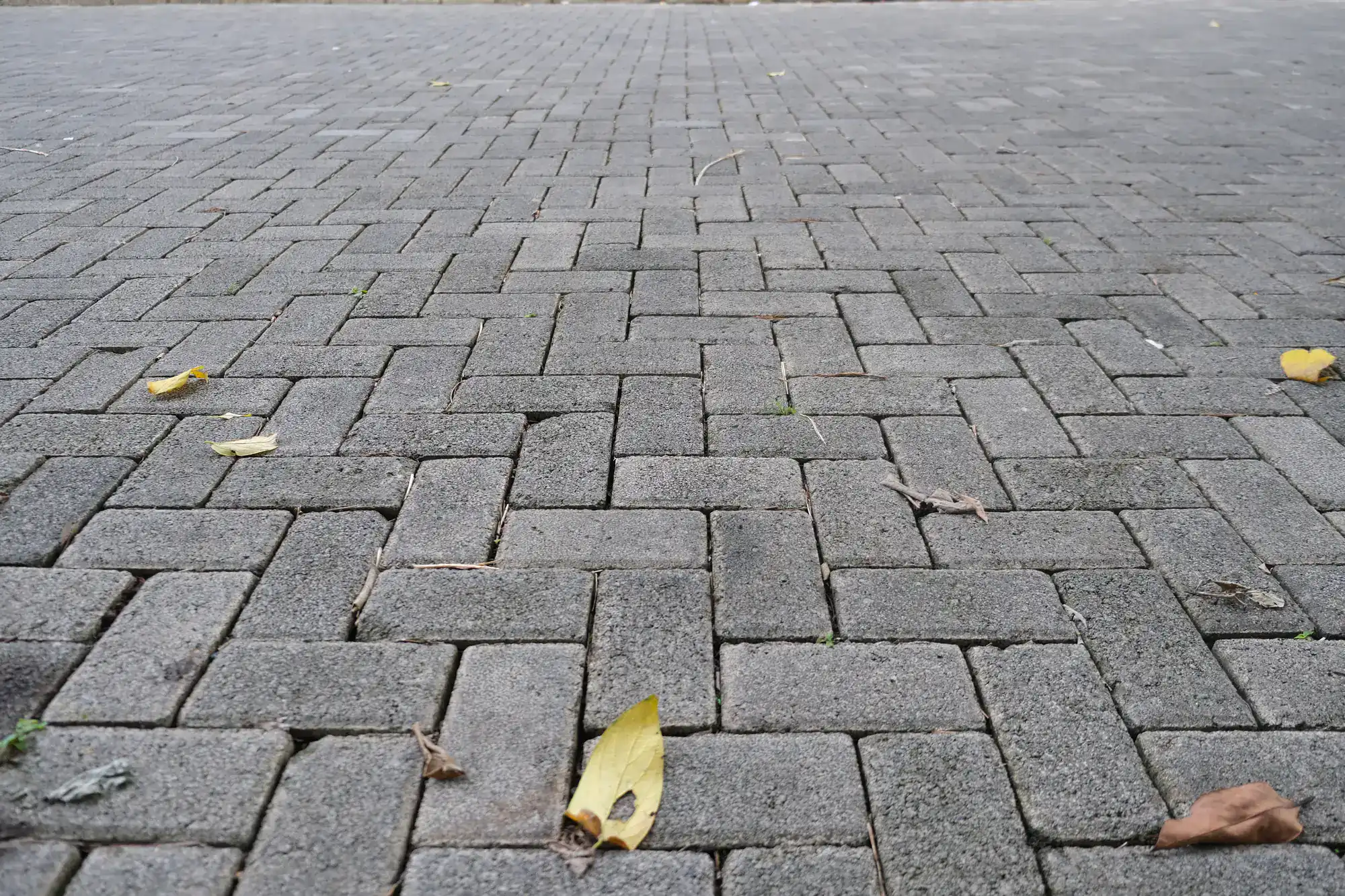
This is one of the most common questions we get from commercial property owners and property managers, and it’s worth answering honestly: not every deteriorated parking lot needs to be torn out and rebuilt from scratch.
Crack sealing and patching are appropriate when the underlying structure is sound and the damage is isolated. If you’re dealing with a few problem areas on an otherwise solid surface, targeted repairs can extend the life of the lot meaningfully. Resurfacing — laying a new layer of asphalt over the existing surface — can also be a cost-effective option when the subbase is stable and the existing pavement is in reasonable structural condition.
Full reconstruction becomes necessary when the damage is widespread, when you’re seeing what’s called alligator or fatigue cracking across large sections of the surface, when there’s significant heaving or drainage failure, or when the subbase itself has deteriorated. In those cases, resurfacing is essentially putting new paint on a crumbling wall — it delays the problem without solving it.
The honest answer is that you can’t make this call from a photo or a description. It requires someone walking the lot, assessing the surface and subbase conditions, and giving you a straight read on what’s actually needed. We’ve been doing this in Anne Arundel County, Calvert County, and St. Mary’s County for over 40 years, and we’ve paved more than 5,000 driveways and parking surfaces across this region. When we tell you what a lot needs, it’s based on what we actually see — not on what generates the largest project scope.
For commercial property owners managing properties near NAS Patuxent River or in the Lexington Park and California area of St. Mary’s County, there’s an additional consideration: ADA compliance. Parking lot reconstruction or significant resurfacing is often the right moment to bring accessible spaces, van-accessible stalls, curb ramps, and compliant striping up to current ADA Title III standards. Failing to do so can expose property owners to civil liability with penalties reaching $100,000 per offense. It’s not something to overlook when you’re already investing in the surface.
Sealcoating is the single most cost-effective maintenance step you can take for any asphalt surface, and Maryland’s climate makes it more important here than in many other parts of the country.
Here’s why. Asphalt oxidizes over time — UV exposure from Maryland’s hot summers causes the surface to become brittle, which leads to cracking. Water infiltrates those cracks, and when it freezes in a Chesapeake-region winter, it expands and widens them. Add in the oil, gasoline, and deicing salts that accumulate on driveways and parking lots, and you have a combination of stressors that accelerates deterioration faster than most people realize.
Sealcoating creates a protective barrier against all of it. It shields the surface from UV degradation, repels water before it can work into cracks, resists chemical spills, and restores the surface’s appearance with a fresh, dark finish that also makes striping easier to read. It also fills small surface imperfections before they become larger structural problems.
The general industry standard for sealcoating intervals is every two to three years for surfaces under regular use. For high-traffic commercial parking lots, you may want to lean toward the shorter end of that range. For residential driveways with moderate use, every two to three years is typically sufficient. The key is not waiting until you can see visible damage — by that point, you’re managing deterioration rather than preventing it.
For waterfront properties along the Chesapeake Bay, the Patuxent River, or the Potomac River in Calvert and St. Mary’s counties, salt air adds an additional layer of surface stress that makes regular sealcoating even more valuable. It’s a relatively small investment compared to the cost of premature resurfacing or full replacement.
One note on timing: sealcoating, like paving, requires temperatures above 50°F and dry conditions to cure properly. In this region, that means scheduling within the same April-through-October window. Don’t wait until November to call about a sealcoating project — you’ll be looking at spring at the earliest.
The short version of everything above: verify the license, read the written estimate carefully, ask about base preparation and drainage, and don’t let price alone drive the decision. A surface that’s installed correctly lasts 20 to 30 years. One that isn’t will cost you again far sooner than it should.
We’ve been paving driveways and parking lots across Anne Arundel County, Calvert County, and St. Mary’s County for over 40 years. More than 5,000 completed projects in this region. Our MHIC License #159766 is verifiable on the Maryland DLLR website, and our BBB A+ accreditation means a third party has verified how we do business.
If you have questions or you’re ready to get a free quote, Edward Smith Paving is a straightforward call or message away. No pressure, no door-to-door pitch — just an honest conversation about what your property needs.
Summary:
Article details:
Share: