A parking lot project doesn't have to mean closed signs and frustrated customers. Here's how the process actually works — and what to expect from start to finish.

You’ve known for a while that your parking lot needs work. The cracks are getting wider, a pothole appeared over the winter, and a customer mentioned it last month. But every time you think about scheduling it, the same question stops you: what happens to my customers while the work is going on?
It’s a legitimate concern, especially if you run a retail shop, medical office, restaurant, or any business where foot traffic is the lifeblood. The idea of cones and construction equipment blocking your entrance feels like a problem you’re not ready to deal with. But here’s the thing — it doesn’t have to work that way.
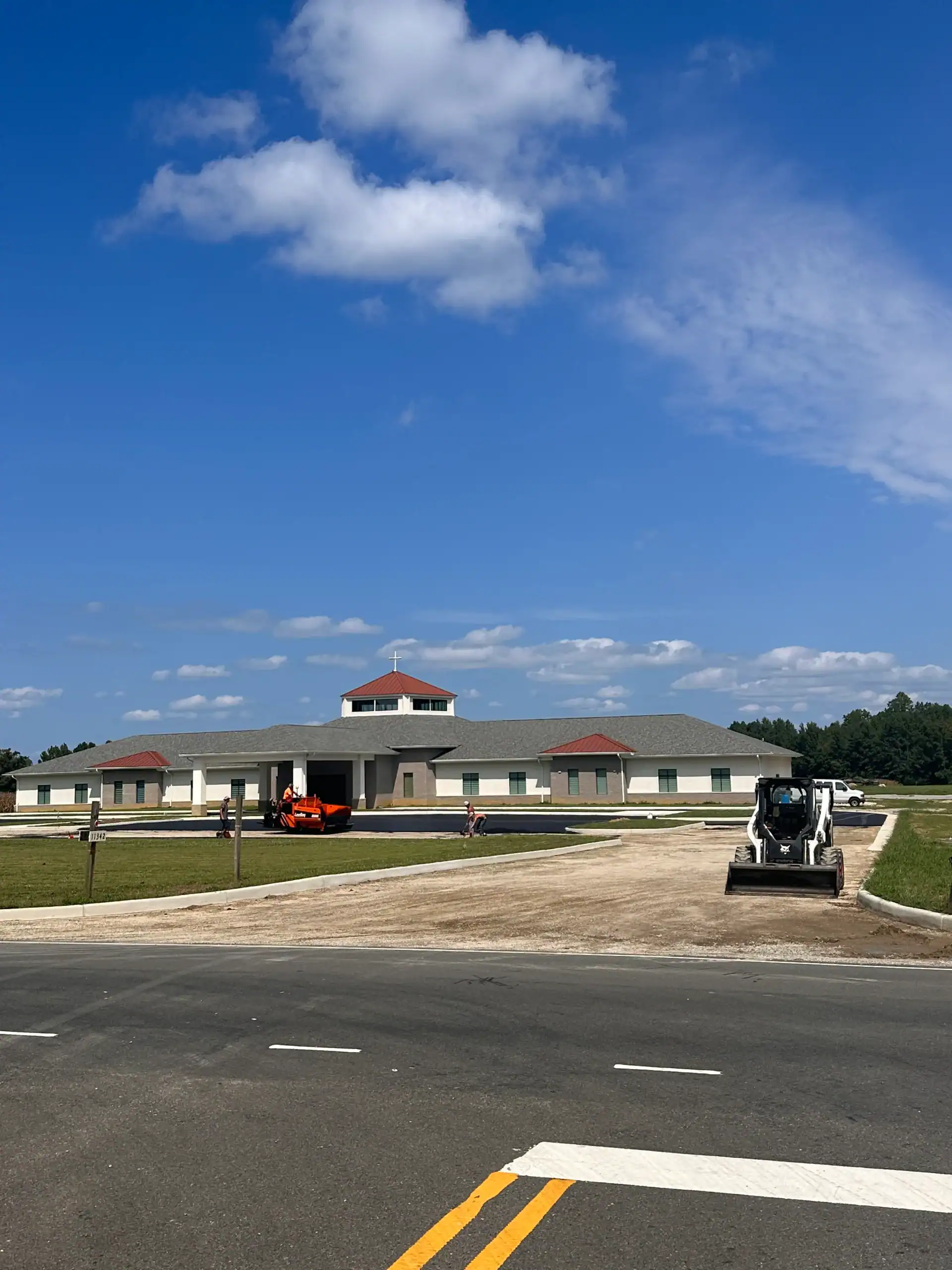
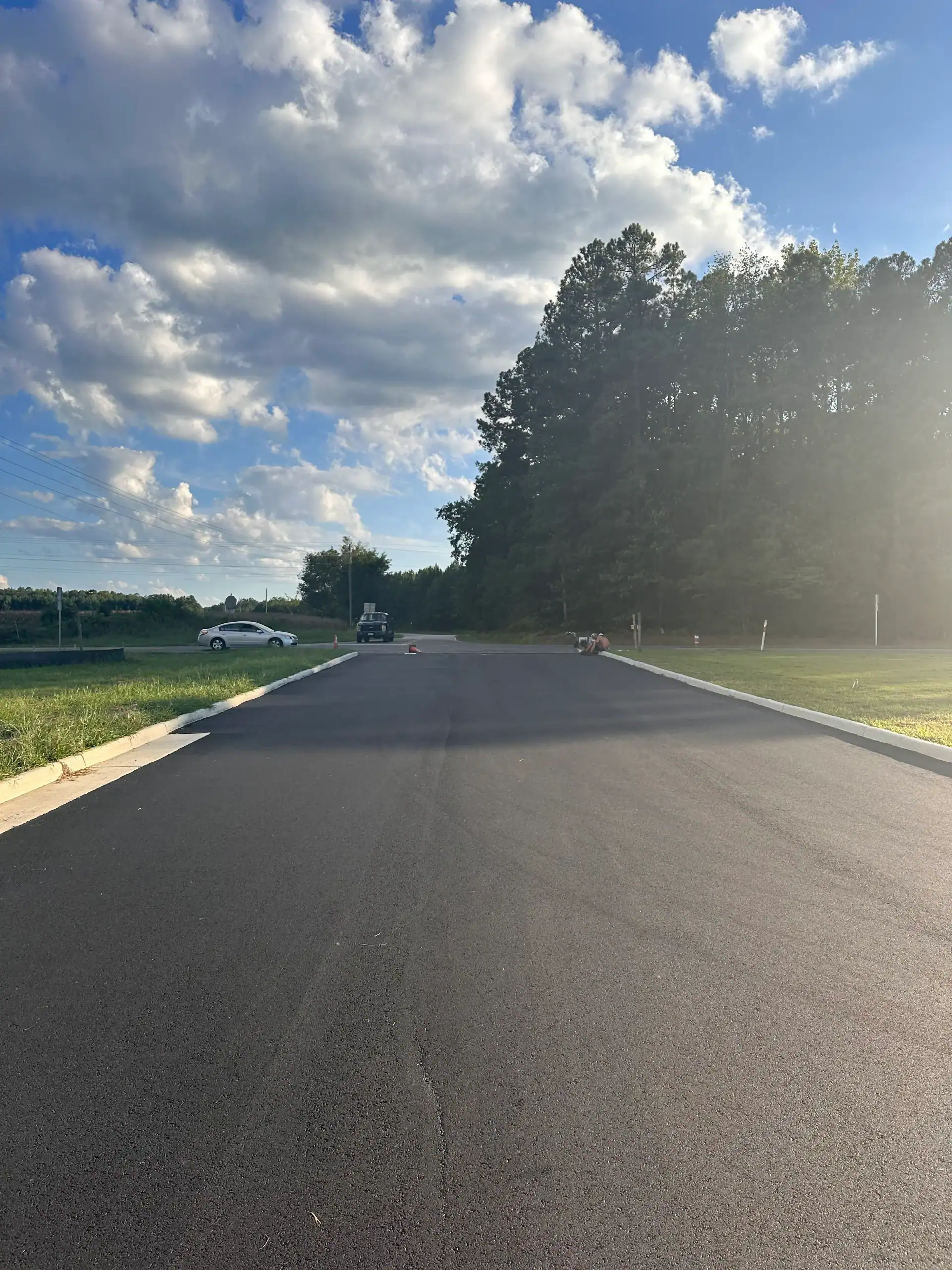
Most people picture parking lot paving as an all-or-nothing job — the whole lot gets torn up, closed off, and reopened a week later. In reality, that’s rarely how we approach it for commercial properties. The standard approach for active businesses is phased paving, which means the lot stays at least partially accessible throughout the entire project.
We divide the work into sections. One section gets paved while the rest remains open. Once that section cures — which typically takes 24 to 48 hours before light vehicle traffic — our crew moves to the next section. Your customers keep parking. Your business keeps running. The disruption is real, but it’s manageable when the project is planned properly from the start.

The specifics depend on your lot’s size, layout, and how much traffic you see on a typical day. A medical office in Crofton operates differently than a waterfront restaurant in Chesapeake Beach or a strip mall along MD-4 in Prince Frederick. That’s why the planning conversation matters as much as the paving itself.
Before any equipment shows up, we walk the site with you, understand your peak hours, and build a schedule around your business — not the other way around. If your busiest hours are Tuesday through Thursday from 10 AM to 2 PM, the heaviest work gets scheduled outside that window. If you need the entrance clear for a morning rush, that section waits until later in the project.
Off-hours scheduling is another option we offer to commercial clients, particularly in denser areas like Annapolis, Odenton, and Lexington Park where daytime traffic is constant. Evening and weekend paving adds flexibility to the timeline, but for businesses that genuinely can’t afford disruption during the week, it’s worth the conversation.
ADA-accessible spaces need special attention throughout the process. Federal law requires that accessible parking and accessible routes remain available during construction whenever reasonably possible. We build this into the plan before the first section gets milled — not as an afterthought. This is a detail that separates professional contractors from those just looking to move equipment and leave.
Communication is the part that often gets overlooked. Putting up a simple sign a few days before work starts — letting customers know what’s happening and where to park — goes a long way. It signals that the business is investing in itself, not falling apart. Most customers respond better than you’d expect when they feel informed.
This is one of the most common questions we hear, and honestly, it’s the right one to ask before committing to anything. Not every deteriorating lot needs to be torn out and rebuilt from scratch. But not every damaged lot can be saved with a coat of sealer and some patching either. The answer depends on what’s actually happening beneath the surface.
Surface-level cracking, minor potholes, and faded striping are often signs that a lot is aging but structurally sound. In those cases, targeted pothole repair, crack sealing, and a fresh sealcoat can extend the life of the pavement by several years — at a fraction of full replacement cost. Sealcoating should be reapplied every two to five years anyway, and the first application typically goes down one to two years after original installation. It’s one of the most cost-effective maintenance steps a property owner can take.
When the damage goes deeper — when you’re seeing alligator cracking across large sections, significant base failure, or areas where the pavement has started heaving or sinking — that’s a different conversation. Maryland winters are hard on asphalt. The freeze-thaw cycle that runs through Anne Arundel, Calvert, and St. Mary’s Counties every year works water into surface cracks, freezes it, expands it, and breaks apart the structure underneath. Once the base is compromised, patching the surface is just delaying the inevitable.
A mill-and-overlay — where the top layer gets ground down and replaced with fresh asphalt — is a middle option that works well when the base is still solid but the surface has reached the end of its useful life. Full-depth replacement is reserved for situations where the subgrade itself needs to be rebuilt. The right answer usually becomes clear after a proper site assessment, which we offer before quoting you a price.
A properly installed and maintained asphalt parking lot can last 20 to 25 years. The variables that determine whether your lot reaches that lifespan — or fails in ten — are mostly set during installation. Base preparation, asphalt thickness, drainage grading, and compaction are the things that matter most, and none of them are visible once the job is done. That’s why the contractor you choose matters more than most people realize.
Want live answers?
Connect with a Edward Smith Paving expert for fast, friendly support.
The paving industry has a real problem with unlicensed, underqualified operators — and Maryland is not immune to it. Door-to-door contractors offering “leftover asphalt” deals, vague verbal quotes with no written scope, and companies that take a deposit and disappear are documented issues the BBB tracks year after year.
Protecting yourself isn’t complicated, but it does require asking a few specific questions before anyone touches your property. The answers will tell you quickly whether you’re dealing with a legitimate operation or someone you’ll regret hiring.

In Maryland, any contractor performing work valued at $500 or more is required to hold a Maryland Home Improvement Commission (MHIC) license. This isn’t optional. It’s a state-mandated consumer protection requirement, and you can verify any contractor’s license status directly at maryland.gov. If a contractor can’t give you their MHIC number, or if the number doesn’t check out, that’s a hard stop.
We carry MHIC license #159766, and we’re happy for you to verify it. That license, combined with our BBB A+ accreditation, gives you a paper trail of accountability before a single piece of equipment rolls onto your property. In a market where some operators have no verifiable address, no license, and no reviews, those credentials aren’t just formalities — they’re the difference between a project that goes well and one that becomes a legal headache.
Beyond licensing, ask for proof of general liability insurance and workers’ compensation coverage. If someone gets hurt on your property and the contractor isn’t insured, the liability can fall on you. A legitimate contractor provides certificates of insurance without hesitation. One who stalls or deflects on that request is telling you something important.
St. Mary’s County and Calvert County have seen growth in out-of-area contractors following the construction activity around NAS Patuxent River and the commercial development along MD-4. Not all of them are operating with proper Maryland credentials. Asking for the MHIC number upfront is the fastest way to separate the professionals from the opportunists.
The other thing to look for is a written, itemized estimate. Not a ballpark. Not a verbal agreement. A document that spells out what’s being removed, what’s being installed, the asphalt thickness, the base preparation approach, and what the final surface will look like. If a contractor resists putting the scope in writing, that’s a red flag regardless of how good their pitch sounds.
Price differences between paving quotes are real, and they’re usually there for a reason. The variables that most affect long-term pavement quality — base depth, asphalt thickness, proper drainage grading, and compaction — are also the easiest places for a contractor to cut corners without you ever knowing until the pavement starts failing.
Commercial parking lots typically require four to six inches of asphalt, sometimes more in areas with heavy truck traffic or delivery vehicles. The base layer beneath that — compacted aggregate — needs to be properly graded for drainage before a single inch of asphalt goes down. Standing water is the fastest way to shorten a parking lot’s life, and it’s especially problematic in the low-lying, moisture-heavy areas near the Chesapeake Bay that define much of Anne Arundel and Calvert Counties.
When you’re comparing quotes, ask each contractor specifically about base preparation. Ask what thickness they’re specifying and why. Ask how they handle drainage. A contractor who can answer those questions in plain terms — without getting defensive — knows what they’re doing. One who glosses over them or gives you a vague answer is worth pressing harder.
We’ve been paving in this region for over 40 years, and we’ve repaved lots that were installed by contractors who skipped the base work to come in cheaper. It’s not a theoretical risk. It’s something we see regularly when a property owner calls us because their three-year-old parking lot is already failing. The cost of doing it right the first time is always less than the cost of doing it twice.
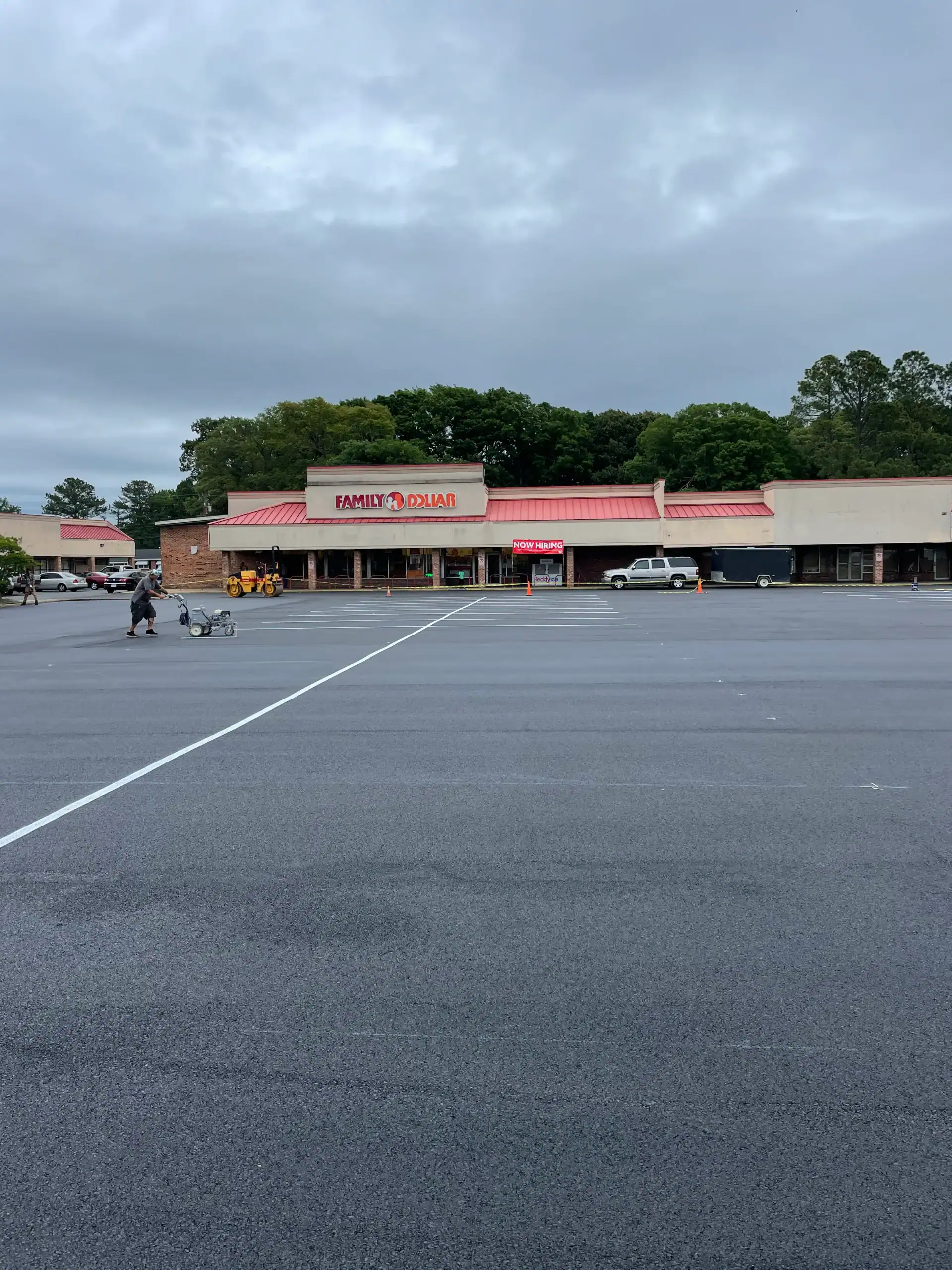
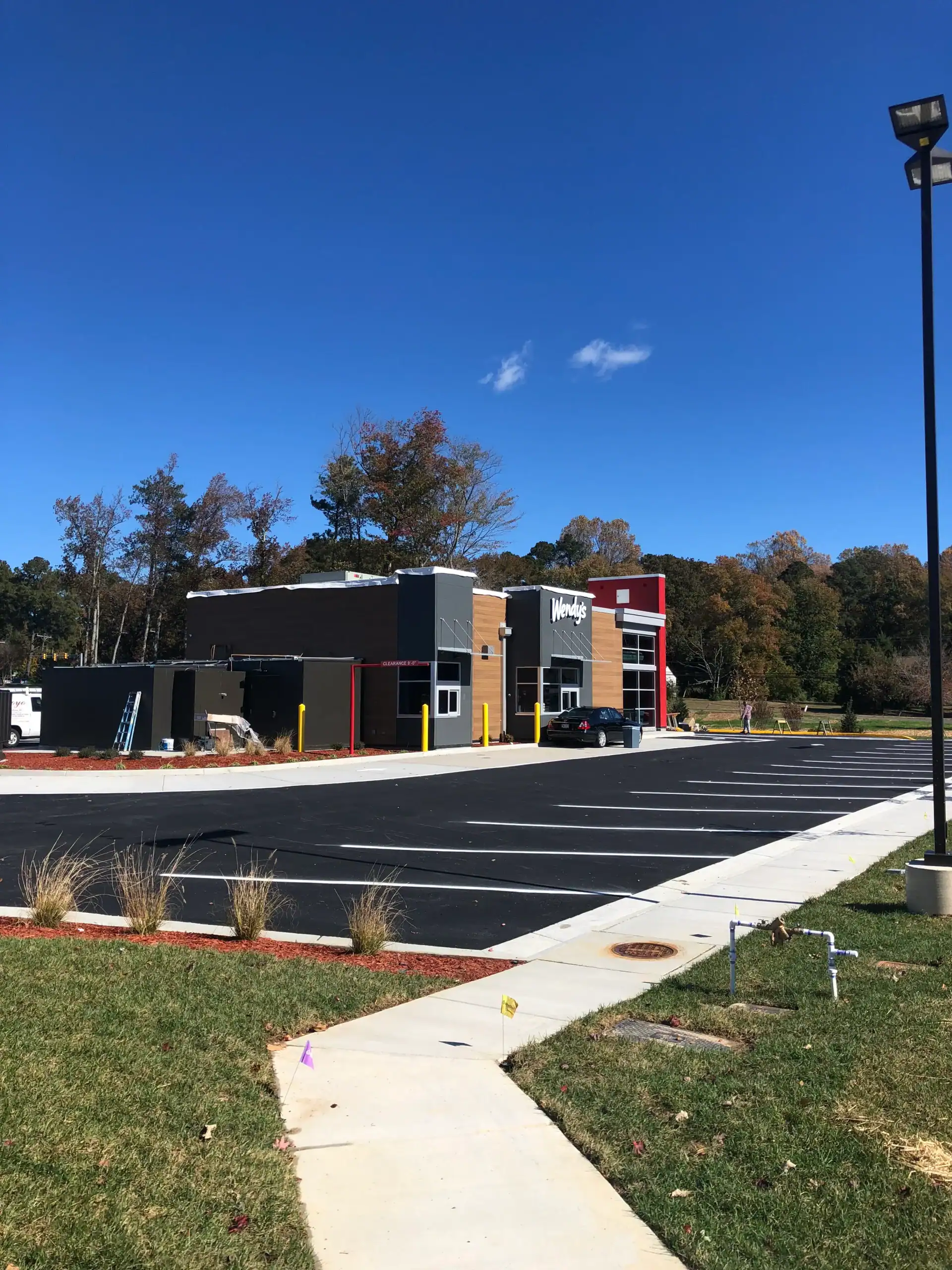
After the paving is done, parking lot striping and ADA compliance are the finishing details that complete the job. Properly dimensioned accessible spaces, correct signage, and clearly marked traffic flow aren’t just aesthetic choices — they’re legal requirements for commercial properties, and getting them wrong creates real liability exposure. We handle striping as part of our full-service commercial work, so nothing gets handed off to a second contractor or left as an afterthought.
If your parking lot has been on your to-do list for a while, the most important thing to know is that the disruption concern — the one that keeps most business owners from pulling the trigger — is solvable. Phased paving, smart scheduling, and clear communication with your customers make a significant difference in how the project actually feels while it’s happening.
What matters most is who you hire. A contractor with real credentials, a local presence, and a process that starts with listening to how your business operates will deliver a different result than one who shows up with a low number and no plan.
Edward Smith Paving has been doing this work across Anne Arundel, Calvert, and St. Mary’s Counties for decades. If you want a straight answer about what your lot actually needs — and an honest conversation about how to get it done without turning your business upside down — reach out and we’ll start there.
Summary:
Article details:
Share: