Hear from Our Customers
Most asphalt problems in Annapolis don’t start with bad pavement they start with the wrong contractor. Someone who doesn’t account for the freeze-thaw cycles that hit this area 10 to 20 times every winter, or the bay-spray salt that works its way into surface cracks along waterfront neighborhoods like Eastport and Admiral Heights. By the time you’re seeing visible damage, the deterioration has usually been building for a season or two underneath.
When asphalt is installed and maintained correctly for this specific environment, you get a surface that actually lasts. Properly graded, properly sealed, and built on a base layer that doesn’t shift when the ground freezes and thaws. For homeowners in Annapolis where median home values sit above $660,000 that’s not a small thing. A driveway that’s cracked, stained, or crumbling doesn’t just look bad. It chips away at the curb appeal and property value you’ve worked to protect.
For commercial properties along the Forest Drive corridor, near the State House, or in the Parole area, the stakes are different but just as real. Faded striping, deteriorating lot surfaces, and ADA compliance gaps create liability exposure and a poor first impression for every customer or visitor who pulls in. Good pavement is quiet infrastructure you only notice it when it fails.
We’ve been a licensed Maryland asphalt contractor for over 40 years. That’s not a marketing number it means we’ve worked through dozens of Maryland winters, navigated Anne Arundel County’s permitting requirements, and built a track record that holds up to scrutiny. Our MHIC License #159766 is publicly verifiable through the Maryland Department of Labor, and we carry it on every job.
We’re a family-owned operation, which means our name is attached to every driveway, every parking lot, and every sealcoating job we complete. In a city like Annapolis where the Historic District, the Naval Academy, and the Chesapeake Bay Critical Area all create real project-specific considerations that accountability matters. We know this area, we know its regulations, and we know what asphalt actually needs to survive here long-term.
If you’re comparing contractors, look for the license number. Ask what they know about Critical Area impervious surface rules. Ask whether they’ve worked near the Historic District. Those questions separate contractors who know Annapolis from those who just service it on a map.
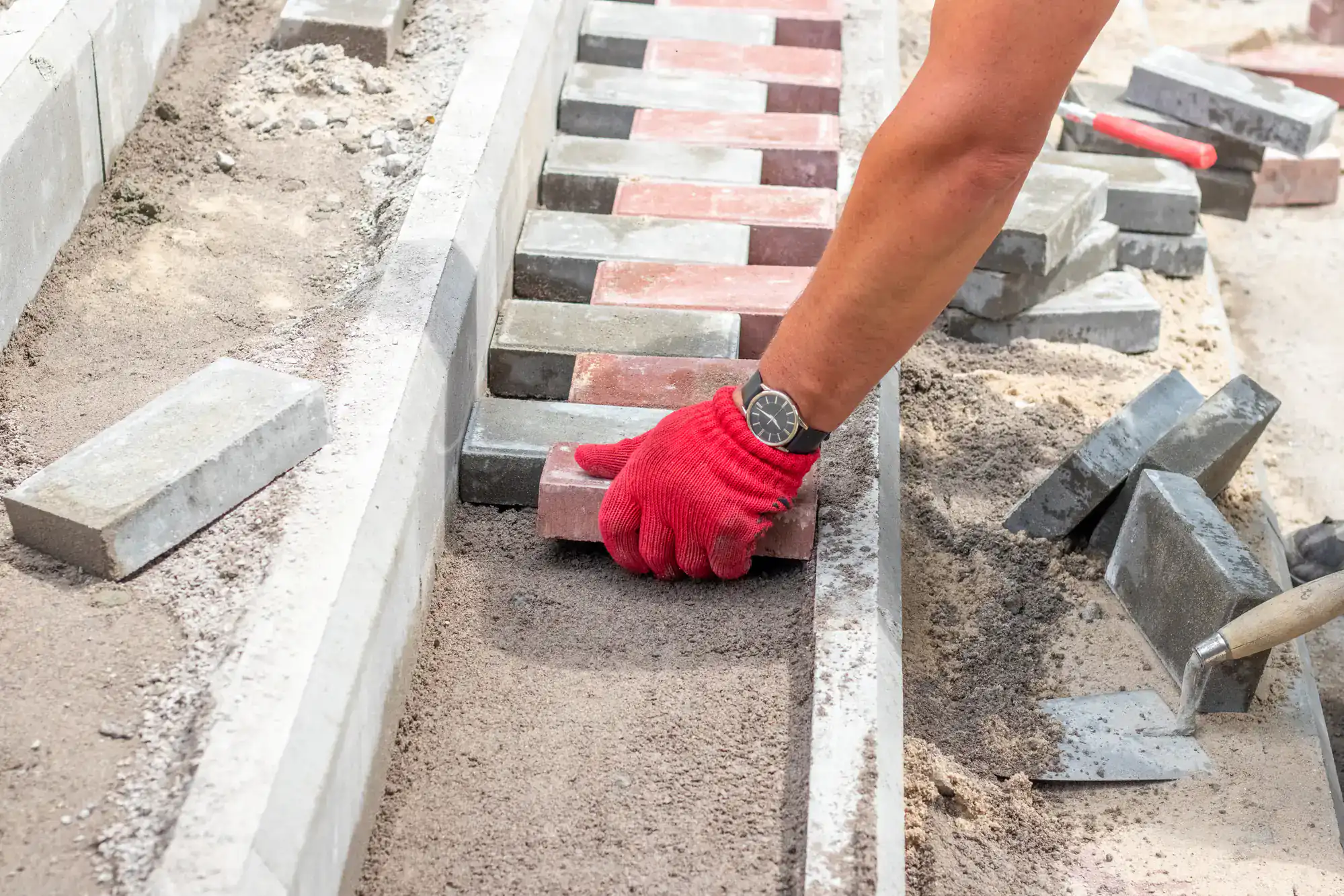
It starts with an on-site assessment. Before any equipment shows up, we look at what you’re working with existing pavement condition, drainage, base integrity, and any access considerations specific to your property. If you’re in a neighborhood near the Historic District or a waterfront area subject to Chesapeake Bay Critical Area regulations, we’ll flag any permit or review requirements upfront so there are no surprises mid-project. Anne Arundel County also has a single-driveway rule for residential properties, and we’ll walk you through what that means for your specific project if it applies.
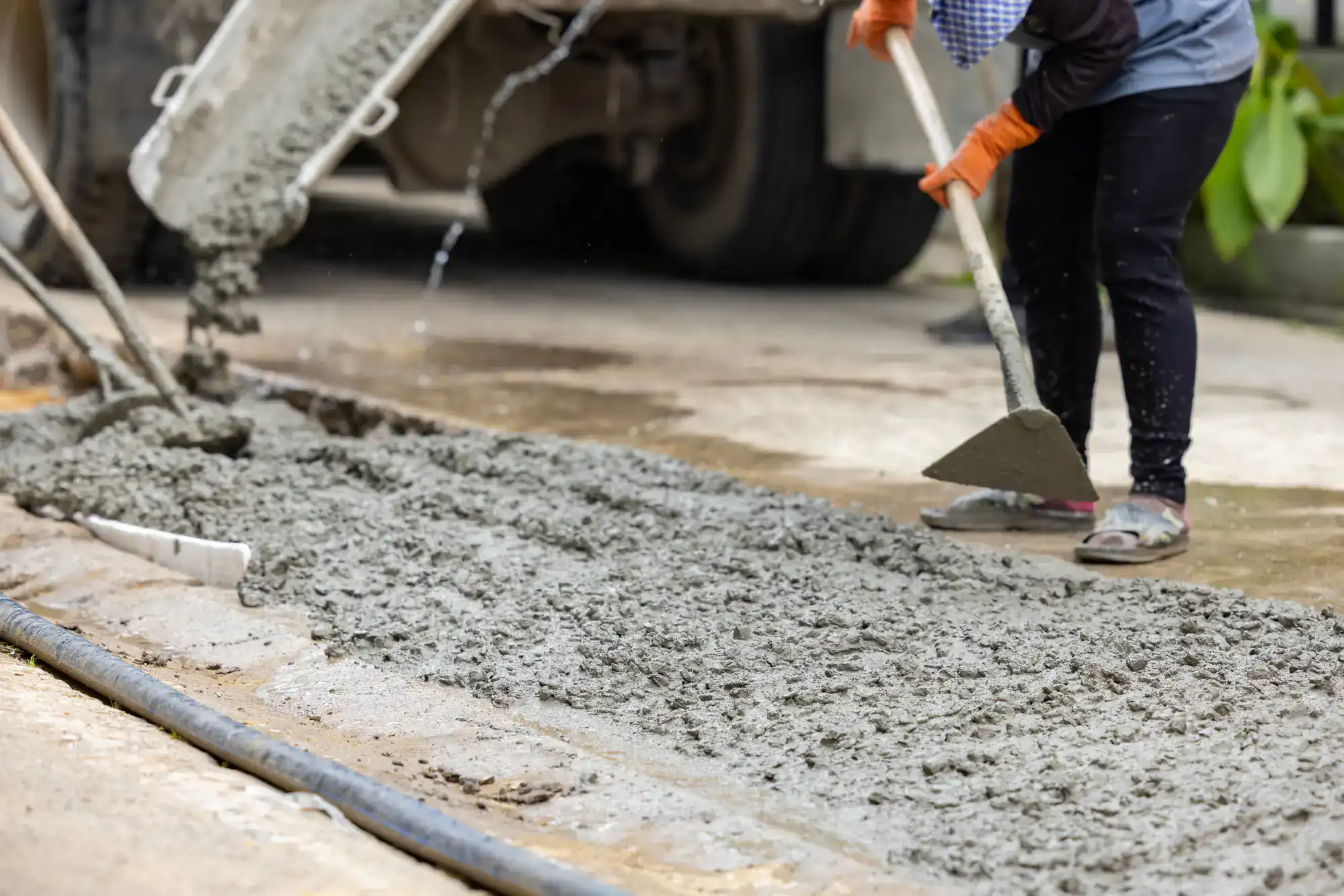
From there, we handle site prep which is where most contractors cut corners and most failures start. That means proper grading for drainage, removal of deteriorated material, and base layer preparation to the correct depth. For residential driveways, that’s typically two to three inches of compacted base. For commercial lots handling heavier traffic, it goes deeper. The asphalt goes down in lifts, compacted properly at each stage, and finished to a clean, consistent surface.
Timing matters in Annapolis. The best window for paving and sealcoating runs from April through October, when temperatures stay reliably above 50°F. If you’re managing a commercial property, we’ll also work around your traffic and business hours so the job doesn’t shut you down. Once the work is complete, we walk the site with you before we leave.
Ready to get started?
We handle the full lifecycle of asphalt not just one piece of it. New asphalt driveway installation, commercial parking lot paving, sealcoating, crack filling, parking lot striping, and ongoing maintenance programs. For Annapolis property owners, that matters because the coastal environment here demands a maintenance approach, not just a one-time installation. Sealcoating every three to five years isn’t optional in a city where bay-spray salt and summer UV hit pavement from two directions simultaneously.
On the residential side, we work with homeowners across Annapolis neighborhoods from West Annapolis and Murray Hill to the waterfront streets of Eastport installing and maintaining driveways that hold up through Maryland’s full seasonal cycle. If your property falls within the Chesapeake Bay Critical Area, we’ll help you understand what’s permitted before you commit to a project scope.
For commercial clients, our parking lot paving and striping services are built around what property managers in Annapolis actually need: ADA-compliant accessible space markings, clear traffic flow striping, and a maintenance plan that extends lot life instead of just patching problems. Whether you’re managing office space near the State House, a restaurant on the waterfront, or a retail property in the Parole area, a well-maintained lot is part of how your business shows up. We treat it that way.
It’s a real factor, and most homeowners don’t think about it until they’re already dealing with damage. Annapolis sits at the mouth of the Severn River on the Chesapeake Bay, which means asphalt surfaces here are exposed to salt-laden air and elevated humidity that accelerate surface oxidation. That oxidation makes asphalt brittle faster than it would become in an inland Maryland community and brittle asphalt cracks earlier, especially under freeze-thaw stress.
The combination of bay-spray salt and Maryland’s 10 to 20 freeze-thaw cycles per winter is what drives the accelerated deterioration you see on driveways and parking lots in waterfront neighborhoods like Eastport and Admiral Heights. Sealcoating is the most effective defense it creates a barrier that slows moisture and salt penetration. In Annapolis specifically, we recommend sealcoating within the first six months of new installation and on a three-to-five-year cycle after that. Skipping it here costs more in repairs than it saves.
Residential asphalt driveway installation in the Annapolis area generally runs between $2 and $5 per square foot, depending on the size of the project, the condition of the existing surface, and whether base work is needed. A standard two-car driveway in the 600-to-800-square-foot range typically falls between $1,200 and $4,000. If you’re replacing a heavily deteriorated surface that needs significant base repair or regrading, you’re toward the higher end of that range.
In Annapolis, there are a few cost factors that don’t apply in other Maryland markets. If your property is within the Chesapeake Bay Critical Area, any project that adds new impervious surface may require additional review before work begins which can affect timeline and scope. Access constraints in or near the Historic District can also affect equipment logistics and labor time. These aren’t reasons to avoid the project; they’re reasons to work with a contractor who knows the area and can account for them in your estimate upfront rather than after the fact.
In most cases, replacing an existing driveway in kind same footprint, same surface doesn’t require a permit in Anne Arundel County. But if you’re adding a new driveway, widening an existing one, or creating a new curb cut, a Right-of-Way permit from Anne Arundel County Department of Public Works is typically required. The county also has a single-driveway rule for residential properties: you’re permitted one ingress and egress point per property. A second entrance is only allowed if your lot has at least 100 feet of road frontage, and even then it’s subject to county approval.
If your property is near the Chesapeake Bay shoreline and falls within the Critical Area, there are additional regulations limiting the addition of new impervious surfaces. And if you’re in Annapolis’s Historic District, the Historic Preservation Commission may have a say in exterior modifications depending on the scope. The short version: it depends on your specific property and what you’re doing. We’ll tell you what applies to your project before any work starts.
The reliable paving window in Annapolis runs from April through October. Asphalt needs ambient temperatures above 50°F to be laid and compacted properly, and it needs to stay above that threshold for at least 24 hours after installation. Maryland’s shoulder seasons early spring and late fall can be unpredictable enough that scheduling outside that window carries real risk of a poor result.
For commercial property managers in Annapolis, spring timing has an added layer of urgency. Commissioning Week at the Naval Academy brings a significant surge of visitors to the city each May, and the weeks leading up to it are the right time to complete crack filling, sealcoating, and any striping work before your lot is at peak use. Summer thunderstorms can also delay sealcoating it can’t be applied if rain is expected within 24 hours. Planning your project for April or early May gives you the best weather window and gets the work done before the busy season hits.
For most Maryland properties, every three to five years is the standard recommendation. In Annapolis, we lean toward the shorter end of that range for properties with direct coastal exposure particularly in Eastport, Bay Ridge, and other neighborhoods close to the water. The combination of salt air, UV oxidation from summer sun, and winter freeze-thaw stress degrades unsealed asphalt faster here than it would in an inland community.
The first sealcoating should happen within six months of new installation, once the asphalt has had time to fully cure. After that, the timing depends on how the surface looks and how much traffic it sees. A residential driveway in good condition can go four to five years between applications. A high-traffic commercial lot in the Parole area or near the Forest Drive corridor may need attention every two to three years. The goal is to sealcoat before you see cracking not after. Once water gets into cracks and starts cycling through freeze-thaw, you’re repairing damage instead of preventing it.
This is one of the most common concerns we hear from Annapolis homeowners, and it’s a fair one. Every spring and summer, traveling paving crews move through Maryland neighborhoods offering “leftover asphalt” at cash-only prices. They typically skip base preparation, use substandard materials, and are gone before the surface shows any problems. Because they’re unlicensed, you have no legal recourse when it fails.
The simplest protection is the MHIC license. Maryland law requires any contractor performing home improvement work to hold an active Maryland Home Improvement Commission license. You can verify any contractor’s license including ours, MHIC #159766 directly through the Maryland Department of Labor website. If a contractor can’t give you a license number or asks for full cash payment upfront, that’s your answer. A legitimate contractor will also provide a written estimate, carry liability insurance, and be willing to walk you through the scope of work before you commit to anything. In a city where you’re protecting a property worth $600,000 or more, those few minutes of verification are worth it.
Other Services we provide in Annapolis