
Hear from Our Customers
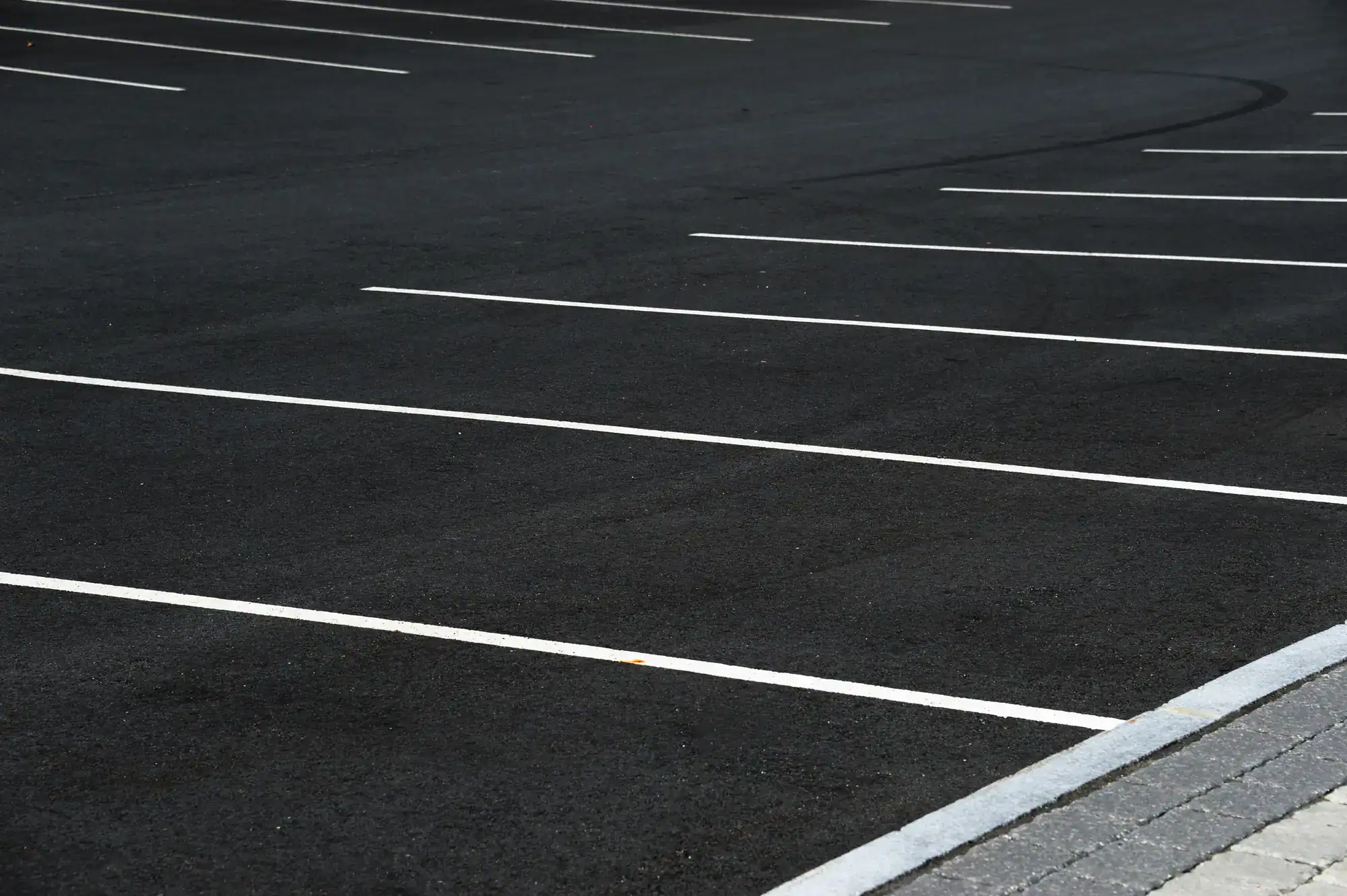
When a parking lot starts to go, it doesn’t just look bad it becomes a liability. Cracks let water in. Water freezes. And in Anne Arundel County, where temperatures cross the freezing threshold 10 to 20 times in a typical winter, that cycle does real damage fast. Every season you wait, the repair cost climbs and the timeline to full replacement shortens.
Annapolis adds another layer that most inland markets don’t deal with. Properties near the Chesapeake Bay, the Severn River, or the marina corridors in Eastport are exposed to salt air and coastal humidity year-round. That accelerates oxidation in the asphalt binder the material that holds everything together and it shows up as surface cracking, raveling, and early deterioration long before a lot in a drier climate would show the same wear.
A properly installed and maintained parking lot changes all of that. You get a surface that handles traffic loads without breaking down, drainage that moves water off the lot instead of letting it pool and penetrate, and a finished appearance that tells customers, tenants, and visitors that the property is well-managed. In a city where first impressions carry real weight especially in the Historic District, the waterfront restaurant corridor, and the government office blocks along West Street that matters more than most property managers initially expect.
We’ve been operating out of Annapolis since 2011. Our office is at 1125 West St right on the commercial corridor that runs through the heart of the city’s business district. That’s not a detail for the sake of it. It means our team commuting to your job site knows the local roads, understands Anne Arundel County’s permitting process, and has spent 14 years working in the same freeze-thaw conditions, the same clay soil, and the same coastal environment that your parking lot deals with every day.
We hold MHIC License #159766 the Maryland Home Improvement Commission credential required by law for paving contractors in this state and carry a BBB A+ rating. Those aren’t credentials for show. They’re the baseline that protects you if something goes wrong, and they’re the reason institutional buyers, property managers, and commercial clients in Annapolis keep coming back rather than starting over with someone new every few years.
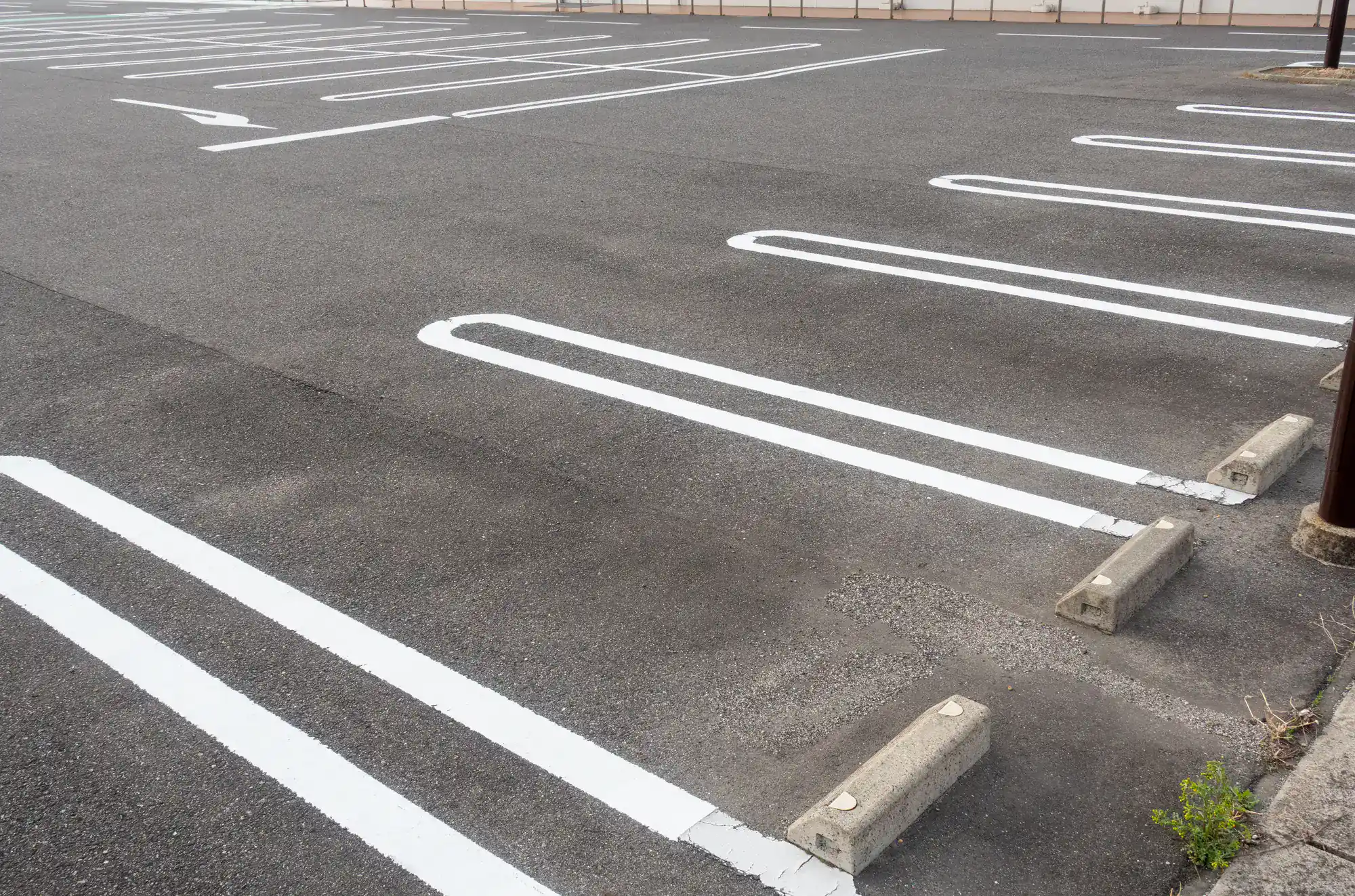
It starts with a site assessment. Before any material gets specified or any quote gets written, we evaluate the condition of your existing pavement, subbase, and drainage. In Annapolis, that step matters more than most contractors acknowledge. The clay soil common throughout Anne Arundel County shifts with seasonal moisture changes, and if the subbase isn’t properly graded and compacted, even a well-installed surface will crack ahead of schedule. Getting the foundation right is where the job actually starts.
From there, the scope gets defined whether that’s a full-depth replacement, a structural overlay, targeted repairs, or new construction on a previously unpaved lot. We specify commercial-grade hot-mix asphalt, not the residential-grade mix that some contractors apply to commercial jobs to lower their bid. Installation is scheduled around your business hours where possible. For active commercial properties medical offices near Anne Arundel Medical Center, retail centers in the Parole district, government-adjacent buildings along West Street we offer phased paving so you’re not closing your lot entirely during the job.
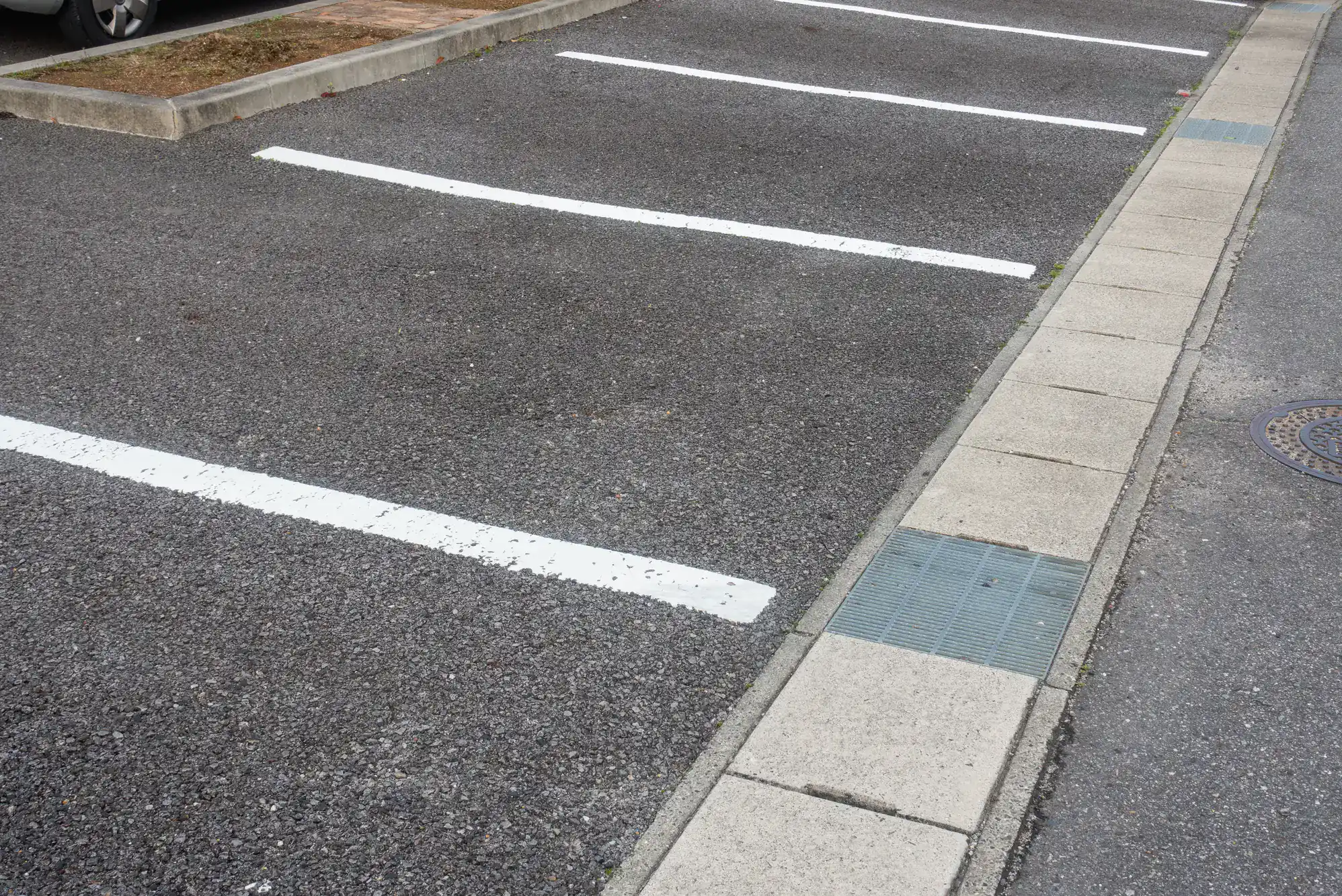
Once the asphalt is down and cured, we complete line striping to current ADA standards, including proper accessible space ratios, aisle widths, and slope tolerances. If sealcoating is part of the project scope, we apply it after the surface has fully cured. At the end, you get a lot that’s ready for traffic, compliant with federal accessibility requirements, and documented so you know exactly what was installed and when.
Ready to get started?
We handle the full scope of commercial parking lot work new asphalt parking lot installation, full-depth replacement, structural overlays, asphalt repairs, sealcoating, crack filling, and ADA-compliant line striping. That range matters for Annapolis property managers because it means one contractor owns the entire job. You’re not coordinating between a paving crew, a separate sealcoating company, and a third-party striping vendor. One point of contact, one accountable party, one consistent standard of work across every phase.
For Annapolis specifically, our service scope includes drainage engineering as a standard part of new construction and major replacement projects not an add-on. Given the city’s proximity to tidal waterways, its heavy summer rain events, and the topography across neighborhoods like Forest Drive, Eastport, and the Bestgate corridor, standing water on a parking lot isn’t just a nuisance. It’s the primary accelerant of asphalt failure. Getting the grade right from the start is part of how a lot built here lasts 20+ years instead of 10.
ADA compliance is built into every commercial project we complete. That includes accessible space counts based on total lot size, van-accessible aisle dimensions, slope tolerances that meet federal requirements, and properly painted markings that hold up under Annapolis’s winter maintenance cycles. For government buildings, medical facilities, and any publicly accessible commercial property in the city, this isn’t optional and the exposure from non-compliance isn’t worth the shortcut.
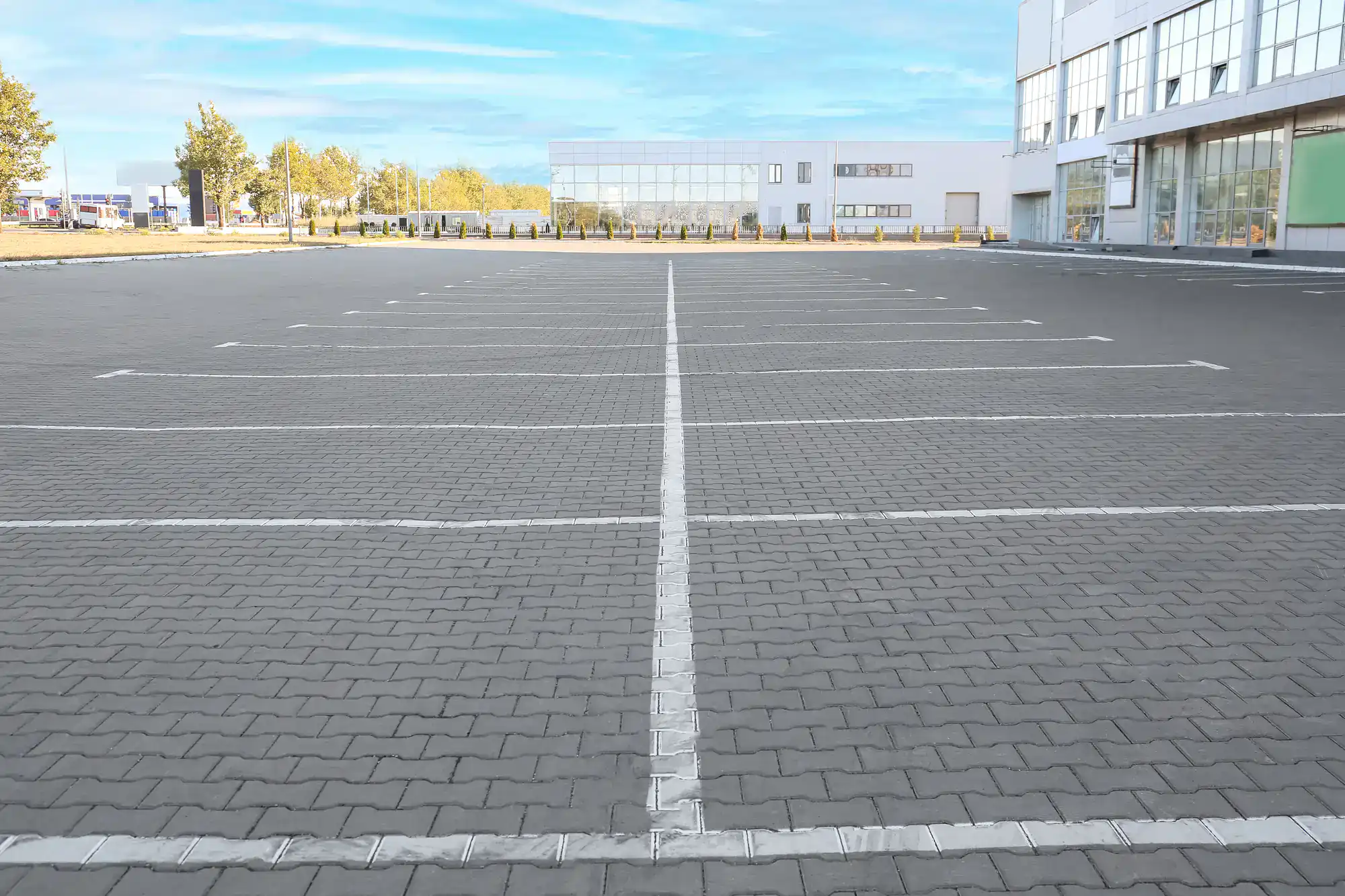
Federal ADA standards require one accessible space for every 25 total spaces in a parking lot, with at least one of those being van-accessible. As the lot size grows, the ratio adjusts a lot with 100 spaces needs four accessible spaces, a lot with 500 needs nine. These are federal minimums that apply to all commercial properties in Annapolis regardless of city-specific code, and they’re enforced. First-violation fines can reach $75,000 per incident.
For Annapolis properties particularly those tied to state government offices, healthcare facilities near Anne Arundel Medical Center, or any publicly accessible destination in the Historic District ADA compliance tends to get more scrutiny than in lower-profile locations. The accessible spaces themselves need to meet slope tolerances no steeper than 1:48 cross-slope and 1:12 running slope, which means the grade engineering on the lot has to be right from the start. Striping the spaces correctly is the last step, not the only step.
An overlay sometimes called a resurfacing involves installing a new layer of asphalt over the existing surface after milling or cleaning. It works well when the underlying base is still structurally sound and the damage is limited to the top layer. It’s a cost-effective option that extends the life of the lot without the expense of tearing everything out and starting over.
A full-depth replacement removes the existing asphalt down to the subbase, addresses any base failures or drainage issues, and rebuilds from the ground up. In Annapolis, this is often the right call when a lot has been deferred long enough that freeze-thaw cycles have worked water damage down through multiple layers, or when the original subbase wasn’t properly engineered for the clay soil conditions common in Anne Arundel County. The honest answer is that you can’t always tell which one a lot needs without a proper assessment surface damage doesn’t always reflect what’s happening underneath.
A properly installed commercial parking lot in Annapolis, maintained on a reasonable schedule, should last 15 to 25 years. The range is wide because maintenance is the biggest variable. A lot that gets sealcoated every three to five years and has cracks filled before winter sets in will hold up significantly longer than one that gets ignored until the damage is visible and widespread.
Annapolis’s climate compresses that timeline faster than most property managers expect if maintenance gets deferred. The 10 to 20 freeze-thaw cycles a typical Anne Arundel County winter produces, combined with road salt and de-icing chemical exposure, and the salt air oxidation that affects waterfront and near-Bay properties, means the environment is actively working against the lot from day one. Proactive maintenance isn’t optional in this market it’s how you protect a significant capital investment.
Yes, and for most active commercial properties in Annapolis, it has to be. A medical office building near Anne Arundel Medical Center, a retail center in the Parole district, or a government-adjacent property along West Street can’t simply close its parking lot for three days without real consequences for tenants, customers, or operations. We offer phased paving working in sections while keeping the rest of the lot accessible as a standard option for commercial projects where full closure isn’t practical.
Scheduling around peak hours is also possible for properties where early morning or weekend work windows reduce the impact on daily operations. The key is flagging that requirement at the assessment stage, not after the project scope is already set. When our crew knows access constraints upfront, the phasing plan and schedule can be built around them from the start rather than retrofitted after the fact.
Most commercial paving projects in Annapolis require coordination with the city’s permitting process, particularly when the work involves changes to site drainage, new impervious surface area, or any work near the public right-of-way. The City of Annapolis maintains its own Code of Ordinances governing streets, parking, and traffic under Title 12, and projects that affect stormwater runoff or drainage patterns typically trigger a review.
For properties within or adjacent to the Colonial Annapolis Historic District, there’s an additional layer. The Historic Preservation Commission may review visible public-facing improvements for compatibility with the character of the National Historic Landmark area. That doesn’t mean paving can’t happen it means the process has more steps and requires earlier coordination. If your property falls in or near the Historic District, it’s worth confirming the review requirements before the project scope is finalized. We’ve been working in Annapolis for 14 years and know which projects trigger which reviews, so we can help you navigate that process without delays.
Commercial parking lot paving in Annapolis typically runs between $3 and $7 per square foot for a standard overlay or resurfacing, and $6 to $12 per square foot or more for a full-depth replacement depending on lot size, base conditions, drainage requirements, and material specifications. A smaller lot in the 10,000 to 15,000 square foot range might come in between $30,000 and $75,000 for full replacement. Larger lots office parks, medical campuses, or retail centers in the Parole area can reach $100,000 to $200,000 or beyond.
The variables that move the number most significantly in Annapolis are subbase condition, drainage complexity, and whether ADA upgrades are part of the scope. Lots built on poorly graded clay soil, or ones that have had standing water issues for years, often need more base work than the surface damage suggests. Getting a proper site assessment before any number gets discussed is the only way to quote accurately and any contractor giving you a firm price without walking the lot first is guessing. The assessment is where the real cost picture comes from.
Other Services we provide in Annapolis