

Hear from Our Customers

Living on the Annapolis Neck peninsula means your asphalt is dealing with conditions most inland driveways never face. The salt air coming off the Chesapeake Bay and South River accelerates oxidation in the asphalt binder that’s what makes surfaces go brittle, crack, and crumble faster than you’d expect. Add Maryland’s freeze-thaw winters on top of that, and a driveway that hasn’t been properly sealed or maintained is quietly losing years of life every season.
The other thing worth saying plainly: in a neighborhood where homes regularly sell at or above $765,000, a deteriorating driveway isn’t just a maintenance issue. It’s the first thing a buyer sees when they pull up. Whether you’re staying put or thinking about selling, the condition of your driveway signals how the rest of the property has been cared for.
What you get with a properly installed and maintained asphalt driveway isn’t just a better-looking property. It’s a surface that drains correctly, handles the weight of daily traffic, and doesn’t require a full replacement every decade because the base was done right the first time. That’s the difference between a driveway that serves you and one that just sits there costing money.
Edward Smith Paving is a family-owned Maryland asphalt contractor that has been operating for over 40 years. We hold MHIC License #159766 the state-required credential for any contractor performing residential paving work in Maryland. That license is publicly verifiable through the Maryland Home Improvement Commission database, and it means you have legal recourse if something goes wrong. Most of the unlicensed crews that knock on doors in communities like Hillsmere Shores and Arundel on the Bay can’t say the same.
Annapolis Neck is a named service area on our website not a footnote in a “we serve all of Maryland” disclaimer. Our surrounding coverage includes Arnold, Severna Park, Edgewater, and Annapolis proper, which means we’re already working in your corner of Anne Arundel County on a regular basis. You’re not getting someone who drove two hours for a single job.
Our service menu covers the full asphalt lifecycle: new installation, sealcoating, crack filling, parking lot paving, and line striping. One contractor, every phase so you’re not re-vetting the market every few years.
It starts with a free, written estimate. Not a verbal ballpark an actual written scope of work that lays out what’s being done, what materials are being used, and what the total cost is before anything gets scheduled. That’s not a small thing. It’s the difference between a professional operation and the kind of crew that adds charges after the equipment is already on your property.
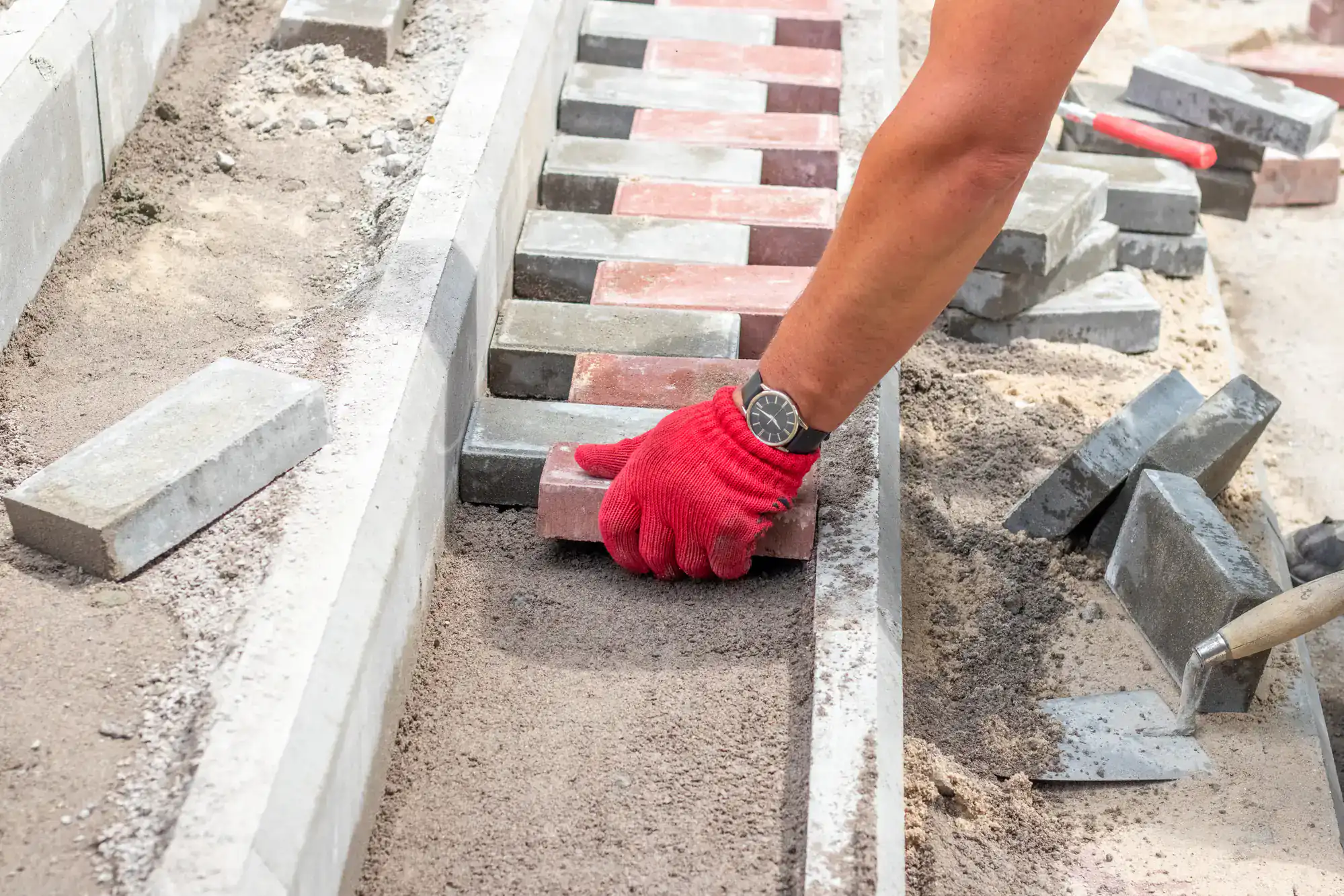
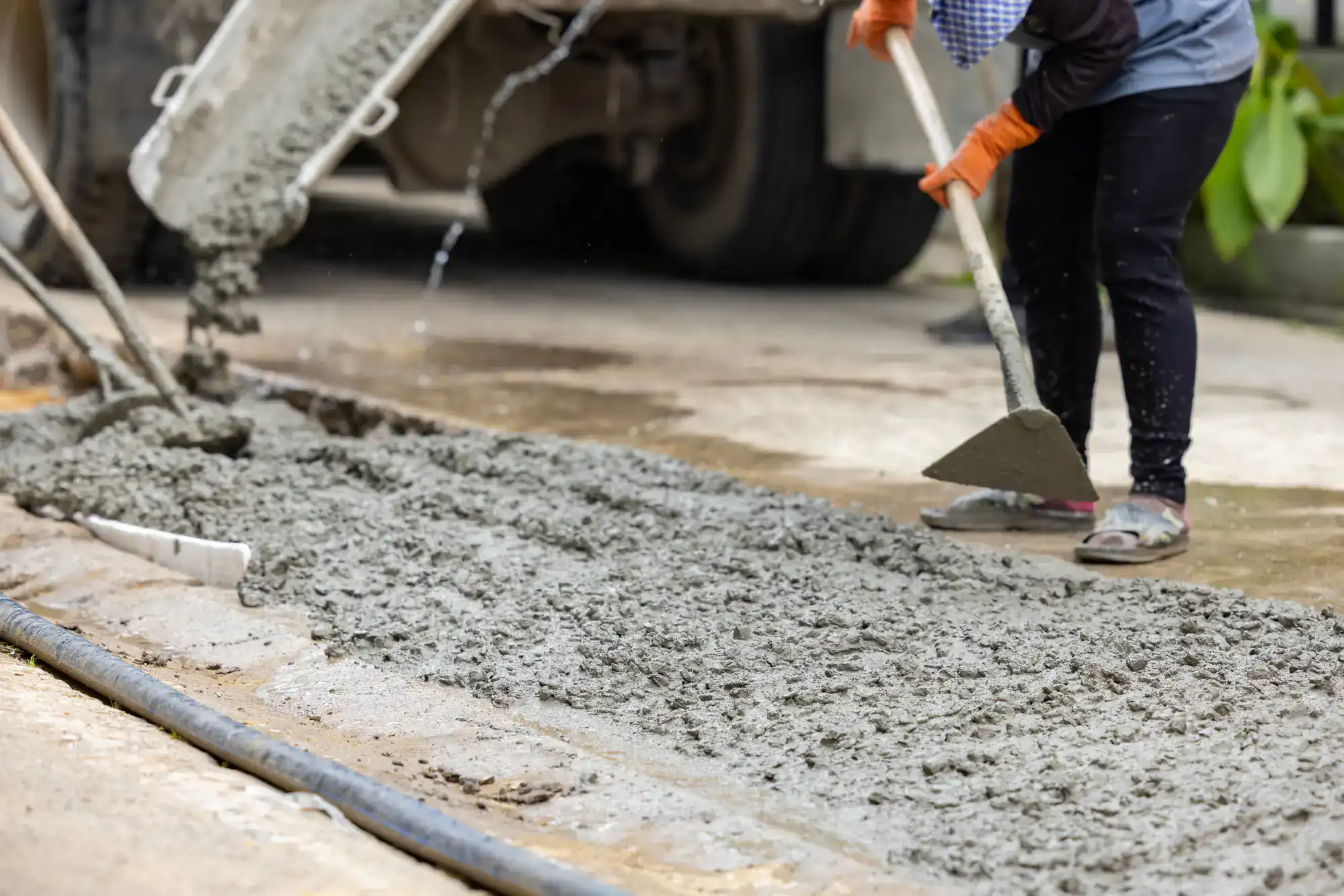
Once the project is confirmed, site preparation comes first. For Annapolis Neck properties especially in lower-lying areas near Duvall Creek, Harness Creek, or anywhere close to tidal water proper drainage grading isn’t optional. Water that pools against asphalt is one of the fastest ways to shorten a driveway’s life, and it’s one of the most common shortcuts taken by contractors who aren’t thinking about the long game. The base is compacted, existing pavement is removed where necessary, and the asphalt is laid and rolled to the correct thickness for your specific use.
After installation, the timeline matters. New asphalt needs roughly six months before its first sealcoat rushing that step can trap off-gassing and compromise the seal. Given Annapolis Neck’s heavy rainfall patterns and the bay region’s tendency to throw nor’easters and tropical systems at the area between August and November, scheduling that first sealcoat during a reliable weather window is something worth planning for. We’ll walk you through the timing so nothing gets left to chance.
Ready to get started?
The bulk of our work in Annapolis Neck is residential and it skews heavily toward properties that are well past their first paving cycle. Neighborhoods like Bay Highlands (established 1956), Arundel on the Bay (with homes dating back to the late 1800s), and the 1950s-era housing stock throughout Hillsmere Shores represent decades of accumulated wear. A lot of those driveways are beyond what sealcoating alone can fix. Full replacement, proper base work, and a fresh installation is often the more honest answer and it’s a conversation we’ll have with you straight, without overselling a repair when a replacement is what’s actually needed.
For commercial properties along Forest Drive or Bay Ridge Avenue, the work shifts to parking lot paving, maintenance, and striping. Faded lines, deteriorating lot surfaces, and non-compliant accessible space markings are all liability exposures for business owners and they’re fixable. Parking lot striping is also one of the most cost-effective improvements you can make to an existing lot without a full repave.
Sealcoating is available as a standalone service for homeowners whose driveways are structurally sound but showing surface wear. Given the salt air exposure and the bay region’s UV load in summer, the general recommendation is resealing every three to five years less if the driveway is in a particularly exposed location near the water. Crack filling rounds out the maintenance side, and catching cracks early is almost always cheaper than waiting until they’ve widened into something that needs patching or resurfacing.
Yes and it’s not subtle. Salt air is one of the more underappreciated threats to asphalt in waterfront communities like Annapolis Neck. The salt accelerates oxidation of the asphalt binder, which is the material that holds everything together and gives the surface its flexibility. When that binder breaks down, the surface becomes brittle, loses its ability to flex under temperature changes, and starts cracking earlier than it would in an inland environment.
On top of that, the Chesapeake Bay region gets significant humidity and rainfall, including nor’easters and tropical systems that can dump heavy water on the area between late summer and early winter. Water that sits against or infiltrates asphalt especially through unsealed cracks speeds up base erosion and freeze-thaw damage. Properties near tidal water like Duvall Creek or Harness Creek face this compounded exposure regularly. Proper installation with adequate drainage slope, combined with routine sealcoating every three to five years, is the most direct way to counteract it.
The honest answer depends on what’s actually failing. Surface cracks that are narrow and haven’t spread into a network pattern are usually a maintenance issue crack filling and sealcoating can extend the life of a structurally sound driveway by years. But if you’re seeing alligator cracking (that interconnected web pattern across large sections), significant edge deterioration, potholes, or areas where the surface is visibly sinking, those are signs that the base layer has been compromised. At that point, patching the surface is a temporary fix at best.
For older properties in Annapolis Neck particularly in Bay Highlands, Arundel on the Bay, or the original Hillsmere Shores housing stock from the 1950s driveways that haven’t been replaced in 20 or 30 years are often past the repair threshold regardless of how they look on the surface. A free on-site estimate will give you a real answer. The goal isn’t to sell you a replacement you don’t need it’s to tell you what’s actually going on so you can make a decision that makes financial sense for your property.
It depends on the scope of the project and where your property sits. Annapolis Neck is an unincorporated CDP, which means it falls under Anne Arundel County jurisdiction for most permitting purposes though properties near the City of Annapolis boundary may have different requirements. For straightforward driveway replacements that don’t significantly change the drainage or expand the impervious surface area, permits are often not required. But if you’re adding new paved area or altering how water drains off your property, the county’s stormwater management rules may come into play.
There’s also an important layer specific to Annapolis Neck: a significant portion of the peninsula falls within Maryland’s Critical Area defined as land within 1,000 feet of tidal waters. If your property is in that zone, there are restrictions on expanding impervious surfaces, and any new paving near the shoreline may require additional review. This is a real consideration for properties along the bay, the South River, or the tidal creeks that run through the community. We can help you understand what applies to your specific address before work begins.
A properly installed asphalt driveway in Maryland with good base preparation, correct drainage slope, and routine maintenance typically lasts 15 to 25 years. The upper end of that range is achievable, but it requires actually doing the maintenance: sealcoating starting about six months after installation, then every three to five years after that, and crack filling as needed in between.
In Annapolis Neck specifically, the waterfront conditions discussed earlier mean that skipping sealcoating cycles has a more pronounced effect than it would in an inland community. UV exposure in summer, salt air year-round, and the freeze-thaw cycling that Maryland winters bring including storms like the January 2026 event that put Annapolis under a State of Emergency with 8-plus inches of snow and wind chills near -8°F all accelerate surface degradation when the asphalt isn’t protected. The good news is that maintenance is relatively inexpensive compared to replacement. Staying on a consistent sealcoating schedule is the single most cost-effective thing you can do to push your driveway toward the longer end of its lifespan.
Start with the MHIC license. Maryland law requires any contractor performing residential paving work to hold a Maryland Home Improvement Commission license, and it’s publicly searchable. If a contractor can’t give you a license number or it doesn’t pull up in the state database, that’s a hard stop. An unlicensed contractor leaves you with no legal recourse and no access to Maryland’s homeowner guaranty fund if the work fails or the crew disappears.
Beyond licensing, look for a written estimate before any work starts not a verbal quote, a written one with itemized scope and total cost. Be cautious of contractors who show up unsolicited in neighborhoods like Hillsmere Shores or Arundel on the Bay offering unusually cheap jobs from “leftover asphalt.” That’s a known pattern in affluent waterfront communities, and the work almost never holds up. A legitimate contractor will have a verifiable local address, a working phone number, and a documented service history in Anne Arundel County. We hold MHIC License #159766, operate under a Maryland area code (410-353-9998), and list Annapolis Neck as a named service area not a catch-all claim.
Sealcoating is worth it but context matters. If your driveway has deep structural issues, sealcoating over them doesn’t fix anything. It just covers the problem temporarily. On a driveway that’s in solid structural shape, though, sealcoating is one of the most cost-effective maintenance investments you can make. It blocks UV rays that break down the asphalt binder, repels water and chemical spills, and keeps the surface flexible enough to handle temperature swings without cracking prematurely.
For Annapolis Neck homeowners specifically, the case is stronger than average. The combination of bay-area humidity, salt air, summer UV exposure, and hard winters means unsealed asphalt degrades noticeably faster here than in drier, inland parts of Maryland. A driveway that might go eight or ten years without sealcoating in a place like Crofton or Gambrills will show surface wear and cracking sooner in a waterfront community like this one. The general guideline is to sealcoat six months after a new installation, then every three to five years depending on traffic and exposure. It’s a fraction of the cost of resurfacing and it’s the main reason some driveways last 25 years while others need replacing at 12.
Other Services we provide in Annapolis Neck