
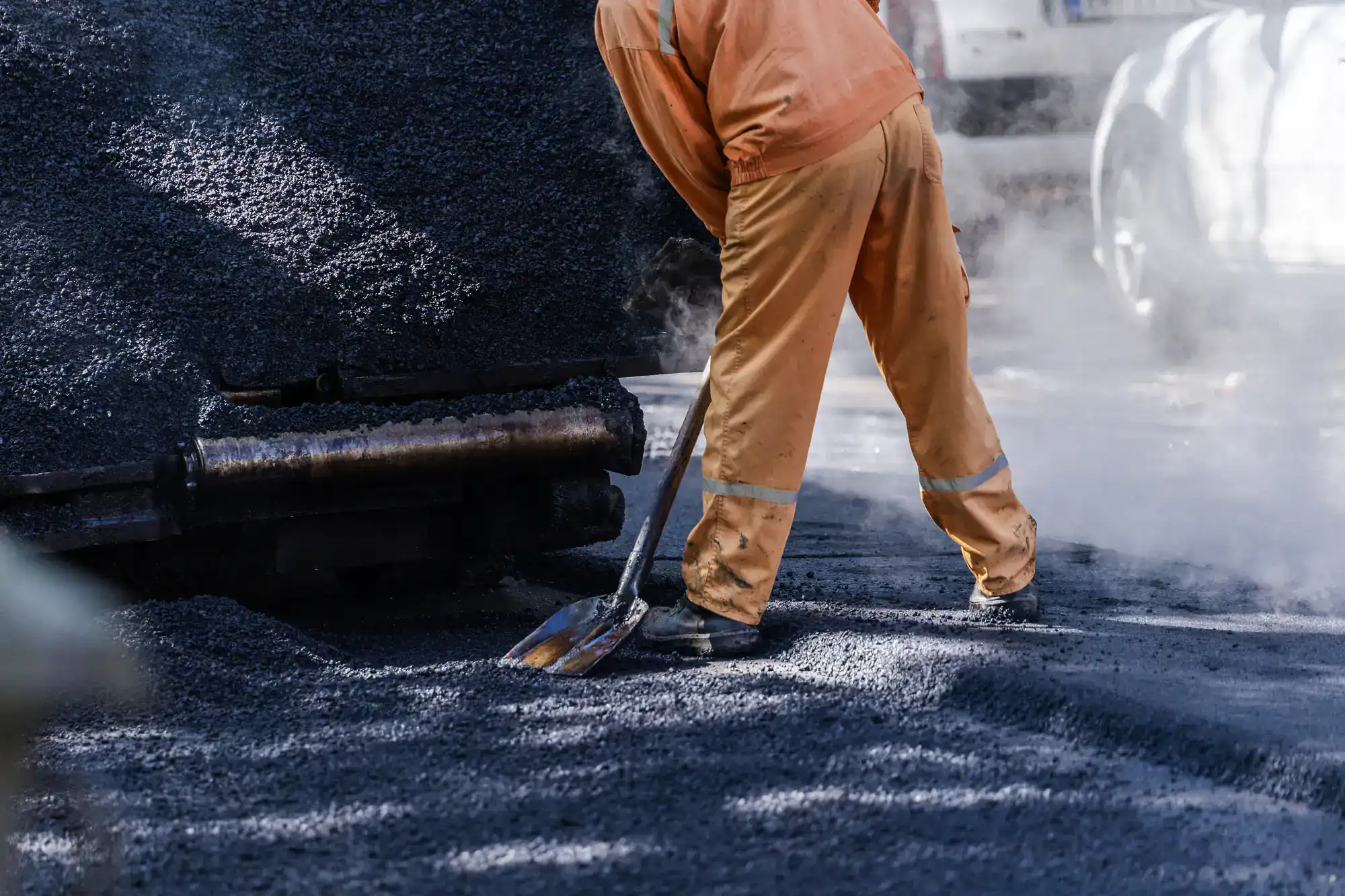
Hear from Our Customers
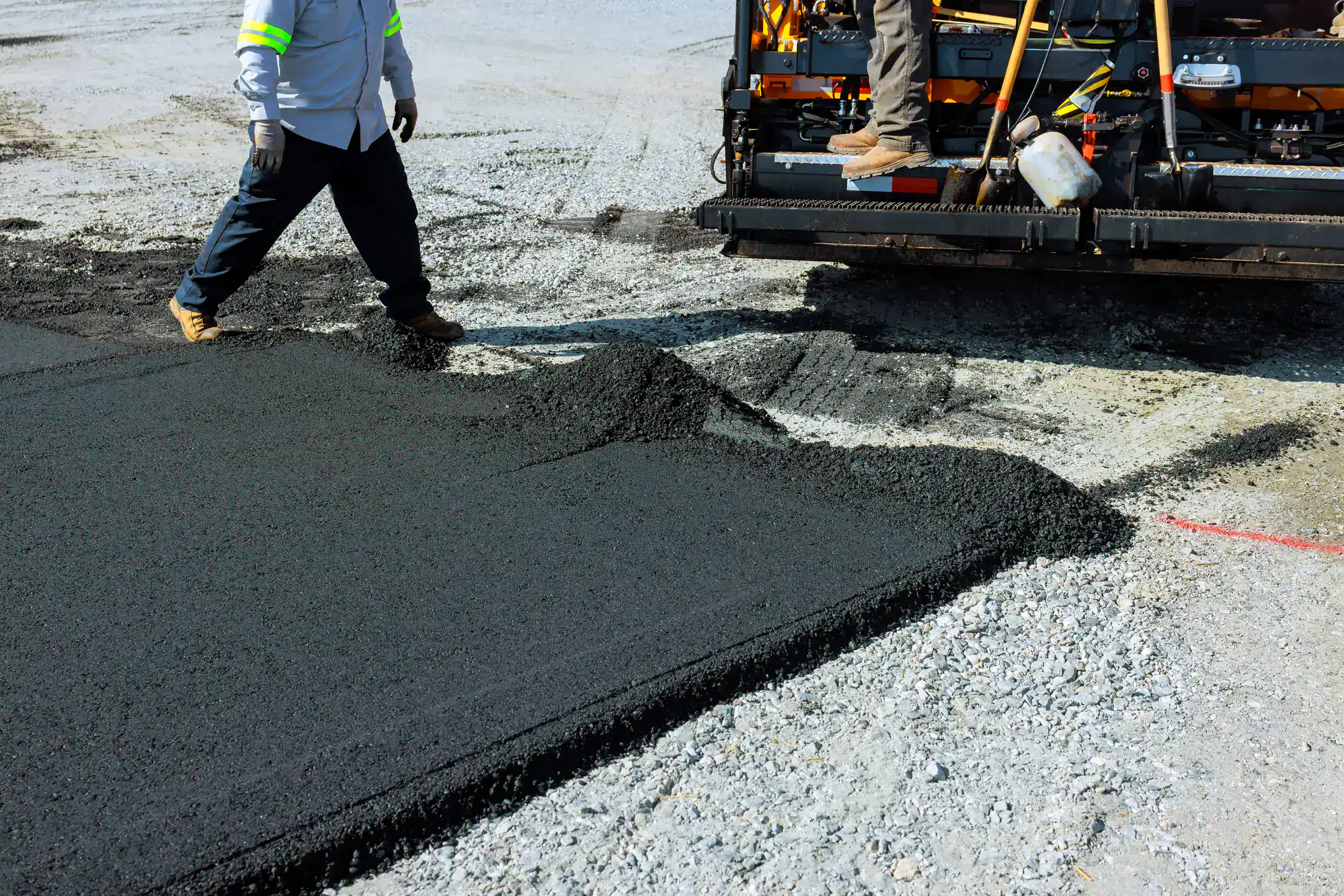
Ninety percent of Drum Point’s internal road network is privately managed by the Drum Point Property Owners’ Association. That means when Barreda Boulevard starts cracking or the community streets develop potholes after a hard winter, nobody from the county is coming to fix it. The DPPOA is responsible and the contractor they hire is accountable to nearly a thousand homeowners.
That’s a different kind of pressure than a typical commercial paving job. And it calls for a different kind of contractor. When the work is done right, the community keeps moving. Residents aren’t navigating around damage. The roads look the way they should for a waterfront community where people have invested real money in their homes and their quality of life.
The Chesapeake Bay air that makes Drum Point worth living in is also one of the harder environments for asphalt in the entire Mid-Atlantic region. Salt-laden moisture off the Patuxent River and the Bay accelerates the breakdown of asphalt binder the material that holds everything together. Add Calvert County’s freeze-thaw winters, where water infiltrates cracks, freezes overnight, and forces them wider, and you have a surface that deteriorates faster here than it would in an inland community. The right commercial paving job accounts for all of that from the start, not as an afterthought.
We’ve been operating since 2011 over 14 years of commercial asphalt paving across Maryland and Virginia, including extensive work throughout Calvert County and the Drum Point area. We hold MHIC License #159766, issued by the Maryland Home Improvement Commission, which requires verified field experience and a passing score on a state exam. That license number is publicly searchable. If you’re a DPPOA board member or a commercial property owner in Drum Point making a decision you’re accountable for, that’s exactly the kind of credential you should be asking for.
We’re BBB Accredited with an A+ rating and carry dual licensure in both Maryland and Virginia not a one-truck operation, but a professionally structured paving company with the equipment and capacity to handle institutional and commercial-scale projects. Our principals bring over four decades of combined industry experience, and our full service scope covers everything from initial paving through sealcoating, crack repair, line striping, and ADA compliance upgrades. One contractor, start to finish, for everything a property in Drum Point and the surrounding Lusby area needs.
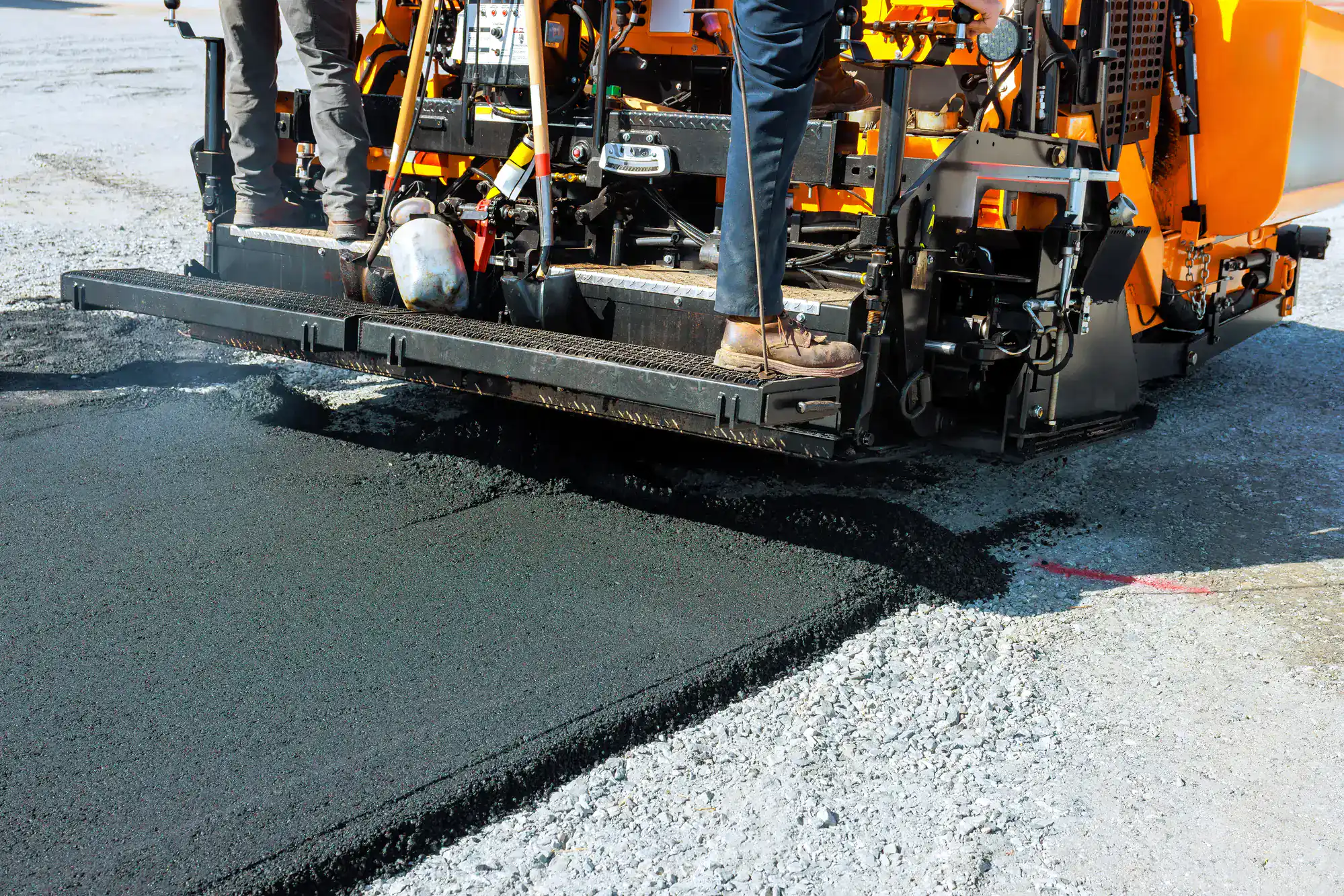
It starts with a free site assessment. Not a drive-by estimate an actual walkthrough where drainage conditions, subgrade integrity, current surface condition, and traffic load patterns are evaluated before any scope of work is recommended. For POA-managed roads in Drum Point or commercial properties throughout the area, this step matters more than it does in most places. The geographic isolation of the community means disrupting access during a paving project is a real concern for residents, and the assessment is where phasing and scheduling get planned intelligently.
Once the scope is set, base preparation comes first. Commercial asphalt paving requires a minimum of four inches of properly compacted asphalt over an engineered base that’s not what a residential driveway crew is equipped to deliver. Drainage is engineered into the design, because standing water on a surface exposed to Calvert County’s freeze-thaw cycle is how a resurfacing job turns into a full reconstruction in three years.
After paving, the project isn’t finished until line striping, ADA compliance requirements, and any sealcoating applications are complete. Maryland’s Chesapeake Bay watershed regulations apply to stormwater management on commercial projects, and Calvert County permitting requirements are part of the process. We handle all of that. When our crew leaves, the surface is ready and the documentation is in order.

Ready to get started?
Commercial asphalt paving near Drum Point isn’t just about laying blacktop. The salt air off the Chesapeake Bay, the community’s privately managed road network, and the seasonal traffic spikes around Drum Point Beach and the Drum Point Club all create conditions that require a contractor who actually understands what they’re dealing with.
Our full service scope includes commercial asphalt installation, asphalt overlays, parking lot paving, sealcoating, crack filling, pothole repair, parking lot line striping, and ADA-compliant upgrades accessible spaces, van-accessible designations, proper signage, and cross-slope corrections. For the DPPOA and any commercial property manager in the area, that means one contractor handles the full project cycle. No coordinating a separate striping company after the paving is done. No chasing down someone else for the sealcoating.
Sealcoating deserves a specific mention here, because in a waterfront community like Drum Point, it’s not optional maintenance it’s structural protection. The binder in asphalt oxidizes over time, and coastal moisture and UV exposure accelerate that process. A properly timed sealcoating program can double the useful life of a commercial surface. Without it, you’re looking at reconstruction costs that are three to five times what a maintenance program would have cost. The math is straightforward. The only question is whether you address it proactively or reactively.
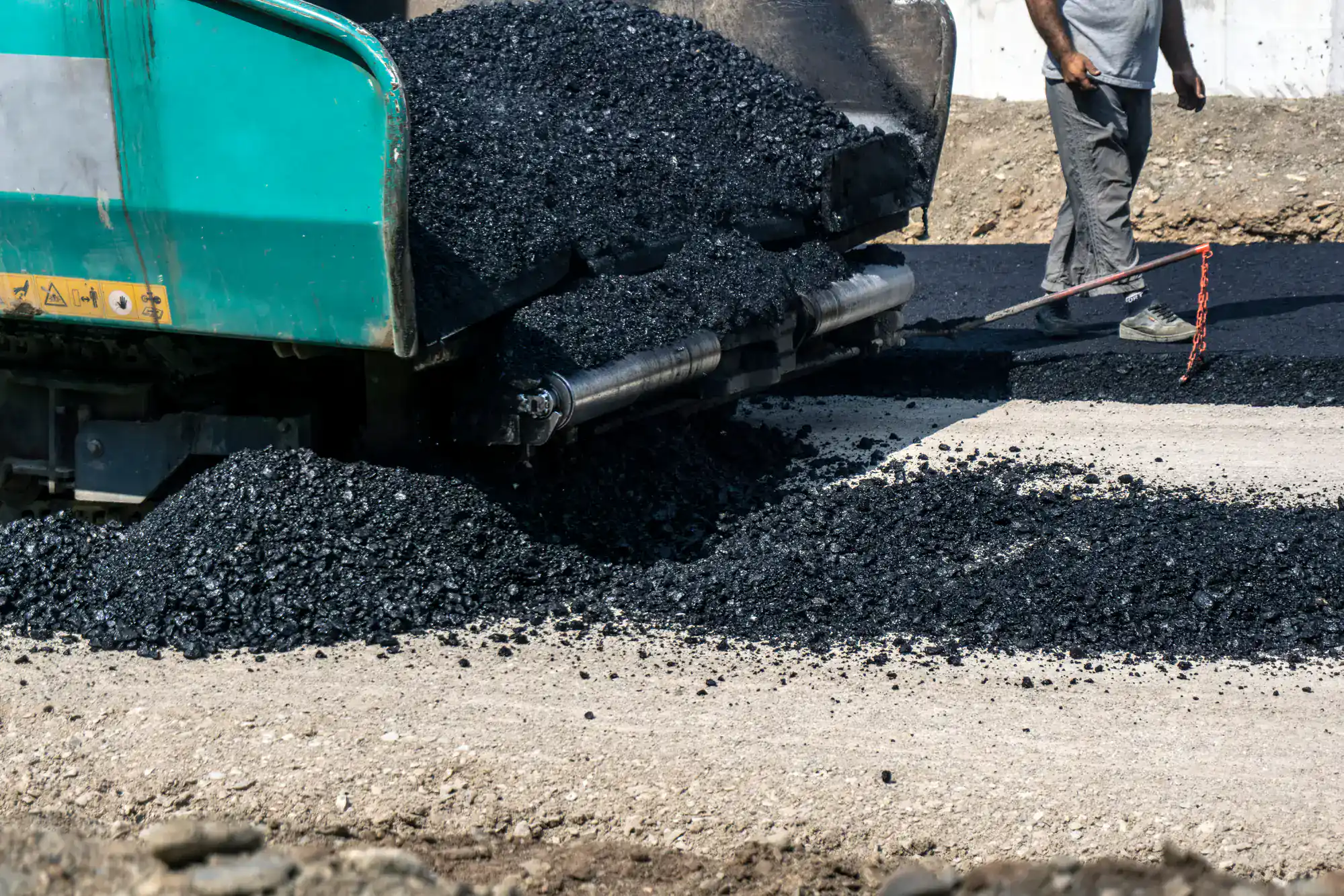
Because 90% of Drum Point’s internal road network is owned and maintained by the Drum Point Property Owners’ Association not Calvert County or the state the DPPOA is directly responsible for contracting paving work on those roads. That includes resurfacing, pothole repair, crack filling, and any drainage-related improvements. The county’s public works department has no obligation to maintain Barreda Boulevard or the community’s interior streets.
What that means practically is that the DPPOA board needs to hire a licensed commercial paving contractor, not a residential crew. The scope of work on community roads requires commercial-grade installation thickness, proper base preparation, and drainage engineering. It also requires a contractor who understands how to work with an association board communicating scope clearly, phasing work to maintain community access, and delivering documentation the board can present to homeowners. We hold MHIC License #159766 and have the commercial project management experience to work within that structure.
In most inland Maryland locations, a commercial asphalt surface should be sealcoated every two to three years. In a waterfront community like Drum Point, that interval is shorter. Salt-laden air from the Patuxent River and the Chesapeake Bay accelerates the oxidation of asphalt binder the component that holds the aggregate together and gives the surface its flexibility. When the binder breaks down, the surface becomes brittle, cracks form faster, and water infiltration begins the process that leads to base failure.
For commercial surfaces in Drum Point whether that’s a parking area near the water, a POA-managed road, or a small business lot in the Lusby area a sealcoating interval of every one to two years is a reasonable target depending on traffic load and sun exposure. The cost of a sealcoating application is a fraction of what a resurfacing or reconstruction project costs. Getting on a regular maintenance schedule is the single most cost-effective thing a commercial property owner or POA board can do to protect their asphalt investment in this environment.
Yes, commercial paving projects in Calvert County generally require permits, and the specific requirements depend on the scope and nature of the work. New commercial pavement installation and significant resurfacing projects typically require a building permit. Any project that involves drainage changes or disturbs a meaningful surface area may also trigger Maryland’s stormwater management requirements which are particularly stringent in Calvert County given its position as a Chesapeake Bay watershed county. Sediment and erosion control permits may apply to larger projects.
For work on DPPOA-managed roads specifically, there’s an additional layer: the association itself needs to approve the scope of work, which means the permitting and approval process involves both county authorities and the POA board. Contractors who aren’t familiar with this structure can create delays or complications that a board then has to explain to homeowners. We handle the permitting process as part of the project it’s not something you should have to navigate on your own.
The short version: surface cracks that cost a few thousand dollars to address today commonly turn into base failures that cost three to five times more to fix in two or three years. Asphalt doesn’t stabilize on its own. Once water gets through a crack and reaches the base layer, it weakens the foundation. In Drum Point’s freeze-thaw climate where temperatures cycle above and below freezing dozens of times each winter that process accelerates. What starts as a crack repair job becomes a pothole repair job, and what becomes a pothole repair job eventually becomes a full-depth reconstruction.
For the DPPOA, which manages roads on behalf of nearly a thousand homes, deferred maintenance isn’t just a cost issue it’s a liability issue. Damaged road surfaces create injury risk, and on privately managed roads, that liability falls on the association, not the county. Getting a professional site assessment done each spring, after winter has done its damage, is the most practical way to stay ahead of the cost curve and keep the community’s road infrastructure in the condition residents expect.
A well-installed commercial asphalt surface proper subgrade preparation, correct installation thickness, and engineered drainage can last 20 to 30 years in most conditions. In Drum Point’s coastal environment, that lifespan is achievable, but it requires a more active maintenance program than you’d need in an inland location. The combination of salt air, UV exposure off the open water, and Calvert County’s freeze-thaw winters puts more stress on asphalt binder than most Mid-Atlantic environments.
With a regular sealcoating schedule, timely crack filling, and periodic professional assessments, a commercial surface in Drum Point can reach the upper end of that lifespan range. Without maintenance, the same surface can fail in 10 years or less. The difference isn’t just the quality of the original installation it’s whether the property owner or POA treats the surface as an asset that needs ongoing attention or as something they can ignore until it becomes a problem. The latter always costs more.
Yes, and for many commercial properties in the Drum Point and Lusby area, ADA compliance is an active issue not a one-time checkbox from the original installation. Surfaces settle, striping fades, and cross-slopes shift over time, all of which can push a parking lot out of compliance even if it met ADA standards when it was first built. The requirements cover the correct number of accessible spaces based on total lot size, van-accessible designations, the International Symbol of Accessibility on signage, and cross-slope angles within ADA tolerances.
We assess ADA compliance as part of any commercial paving or resurfacing project. If your existing lot has faded striping, cracked accessible routes, or settled surfaces that create cross-slope issues, those can be corrected as part of a broader resurfacing or maintenance project rather than as a standalone effort. For small commercial properties serving Drum Point’s residential base convenience businesses, marina-adjacent services, community facilities getting ADA compliance right protects both the property owner and the people using the lot.
Other Services we provide in Drum Point