

Hear from Our Customers

Living at the tip of a Chesapeake Bay peninsula isn’t just a lifestyle it’s a set of real conditions your driveway has to survive. The salt air rolling off the Patuxent River and the Bay accelerates asphalt oxidation faster than most homeowners realize. Surfaces that go unsealed for even a few seasons in Drum Point don’t just look worn they start cracking from the inside out.
What you get with a properly installed, professionally sealed asphalt surface isn’t just curb appeal. It’s a driveway that sheds water correctly, resists the freeze-thaw cycles that hit Calvert County every winter, and doesn’t become a liability the next time you think about your home’s value. In a community where homes are selling at or above $600,000, a deteriorating driveway isn’t a small thing.
Drum Point’s housing stock adds another layer to this. A lot of these properties started as summer cottages in the 1940s and were never built for year-round daily use. If your driveway has been patched and re-patched over the years, or if it was laid down before your home became a full-time residence, it may be working a lot harder than it was ever designed to. A proper assessment and the right solution, whether that’s sealcoating, resurfacing, or a full replacement makes a real difference in how long your investment lasts.
We’ve been serving Maryland homeowners for more than 40 years. That’s not a marketing number it’s the kind of track record that only comes from doing the work correctly, consistently, in a market where word travels fast and a bad job follows you.
We hold Maryland MHIC License #159766, which is the state-required credential for any contractor performing home improvement work in Maryland. That number is publicly verifiable through the Maryland Home Improvement Commission. It matters because it means you have legal protections if something goes wrong protections you simply don’t have if you hire someone without it. In Drum Point, where door-to-door paving crews are a documented problem throughout Southern Maryland, that credential isn’t a formality. It’s your first line of defense.
From Barreda Boulevard to the older lots tucked off Rousby Hall Road, we understand that Drum Point doesn’t look like a standard suburban subdivision and our work reflects that.
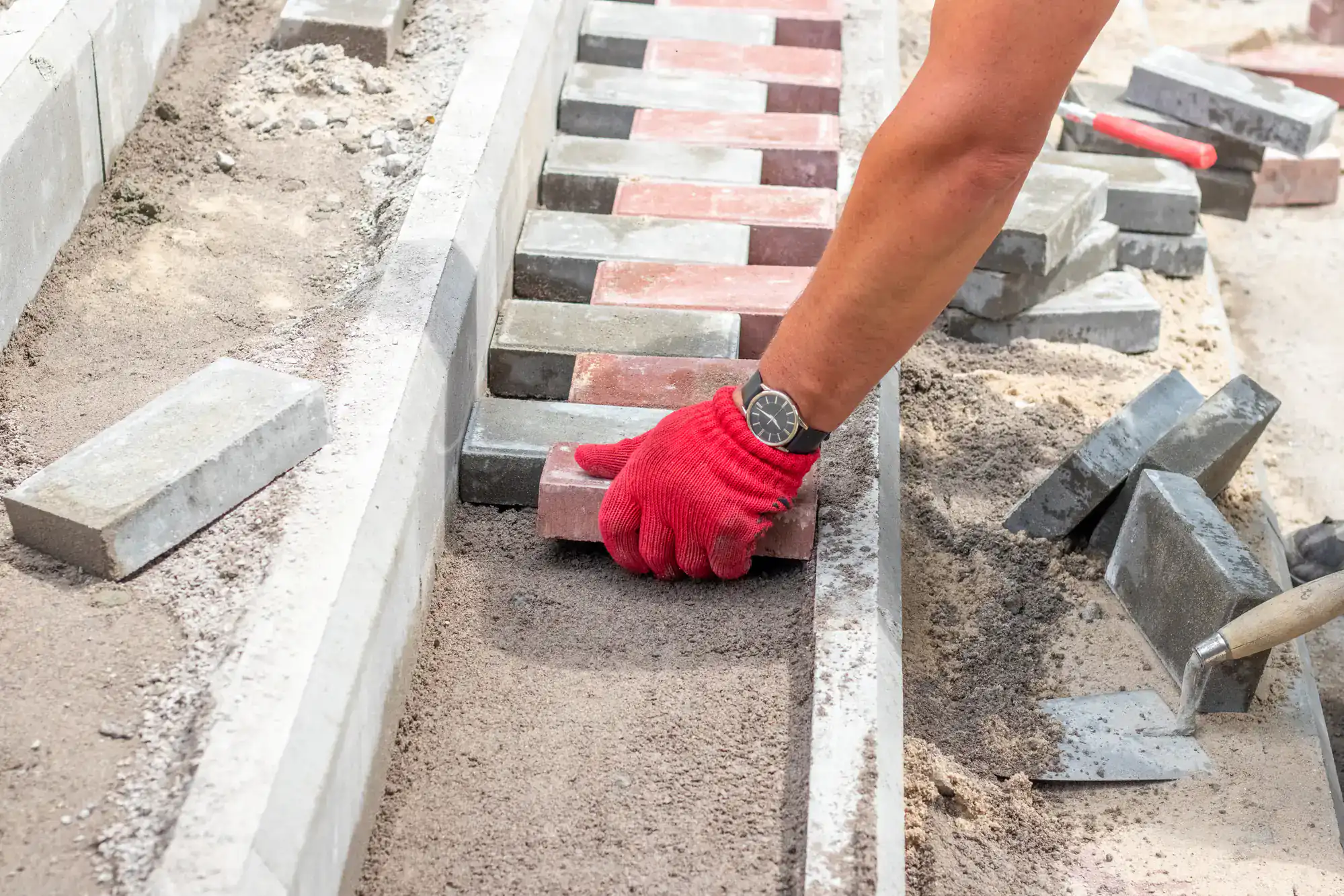
It starts with a free, written estimate. Not a ballpark over the phone a real scope of work that tells you exactly what’s being done, what materials are being used, and what it costs. You’ll have something in writing before any work is scheduled.
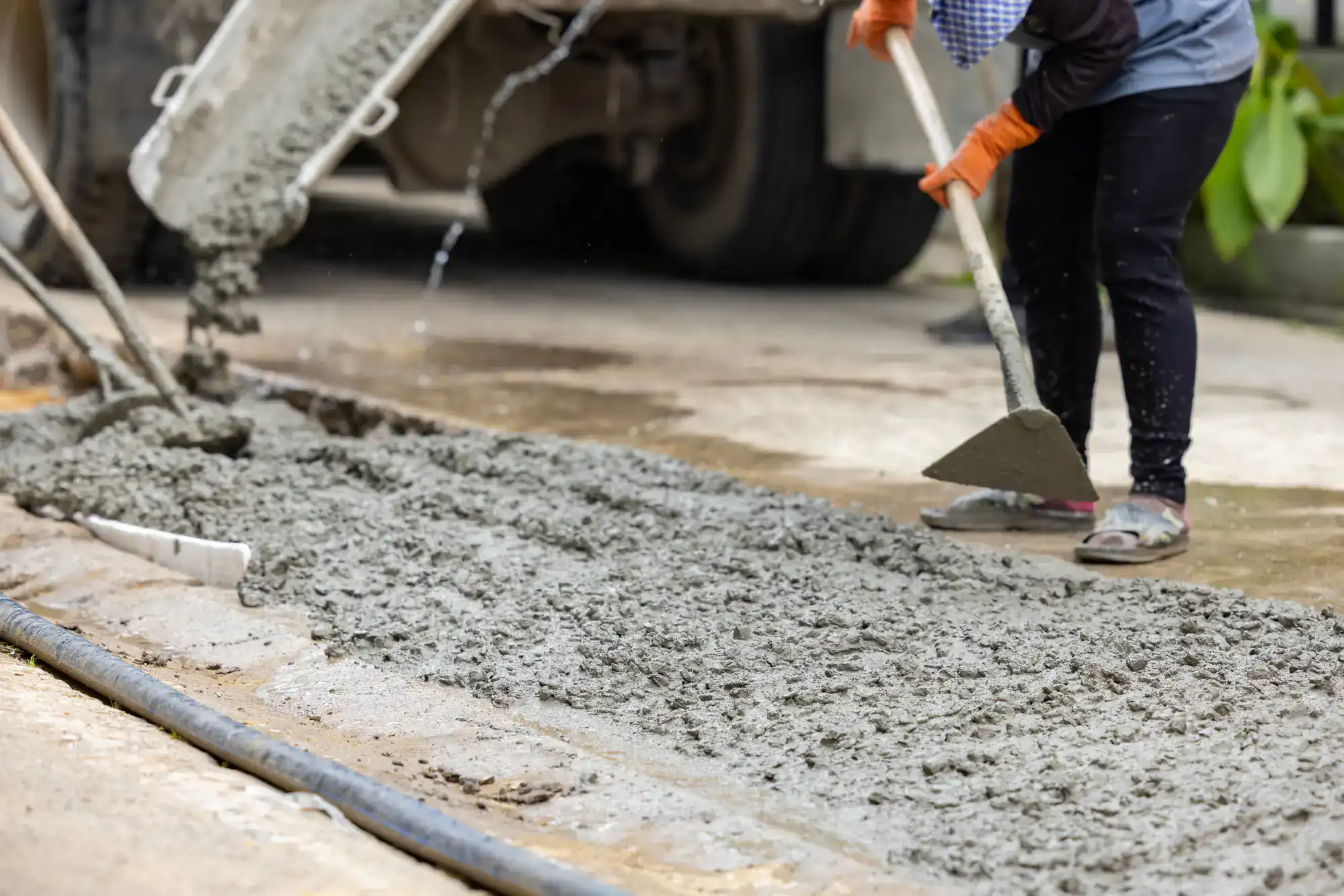
When our crew arrives, the first priority is site prep. For Drum Point properties, that means paying close attention to grading and drainage. The peninsula’s geography water on three sides, older lot configurations that weren’t engineered for modern drainage standards means water management isn’t optional. If the base isn’t graded correctly and water doesn’t have a clear path away from the surface, you’ll see the results within a few winters. The base layer gets the attention it deserves before a single inch of asphalt goes down.
From there, the asphalt is installed to the correct depth and compacted properly. After the surface cures, sealcoating can be scheduled typically six months after a new installation, then on a three-to-five-year cycle after that. Given the coastal exposure in Drum Point, staying on that schedule isn’t just good practice it’s the difference between a driveway that lasts 20 years and one that needs replacing in 10. Spring is the busiest time for paving in Calvert County, so if you’re planning a project, getting your estimate in early gives you more flexibility on timing.
Ready to get started?
We handle the full lifecycle of asphalt not just the initial pour. For Drum Point homeowners, that means new driveway installation, asphalt resurfacing, professional sealcoating, crack repair, and parking area maintenance, all available through one contractor who already knows your property and your conditions.
New installations start with a thorough base evaluation. On Drum Point lots especially the older ones that were originally built as seasonal properties the existing base may not be adequate for year-round residential traffic. We’ll tell you what’s there and what it actually needs, not just what’s easiest to sell. If your property falls within the Chesapeake Bay Critical Area, which applies to many waterfront and water-adjacent properties in Drum Point, there are state regulations around impervious surface and land disturbance that affect how paving projects are scoped and permitted. Working with a licensed Maryland contractor who understands Calvert County’s regulatory environment keeps you on the right side of those rules.
Sealcoating is available as a standalone service and is strongly recommended for any existing asphalt surface in this area. The combination of Bay-area salt air, UV exposure, and seasonal moisture makes unsealed asphalt in Drum Point age significantly faster than it would in an inland community. Crack filling and surface repair round out the maintenance side, catching problems early before they become full replacements.
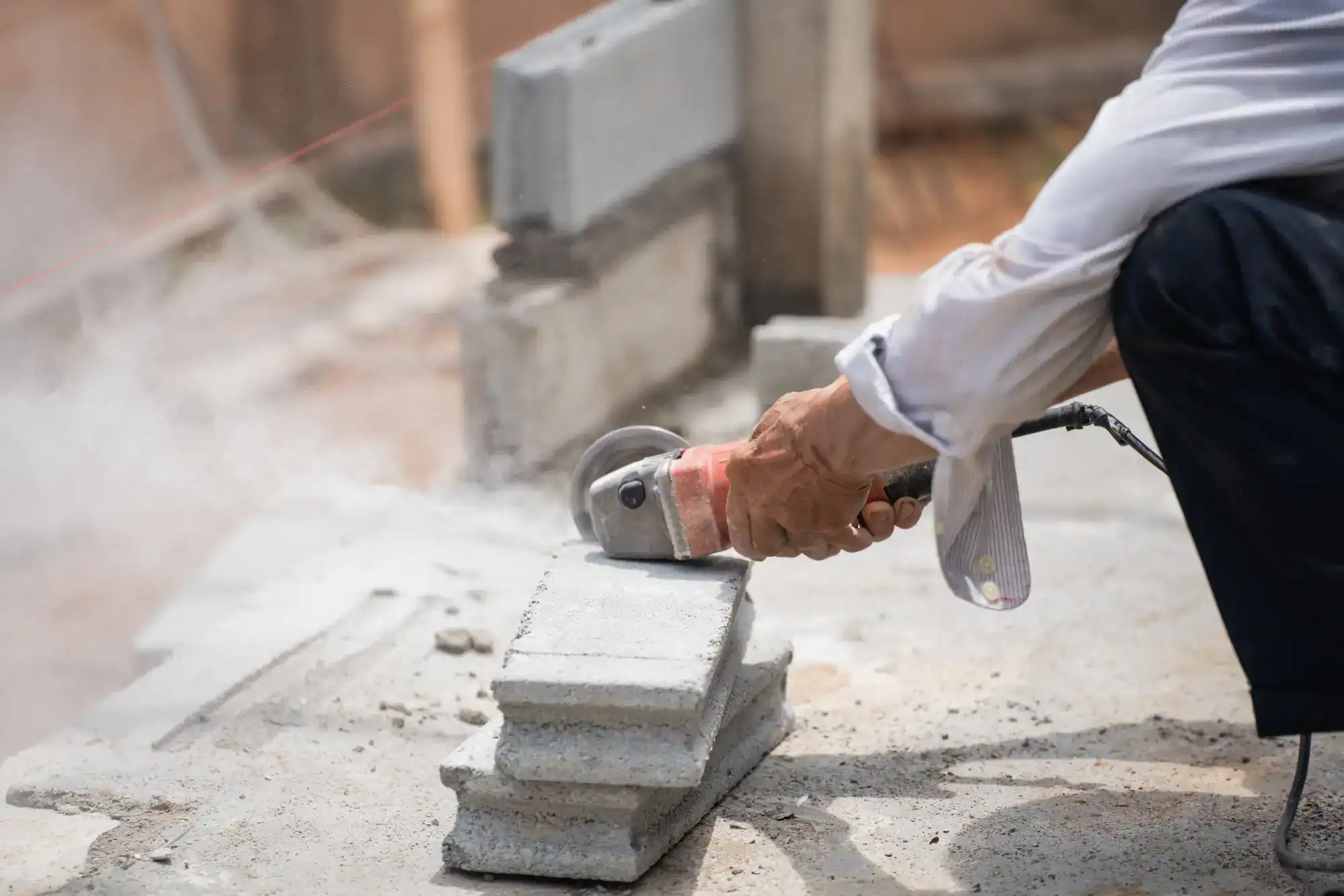
It affects it more than most people expect. Asphalt relies on a binder to hold the aggregate together, and that binder breaks down faster when it’s exposed to salt air and high humidity both of which are constants in Drum Point. The oxidation process that turns asphalt gray and brittle happens on every driveway eventually, but in a waterfront community at the confluence of the Patuxent River and the Chesapeake Bay, it happens noticeably faster than it does even 20 miles inland.
The practical result is that an unsealed driveway in Drum Point can start showing meaningful surface degradation within just a few years of installation. Sealcoating is the primary defense against this it slows the oxidation process, repels moisture, and keeps the surface flexible enough to handle temperature swings without cracking. For Drum Point homeowners, sealcoating isn’t a nice-to-have add-on. It’s a core part of protecting the investment you made in a properly installed surface.
Resurfacing sometimes called an overlay means laying a new layer of asphalt over your existing surface. It’s a viable option when the underlying base is still structurally sound and the existing asphalt has surface-level deterioration: cracking, fading, minor rutting. It costs less than a full replacement and can add meaningful years to a driveway’s life when the conditions are right.
Full replacement means removing the existing asphalt down to the base, evaluating and repairing the base layer as needed, and starting fresh. It’s the right call when the base has failed, when drainage issues have undermined the subgrade, or when the existing surface has deteriorated past the point where an overlay would hold. In Drum Point, where a lot of driveways were originally laid for seasonal use and have been carrying year-round traffic for years, base failure is more common than homeowners expect. The honest answer on which approach is right for your property comes from a proper site assessment not a phone estimate.
Any contractor performing home improvement work in Maryland including driveway paving is legally required to hold a Maryland Home Improvement Commission (MHIC) license. The MHIC license number should be displayed on the contractor’s website, on their written estimate, and on any contract they provide. You can verify any MHIC number directly through the Maryland Home Improvement Commission’s online database at no cost.
This matters especially in Southern Maryland, where traveling paving crews often offering “leftover asphalt” deals door to door are a documented and recurring problem. These crews typically demand cash upfront, do substandard work or none at all, and are gone before you have any recourse. If you hire an unlicensed contractor and the work fails, you have no access to Maryland’s guaranty fund, which exists specifically to protect homeowners in licensing disputes. Our MHIC license number is #159766 verify it before you book with anyone.
It depends on the scope of the project. Routine driveway resurfacing or sealcoating typically doesn’t require a permit. However, new driveway installations or projects that affect stormwater drainage, impervious surface coverage, or land within the Chesapeake Bay Critical Area may require review and approval from Calvert County or the Maryland Critical Area Commission.
The Critical Area designation is particularly relevant in Drum Point. Because the community sits at the confluence of the Patuxent River and the Chesapeake Bay, many properties fall within or near the 1,000-foot buffer zone regulated under Maryland’s Critical Area Law. This can affect how much impervious surface including paved driveways is permitted on a given lot, and it can require specific stormwater management measures as part of a paving project. A licensed Maryland contractor familiar with Calvert County’s regulatory environment will flag these considerations upfront and help you understand what approvals, if any, are needed before work begins.
The general industry recommendation is every three to five years, but in Drum Point, leaning toward the shorter end of that range makes sense. The combination of Chesapeake Bay salt air, coastal humidity, and the UV exposure that comes with waterfront living accelerates asphalt oxidation more than a standard suburban environment would. Waiting the full five years between applications in this area means your surface is spending more time unprotected than it should be.
For a new driveway, the first sealcoating application should happen approximately six months after installation enough time for the asphalt to fully cure, but before the surface has had a full season of exposure. After that, a three-to-four-year cycle is a reasonable target for most Drum Point properties. You’ll know it’s time when the surface starts looking gray or faded rather than black, or when water stops beading on the surface and starts soaking in instead. Catching it at that stage rather than waiting until cracks form is where sealcoating delivers the most value.
The biggest red flag is a contractor who shows up unsolicited, claims to have extra asphalt from a job nearby, and pushes for cash payment on the spot. This is one of the most common home improvement scams in Southern Maryland, and Calvert County residents have been targeted repeatedly. The pitch sounds reasonable discounted material, quick turnaround but the work is almost always substandard, and the crew is typically unreachable once they’ve left.
Beyond the door-to-door scam, watch for contractors who won’t provide a written estimate, can’t give you a verifiable MHIC license number, or quote prices significantly below every other estimate you’ve received. In a community like Drum Point, where homes carry real value and a bad paving job can cause drainage problems, structural damage, and costly repairs, the cheapest bid is rarely the right one. Ask for the license number, look it up, get everything in writing, and be skeptical of anyone who creates urgency around a decision that should take a few days to make carefully.
Other Services we provide in Drum Point