Hear from Our Customers
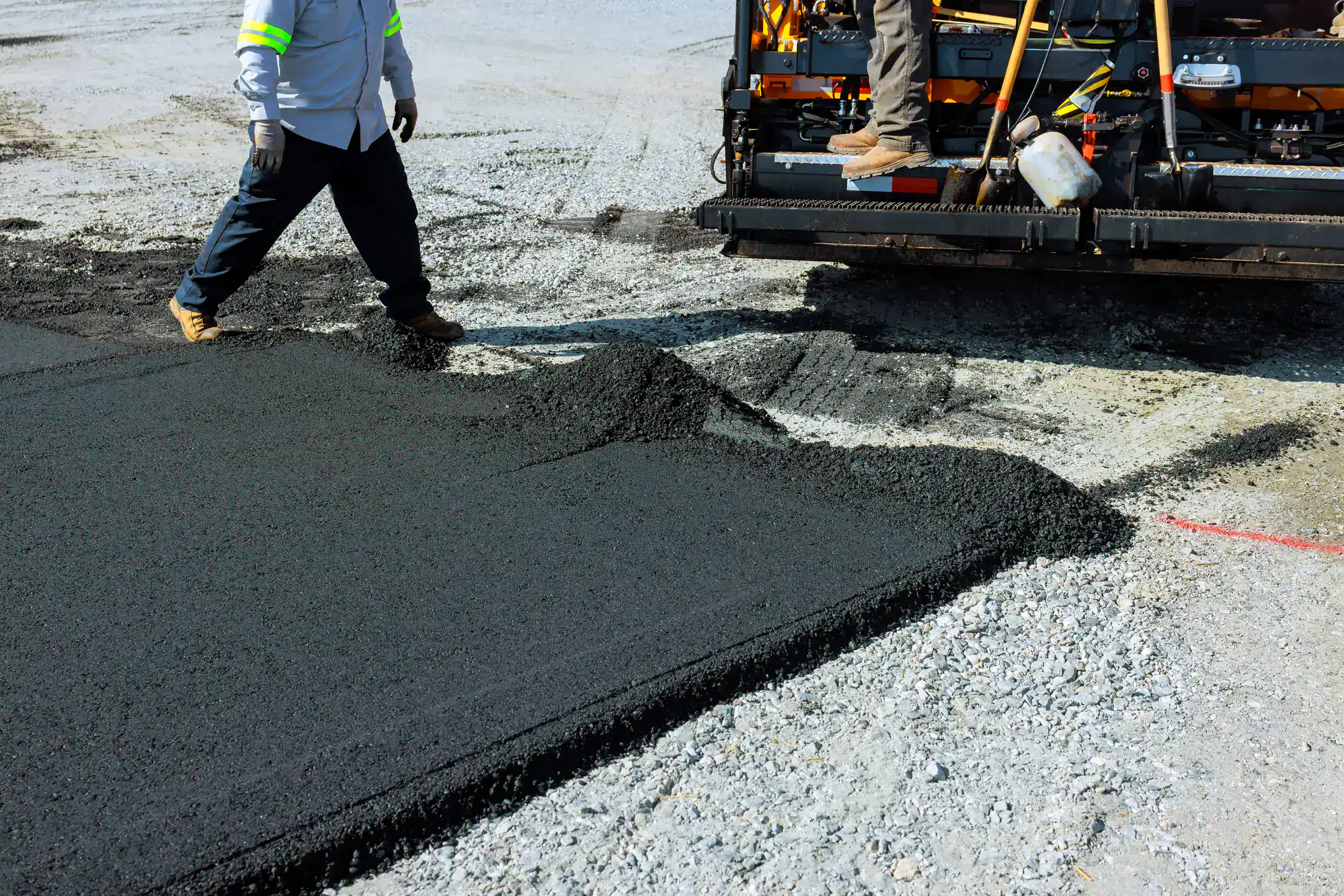
Long Beach sits right on the Chesapeake Bay, and that location does real damage to asphalt. Salt air accelerates binder oxidation the chemical process that makes pavement brittle and crack-prone faster than it does in inland communities. What might last 20 years in Crownsville or Gambrills can deteriorate noticeably sooner here without proper sealcoating and drainage. That’s just what coastal exposure does to pavement over time.
Calvert County also averages nearly 20 inches of snow per year and sits right in the freeze-thaw zone, with average winter temperatures hovering around 36°F. Water gets into surface cracks, freezes, expands, then thaws and every cycle makes the damage worse. A parking lot or private road that goes into November with surface cracking can come out of March with potholes and structural failure underneath. Catching it early costs a fraction of what reconstruction does.
For Long Beach specifically, a lot of the commercial-grade pavement that matters most isn’t owned by a municipality it’s owned by the community. The Long Beach Civic Association manages private roads and beach parking areas that residents rely on every single day. When those surfaces fail, it’s not a county problem to fix. It’s yours. We work with community associations throughout Long Beach to get ahead of that with proper maintenance and strategic repairs, so you’re not facing emergency assessments and major disruptions every few years.
We’ve been doing commercial asphalt work in Maryland since 2011. That’s over 14 years of navigating real project conditions not just laying asphalt, but understanding what makes pavement fail in this region and building jobs that hold up against it. We’re based in Annapolis, roughly 35 to 40 miles north of Long Beach via MD Route 2/4 the same road you likely take every day. This isn’t a distant contractor parachuting in. We’re a regional operator who knows Calvert County and the specific challenges Long Beach residents face.
We hold MHIC License #159766 a Maryland state credential that requires passing a rigorous exam, proving two or more years of real experience, and carrying proper insurance. We also carry a BBB A+ rating. In a part of Southern Maryland where unlicensed seasonal paving crews knock on doors and disappear when problems show up, those aren’t small distinctions. They’re the difference between a job that holds and one you’re paying to redo in three years.
We handle the full scope commercial asphalt paving, parking lot installation, sealcoating, crack filling, pavement repair, line striping, and ADA-compliant upgrades all under one license. No coordinating three vendors for a single lot.
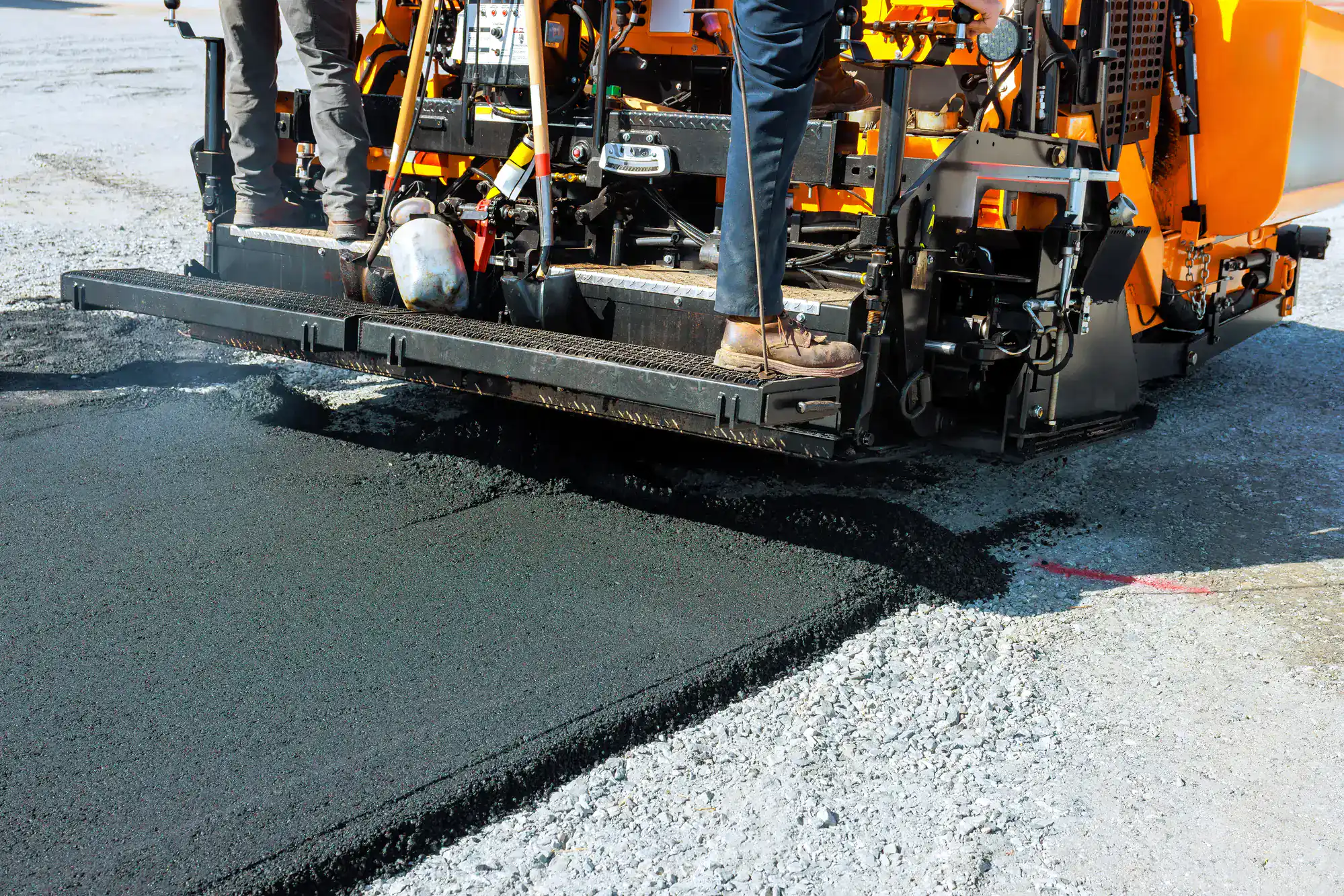
It starts with a free on-site assessment. Not a phone quote, not a ballpark an actual walk of your property. We look at drainage patterns, subgrade condition, surface deterioration, traffic load, and slope before any recommendation is made. For properties near the bay or along the Western Shores Boulevard corridor in Long Beach, drainage design gets particular attention. Water that pools or runs toward the foundation of your pavement is one of the fastest ways to shorten its life, and it’s something that needs to be engineered into the project from the start, not added as an afterthought.
Once the scope is clear, you get a detailed proposal that explains what’s being done and why. If your project involves significant impervious surface area, Calvert County’s Stormwater Management Ordinance may apply and we account for that in the planning phase, not something you find out about mid-project.
We schedule work around your operational needs. For community parking areas managed by the Long Beach Civic Association, that typically means planning around the beach season getting work completed before Memorial Day so access isn’t disrupted during the summer months when those lots see the heaviest use. Once paving is complete, sealcoating, striping, and any ADA compliance work can be handled in the same project cycle, so you’re not bringing a second crew back out six weeks later.

Ready to get started?
Commercial asphalt paving in Long Beach covers more ground than most people expect when they first call. Yes, it includes new lot installation and full-depth reconstruction when a surface has failed beyond repair. But for most commercial properties and community-managed surfaces in Long Beach, the more common need is a combination of services working together: milling and overlay to restore a deteriorated surface, crack filling to stop water infiltration before it reaches the subgrade, sealcoating to slow binder oxidation in the salt air environment, and line striping to keep the lot functional and compliant.
ADA compliance is part of the conversation on every commercial project. Any parking facility that serves the public needs to meet federal accessibility standards accessible spaces, proper slope, compliant signage placement, and van-accessible design where required. That applies whether you’re managing a small professional office lot along the MD Route 2/4 corridor near St. Leonard or a community parking area with seasonal beach access.
For private road surfaces within Long Beach the kind maintained by the LBCA and funded through annual road fees we focus our approach on long-term cost management. A properly maintained asphalt road treated with routine sealcoating and timely crack repair will consistently outlast one that gets deferred until it needs full reconstruction. The math is straightforward: proactive maintenance costs less, lasts longer, and avoids the kind of emergency assessments that no community board wants to bring to their neighbors.
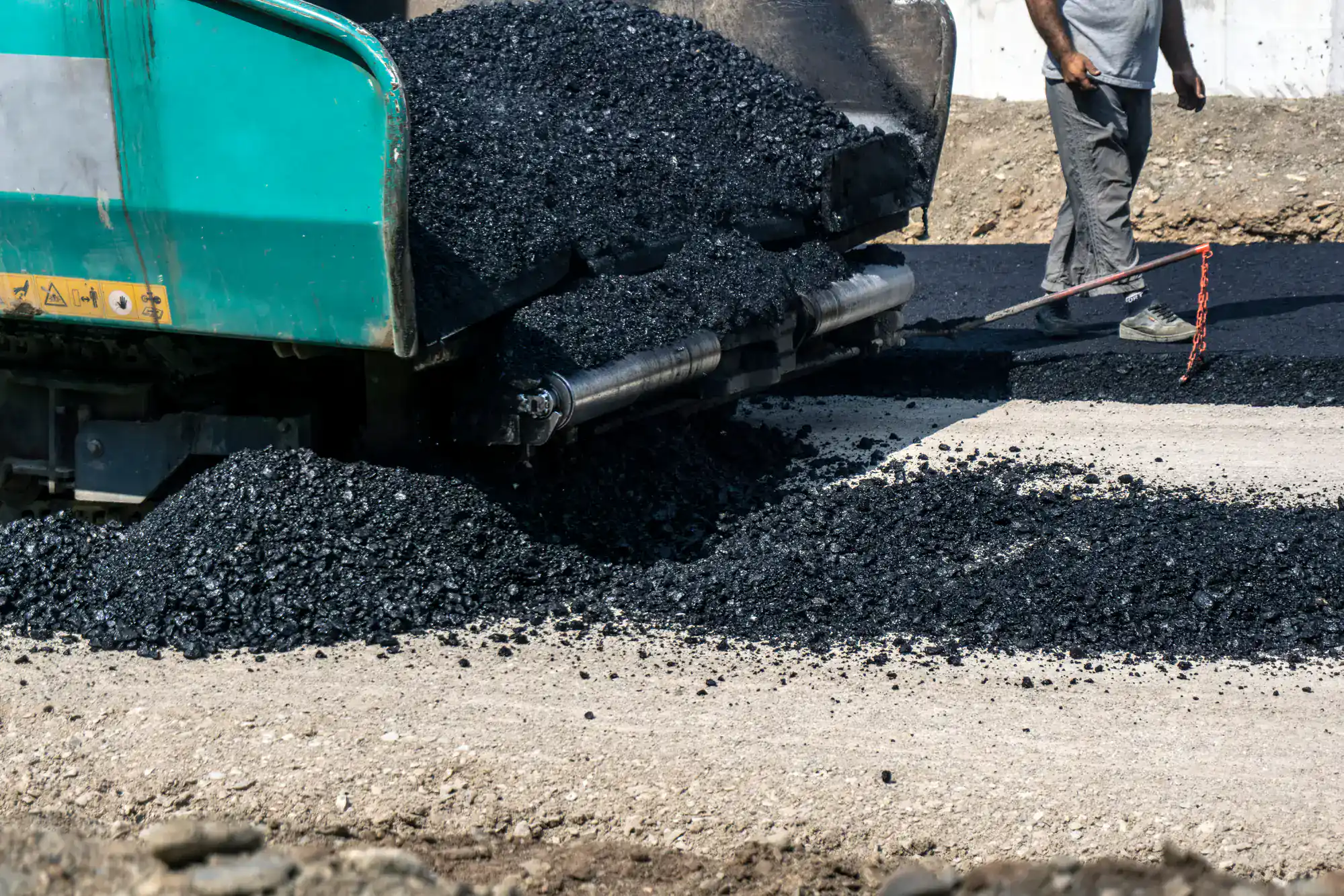
It does affect it, and more than most people realize. Asphalt is held together by a binder a petroleum-based material that keeps the aggregate flexible and bonded. That binder oxidizes naturally over time when exposed to UV light and air. In a coastal environment like Long Beach, where salt air is a constant presence off the Chesapeake Bay, that oxidation process moves faster than it does in inland communities. The binder breaks down more quickly, the pavement becomes brittle sooner, and surface cracking starts appearing earlier in the pavement’s life cycle.
The practical implication is that sealcoating matters more here than it does in a town like Bowie or Laurel. Sealcoating creates a protective barrier that slows binder oxidation, seals out moisture, and extends the functional life of the pavement. For Long Beach properties whether a community parking area, a private road, or a commercial lot near the MD Route 2/4 corridor a consistent sealcoating schedule every two to three years isn’t optional maintenance. It’s what keeps a 20-year pavement from becoming a 10-year pavement.
The short answer: waiting almost always multiplies the cost. Surface cracking that costs a few thousand dollars to address through crack filling and sealcoating can deteriorate into full structural failure within two to three winters especially in Calvert County, where freeze-thaw cycling is a real and recurring stressor. Once water gets through surface cracks and reaches the subgrade, the damage compounds with every freeze. What was a surface repair becomes a base failure, and a base failure means full reconstruction.
The numbers bear this out. A repair that runs $8,000 to $12,000 today can realistically become a $30,000 to $50,000 reconstruction job if it’s deferred for several years. For the Long Beach Civic Association managing community roads and parking areas funded through resident road fees, this math is particularly important. Deferring maintenance doesn’t eliminate the cost it just shifts it to a larger, more disruptive project that requires a bigger assessment from every property owner in the community. Getting ahead of it is almost always the more financially responsible decision.
It depends on the scope of the project. Routine maintenance work sealcoating, crack filling, restriping typically doesn’t trigger a permit requirement. But commercial paving projects that involve new impervious surface area or significant reconstruction may fall under Calvert County’s Stormwater Management Ordinance, which has been updated with revised intensity and frequency interval standards. If your project changes how water drains across the property, the county may require a stormwater management plan as part of the approval process.
Calvert County also updated its Adequate Public Facilities Ordinance in 2023, which affects roadway planning requirements for larger development projects. For most commercial lot resurfacing or private road maintenance work in Long Beach, these requirements don’t come into play but for any project that involves expanding a parking area or significantly altering site drainage, it’s worth addressing early. We account for local regulatory requirements during the assessment phase so you’re not caught off guard mid-project.
The condition of your subgrade is the deciding factor, and you can’t assess that from the surface alone. Surface cracking, fading, and minor raveling can often be addressed with crack filling, sealcoating, or a milling and overlay which preserves the existing base and costs significantly less than full reconstruction. But if the pavement has alligator cracking (the interconnected web pattern that looks like scales), widespread soft spots, or areas where the surface moves under vehicle weight, that’s a signal that the base has failed and surface-level repairs won’t hold.
For commercial properties and community-managed surfaces in Long Beach, the honest answer is that you need an on-site assessment before anyone can tell you which direction makes sense. A contractor who gives you a recommendation over the phone without walking the property is guessing. Our free site assessment looks at drainage, subgrade condition, load patterns, and surface deterioration together and gives you a clear, straightforward picture of what’s actually going on and what it will realistically cost to fix it right.
Late spring through early fall roughly May through October is the optimal window for commercial asphalt paving in Calvert County. Asphalt needs consistent warm temperatures to lay and cure properly. When ground temperatures drop below around 50°F, the mix cools too quickly during installation, which can compromise compaction and long-term durability. Attempting paving work in late fall or winter in this region introduces real quality risk.
For Long Beach specifically, the beach season adds a practical deadline that shapes the planning calendar. The LBCA’s beach parking areas see their heaviest use from Memorial Day through Labor Day, and paving work that disrupts those lots during peak season creates real problems for the community. The ideal window for community parking lot work is late winter to early spring February through April when temperatures are starting to climb and the lots are at their lightest use. That timing also happens to follow the worst of the freeze-thaw season, so you can assess winter damage accurately before committing to a scope of work.
Start with the MHIC license number. Maryland’s Home Improvement Commission license isn’t a rubber stamp it requires passing a state exam, demonstrating at least two years of real contracting experience, and maintaining proper insurance. Ask for the number and verify it on the MHIC database. In Southern Maryland, unlicensed paving crews are a known problem. They show up with low prices, lay substandard asphalt without proper base preparation, and are unreachable when the pavement fails two seasons later. A verifiable license number is the first filter.
Beyond licensing, look for a contractor who walks your property before quoting it, explains their drainage and subgrade approach, and can handle the full scope of the project paving, sealcoating, striping, and ADA compliance without subcontracting pieces out to other vendors. For community associations like the LBCA making decisions on behalf of Long Beach residents, you also want a contractor who can provide a detailed written proposal that clearly explains what’s being done, what materials are being used, and what the expected lifespan of the work is. That level of transparency is what makes a recommendation defensible to your neighbors.
Other Services we provide in Long Beach