Hear from Our Customers
Homes in Long Beach average over $505,000 in value. That number matters when you’re deciding whether to cut corners on the driveway. A cracked, faded surface doesn’t just look neglected it tells every visitor, neighbor, and future buyer that maintenance has been deferred. In a tight-knit waterfront community like Long Beach, where the Long Beach Civic Association holds monthly meetings and neighbors genuinely notice, curb appeal carries real weight.
What makes Long Beach different from an inland Maryland community isn’t just the scenery. The salt air coming off the Chesapeake accelerates asphalt oxidation faster than you’d see in Crofton or Gambrills. That means the binder holding your pavement together breaks down sooner, surfaces dry out and crack earlier, and water finds its way in before most homeowners realize there’s a problem. A properly installed and maintained asphalt surface with the right base, the right mix, and a consistent sealcoating schedule holds up against that environment instead of surrendering to it.
Calvert County also averages 19.4 inches of snow annually, with winter temperatures that hover right around the freeze-thaw threshold for months at a time. Every small crack left unsealed becomes a bigger one by April. The good news is that this kind of damage is almost entirely preventable when the job is done right from the start and maintained on a reasonable schedule.
We’ve been operating in Maryland for over 40 years. That’s not a marketing number it’s the kind of track record that only exists when contractors consistently do work that holds up. We hold MHIC License #159766, which is Maryland’s mandatory home improvement contractor credential, and it’s backed by the state’s guaranty fund. If something goes wrong, you have real recourse not just a disconnected phone number.
We serve Long Beach homeowners and property managers throughout Calvert County, and we understand what paving in this environment actually requires. From individual residential driveways off county roads to community-scale road work like what the Long Beach Civic Association manages across its 2.5 miles of private roads, we have the equipment, experience, and licensing to handle it. This isn’t a side operation. It’s a full-service asphalt paving company with the depth to back it up.
It starts with a free, written estimate. We come out, assess your existing surface or the area being paved, and give you a detailed scope of work with clear pricing before anything is committed. No ballpark numbers, no vague ranges. You know what you’re getting and what it costs before a single piece of equipment shows up.
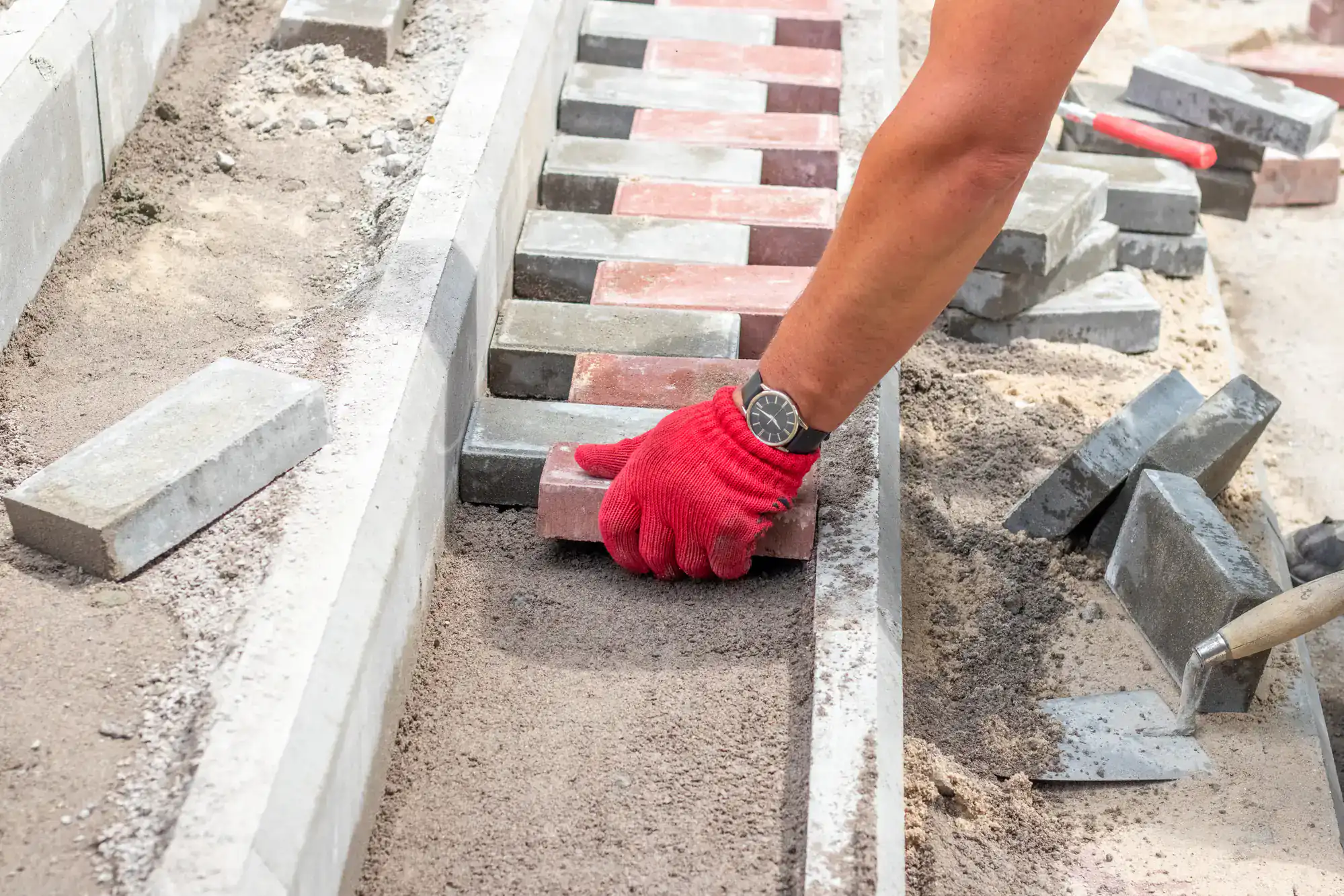
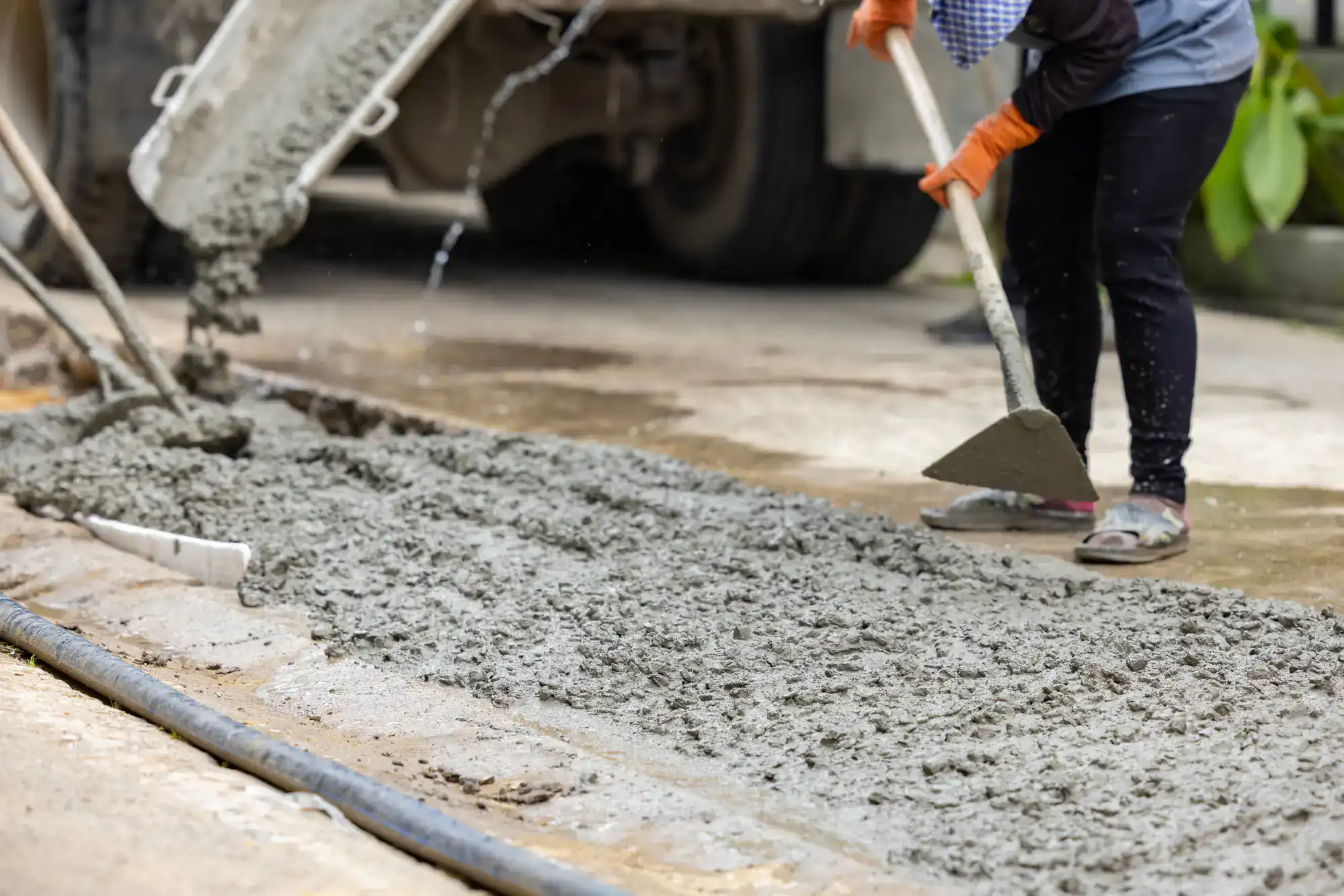
From there, the foundation work is where most of the important decisions happen. Proper base preparation and grading are what determine whether your driveway lasts 25 years or starts failing after the first few Maryland winters. In Long Beach, drainage is especially critical the coastal plain geography and Calvert County’s 43 inches of annual rainfall mean water management beneath the surface isn’t optional. We grade for drainage, compact the base properly, and lay asphalt at the right thickness for the load and conditions.
Once the surface is down and cured, we’ll walk you through a recommended maintenance schedule. For Long Beach properties, that typically means sealcoating within the first six months and then every three to five years after a straightforward routine that keeps the surface protected against salt air, UV exposure, and freeze-thaw damage. If your project requires any coordination with Calvert County’s Department of Public Works for driveway apron connections to public roads, we’ll help you understand what’s needed. The process is straightforward when you work with a contractor who’s done this in this county before.
Ready to get started?
We handle the full range of asphalt paving services in Long Beach and throughout Calvert County from new driveway installation to commercial parking lot paving, sealcoating, crack repair, and parking lot striping. For residential homeowners in Long Beach, that means you don’t need to find a different contractor every time your asphalt needs attention. One licensed Maryland company handles it all, start to finish and year after year.
For the Long Beach Civic Association and property managers dealing with community-scale road work, we bring the commercial paving capability that individual driveway contractors simply don’t have. The LBCA’s private road network requires a contractor who understands road-grade base preparation, proper drainage engineering, and the kind of accountability that comes with work affecting hundreds of neighboring properties. That’s a different scope than a single driveway, and it requires a different level of experience.
Sealcoating deserves a specific mention here because it’s the most cost-effective thing a Long Beach property owner can do for their asphalt. Given the bay’s salt air exposure and Calvert County’s freeze-thaw season, an unsealed surface deteriorates significantly faster than it would in a less demanding environment. Sealcoating is applied after the surface has fully cured, and timing matters it needs to be done when temperatures are above 50°F and no rain is expected within 24 hours. We’ll tell you exactly when your surface is ready and what the window looks like for your specific property.
The salt air coming off the Chesapeake Bay is one of the more underappreciated factors in asphalt longevity for Long Beach homeowners. Salt accelerates the oxidation of the asphalt binder the material that holds the aggregate together and gives the surface its flexibility. Once that binder starts breaking down, the surface becomes brittle, surface cracking starts appearing earlier than it would inland, and water infiltration accelerates from there.
The practical difference between a sealed and unsealed driveway in a coastal community like Long Beach is meaningful. Sealcoating creates a protective barrier against salt, UV rays, and moisture essentially slowing the oxidation process significantly. For properties closest to the water in Long Beach, we’d recommend not waiting the full five years between sealcoat applications. A three-to-four-year cycle is more appropriate given the exposure level. The cost of sealcoating on schedule is a fraction of what early resurfacing or full replacement costs, and in this environment, that math is especially clear.
Base preparation is the part of the job that determines whether your driveway lasts or fails and it’s the first thing cut by contractors who underbid. A proper base starts with grading the subgrade so that water drains away from the surface rather than pooling beneath it. In Long Beach and the broader Calvert County area, where annual rainfall averages 43 inches and the coastal plain soil has specific drainage characteristics, this step is not a formality.
After grading, a compacted aggregate base layer is installed typically four to six inches for a residential driveway, more for heavier commercial applications. This base distributes the load from vehicles across the subgrade and prevents the settling and cracking that comes from soft spots beneath the surface. The asphalt itself is then laid at the correct thickness and compacted while hot. Skipping or rushing any of these steps produces a driveway that looks fine for the first year and starts showing structural problems by year three or four. The difference isn’t visible on day one it shows up after the first few Calvert County winters.
It depends on the scope of the project. For most residential driveway replacements in Long Beach resurfacing an existing footprint, for example a permit is typically not required. However, if your project involves a new driveway apron connection to a county-maintained road, changes to drainage patterns, or significant grading work, Calvert County’s Department of Public Works may need to review the plan.
Long Beach is an unincorporated community, so there’s no separate municipal permitting layer everything goes through Calvert County. If your property is within the Long Beach Civic Association’s private road network, there may also be deed covenant considerations for any work that interfaces with LBCA-maintained roads, and it’s worth notifying the LBCA board before work begins. We’ve worked in Calvert County long enough to know what typically triggers a permit review and what doesn’t, and we’ll flag anything relevant during your free estimate so there are no surprises once work starts.
The practical paving window in Long Beach runs from April through October, when ambient temperatures are consistently above 50°F the minimum threshold for asphalt to compact and cure properly. Below that temperature, the mix cools too quickly during installation, which affects compaction quality and long-term durability.
Within that window, spring and fall are the two busiest periods for good reason. Spring demand picks up as Long Beach homeowners assess the damage from Calvert County’s freeze-thaw season cracks that opened over winter, surfaces that shifted, areas where water pooled and weakened the base. Fall is driven by homeowners who want to get ahead of the next winter before the first hard freeze locks in any existing damage. If you’re planning a new installation or a significant repair, scheduling in late spring or early summer gives the surface maximum curing time before cold weather arrives. For sealcoating specifically, timing around Long Beach’s coastal humidity and fall rain patterns matters we’ll give you a realistic window based on the forecast and your surface’s condition.
In Maryland, any contractor performing home improvement work including asphalt paving is legally required to hold a current MHIC license issued by the Maryland Home Improvement Commission. You can verify any contractor’s license number directly through the MHIC’s public online database. It takes about two minutes and tells you whether the license is active, what it covers, and whether there are any complaints on file.
Why does this matter specifically in a community like Long Beach? Waterfront and rural communities with fewer local contractor options are frequently targeted by traveling paving crews door-to-door solicitations, cash-only pricing, no written estimates, and no license number to provide. These operations are gone before the pavement starts failing. An MHIC license isn’t just a credential it’s backed by the state’s guaranty fund, which gives you a financial safety net if a licensed contractor fails to complete the work. We hold MHIC License #159766. Look it up before you call anyone, including us.
Asphalt driveway pricing in the Long Beach area generally runs between $3 and $7 per square foot for a standard residential installation, depending on the size of the driveway, the condition of the existing base, the amount of grading required, and whether any drainage work is needed. A typical two-car driveway roughly 600 to 800 square feet usually falls somewhere between $2,000 and $5,500 fully installed.
For Long Beach properties specifically, a few factors can push costs toward the higher end of that range. If the existing base has drainage issues common in coastal plain areas with high annual rainfall addressing that properly before laying new asphalt adds cost upfront but prevents far more expensive problems later. Properties with significant grade changes or tight access also affect pricing. The most reliable way to get an accurate number is a site visit and written estimate, which we provide at no cost and no obligation. Given that the average home in this area is worth over half a million dollars, the difference between a $3,000 driveway and a $5,000 driveway is a rounding error compared to the cost of replacing a failed surface in five years.
Other Services we provide in Long Beach