Hear from Our Customers
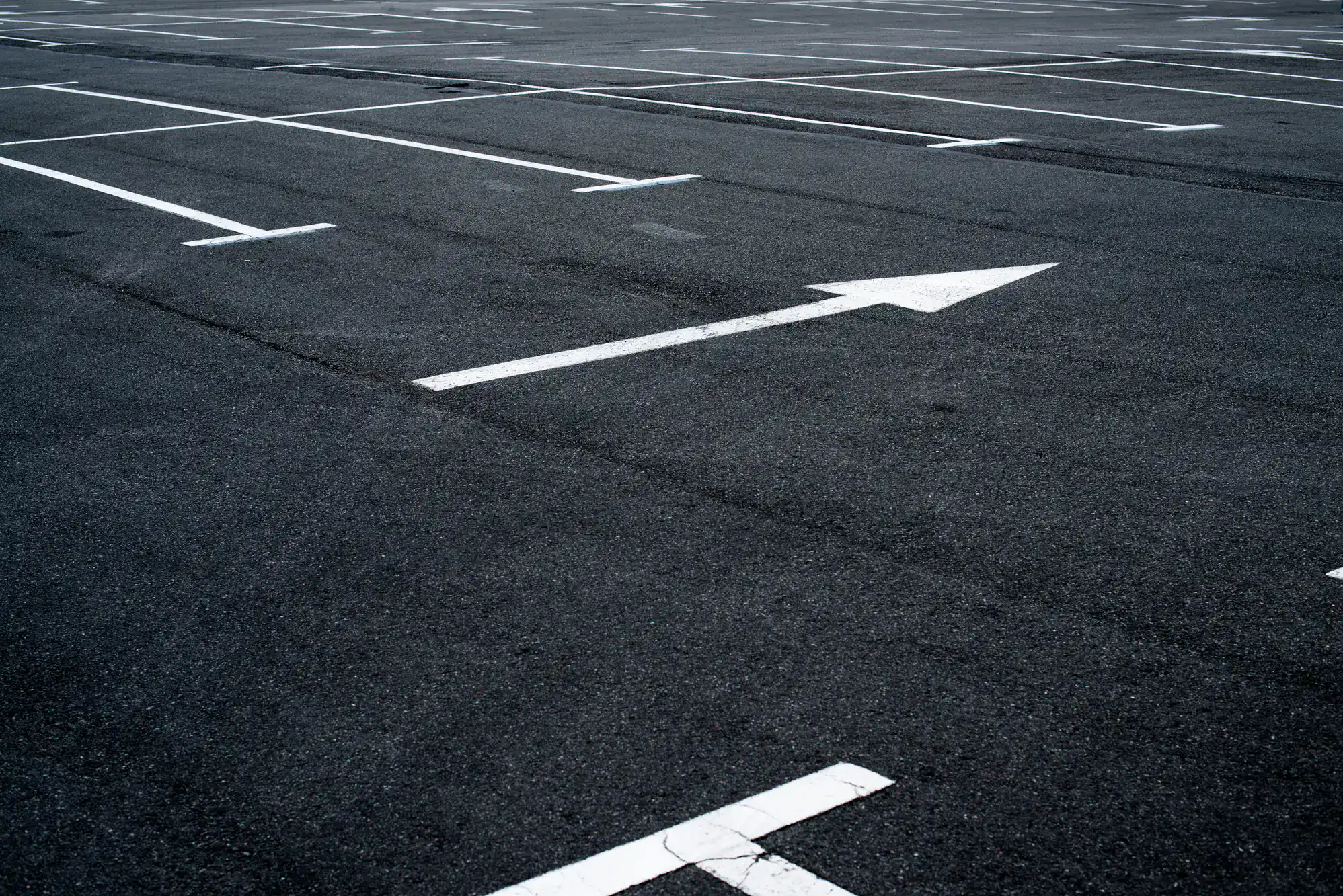
When a parking lot starts failing in Calvert Beach, it doesn’t fail quietly. Cracks show up after the first hard winter. Water pools after a heavy rain. The surface oxidizes faster than it should because the salt air off the bay speeds up the process. Before long, you’re looking at a lot that’s become a liability for your property value, your tenants, or the community members who use it.
The fix isn’t just laying asphalt. It’s laying the right asphalt, with the right drainage, on a properly prepared base. Calvert County averages 43 inches of rain per year and nearly 20 inches of snow with winter temperatures that hover right around the freeze-thaw line. That means your lot goes through expansion and contraction cycles all winter long, and if the subbase wasn’t compacted correctly or the drainage wasn’t engineered for this environment, you’ll feel it by spring.
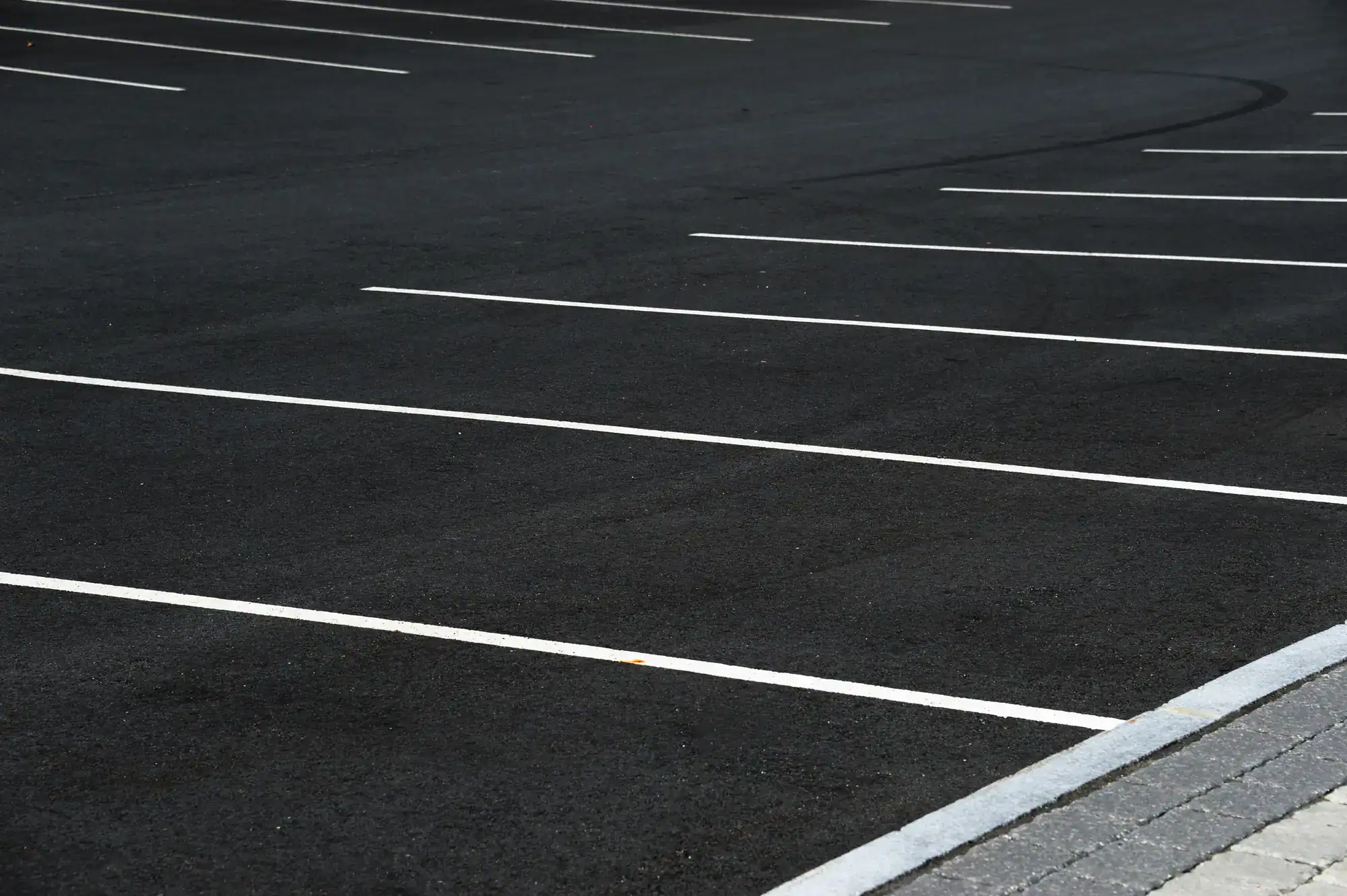
What you get with a properly installed commercial parking lot is simple: a surface that doesn’t surprise you. No sinkholes forming near the drainage edge, no crumbling corners by February, no emergency patching calls in the middle of your busiest season. Just a lot that does its job for the next 20-plus years because the work was done right the first time.
We’ve been operating out of Annapolis since 2011, roughly 25 miles up MD Route 2-4 from Calvert Beach. That proximity matters. When you call, someone who actually knows this stretch of the bay shore shows up.
Over 14 years working across the Chesapeake region and specifically in Calvert Beach and surrounding communities, we’ve seen what happens to parking lots that weren’t built for coastal conditions. Sandy subsoil near the waterfront shifts differently than inland ground. Marine humidity keeps surfaces damp longer after rain, which affects both installation timing and long-term surface integrity. These aren’t textbook concerns they’re things you learn from doing this work here, in this climate, for over a decade.
We hold MHIC License #159766, carry a BBB A+ rating, and work on everything from community association lots to commercial property paving along the Calvert County corridor. If you’re managing a property near Calvert Beach and need a contractor who won’t treat your project like a low-priority side job, that’s exactly the kind of work we do.
It starts with a site visit. Before anything is quoted or scheduled, we look at what you’re working with the existing surface condition, how water currently drains off the lot, what the subbase looks like, and whether there are any ADA compliance gaps that need to be addressed in the new layout. For properties in Calvert Beach and the St. Leonard area, we also factor in the coastal soil conditions and drainage demands that come with being this close to the bay.
From there, you get a written quote. Itemized, specific, and straightforward so you know exactly what’s included before any work begins. If you’re a civic association board running a formal bid process or a commercial property manager comparing contractors, that written scope is your baseline for comparison. No verbal estimates, no scope disputes after the fact.
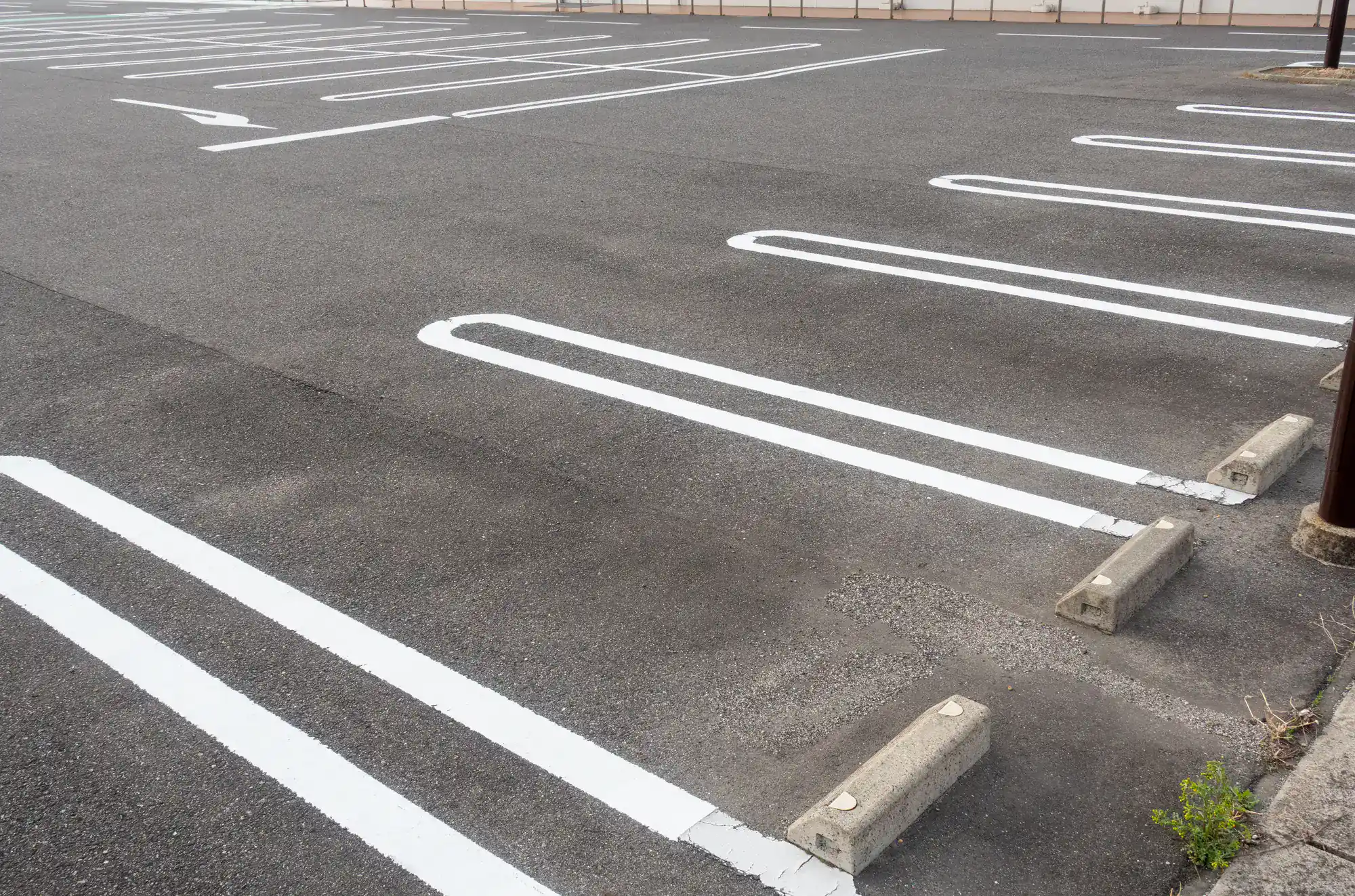
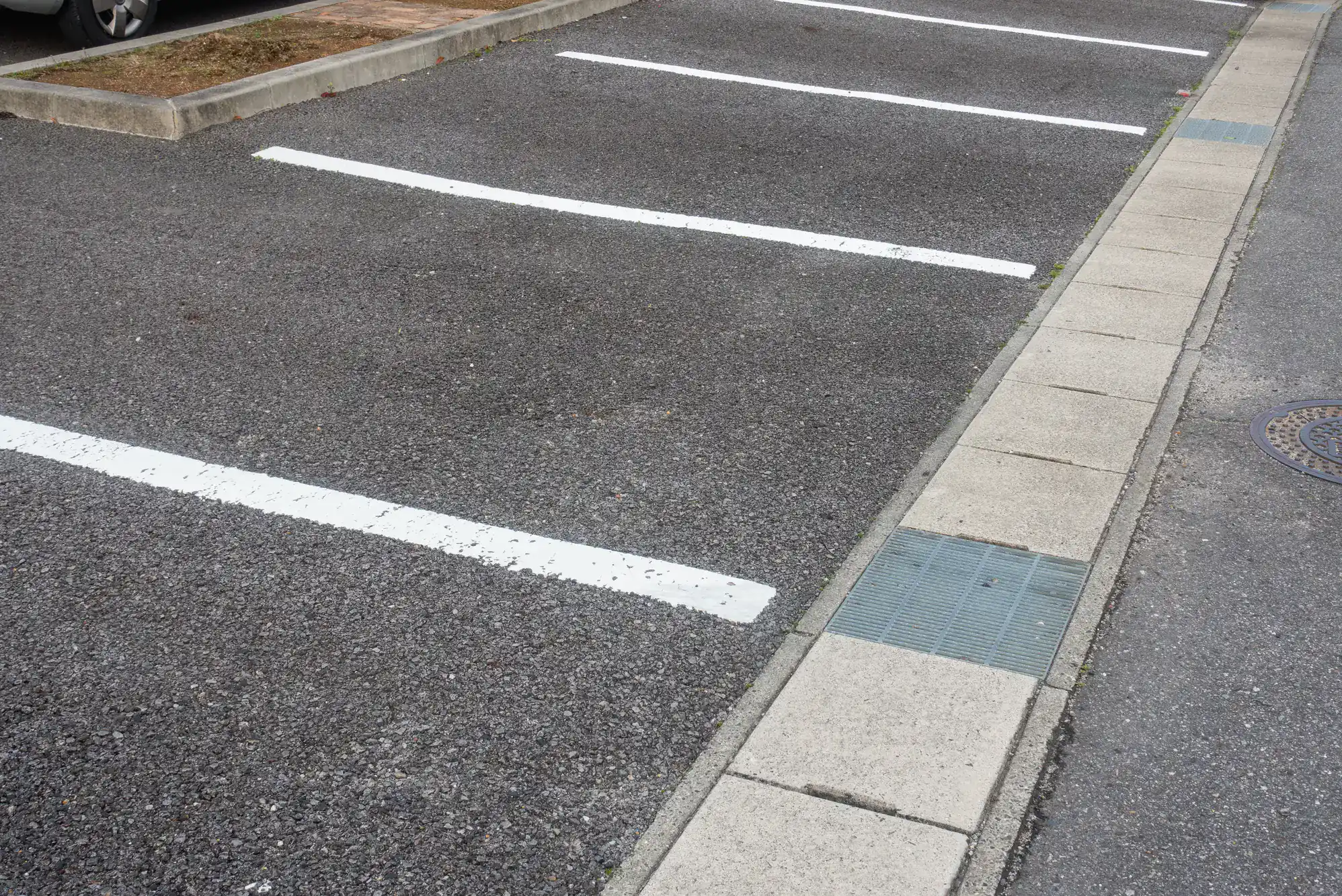
Once the project is approved, we handle subgrade preparation and compaction first because that’s where long-term performance is actually determined, not at the surface. Then comes the hot-mix asphalt installation, followed by line striping and any ADA-required markings. In Calvert County, projects disturbing more than 5,000 square feet require a grading and sediment control permit through the county we’re familiar with that process and factor it into the project timeline. When the job is done, the lot is ready to use, properly marked, and built to hold up through whatever the next Chesapeake Bay winter brings.
Ready to get started?
Whether you’re paving a new commercial lot from scratch or resurfacing something that’s been neglected for too long, the scope of what’s included matters. For commercial parking lot paving in Calvert Beach and the surrounding Calvert County area, we cover the full range: new asphalt parking lot installation, resurfacing and overlay work, drainage grading, ADA-compliant layout and striping, sealcoating, and crack filling on a maintenance schedule.
That last part is worth paying attention to. A new lot installed today costs roughly $2 to $4.50 per square foot. Sealcoating every two to five years runs $0.15 to $0.30 per square foot. The math is obvious a consistent maintenance program is far cheaper than early replacement. For community associations like the Calvert Beach Civic Association managing shared parking infrastructure on a fixed annual budget, that maintenance schedule is the difference between a lot that lasts 15 years and one that lasts 25.
Every commercial paving project we complete in Calvert County includes ADA compliance review as a standard part of the process not an add-on. Federal standards require one accessible space per 25 total spaces, van-accessible aisles at a minimum of 8 feet, and precise slope tolerances. First-violation fines reach $75,000. Getting it right at installation costs nothing extra. Retrofitting after a complaint costs significantly more.
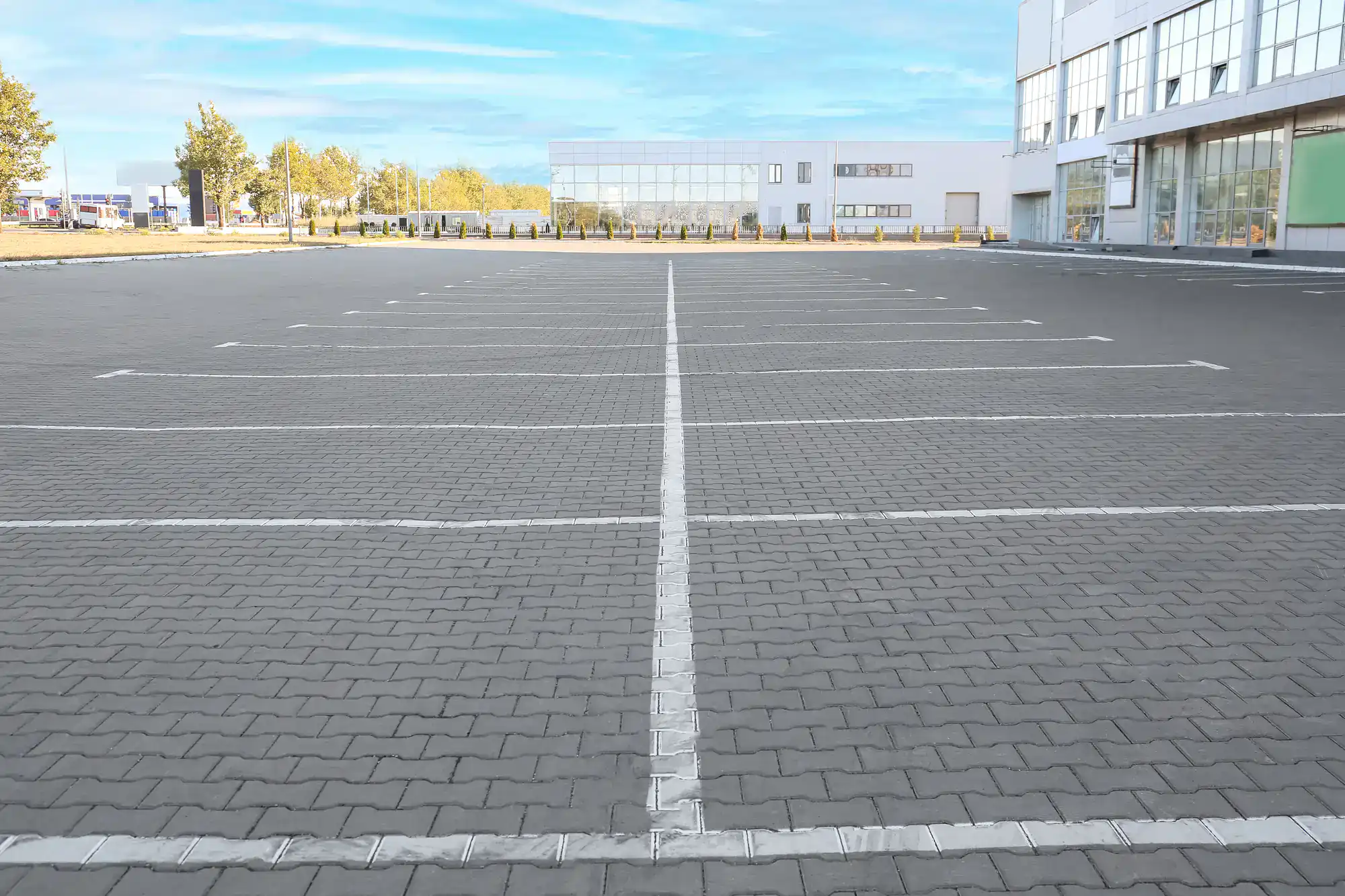
For most commercial parking lot paving projects in Calvert Beach and the surrounding Calvert County area, you’re looking at roughly $2 to $4.50 per square foot for new asphalt installation. The range depends on the size of the lot, the condition of the existing subbase, how much grading and drainage work is needed, and whether ADA-compliant layout and striping are being incorporated from the start.
Coastal properties near the Chesapeake Bay sometimes require additional subbase preparation due to the sandy, clay-mixed soils common to this part of Calvert County. That can affect the overall cost, but skipping that step to save money upfront almost always leads to premature cracking and settling which costs far more to fix later. The most accurate way to know what your project will cost is a site visit and a written quote. We provide both at no charge.
In most cases, yes. For commercial paving projects in Calvert County that disturb more than 5,000 square feet of land, Maryland state law requires a grading and sediment control permit. Because Calvert Beach is an unincorporated community with no town government of its own, all permitting flows through Calvert County specifically the Department of Planning and Zoning and the Department of Public Works for anything affecting county road access or drainage.
If your project involves a new driveway apron or access point connecting to MD Route 2-4, you’ll also need coordination with the Maryland State Highway Administration. It sounds like a lot of moving parts, but for a contractor who regularly works in this county, it’s a standard part of project planning. We factor permit requirements and timelines into every commercial paving proposal so there are no surprises once work is scheduled to begin.
The practical paving window for Calvert Beach runs from mid-April through October. Hot-mix asphalt needs ambient temperatures above 50°F to install and cure properly, and Calvert County’s average winter temperature of 36.4°F means that window closes reliably by late fall. The bay shore’s slightly moderated temperatures can push the usable season a little longer at both ends compared to inland Maryland, but not by much.
If you’re managing a community lot or commercial property in Calvert Beach, the two most strategically useful windows are spring and early fall. Spring is when you assess and repair winter freeze-thaw damage Calvert County averages nearly 20 inches of snow annually, and that cycle takes a real toll. Early fall, typically September through October, is the ideal time for sealcoating before temperatures drop, which protects the surface through the coming winter. Planning around those windows keeps your lot in the best possible condition year-round.
The honest answer is that it depends on what’s failing and why. Surface cracking, faded striping, and minor potholes are typically maintenance issues crack filling and sealcoating can extend the life of an otherwise structurally sound lot by years. But if you’re seeing alligator cracking across large sections, significant drainage problems, or areas where the surface is sinking or heaving, those are usually signs of subbase failure. At that point, patching the surface is just delaying the inevitable.
For properties near Calvert Beach, one of the more common culprits is subbase settlement in the sandy coastal soils that characterize this part of Calvert County. A lot that looks like it just needs a patch on the surface may actually have a drainage or compaction issue underneath driving the damage. A site evaluation is the only way to know for certain and it’s the first step before any honest contractor quotes you a repair versus replacement recommendation.
It does, and it’s worth understanding why. Salt air off the Chesapeake Bay accelerates the oxidation of asphalt binder the material that holds the aggregate together and gives the surface its flexibility. When that binder oxidizes faster than normal, the surface becomes brittle sooner, which means cracking starts earlier and progresses more quickly than it would at an inland location. High ambient humidity also means surfaces stay damp longer after rain, which affects both the timing of new installations and the curing of sealcoating applications.
None of this means a parking lot near Calvert Beach can’t last 20 to 25 years it absolutely can. But it does mean the materials, the installation process, and the maintenance schedule need to account for the coastal environment. Using commercial-grade hot-mix asphalt with the correct binder content, sealcoating on a consistent schedule, and addressing cracks before they allow water infiltration are the specific factors that determine whether your lot holds up for two decades or starts showing serious wear within five years.
Yes, and it should be handled as part of the paving project from the beginning not treated as a separate add-on after the fact. Federal ADA standards apply to every commercial property in Calvert County, including small professional offices, community facilities, and civic association parking areas. The requirements cover accessible space ratios, van-accessible aisle widths, running and cross slopes, and clearly marked accessible routes from the parking area to the building entrance.
For properties like community association lots in Calvert Beach, where the parking infrastructure serves a broad range of residents including those with mobility needs, ADA compliance isn’t just a legal requirement it’s a practical one. First-violation federal fines can reach $75,000, and retrofitting a non-compliant lot after a complaint almost always costs more than designing it correctly during the original paving project. Every commercial parking lot paving project we complete in Calvert County includes an ADA compliance review and compliant layout as a standard part of the scope.
Other Services we provide in Calvert Beach