

Hear from Our Customers

When your property sits on Annapolis Neck bounded by the South River and the Chesapeake Bay the water table isn’t an abstract concern. It’s the ground beneath your parking lot. High soil saturation near the shoreline is one of the leading causes of premature asphalt failure, and it’s something most contractors don’t assess before they pour. We conduct a real drainage assessment at the site visit stage because we’ve been working in this area long enough to know what happens when you skip it. When it’s done right, you get a surface that drains properly, holds its structure through wet seasons, and doesn’t start cracking within a few years of installation.
Maryland’s freeze-thaw cycle is the other half of the equation. The Annapolis area sees 10 to 20 freeze-thaw cycles in a typical winter. Water gets into micro-cracks, freezes, expands, and pulls the pavement apart from the inside. A properly engineered commercial lot, installed at the right thickness with the right mix, handles that stress year after year. One that wasn’t built for it shows you the damage by spring.
For the HOA-governed communities, marina facilities, and commercial properties along Forest Drive, a well-maintained parking lot also protects something less visible: property values. In a community where waterfront homes start at $725,000 and HOA boards hold common areas to a visible standard, a cracked or faded lot isn’t just a maintenance issue it’s the first thing people see.
We’ve been operating out of Annapolis, MD since 2011 14 years of working in the same county, navigating the same Maryland and Central and Northern Virginia permit process, and understanding what Mid-Atlantic winters actually do to commercial pavement. Our office is on West Street, a short drive from Annapolis Neck via Forest Drive. That proximity isn’t just geography it means when a question comes up mid-project, someone who knows this area responds quickly.
We hold MHIC License #159766, which is a legally required Maryland Home Improvement Commission credential you can verify through the state’s DLLR database before signing anything. We earned BBB A+ accreditation in August 2024. For HOA boards in communities like Chesapeake Harbour or Oyster Harbor where decisions are collective and board members are accountable to their neighbors those credentials aren’t a formality. They’re the baseline for doing business responsibly.
We handle new installation, overlays, sealcoating, crack filling, repairs, and line striping including ADA-compliant markings. One contractor, one contract, one point of accountability across the full life of your lot.
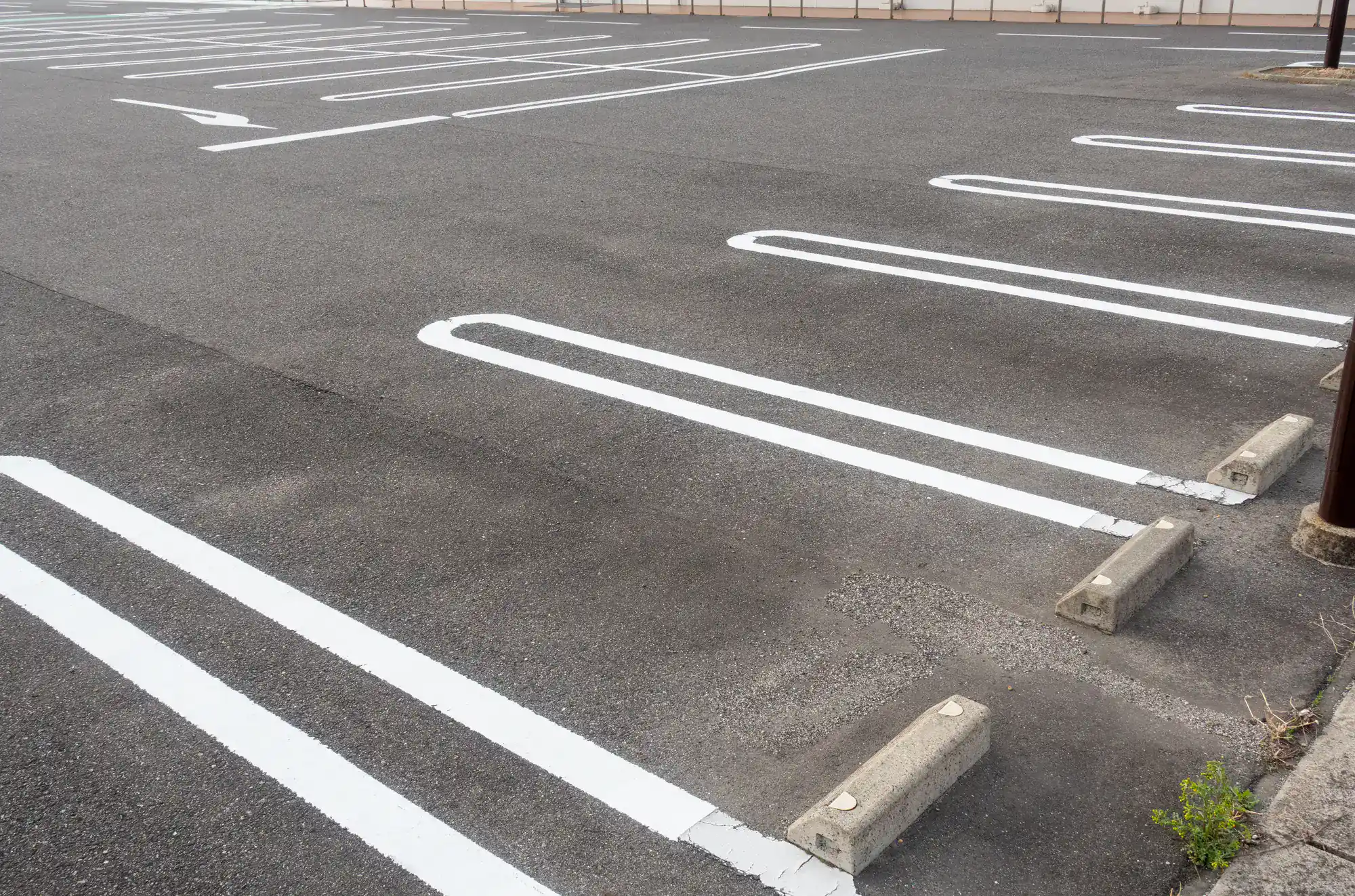
It starts with a site visit, not a phone estimate. For any commercial parking lot paving project in Annapolis Neck, that means a real drainage assessment before anything else. Because much of this peninsula sits within Maryland and Central and Northern Virginia’s Critical Area land within 1,000 feet of tidal waters new parking lot construction that increases impervious surface coverage may require county site development review and stormwater management evaluation. That’s not a hurdle to avoid; it’s a step that protects your project from permit issues and long-term drainage failures. We’ve been working through Maryland and Central and Northern Virginia’s permitting process for 14 years and know what’s required before a shovel hits the ground.
Once the site is assessed and the scope is confirmed, subbase preparation comes first. This is where a lot of cheaper jobs cut corners skimping on compacted gravel depth to save time and material costs. The subbase is what holds everything up. After that, commercial-grade hot-mix asphalt goes down at the correct thickness for commercial traffic loads, whether that’s standard vehicles, boat trailers at a marina facility, or delivery trucks at a commercial property along Forest Drive.
Line striping and ADA-compliant markings are completed as part of the same project not handed off to a separate crew. Spring and summer are the primary installation windows in Maryland, when temperatures stay consistently above 50°F and asphalt cures properly. If you’re assessing winter damage and planning ahead, now is the right time to get a written proposal on the calendar.
Ready to get started?
A new parking lot installation in Annapolis Neck covers more ground than just laying asphalt. It starts with site grading and drainage engineering especially critical here given the peninsula’s proximity to tidal water and the elevated water table near the South River and Chesapeake Bay shoreline. Commercial-grade hot-mix asphalt is installed at 3 to 5+ inches of thickness over a properly compacted subbase, engineered for the vehicle loads your specific property handles. For marina facilities dealing with boat trailer traffic, that load calculation matters more than most property owners realize.
For communities like Bay Highlands established in 1956 or the gated properties within Chesapeake Harbour, aging pavement infrastructure is a real and ongoing concern. We offer asphalt overlays for lots that have structural integrity but surface deterioration, sealcoating on a recommended 2-to-5-year cycle to protect against UV oxidation and water infiltration, and targeted crack filling to stop minor damage before it becomes a full replacement. ADA-compliant line striping including properly sized van-accessible aisles and marked accessible routes is included on every new installation and available as a standalone service for existing lots that need to come into compliance.
For HOA boards managing common area budgets across Annapolis Roads, Oyster Harbor, or similar communities, a structured maintenance program means predictable annual costs and a lot that stays out of full-replacement territory for as long as possible. That’s a financial planning conversation as much as a paving one.
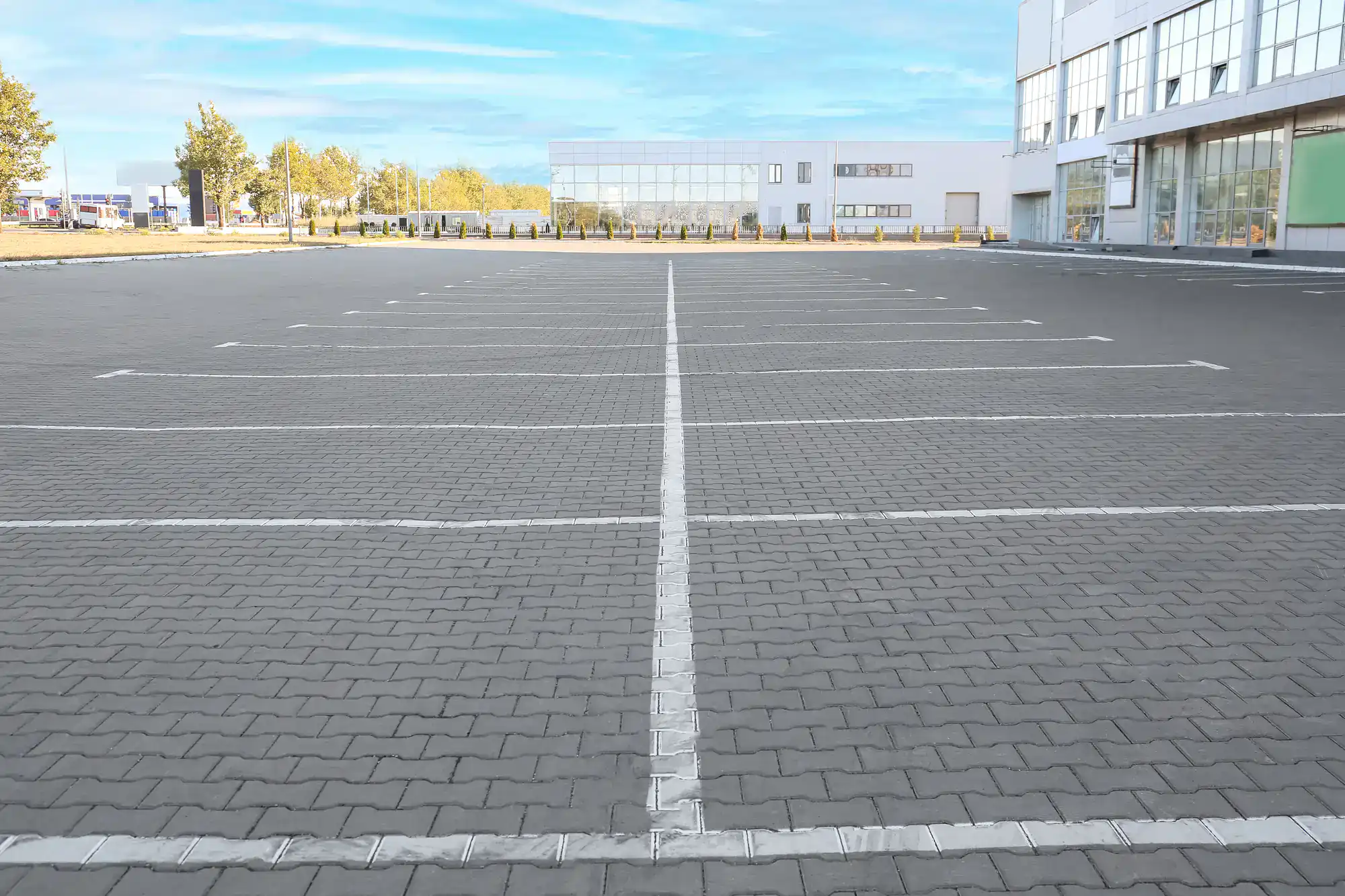
For most new commercial parking lot installations or significant resurfacing projects, yes Maryland and Central and Northern Virginia requires a building permit and site development plan review through the county’s Office of Planning and Zoning. The process is managed through the county’s Land Use Navigator portal.
What makes Annapolis Neck specifically worth paying attention to is the Critical Area designation. Because the peninsula sits largely within 1,000 feet of tidal waters the Chesapeake Bay and the South River any project that increases impervious surface coverage may trigger additional review under Maryland and Central and Northern Virginia’s Critical Area regulations, including stormwater management requirements. This isn’t unique to one property; it applies broadly across the Annapolis Neck peninsula. A contractor who isn’t familiar with these county-level requirements can create real delays and cost overruns on an otherwise straightforward project. We’ve been working through Maryland and Central and Northern Virginia’s permitting process for 14 years and address this at the site assessment stage, before any work is scheduled.
A standard commercial parking lot paving project runs roughly $25,000 to $45,000 for a 10,000 square foot lot, depending on site conditions, required thickness, drainage work, and whether ADA striping and markings are included. That range reflects the full scope of a properly engineered installation not a stripped-down quote that leaves out subbase prep or drainage assessment.
In Annapolis Neck specifically, the peninsula’s proximity to tidal water means drainage engineering is not optional. A quote that doesn’t account for it is a quote that’s setting you up for premature failure. For HOA communities managing common area budgets, or commercial property owners along Forest Drive making a capital improvement decision, the more useful number is lifecycle cost: a properly installed commercial lot lasts 15 to 25 years. One that cuts corners on subbase or drainage may need full replacement in 8 to 10. Under IRS Publication 946, commercial parking lot paving depreciates on a 15-year schedule, making it a deductible business asset worth discussing with your tax advisor before you finalize the project scope.
The Annapolis area typically sees 10 to 20 freeze-thaw cycles per winter. Each one works the same way: water infiltrates micro-cracks in the surface, freezes and expands, then thaws and contracts progressively widening the crack and destabilizing the material underneath. Over a few winters, what starts as a hairline crack becomes a pothole, and what starts as a pothole becomes a structural failure that requires full-depth repair or replacement.
The practical takeaway is that the material and thickness of your asphalt installation matters as much as the installation itself. Commercial-grade hot-mix asphalt at the correct thickness handles freeze-thaw stress significantly better than thinner residential-grade mixes. Sealcoating every 2 to 5 years closes the micro-cracks before water gets in which is the most cost-effective way to extend the life of any commercial lot in this climate.
Federal ADA standards apply to all commercial parking lots regardless of state. The requirements are specific: one accessible space per 25 total spaces, van-accessible aisles of at least 8 feet, running slopes that don’t exceed 8.33%, cross slopes at or below 2.08%, and clearly marked accessible routes connecting parking spaces to building entrances. First-violation federal fines can reach $75,000 per incident, and DOJ enforcement has intensified in recent years.
For the gated communities, marina facilities, and commercial properties throughout Annapolis Neck, this is a real liability exposure not a theoretical one. An HOA board approving a parking lot resurfacing project without confirming ADA compliance is leaving the community exposed to a federal complaint that could cost far more than the paving project itself. We design ADA compliance into every new commercial installation from the initial layout, and offer ADA-compliant line striping as a standalone service for existing lots that need to be brought into compliance. Getting it right during installation is significantly less expensive than redesigning after a complaint.
Most standard commercial parking lot paving projects in Annapolis Neck take 3 to 7 days from start to finish, depending on lot size, site preparation requirements, and weather. Subbase work and grading typically take 1 to 2 days. Asphalt installation is usually completed in 1 to 2 days for a standard commercial lot. Line striping follows after the surface has cured, typically 24 to 48 hours after paving is complete.
For HOA-governed communities like Chesapeake Harbour or Annapolis Roads, the timeline question is really about minimizing disruption to residents. A parking lot that serves dozens of households simultaneously requires clear communication about phasing which sections are closed, when they reopen, and where residents park in the interim. We address this during the proposal stage, not after work has started. Spring and early summer are the primary installation windows in Maryland, when temperatures are consistently above 50°F and asphalt cures properly. If you’re planning a project for this season, getting a written proposal on the schedule now avoids the backlog that typically builds through April and May.
It depends on the extent and type of damage and the honest answer is that a site visit is the only way to know for certain. Surface cracking and oxidation that hasn’t compromised the subbase can often be addressed with crack filling and an asphalt overlay, which costs significantly less than full replacement and adds years to the lot’s functional life. If the subbase has been compromised typically from prolonged water infiltration, heavy load stress, or years of deferred maintenance an overlay won’t hold, and full-depth replacement is the right call.
In Annapolis Neck, the peninsula’s high water table and proximity to tidal water mean subbase damage from water infiltration is more common than in inland communities. Lots that have had standing water issues for multiple seasons, or that show alligator cracking across large sections, have usually sustained subbase damage that surface repairs won’t fix long-term. For older communities like Bay Highlands established in 1956 or aging common areas in Chesapeake Harbour, the condition of the subbase is the first question worth answering before any repair or replacement budget is approved. A written assessment with a clear scope recommendation is the starting point for making that decision confidently.
Local Resources
Other Services we provide in Annapolis Neck