Hear from Our Customers
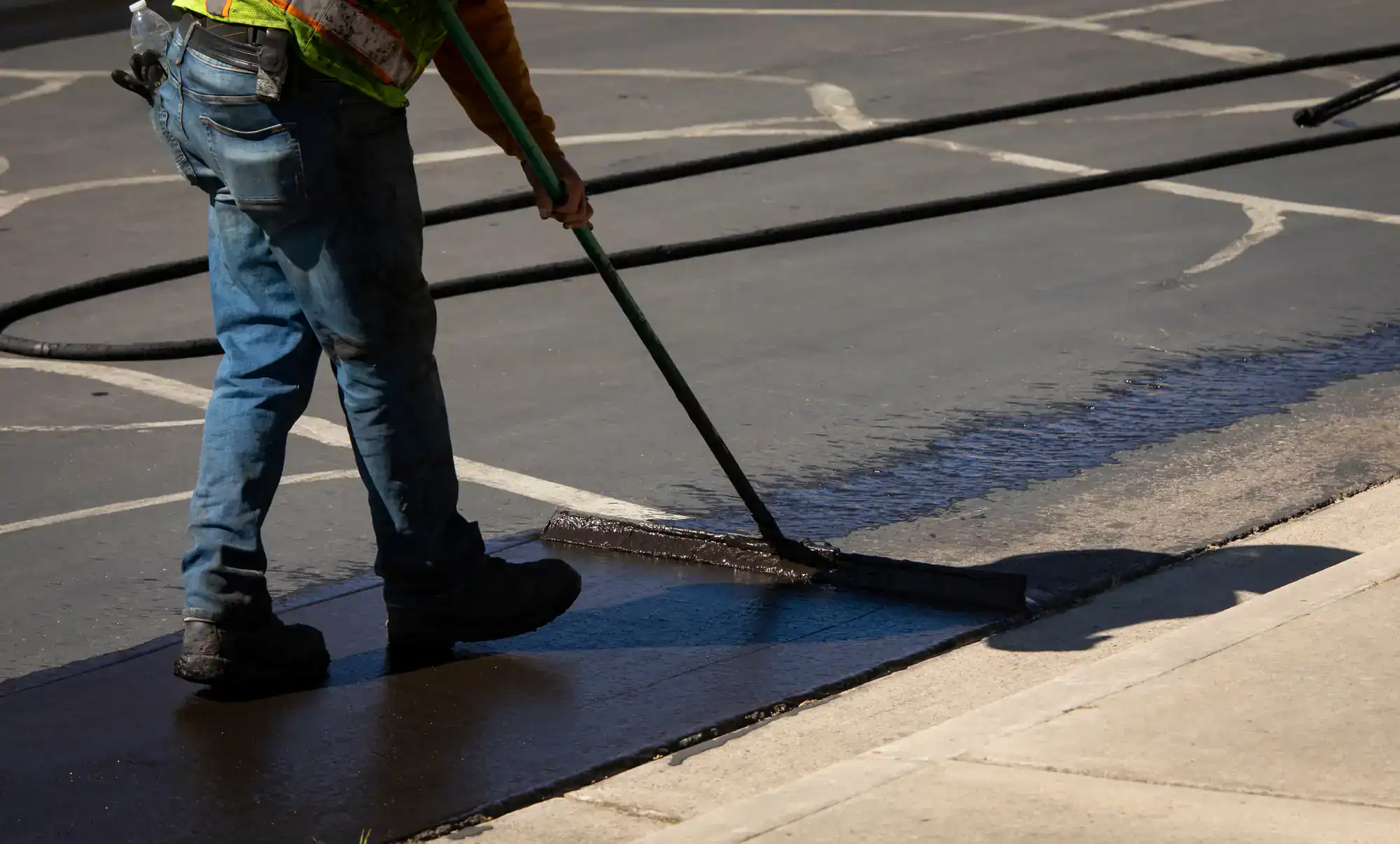
A sealed driveway isn’t just a better-looking one — it’s a surface that stops deteriorating on you. When sealcoat is applied correctly, it closes off the micro-cracks and surface pores that let water in. That matters everywhere, but it matters especially here in Clear Springs, where the ground goes through 30 to 40 freeze-thaw cycles in a typical winter.
Every one of those cycles forces water deeper into any crack it can find, then expands it when temperatures drop below freezing overnight. By spring, what looked like a minor surface flaw in October can be a real structural problem.
There’s also the road salt factor that a lot of homeowners in Clear Springs don’t think about until the damage is done. Every vehicle that pulls into your driveway after driving on a VDOT-treated road is depositing chloride compounds on your asphalt. Over time, those chemicals break down the binder that holds your surface together. Sealcoating creates a chemical-resistant barrier that stops that process before it compounds into something that can’t be fixed with a sealer.
The financial side of this is straightforward. Replacing an asphalt driveway costs $8 to $15 per square foot. Sealcoating costs a fraction of that. An unmaintained driveway typically lasts 8 to 12 years. One that gets sealed on a regular schedule can last 20 to 25 years, sometimes longer. That’s potentially a decade or more of life you’re either protecting or giving up.
Edward Smith Paving is based in Annapolis, Maryland, with over four decades of combined industry experience and a proven track record across the Mid-Atlantic region, including Clear Springs and surrounding Virginia communities. We’re not a regional chain dispatching crews from out of state — we’re a licensed operation with a verifiable address, a real phone number, and deep hands-on experience with Virginia’s specific soil conditions, drainage patterns, and seasonal challenges.
We hold MHIC License #159766, which you can verify right now at labor.maryland.gov. That’s the state credential that legally authorizes paving and sealcoating work — and it’s the first thing you should check before hiring anyone for this kind of job, especially in a market where door-to-door crews are a known problem.
With over 5,000 driveways completed and a track record built project by project, we’ve earned our reputation through straightforward work and genuine accountability. We show up, do the work right, and we’re reachable when it matters.
It starts with a free on-site quote. Someone from our team comes out to look at your driveway in person — not a drive-by estimate from the curb, but an actual assessment of the surface condition. That step matters because not every driveway in Clear Springs is in the same shape. Some surfaces have minor oxidation and surface fading that sealcoating addresses directly. Others have cracks or base issues that need to be dealt with before any sealer goes down.
If your driveway needs repair work first, you’ll hear that upfront — not after the crew has already shown up.
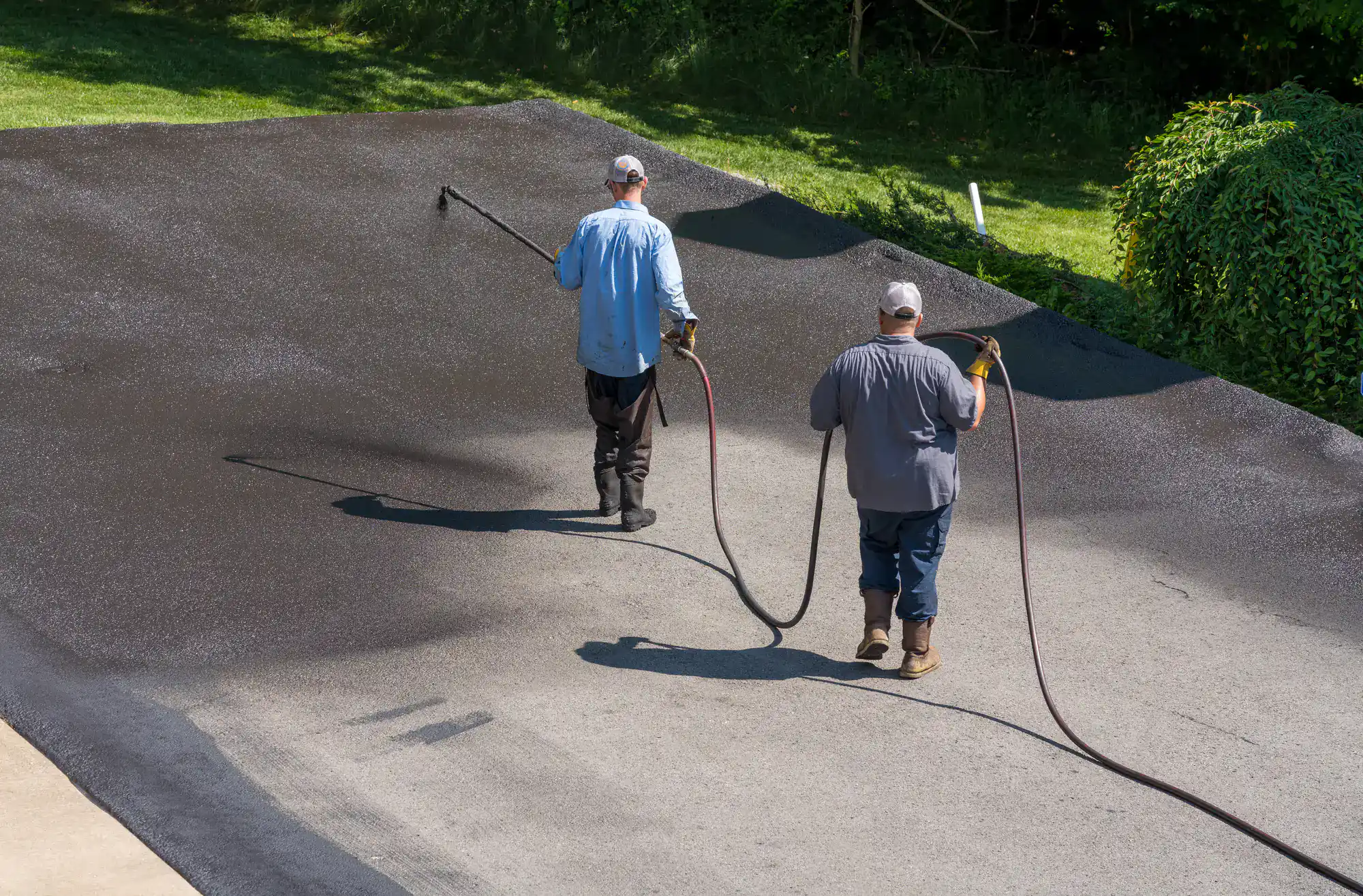
Once the assessment is complete and you decide to move forward, the prep work comes first. The surface gets cleaned and dried thoroughly. Any cracks that qualify for filling get treated before the sealcoat is applied. This step is what separates a job that lasts from one that peels or flakes within a season.
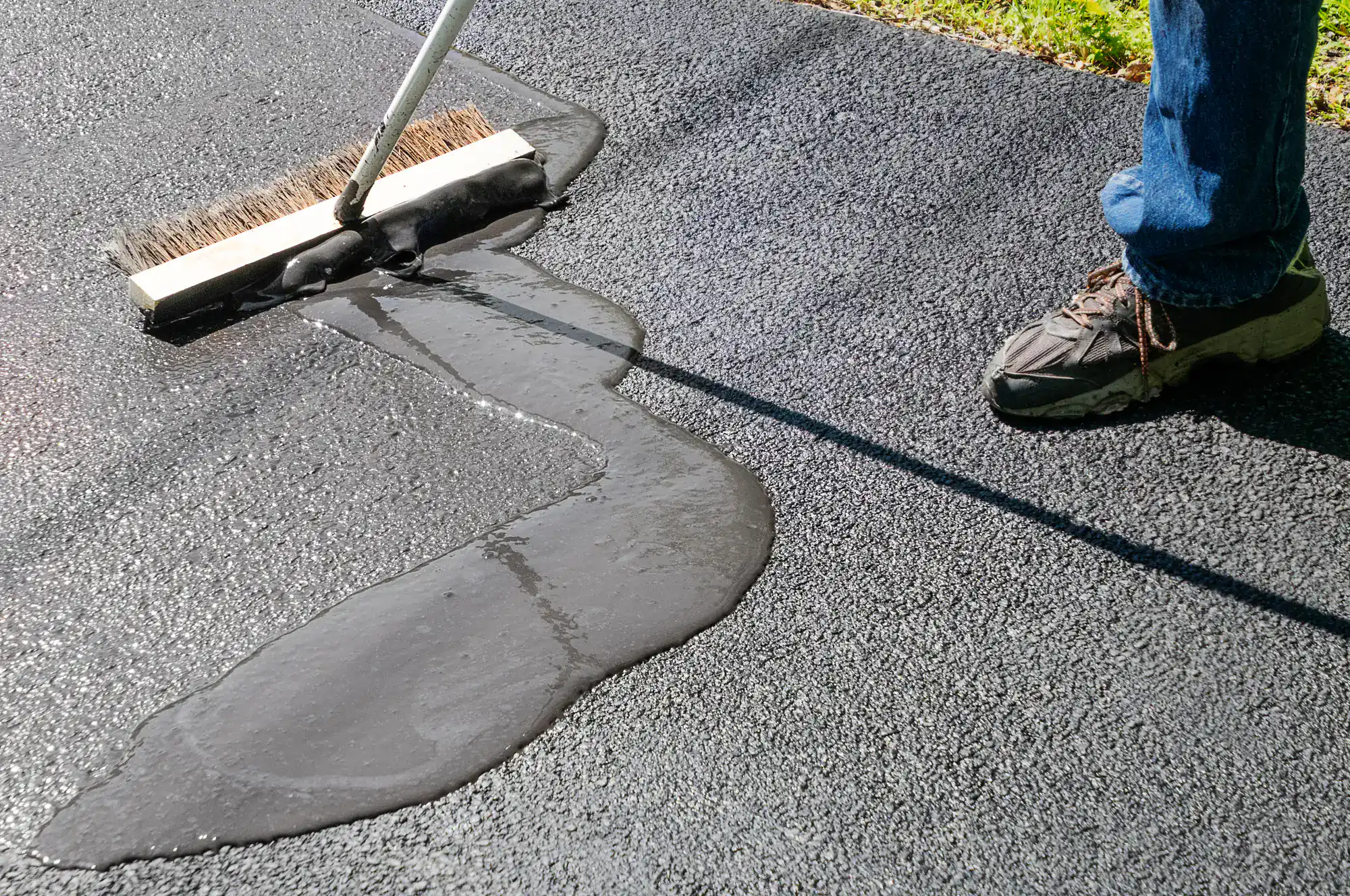
The sealcoating itself goes down in even coverage and needs time to cure properly. In Virginia’s warmer months — roughly May through September — curing happens efficiently because temperatures stay above the 50-degree threshold the material needs. You’ll want to stay off the surface for 24 to 48 hours after application. After that, you’ve got a surface that’s ready to handle whatever the next season throws at it.
Ready to get started?
We handle both residential and commercial work in Clear Springs and the surrounding area — from single-car driveways to parking lot sealcoating and striping for commercial properties. The approach is the same regardless of scale: proper surface prep, quality materials, and even application that cures the way it’s supposed to.
On the residential side, our work includes asphalt sealcoating, driveway paving for new installations and full replacements, crack filling, and surface restoration for driveways that have aged past the point where a basic seal is enough. A lot of homes in Clear Springs have driveways that were installed between the 1980s and early 2000s — which puts them squarely in the window where the right maintenance now can extend the surface life by another decade or more.
For commercial properties, our services extend to parking lot paving, sealcoating, and line striping. We understand the timeline that property managers and HOA communities need to meet, and we deliver work that holds up to both traffic and scrutiny. Every job comes with a free quote and direct contact — no call centers, no runaround.
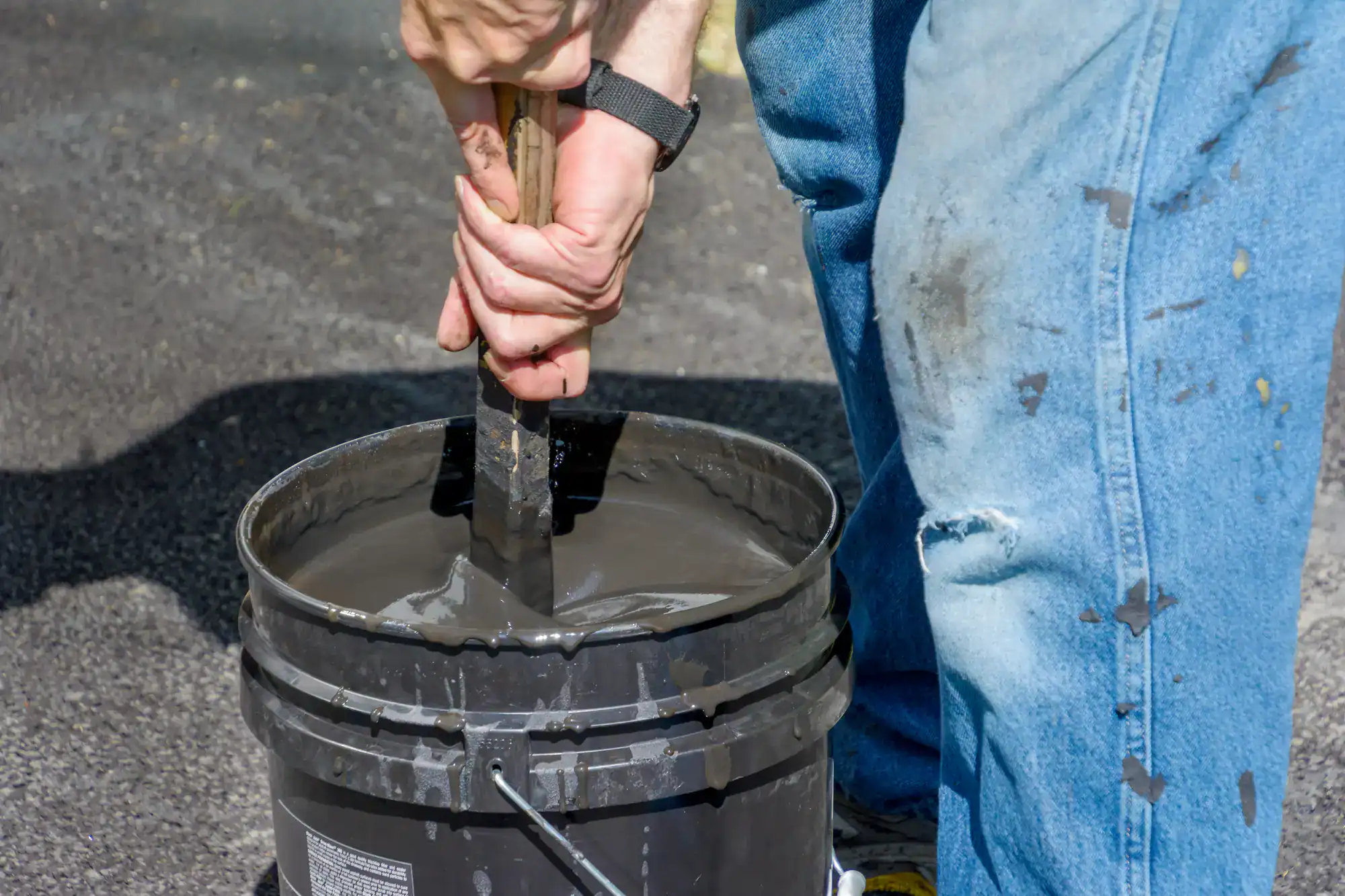
For most residential driveways in Clear Springs, every two to three years is the right interval. That frequency keeps the protective layer intact without over-applying, which can cause surface buildup and peeling over time. The specific conditions in Clear Springs — freeze-thaw cycles, road salt tracked in from state-maintained roads, and Virginia’s humidity — put more stress on asphalt than in milder climates, so staying on that two-to-three-year schedule is genuinely worth it here.
One thing to keep in mind: if your driveway is brand new, it needs to cure for six to twelve months before the first sealcoat goes down. Sealing too early traps gases in the asphalt that need to off-gas naturally during the curing process. After that first application, maintaining the schedule is what keeps the surface in good shape long-term. A driveway that gets sealed consistently can last 20 to 25 years. One that doesn’t often starts showing structural problems well before the 12-year mark.
The optimal window for sealcoating in Clear Springs runs from late April through October, with May through September being the strongest part of that range. The material needs temperatures above 50 degrees Fahrenheit to cure properly, and it needs a dry window of at least 24 to 48 hours after application. Virginia’s warm, humid summers actually work in your favor here — the heat helps the sealcoat bond and cure faster than it would in cooler climates.
Spring is when most homeowners in Clear Springs start noticing the damage winter left behind. Freeze-thaw cycling through the colder months reveals cracking and surface deterioration that wasn’t visible in fall. That makes spring the most common time to schedule an assessment, even if the actual sealing work happens a bit later once temperatures stabilize. If you’re thinking about it, don’t wait until late summer — our schedule fills up during peak season, and getting on the calendar early means you’re not rushing it before the cold returns.
It depends on the type and depth of the crack. Minor surface cracks and hairline fractures can be addressed as part of the sealcoating process — the material fills small surface imperfections and seals them against further water infiltration. That’s one of the legitimate benefits of professional sealcoating done correctly. But larger cracks, edge cracking, or anything that suggests the base beneath the asphalt is compromised is a different situation entirely.
Applying sealcoat over those kinds of cracks doesn’t fix the problem — it covers it temporarily while the damage continues underneath. In Clear Springs, Virginia’s soil conditions and seasonal movement can contribute to cracking that goes beyond the surface. If that’s what’s happening with your driveway, we’ll tell you during the assessment — and the honest answer might be that crack repair or base work needs to happen before sealing makes sense. That kind of straightforward assessment is exactly what you should expect from a licensed contractor.
Maryland requires paving and sealcoating contractors to hold a valid MHIC license issued by the Maryland Home Improvement Commission. You can verify any contractor’s license at labor.maryland.gov by searching their business name or license number. We hold MHIC License #159766, and that lookup takes about 60 seconds. If a contractor can’t give you a license number or discourages you from checking, that’s a clear signal to walk away.
This matters more in this market than people realize. The Clear Springs area sees a steady stream of door-to-door sealcoating operators, particularly in spring and summer. Many of them are unlicensed, uninsured, and working with low-quality or improperly mixed materials. Verifying a contractor’s license before signing anything is the single most effective step you can take to avoid a bad experience — and it costs you nothing but a few minutes.
The DIY kits at the hardware store are real, and they’re genuinely cheaper upfront. But the results aren’t comparable, and the gap matters more than most people expect. Professional sealcoating involves proper surface cleaning, crack treatment before any material goes down, correct mixing ratios, and even application at the right coverage rate. DIY kits are frequently applied too thin, over surfaces that weren’t adequately prepped, and with material that doesn’t hold up the same way under real conditions.
For a driveway in Clear Springs dealing with Virginia’s freeze-thaw cycles and road salt exposure, the quality of the application directly affects how long the protection lasts. A professional job done correctly can extend your driveway’s life by years. A DIY application that fails within one season — or that seals over cracks that needed treatment first — doesn’t save you money in the long run. The math is straightforward: professional sealcoating costs a fraction of what driveway replacement runs at $8 to $15 per square foot. Spending on quality maintenance now is almost always the better financial decision.
For a standard residential driveway, the application itself typically takes a few hours. The bigger variable is cure time — you’ll need to stay off the surface for 24 to 48 hours after the sealcoat goes down. In Virginia’s warmer months, when temperatures are consistently above 50 degrees and conditions are dry, curing happens on the faster end of that range. If you’re scheduling in early spring when overnight temperatures in Clear Springs can still dip close to freezing, the cure window may extend slightly.
We work around your schedule and give you a clear timeline before the job starts — so you’re not guessing when it’s safe to pull your car back in. One practical note: try to plan around your household’s normal traffic patterns. If multiple vehicles need driveway access daily, scheduling the job on a day when you can park on the street or in a neighbor’s driveway for a full 48 hours makes the whole process easier. Our crew will walk you through exactly what to expect before we leave the job site.
Other Services we provide in Clear Springs