Hear from Our Customers
Most driveways in Clear Spring show the same pattern: cracks that came back after last winter, patches over patches, a surface that’s more repair than original. The real question isn’t whether something needs to be done. It’s whether you’re going to do it right this time.
A properly installed asphalt driveway lasts 20 to 25 years. That lifespan doesn’t happen by accident it comes from correct subgrade preparation, adequate base depth, proper drainage design, and an asphalt mix suited to the freeze-thaw conditions of the Appalachian foothills. When temperatures cross the freezing point repeatedly through October and March, water trapped in a weak base layer does real structural damage, fast.
For Clear Spring properties where the housing stock dates to the 1930s and 1940s, many driveways have long since passed their useful life. Sealcoating can extend a surface that still has structure. But when the base is compromised, patching buys you one more season at best. Getting a professional assessment from a contractor who can actually tell the difference is the first step toward a surface that doesn’t need your attention again for a long time.
We’ve been in the asphalt business for more than 40 years and have completed over 5,000 driveways across Maryland. That volume means we’ve seen nearly every site condition a property in Clear Spring and Washington County can present difficult grades, poor subgrade, long rural driveway runs, drainage problems that aren’t obvious until you start digging. These aren’t surprises to our crew; they’re just part of the work.
What sets us apart isn’t just experience it’s accountability. We hold MHIC License #159766, issued by the Maryland Department of Labor and valid through 2026. That license is independently verifiable, required by state law for residential paving work, and backed by the Maryland Guaranty Fund, which protects homeowners if something goes wrong. We also carry a BBB A+ accreditation, earned not purchased. For a Clear Spring homeowner deciding between a familiar local name and a contractor with a verifiable track record, those credentials matter.
We serve Clear Spring and the broader Washington County region, including the rural properties and agricultural lots throughout the Clear Spring District. Free estimates are available with no obligation and no pressure.
It starts with a free on-site estimate. One of our crew members comes out, walks the property, and gives you an honest read on what the surface actually needs whether that’s a full replacement, an overlay, or something else entirely. There’s no sales pressure and no commitment required. For Clear Spring properties with older driveways or rural lots with longer runs, this assessment is especially important because the right solution depends on what’s underneath the surface, not just what’s visible from the road.
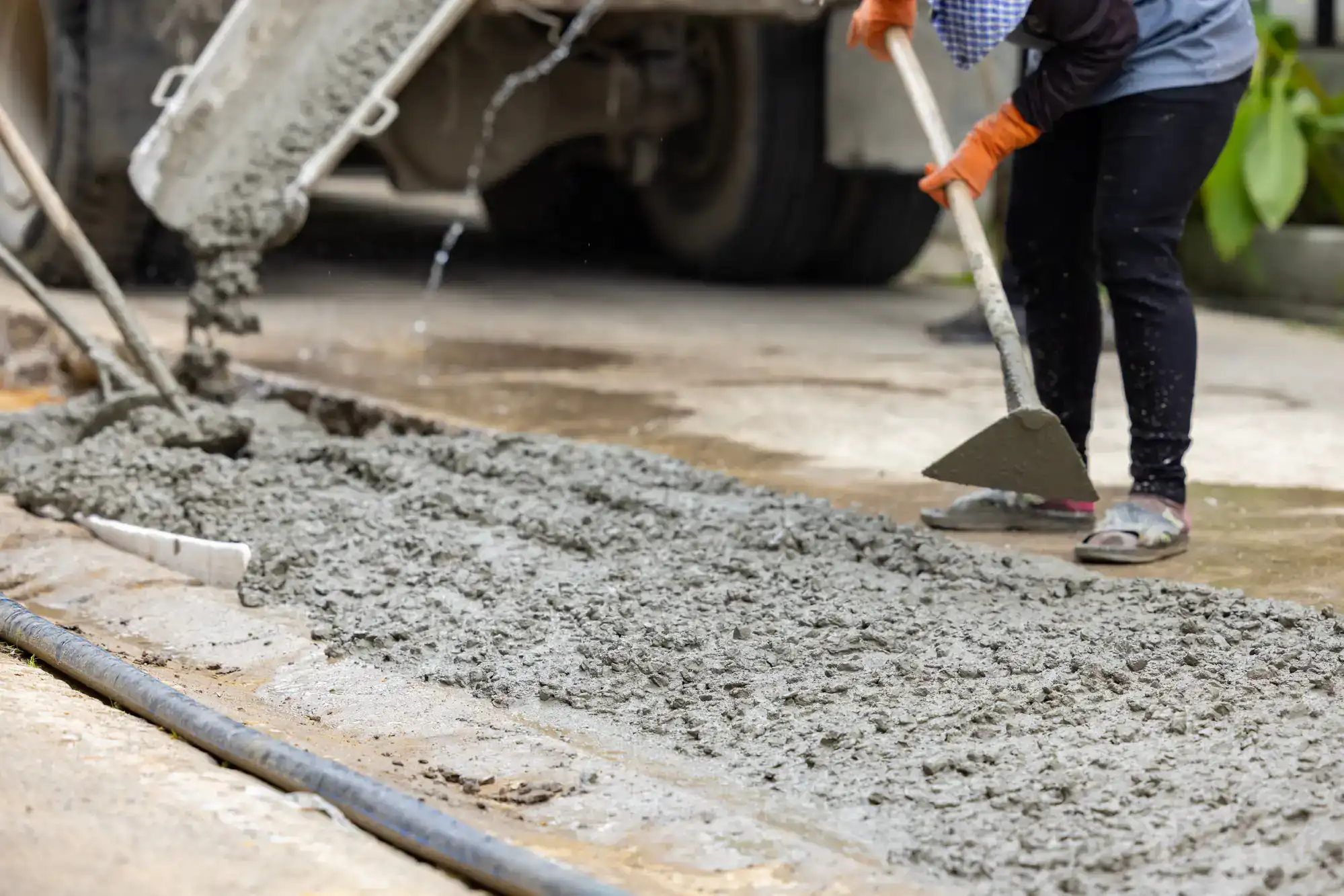
Once you decide to move forward, the process begins with site preparation. This is where most cheap installs cut corners, and it’s the single biggest factor in how long your driveway lasts. We build proper grading, subgrade compaction, and drainage design into every job not offered as upgrades. In western Maryland, where freeze-thaw cycles are more severe than in the eastern part of the state, getting the drainage right at the base level is what separates a driveway that cracks after two winters from one that holds for two decades.
After installation, new asphalt needs 24 to 72 hours before vehicle traffic, and you should wait 90 days to a year before applying sealcoat for the first time. We walk you through all of this before our crew leaves so you know exactly what to expect and when. The goal is a finished surface you don’t have to think about again for a long time.
Ready to get started?
We handle the full lifecycle of an asphalt surface not just the initial installation. For residential homeowners in Clear Spring, that means new driveway installation, asphalt overlays where the base is still sound, sealcoating on a proper maintenance schedule, and crack filling before small damage becomes a structural problem. For commercial or agricultural property owners in the Clear Spring District, our scope extends to parking lot paving, parking lot striping, ADA-compliant line marking, and property management programs for owners managing multiple paved surfaces.
Sealcoating is worth calling out specifically, because it’s the most cost-effective thing you can do after a new installation. A properly maintained driveway sealcoated every two to three years can last nearly 30 years instead of the typical 15. For a property in Clear Spring where the home itself is already 80 or 90 years old and the driveway has been deferred for decades, getting on a real maintenance schedule after a quality installation is what makes the investment hold.
All work is performed under MHIC License #159766, which means it’s covered by the Maryland Guaranty Fund. This applies to every residential paving job in Clear Spring, regardless of size. If you’re a property manager or HOA board overseeing multiple surfaces in Washington County, we also offer ongoing maintenance programs designed to keep paved surfaces in good condition year over year without requiring you to find a new contractor every time something comes up.
In Maryland, asphalt driveway paving typically runs between $5 and $15 per square foot installed, depending on the size of the project, site conditions, and what prep work is needed. For a standard residential driveway, national averages put the total cost somewhere between $3,149 and $7,543, with the average landing around $5,345. Larger rural driveways which are common on properties in and around Clear Spring will naturally run higher because of the additional material and labor involved in a longer run.
What affects the final number most isn’t the asphalt itself it’s what’s underneath. If the subgrade is compromised, if drainage needs to be corrected, or if an old surface needs to be fully removed rather than overlaid, those factors move the cost. A free on-site estimate from us will give you a clear, itemized picture of what your specific Clear Spring property needs and why so you’re not comparing apples to oranges when you look at other quotes.
Maryland requires any contractor performing residential paving work to hold a valid MHIC license that’s the Maryland Home Improvement Commission license, issued through the Maryland Department of Labor. It’s not self-awarded and it’s not optional. Getting it requires at least two years of trade experience, passing a written exam, and meeting financial solvency standards. Contractors have to maintain those standards on a bi-annual basis to keep the license active.
You can verify any contractor’s MHIC license directly on the Maryland Department of Labor’s website just search by license number or business name. Our license number is #159766, valid through 2026. If a contractor can’t give you a license number, or if it doesn’t come back as active when you search it, that’s a clear sign to walk away. In Clear Spring, where door-to-door solicitors occasionally target rural homeowners, knowing how to verify credentials quickly is one of the most practical things you can do before signing anything.
The main culprit is freeze-thaw cycling. Water gets into small surface cracks or works its way through a porous or poorly sealed surface, sits in the base layer, and then freezes when temperatures drop. When water freezes, it expands and that expansion forces the asphalt apart from the inside. In Clear Spring, at the foot of Fairview Mountain, winters are colder and more variable than in central or eastern Maryland. Temperatures cross the freezing point repeatedly through the shoulder seasons, which means the freeze-thaw cycle runs more often and does more cumulative damage.
Road salt applied to US 40 through Clear Spring during winter events makes this worse. Salt lowers the freezing point of water, which means freeze-thaw cycling continues at temperatures where untreated surfaces would stay frozen. Salt runoff from Cumberland Street reaches the driveways and paved surfaces of properties along the corridor, accelerating oxidation and chemical degradation of the asphalt binder. The answer isn’t just better asphalt it’s proper drainage design and subgrade preparation that prevents water from pooling beneath the surface in the first place.
It depends on what’s happening beneath the surface. If the base layer is still structurally sound and the damage is limited to surface cracking or oxidation, an overlay or targeted repairs combined with sealcoating can extend the life of the driveway meaningfully. But if the base has been compromised by water intrusion, freeze-thaw damage, or simply age patching the surface is a short-term fix that won’t hold. You’ll be back in the same position in a year or two, having spent money twice.
For properties in Clear Spring where the housing stock dates to the 1930s and 1940s, it’s common to find driveways that have been patched multiple times over decades. At some point, the math shifts: the cost of repeated repairs approaches or exceeds the cost of a full replacement that will last 20 or more years. A proper on-site assessment where a contractor actually looks at the base, not just the surface is the only way to get an honest answer. We’ll tell you straight which situation you’re actually in.
Sealcoating makes a significant difference, and the data backs it up. A driveway that’s sealcoated every two to three years can last close to 30 years. The same driveway without any sealcoating typically lasts around 15 years. That’s not a small gap it’s nearly double the usable life for a fraction of the replacement cost. Sealcoating blocks UV oxidation, prevents water from penetrating the surface, and protects against chemical damage from fuel, oil, and road salt runoff.
For Clear Spring homeowners, the timing matters too. You shouldn’t sealcoat a brand-new driveway right away new asphalt needs 90 days to a year to cure properly before the first application. After that, every two to three years is the right cadence for residential surfaces. If you’ve gone longer than that without a sealcoat and the surface is starting to show oxidation or minor cracking, getting it done sooner rather than later is worth it. Repairing moisture damage that’s gotten into the base layer can cost five to ten times more than a timely sealcoat would have.
The most common scam pattern in rural communities like Clear Spring involves a contractor showing up unannounced sometimes claiming they have leftover asphalt from a nearby job and offering to pave your driveway on the spot for a low cash price. The asphalt used in these situations is often cold, near the end of its usable life, and laid without any proper base preparation. It looks fine for a few months and then deteriorates rapidly. By the time you realize the problem, the contractor is unreachable.
Legitimate contractors don’t solicit door-to-door. We have a physical address, a verifiable license number, and a BBB profile you can look up before you agree to anything. We provide written estimates, not verbal agreements, and we don’t demand large cash payments upfront before work begins. Our MHIC License #159766 is verifiable at the Maryland Department of Labor. If a contractor can’t hand you a license number you can verify independently, that’s your answer right there.
Other Services we provide in Clear Spring