

Hear from Our Customers
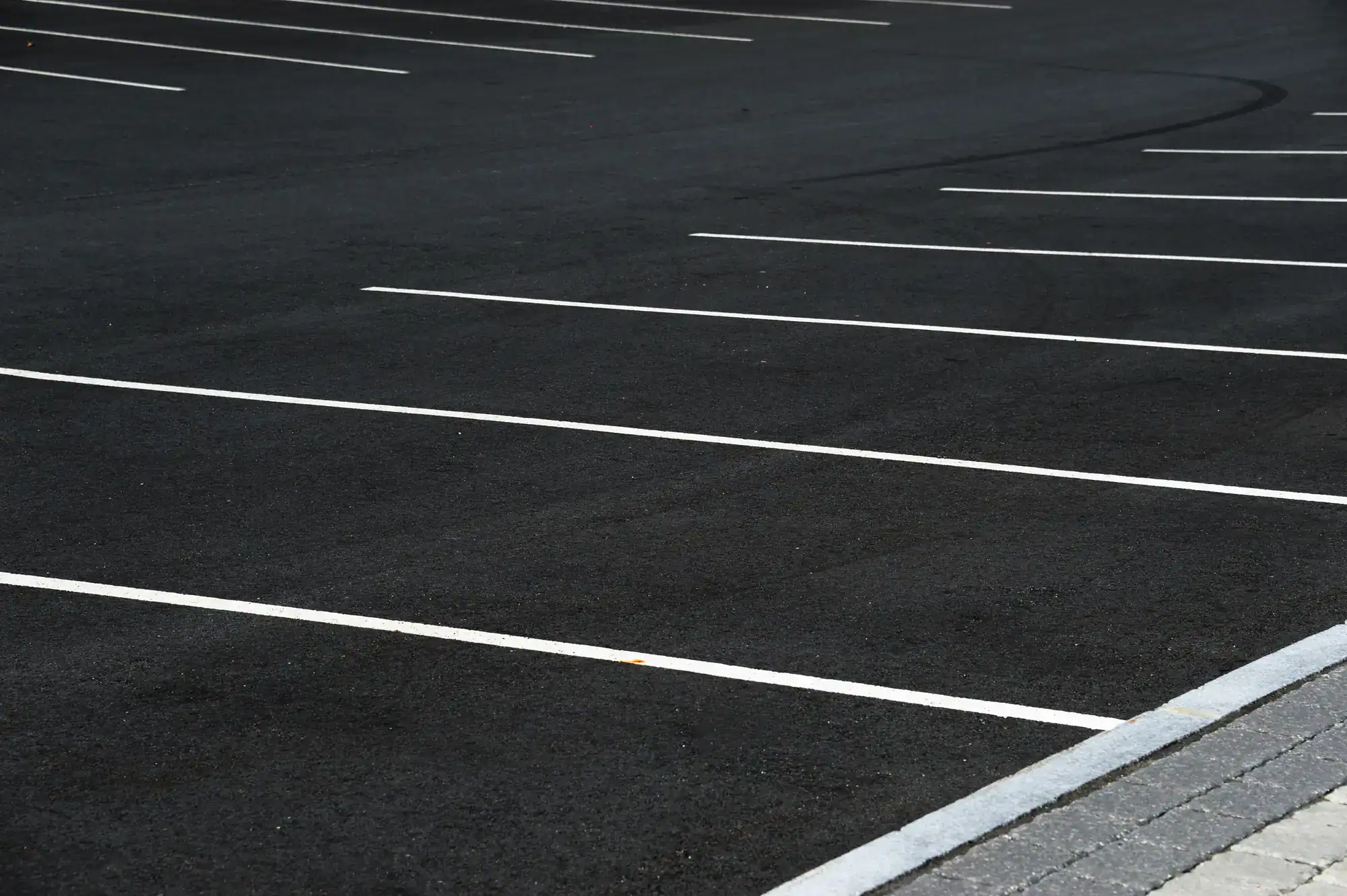
When your property sits between the Potomac River and the St. Mary’s River at under 20 feet of elevation, your parking lot is dealing with conditions most asphalt contractors never think about. Salt air breaks down the asphalt binder faster than it would inland. Storm surges and tidal flooding push water into surface cracks and straight down to the subbase. If the base wasn’t engineered for soft, sediment-heavy coastal soil to begin with, you’re not looking at a maintenance issue you’re looking at a premature replacement.
For the commercial properties on St. George Island the restaurant parking lots, the campground access roads, the hotel guest areas the condition of your pavement is also the first thing a visitor sees when they pull in off MD 249. A cracked, faded, or potholed lot signals neglect before anyone walks through your door. For a business that depends on summer repeat visitors, that matters more than most property owners realize until it’s too late in the season to fix it.
A properly installed and maintained asphalt parking lot lasts 15 to 25 years. The difference between that and a lot that needs full replacement in seven is almost always in the base preparation, the drainage design, and whether anyone bothered to sealcoat it before the next coastal winter hit. That’s where the real investment is and that’s exactly where we focus.
We’ve been doing commercial asphalt work across Maryland and Virginia since 2011. That’s 14 years of showing up, doing the work right, and standing behind it not just in the easy suburban markets, but in places like St. Mary’s County where contractor access is limited and a bad job means bringing equipment back across the MD 249 bridge for warranty repairs nobody wants to deal with.
We hold MHIC License #159766, required by Maryland law for all paving work, and carry a BBB A+ rating. Those aren’t decorative credentials. In a small, tight-knit community like St. George Island where roughly 277 people live year-round and everyone knows everyone your reputation for who you hire travels fast. Our 14-year track record is publicly verifiable, and we’re not going anywhere.
From new asphalt parking lot installation to sealcoating, crack filling, and line striping, we handle the full scope under one contract. One crew, one point of contact, one mobilization across the bridge.
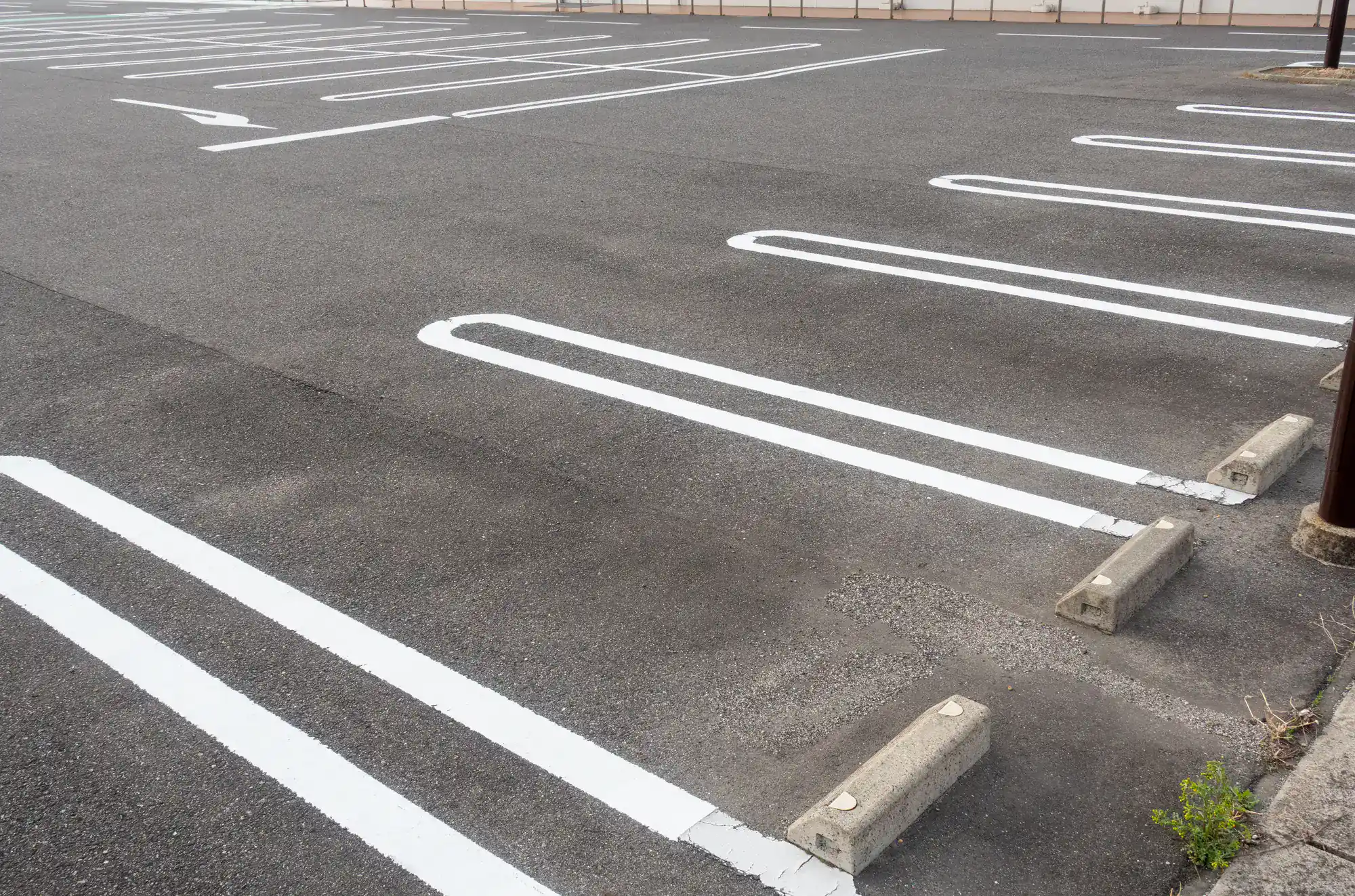
It starts with a free on-site consultation and written quote. We come out, walk the lot, assess what you’re working with existing surface condition, drainage patterns, soil stability and give you a clear, itemized proposal before any work is committed. No verbal estimates, no vague ballpark figures. A written scope you can review and ask questions about.
Once the project is scheduled, timing matters on St. George Island in a way it doesn’t in most markets. Asphalt requires ambient temperatures above 50°F, which puts the viable installation window between April and October. For commercial properties on the island, we strongly recommend scheduling in the shoulder seasons late September through October after the summer rush clears, or March through May before Memorial Day traffic picks up. Tearing up a parking lot in July when the Ruddy Duck is packed and Camp Merryelande is fully booked isn’t a plan it’s a disruption. We work around your season, not ours.
On installation day, the process starts with subbase preparation grading, compaction, and drainage engineering appropriate for the island’s soft coastal soils. From there, we lay and compact commercial-grade hot-mix asphalt, then finish with sealcoating and line striping including ADA-compliant accessible space markings. If your property falls within St. Mary’s County’s permitting requirements or the Maryland Critical Area regulations that apply to most of the island, we factor that into the project timeline from the start.
Ready to get started?
Commercial parking lot paving on St. George Island isn’t a standard suburban job, and we don’t treat it like one. Nearly the entire island falls within Maryland’s Critical Area within 1,000 feet of tidal waters which means new parking lot construction can trigger stormwater management review under the Maryland Department of the Environment and St. Mary’s County land use permitting. We account for that in the planning phase, not after the fact.
The work itself covers the full scope: new asphalt parking lot installation, asphalt resurfacing for lots that have surface-level deterioration but a sound base, crack filling, commercial sealcoating, and parking lot line striping. For properties serving the public restaurants, campgrounds, hotels we engineer ADA compliance in from the design stage. That means correct accessible space ratios, van-accessible aisle widths, proper running and cross slopes, and clearly marked accessible routes. Federal first-violation fines for ADA non-compliance can reach $75,000 per incident. It’s far cheaper to build it right the first time.
For campground and marina access surfaces like those at Camp Merryelande or the St. George Island Landing, we spec for heavier vehicle loads RVs, trailers, boat haulers which require greater base depth and compaction than a standard passenger vehicle lot. The island’s soft sediment soils make that subbase engineering even more critical here than it would be on firmer inland ground.
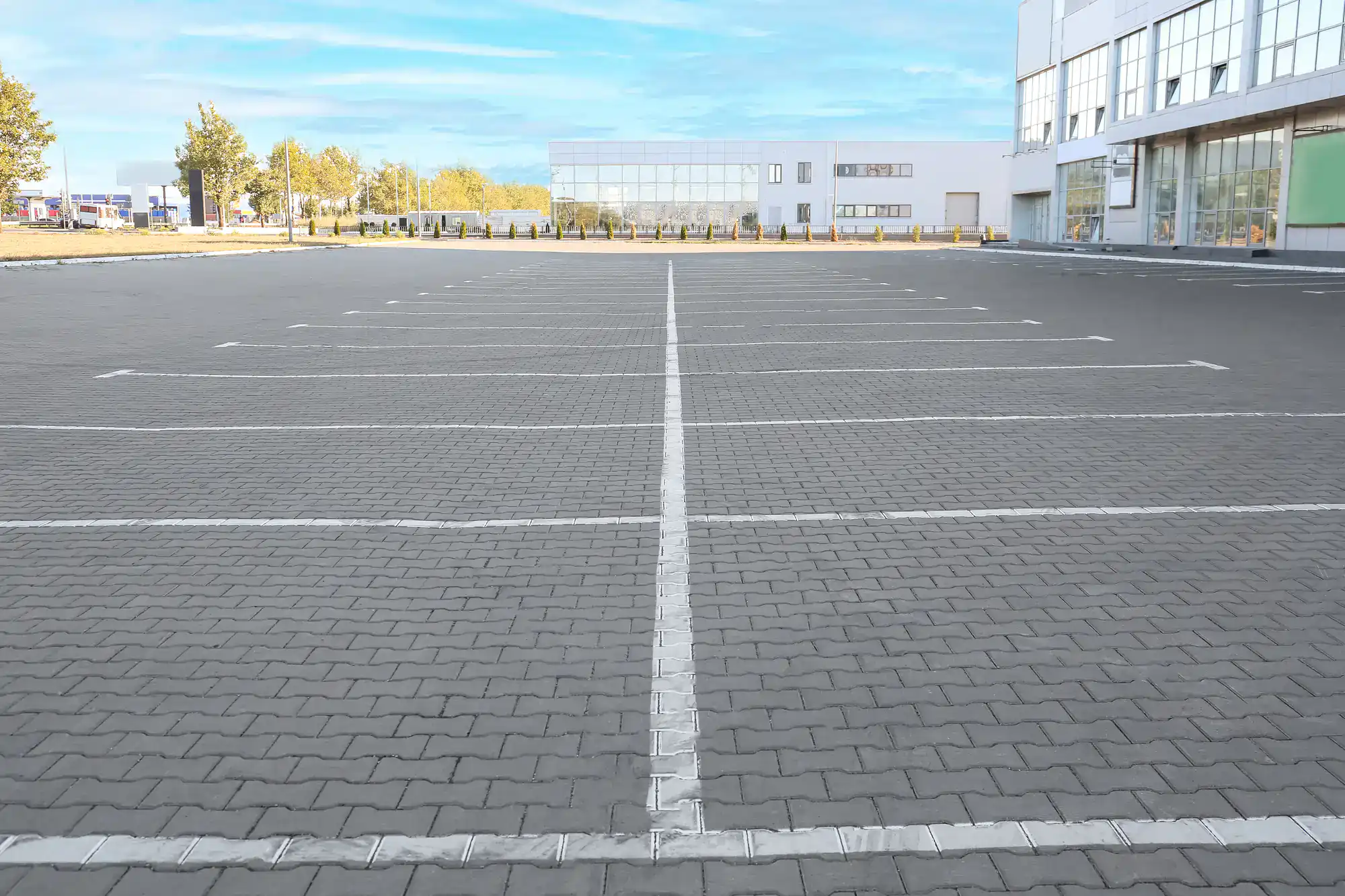
The short answer is it shortens the lifespan if the lot isn’t built and maintained correctly. St. George Island sits at under 20 feet of elevation between two tidal waterways, which means your asphalt is dealing with salt air exposure, periodic tidal flooding, and soft sediment soils that move and settle differently than upland clay or gravel. Salt air accelerates the oxidation of the asphalt binder the material that holds the surface together which is why untreated or poorly sealed lots on the island tend to show cracking and surface degradation faster than comparable lots in inland Maryland communities.
The fix isn’t complicated, but it has to be deliberate. Proper subbase engineering for coastal soil conditions, commercial-grade hot-mix asphalt, and a consistent sealcoating schedule every two to five years are what separate a lot that lasts 20-plus years from one that needs full replacement in eight. If you’re investing in a commercial parking lot on St. George Island, the base preparation and first sealcoat application are where the real value is protected.
For a standard commercial asphalt parking lot installation, you’re generally looking at $2 to $4.50 per square foot depending on lot size, existing conditions, base requirements, and drainage complexity. A 10,000 square foot lot typically runs somewhere between $25,000 and $45,000. On St. George Island specifically, projects may sit toward the higher end of that range because of the additional subbase engineering required for the island’s soft coastal soils and the logistical planning involved in moving heavy equipment across the MD 249 bridge.
What’s worth knowing from a financial planning standpoint: commercial parking lot paving is classified as a depreciable asset under IRS Publication 946 on a 15-year schedule. That means the cost can be recovered through annual tax deductions over the life of the asset which changes how the investment looks on paper. We provide written, itemized quotes for every project so you know exactly what you’re committing to before any work begins. No surprises, no verbal estimates.
The practical paving window in Maryland runs April through October asphalt requires ambient temperatures above 50°F to install and cure properly. But for commercial properties on St. George Island, the timing question goes beyond temperature. If your business depends on summer visitors, you don’t want your parking lot torn up between Memorial Day and Labor Day. That’s your revenue season.
The best windows for island commercial properties are late September through October after the summer season winds down, while temperatures are still warm enough for proper installation or March through May, before the peak season begins. Planning your project in one of those windows means your lot is fresh, properly striped, and ADA-compliant exactly when your first summer visitors are pulling in off MD 249. We schedule around your operational calendar, which is something we discuss upfront during the site consultation.
If your property serves the public a restaurant, campground, hotel, marina, or any commercial use yes, federal ADA requirements apply regardless of whether you’re in an incorporated town or an unincorporated community like St. George Island. The requirements cover accessible space ratios (at minimum one accessible space per 25 total spaces), van-accessible aisle dimensions, slope requirements for the spaces and the accessible route connecting them to your entrance, and clearly marked signage.
St. George Island’s naturally flat topography actually works in your favor on the slope compliance side running slopes at or below 1:12 and cross slopes at or below 1:48 are generally achievable without significant grading on most island lots. But the space count, aisle widths, and accessible route markings still need to be deliberately designed and installed. We build ADA compliance into the layout from the start of every commercial project, not as an afterthought once the lot is already poured.
It depends on what’s actually wrong with the surface, and that’s something we assess during the site visit before giving you any recommendation. If the damage is surface-level oxidation, minor cracking, faded markings resurfacing or a combination of crack filling and sealcoating can extend the lot’s life significantly without a full replacement. If the subbase has failed, which can happen faster on St. George Island’s soft coastal soils than it would on firmer inland ground, patching the top layer won’t hold for long.
A partial mill-and-overlay is also a legitimate option in some cases removing and replacing only the deteriorated sections rather than the entire surface. We’ll tell you honestly which approach makes sense for your specific lot based on what we see, not based on what produces the largest invoice. For a commercial property on a bridge-access island where mobilizing a crew is a real logistical effort, getting the scope right the first time matters to us as much as it does to you.
It’s a fair concern, especially in a remote location. The paving industry has a documented problem with unlicensed operators who solicit jobs, collect deposits, do substandard work, and move on. In a community as small and tight-knit as St. George Island fewer than 300 permanent residents, one bridge in and out a contractor who cuts corners has nowhere to hide, but that doesn’t mean every operator working the area has the credentials to back up their pitch.
The filters that actually matter: verify the MHIC license number (Maryland requires it for all paving work ours is #159766 and it’s publicly searchable), check BBB accreditation status, and ask how long the company has been in continuous operation. We’ve been operating since 2011. That’s 14 years of completed projects, standing behind our work, and a physical Annapolis address that isn’t going anywhere. We provide written proposals for every job so the scope, materials, and timeline are documented before a single truck crosses the MD 249 bridge.