
Hear from Our Customers
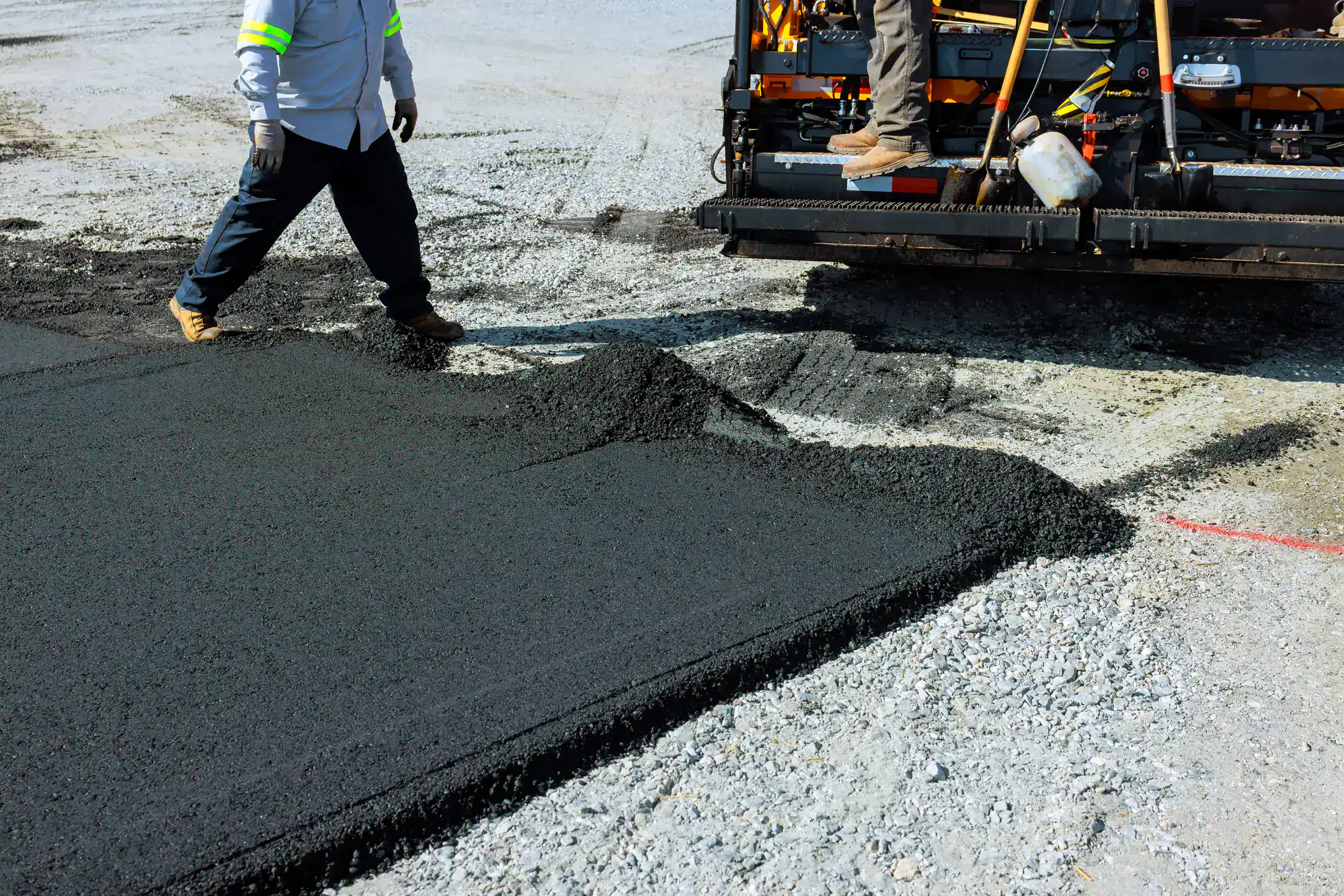
Most pavement doesn’t fail because asphalt is a bad material. It fails because the contractor didn’t account for where it’s going. On St. George Island, that gap between a generic install and a site-specific one shows up fast. Salt air accelerates binder oxidation the component that holds the surface together faster than anything you’d see in an inland parking lot. Add in the island’s documented flood risk and the moisture that comes with sitting at the confluence of the Potomac River and the Chesapeake Bay, and you’re dealing with conditions that punish shortcuts quickly.
When we do commercial asphalt paving right here, the difference isn’t just cosmetic. A properly graded, well-drained surface handles storm surge runoff instead of trapping it beneath the base. That matters whether you’re maintaining a vacation rental driveway on the water, managing a hospitality property, or keeping a commercial access road functional year-round. Guests notice a deteriorating surface before they even step out of the car. Tenants and visitors form impressions at the driveway.
The other thing worth knowing: deferred maintenance in a coastal environment doesn’t just delay a cost it multiplies it. A $10,000 crack repair that gets pushed two seasons becomes a $30,000–$50,000 reconstruction once the base is compromised. With property values on St. George Island averaging around $593,000 and waterfront properties reaching $650,000–$850,000 protecting that asset with proper pavement maintenance isn’t an upgrade. It’s basic stewardship.
We’ve been doing commercial asphalt work across Maryland since 2011. That’s over a decade of projects in coastal, waterfront, and tidal watershed environments the kind of experience that actually matters when you’re paving on St. George Island, where every property sits within the Chesapeake Bay Critical Area and flooding is a documented risk, not a rare event.
We hold MHIC License #159766 a Maryland Home Improvement Commission credential that requires passing a state exam and demonstrating real-world experience. It’s publicly verifiable, and it’s a bar that a lot of Southern Maryland paving operators simply haven’t cleared. We’re also BBB Accredited with an A+ rating, and licensed to operate in both Maryland and Virginia. For a community like St. George Island, where word travels fast and the contractor pool is thin, that level of accountability matters.
From vacation rental driveways along the Potomac side of the island to commercial access roads that need to hold up through seasonal traffic surges, we’ve built our reputation on surfaces that last. That’s the standard we bring to every commercial paving project in St. Mary’s County.
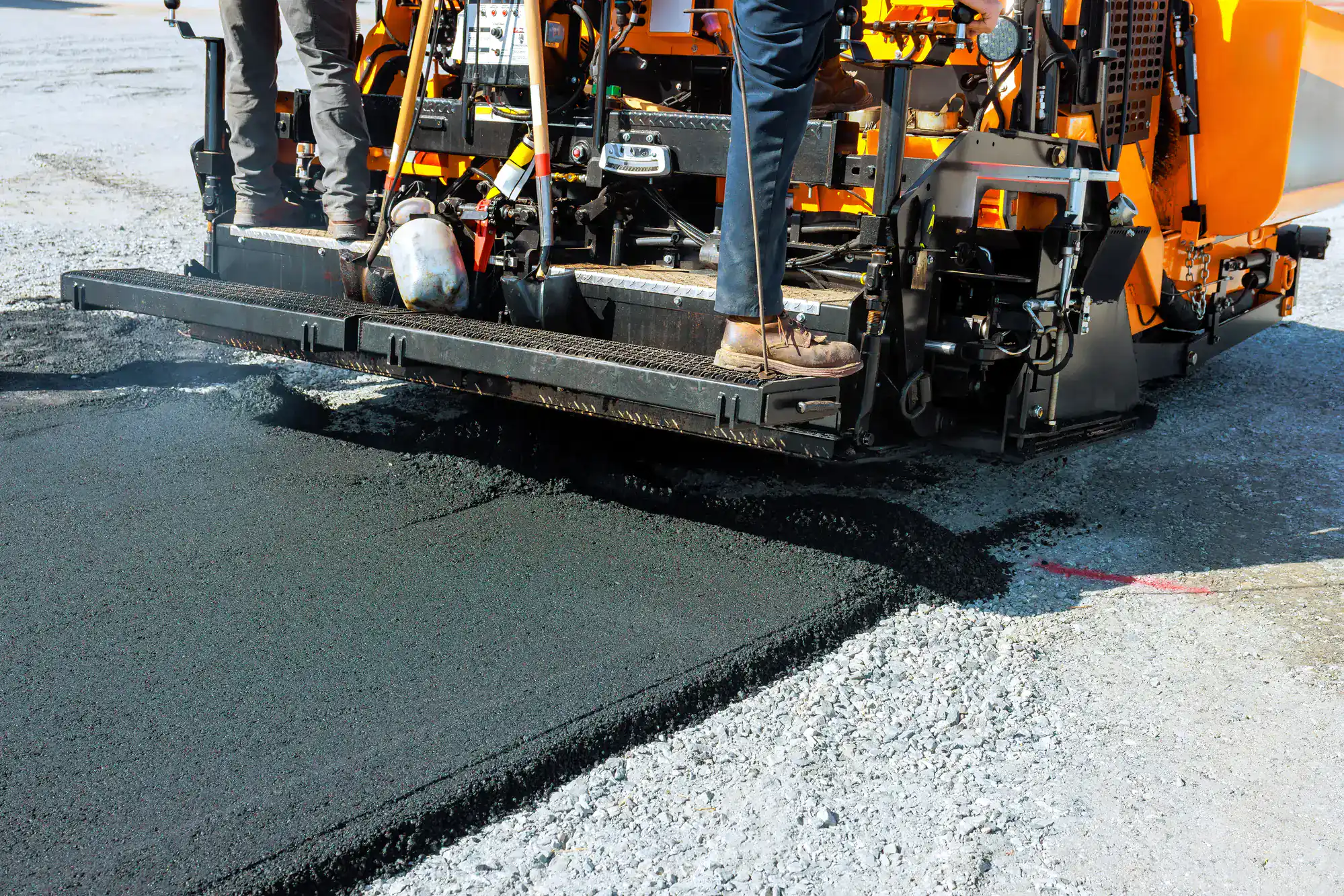
It starts with a site assessment not a quick glance and a square footage calculation. On St. George Island, that means evaluating drainage conditions, understanding how the property handles water during a storm or a high-tide event, and identifying any base issues that need to be addressed before asphalt goes down. If the drainage isn’t right, nothing else matters. That’s the first conversation, and it’s a real one.
From there, the scope gets defined clearly. What needs to be replaced versus repaired, what the base preparation requires, whether the project involves new impervious surface that may need review under St. Mary’s County’s Critical Area regulations all of that gets worked out before any equipment shows up. For commercial property owners and hospitality operators on the island, the timing conversation also matters. Scheduling paving work in early spring or after Labor Day avoids the peak tourist season, which is exactly when you don’t want construction disrupting guest access or parking.
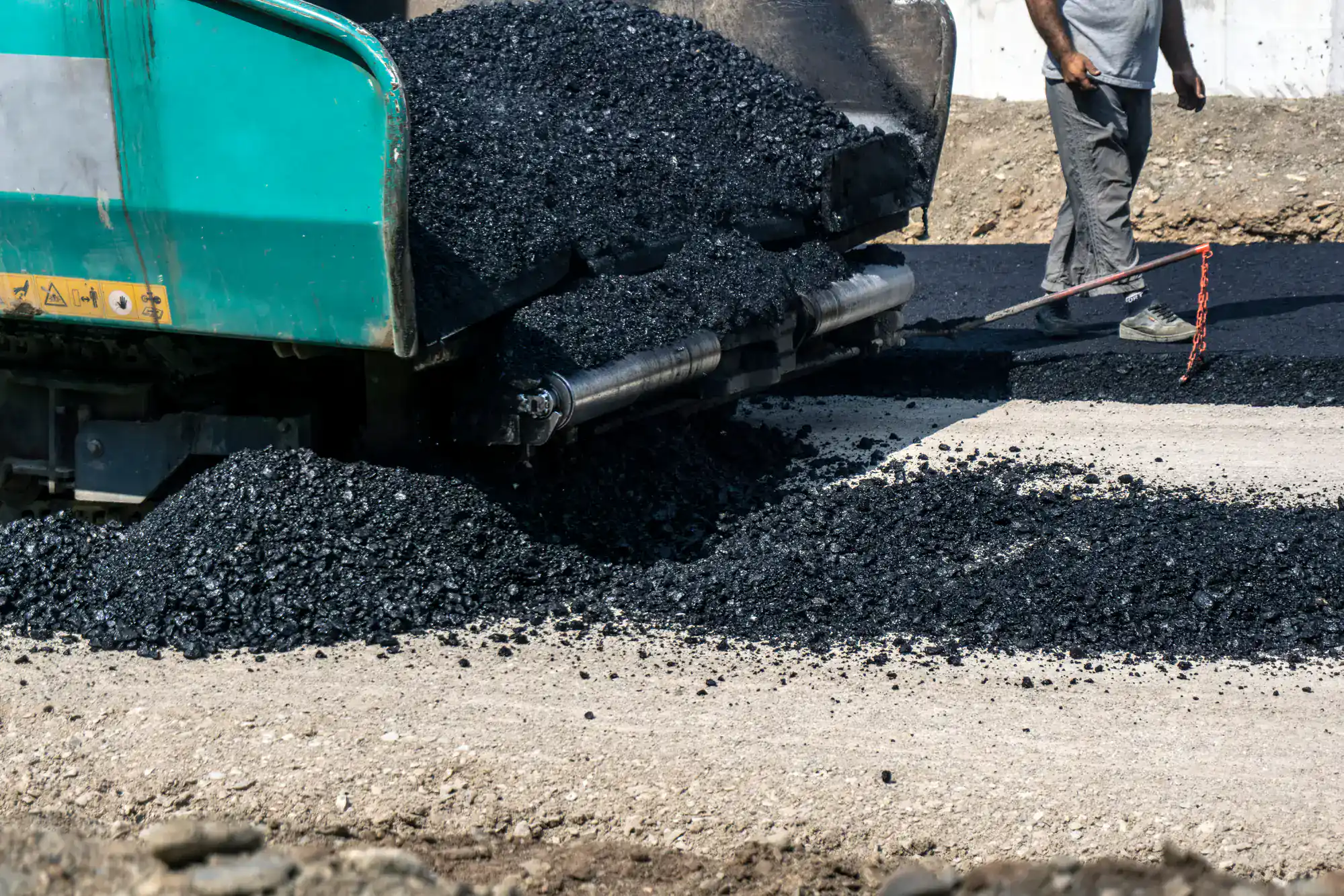
Once work begins, the process follows a straightforward sequence: subgrade preparation, base compaction, asphalt installation at commercial-grade thickness (4 inches or more), and surface finishing. Sealcoating, crack repair, line striping, and ADA compliance work can all be handled as part of the same project or scheduled as follow-on maintenance. One contractor, one point of contact, no coordination headaches.

Ready to get started?
Commercial asphalt paving in St. George Island means more than laying a surface. We handle initial installation, protective sealcoating, crack filling, parking lot line striping, and ADA-compliant parking lot upgrades all under one contractor. For property owners on an island with limited service options and a single road in, that single-vendor capability isn’t a convenience, it’s a practical necessity.
Sealcoating is particularly important in this environment. The salt air and high ambient moisture on St. George Island accelerate the oxidation of asphalt binder, which is what causes surface brittleness and cracking. We seal every three to five years to close surface pores before winter moisture infiltration begins and slow the coastal degradation cycle significantly. Crack filling on an annual or biannual basis keeps water from reaching the base which, in a flood-prone coastal environment, is the most critical maintenance task you can perform.
For commercial properties that need to meet ADA standards parking lots with required accessible spaces, proper slope, and compliant signage we build that work into the project from the start, not added as an afterthought. St. Mary’s County permit and grading requirements, including any Critical Area review for projects that add impervious surface near tidal waters, are factored into our planning process. You won’t find out about a compliance issue after the job is done.
Yes, and it’s one of the first things we clarify before any commercial paving project on St. George Island moves forward. The entire island falls within Maryland’s Chesapeake Bay Critical Area, which places restrictions on increases in impervious surface coverage near tidal waters. Asphalt paving creates impervious surface, so any project that adds new paved area or significantly expands an existing one within the Critical Area buffer zone may require review and approval through St. Mary’s County’s Department of Land Use and Growth Management.
This doesn’t mean paving is off the table. It means the project needs to be planned with those requirements in mind from the beginning. Stormwater management compliance, buffer zone considerations, and grading permits are all part of our pre-project process for commercial work in this area. We understand these requirements upfront, which keeps your project on track and avoids the kind of compliance issues that can halt work or require costly corrections after the fact.
Asphalt is made up of roughly 95% aggregate and 5% binder and it’s the binder that holds everything together. In coastal environments like St. George Island, the combination of salt-laden air and persistent high humidity accelerates the oxidation of that binder faster than you’d see in inland communities. Oxidized binder becomes brittle, which leads to surface cracking earlier in the pavement’s life cycle than the 20–30 year lifespan a properly maintained commercial surface should deliver.
The practical result is that asphalt on St. George Island that isn’t sealed and maintained on a consistent schedule will deteriorate noticeably faster than the same surface in a drier, inland environment. Sealcoating every three to five years is the primary tool for slowing this process it replenishes surface protection, closes pores that allow moisture infiltration, and extends the functional life of the pavement significantly. Skipping it in a coastal environment isn’t a minor oversight; it’s the difference between a 25-year surface and a 10-year one.
For commercial applications parking lots, access drives, boat launch areas, and hospitality property surfaces the standard installation thickness is a minimum of 4 inches of compacted asphalt over a properly prepared base. Residential driveways are often installed at 2–3 inches, but commercial surfaces carry heavier and more frequent loads, and on St. George Island, seasonal traffic surges from tourism add an additional loading consideration that lighter installations won’t handle well over time.
Base preparation is just as important as the asphalt thickness itself. A well-compacted subgrade that drains properly is what keeps the surface stable when water saturates the surrounding soil which, given the island’s documented flood exposure, is not a hypothetical scenario. An undersized base or insufficient thickness won’t show its weakness immediately, but it will show up within a few seasons, particularly after a significant storm or a wet winter with multiple freeze-thaw cycles.
Asphalt installation requires ground temperatures consistently above 50°F to cure properly, which generally means the paving window in Maryland runs from mid-spring through mid-fall. For St. George Island specifically, that timing overlaps almost entirely with the peak tourism season which creates a real scheduling tension for vacation rental operators, hospitality businesses, and commercial property owners who can’t afford to disrupt guest access during their highest-revenue months.
The practical answer for most island commercial operators is to schedule paving work in early spring March through April before the tourist season ramps up, or after Labor Day when the seasonal rush has passed. This timing also aligns with post-winter inspection season, when freeze-thaw damage from the preceding months becomes fully visible and repair decisions are easiest to make. Planning ahead and booking in the off-season typically means better scheduling flexibility and a project that’s finished before your busiest period begins.
The general rule is this: if more than 25–35% of the surface has structural damage alligator cracking, base failure, significant depression or rutting replacement is usually the more cost-effective path. Patching over a failing base is a short-term fix that buys you a season or two before the same problems return. If the surface has surface-level cracking, edge deterioration, or oxidation without base compromise, crack filling and sealcoating can extend the life of the existing pavement meaningfully.
On St. George Island, the coastal environment can accelerate the progression from surface damage to base damage faster than property owners often expect particularly on surfaces that have experienced repeated flooding or standing water. We perform a site assessment that evaluates both the surface condition and the base integrity. Getting that assessment done before committing to either approach saves you from either over-spending on a replacement that wasn’t needed or under-spending on a repair that won’t hold.
Commercial paving projects that involve grading, significant base preparation, or new impervious surface in St. Mary’s County typically require a grading permit through the county’s Department of Land Use and Growth Management. For properties on St. George Island, the Critical Area designation adds an additional layer of review for projects near tidal waters. Understanding which permits apply to your specific project and what stormwater management documentation may be required is part of the pre-project planning process, not something to sort out after work has started.
Our project planning process includes assessment of applicable regulatory requirements so that the permit picture is clear before any equipment arrives on site. This is especially relevant for commercial operators on St. George Island hospitality properties, vacation rental owners with larger paved surfaces, or anyone expanding an existing parking area where the combination of county permitting and Critical Area compliance creates a more involved approval process than you’d encounter for a standard commercial job in a non-tidal area of St. Mary’s County.
Other Services we provide in St. George Island